
Cotton Knit Fabric: A Guide to Cotton Jersey by the Yard
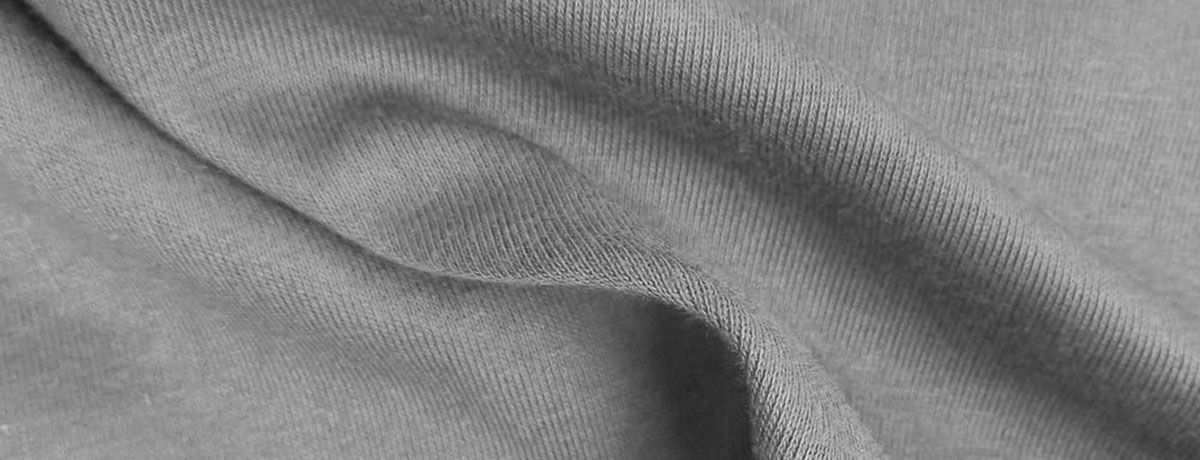
Cotton jersey is a knitted fabric made from cotton yarn. Unlike a woven cloth, it's built from interlocking loops, and that loop structure is what gives jersey its stretch, softness, and breathability.
This guide covers the knit types you'll actually source, the GSM weights that matter when you write a tech pack, how to buy by the yard or by the roll, and the quality checks that keep a bad lot out of your production line.
Key Takeaways
- The global jersey knit fabrics market is forecast to grow at a 4.2% CAGR, from about 12.5 million tonnes in 2025 to 18.3 million tonnes by 2035.
- For apparel, cotton jersey runs roughly 120–220 GSM, with 180–200 GSM the sweet spot for premium t-shirts.
- "Jersey" is a construction, not a fiber or a weight. Single jersey, interlock, and rib all behave differently, so spec the knit type and GSM, never just "cotton jersey."
What Is Cotton Jersey Fabric?
Cotton knit fabric—most often cotton jersey—is a knitted fabric made from cotton yarn in interlocking loops, which is why it stretches, feels soft, and breathes differently from woven cotton. If you source fabric for apparel or home textiles, whether as a B2B buyer, garment wholesaler, private-label brand, or independent maker, understanding those knit characteristics is the first step to choosing material that will sew, wear, and perform the way you need.
You can tell jersey by its two faces. The right side shows smooth vertical columns of V-shaped loops (called wales); the back shows horizontal loops that look slightly bumpier. That single-knit build gives natural four-way give and a soft drape, and while cotton knit typically does not fray at the edges, the raw edge may curl when cut, which is worth knowing before you plan cutting and sewing.
Types of Cotton Jersey Fabric
The knit structure decides most of how a fabric behaves, so pick the type before you argue over price. Here's how the common ones compare.
| Knit type | Stretch | Typical GSM | Best for |
|---|---|---|---|
| Single jersey | Good 4-way, edges curl | 120–180 | T-shirts, dresses, linings |
| Interlock | Moderate, lies flat, no curl | 180–260 | Premium tees, polos, kidswear |
| Rib knit (1×1, 2×2) | High crosswise recovery | 200–320 | Cuffs, collars, fitted tops |
| Stretch jersey | High 4-way, strong recovery | 180–240 | Activewear, fitted garments |
| Organic cotton jersey | Same as base knit | 120–260 | Eco-labeled apparel, baby goods |
Interlock is the one buyers under-order because it is thicker and more stable than single jersey. It costs more per yard because it's effectively a double knit, but it lies flat, doesn't curl, and hides seams, which cuts sewing time and rejects on higher-end garments.
Single jersey (left) curls at the cut edge; interlock (right) lies flat and looks the same on both faces.
Benefits of Cotton Jersey Fabric
Cotton jersey earns its spot in a range because it combines comfort and machine-friendliness in a way few fabrics manage. From what we've seen on production floors, three properties matter most to buyers.
- ✓Softness and breathability: cotton's natural fiber wicks and vents, so jersey stays comfortable for all-day wear.
- ✓Natural stretch and recovery: the looped construction gives four-way give without spandex, and a small elastane blend pushes recovery further for fitted styles.
- ✓Durability and easy care: a well-knit mid-weight jersey handles repeated wash cycles; the main watch-out is shrinkage.
Cotton Jersey Applications: Typical Use Cases
Cotton jersey shows up across apparel and home textiles because one fiber covers so many price points, from budget tees at 130 GSM to structured 220 GSM polos. The scenarios below are typical application patterns, not specific customers, and they map cleanly to the knit types above, and you can make similar comparisons when sourcing interlock knit fabric for athletic and casual wear.
Sustainable apparel lines
Brands building an eco-labeled clothing line typically source GOTS-certified organic cotton single jersey at 150–180 GSM for tees and dresses.
Home textiles
Makers of fitted sheets, pillow covers, and loungewear tend to reach for heavier interlock or 200+ GSM single jersey because it resists pilling and holds its shape through repeated laundering. Interlock's flat, curl-free edges also speed up sewing on large panels where a curling single jersey would slow a line down.
Activewear and sportswear
Performance styles usually call for stretch jersey blended with 5–8% elastane so the garment moves with the body and springs back, or for other engineered 4-way stretch bases such as nylon spandex swimwear fabric.
Handmade and small-batch sewing
Independent makers and small labels buying jersey by the yard usually want mid-weight 160–200 GSM single jersey: heavy enough to be forgiving on a home machine, light enough to drape. For this buyer, a low minimum order and a wide in-stock color range matter more than volume pricing, and 100% organic cotton jersey is often favored because it is easy to sew and washes well, while lighter, drapier styles may lean on wholesale chiffon fabric for dresses and blouses.
Sourcing and Wholesale: Buying Cotton Jersey
Buying cotton jersey splits into two lanes: small quantities by the yard for samples and short runs, and roll or bulk orders for production. Knowing which lane you're in changes who you should talk to and what price you should expect, especially when working with a global garment accessories and fabrics supplier like Ningbo MH.
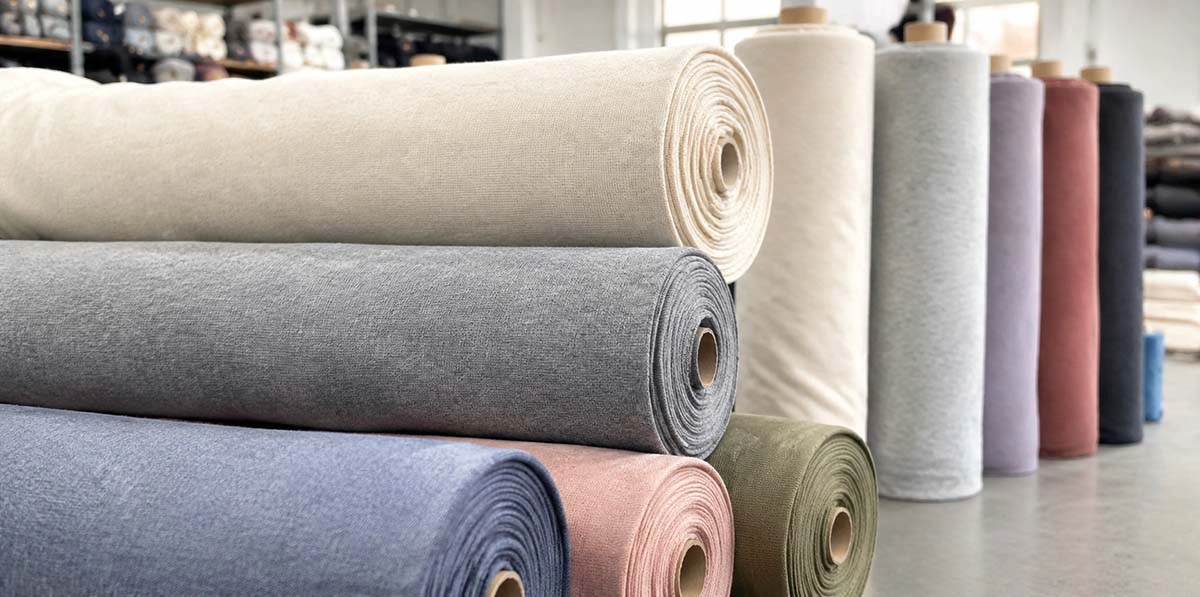
Buy cotton jersey fabric by the yard
Buying by the yard suits sampling, prototyping, and small-batch production where you need flexibility over the lowest unit price. Expect higher per-yard cost and a wider selection of colors and prints from cut-length suppliers. This is the right channel when you're testing a design, matching a color, or running under a few hundred units. Knitfabric.com, for example, offers hundreds of knit fabrics for apparel, while many mills pair yardage programs with wholesale polyester sewing thread supply so you can source fabric and thread together.
Wholesale cotton jersey for businesses
Wholesale and roll orders unlock volume pricing but come with minimum order quantities (MOQs), usually set per color per quality, and wholesale programs often cover a huge selection of cotton knit fabrics across multiple weights and garment categories, along with accessory lines like factory-direct embroidery thread in wide color ranges. When you order at scale, confirm the MOQ, the GSM tolerance, and the dye-lot policy up front, because color consistency across lots is where bulk jersey orders most often go wrong. Fabric Mart also has a collection of cotton knit fabrics available.
How to find good cotton jersey suppliers
The gap between a reliable jersey supplier and a cheap one shows up in the third order, not the first. Weight these factors when you evaluate a mill or wholesaler.
-
Consistency across dye lots: ask how they handle color matching between production runs, especially if you're also sourcing coated bases like PVC and PU coated Oxford fabric that must match trims or panels.
-
Certifications: GOTS for organic, OEKO-TEX Standard 100 for chemical safety. These are increasingly a procurement requirement, not a bonus, for EU and North American buyers, particularly when you branch into synthetics like polyester spandex stretch woven fabric for outerwear.
-
Transparent MOQ and lead times: get both in writing before sampling, and be sure collar and trim programs such as polyester rib knit polo shirt collars are aligned with your body-fabric schedule so you don't delay cutting.
-
Physical samples: never approve a jersey on a photo; hand and stretch don't photograph.
That checklist is the same one we'd want you to hold us to. MH is a factory-direct knit fabric mill (you deal with the people running the dye line, not a trading-company middleman) producing cotton jersey, interlock, stretch jersey, and GOTS-certified organic jersey for garment wholesalers and private-label brands.
MH fix GSM tolerance in writing, run in-house dyeing for dye-lot consistency across repeat orders, and offer low-MOQ sampling so you can test hand, recovery, and color before committing to a full run. For exact MOQ, weights, and certification on a specific quality, request a spec sheet and sample.


Frequently Asked Questions
What is the best GSM for a cotton jersey t-shirt?
For a premium-feeling t-shirt, 180–200 GSM is the industry sweet spot: heavy enough for structure and opacity, light enough to wear year-round. Lightweight summer tees sit around 120–160 GSM, while structured or boxy styles push past 220 GSM. This range is also commonly chosen for cotton knit basics such as T-shirts, dresses, leggings, and tank tops, making it a perfect middle ground for everyday wear.
What's the difference between single jersey and interlock?
Single jersey is a one-layer knit that stretches well but curls at the edges, typically 120–180 GSM. Interlock is effectively two single-knit layers locked together: it's heavier (180–260 GSM), lies flat without curling, and looks the same on both sides, which makes it the pick for premium tees and kidswear.
Does cotton jersey shrink?
Yes. Untreated 100% cotton jersey can shrink noticeably on its first hot wash. Reputable suppliers offer pre-shrunk or compacted jersey, but you should still run a wash-and-dry shrinkage test on every new lot before cutting a full production lay.
