
Floral Silk Fabric: A Comprehensive Guide for Wholesale Buyers
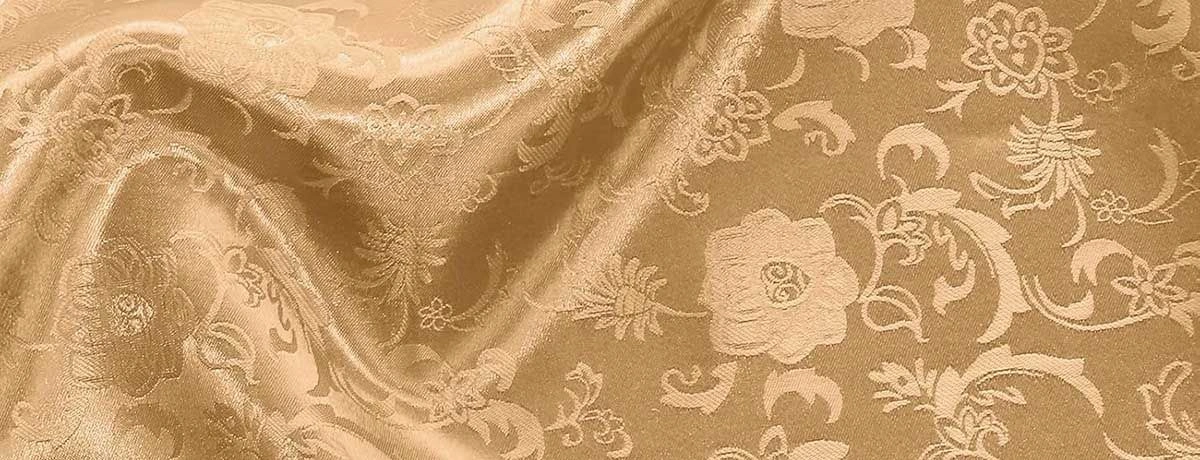
Silk fabric remains one of the most sought-after materials in garment manufacturing. Its luxurious feel, natural sheen, and versatility make it a preferred choice for creating high-end apparel and accessories. For wholesale buyers and manufacturers, understanding the nuances of silk prints—particularly floral designs—can significantly impact product quality and market appeal.
This guide explores the essential aspects of floral silk fabric, from selecting the right prints and understanding fabric types to working with delicate materials and maximizing the benefits of high-quality textiles in your production line. A diverse selection ensures you’ll find the perfect match for your project. Buyers can explore the latest arrivals in floral silk fabric to access the most current and trendy designs. Additionally, you can use sort features to organize options by color, pattern, or fabric type, making it easier to find the ideal fabric.
Introduction to Wholesale Buying
Wholesale buying of silk fabric is the ideal solution for businesses, designers, and creative individuals who want to access premium silk prints in larger quantities. Purchasing silk fabric by the yard allows you to select from a wide range of fabric types, including luxurious chiffon and soft cotton blends, each offering unique qualities for different projects. Whether you’re designing elegant dresses, crafting pocket squares, or working on custom accessories, the right silk fabric can elevate your creations with its signature softness and high-end appeal.
When buying wholesale, it’s important to consider the pattern and color palette that best suits your design vision. From classic florals and bold blues to contemporary prints and vibrant colors, a diverse selection ensures you’ll find the perfect match for your project. The luxurious quality and light weight of silk make it a favorite for garments that require both elegance and comfort.
Customers benefit from wholesale buying by gaining access to competitive pricing and the ability to order the exact yardage needed for their designs. Reputable suppliers offer a broad selection of silk prints and provide excellent customer service, making the buying process smooth and efficient. Whether you’re a fashion designer, a sewing enthusiast, or a business owner, sourcing silk fabric wholesale is a smart way to ensure your projects are crafted from the finest materials, helping your designs stand out in both quality and style.
Types of Silk Prints and Fabric Variations
Silk fabric comes in various weaves and finishes, each offering distinct characteristics suited to different garment applications. Understanding these differences helps manufacturers select the appropriate material for their specific production needs.
Charmeuse silk features a satin weave with a lustrous front and matte back. This lightweight fabric drapes beautifully, making it ideal for blouses, dresses, and linings. Its smooth surface showcases floral prints with exceptional clarity and vibrancy.
Silk chiffon offers a sheer, lightweight quality with a slightly rough texture. This fabric works well for layered garments, scarves, and flowing designs where translucency adds visual interest. Floral prints on chiffon create an ethereal, delicate appearance.
Silk twill presents a diagonal weave pattern that provides more body and structure than charmeuse or chiffon. This durability makes it suitable for tailored garments, pocket squares, and accessories requiring shape retention.
When selecting silk prints, manufacturers should consider pattern scale, color palette, and repeat size. Floral designs range from delicate micro-prints to bold, oversized botanicals. Blues, vibrant hues, and abstract interpretations of natural motifs offer diverse aesthetic options for different market segments.
Creative Applications in Garment Manufacturing
Floral silk fabric serves multiple purposes across various garment categories. Manufacturers can incorporate these materials into dresses, blouses, skirts, and tops for the women's wear market. The natural drape and softness of silk enhance the fit and movement of finished garments.
For accessories, silk prints work exceptionally well in scarves, pocket squares, ties, and other small-format items where the luxurious quality of the fabric justifies premium pricing. The material's ability to hold vibrant colors makes floral patterns particularly striking in these applications.
Home décor manufacturers also utilize silk fabric for pillow covers, table runners, and decorative items. The elegance of floral silk prints can elevate interior design projects, creating cohesive aesthetic themes across product lines.
Mixing silk with other materials like cotton or synthetic blends can achieve specific performance characteristics while maintaining the luxurious appearance that customers associate with silk prints. This approach allows manufacturers to balance quality with cost considerations.
Working with Delicate Materials: Best Practices
Silk fabric requires careful handling throughout the manufacturing process. Proper techniques ensure minimal waste and maintain the material's integrity from cutting to finished product.
Use sharp, clean scissors or rotary cutters specifically designated for fabric work. Dull blades can snag or pull silk threads, creating irreparable damage. For large-scale production, invest in quality cutting equipment calibrated for delicate materials.
Fine needles (size 60/8 or 70/10) work best with silk fabric. These smaller needles create minimal holes while maintaining secure stitches. Adjust machine tension settings to accommodate silk's delicate nature—too much tension can pucker seams or distort fabric.
Common issues like fraying, stretching, and distortion can be prevented through proper stabilization techniques. Use silk pins rather than standard pins to avoid leaving visible holes. Consider French seams or rolled hems for a professional finish that contains raw edges.
Pre-washing silk fabric removes sizing and allows the material to settle before cutting. Follow care instructions specific to the silk type—some require dry cleaning while others tolerate gentle hand washing. This step prevents unexpected shrinkage in finished garments.
Benefits of High-Quality Silk Fabric in Production
High-quality silk prints offer tangible advantages for manufacturers focused on premium market segments. The material’s natural properties—softness, breathability, and temperature regulation—create superior wearing comfort that customers readily recognize.
Durability represents another key benefit. While silk requires careful handling during production, properly constructed garments maintain their appearance and structural integrity through extended use. High-quality silk fabric shows no sign of wear even after frequent use, highlighting its exceptional durability. This longevity supports brand reputation and reduces return rates.
Investing in quality silk fabric can improve overall production efficiency. Superior materials cut cleanly, sew smoothly, and require fewer repairs or adjustments during manufacturing. These factors offset higher material costs through reduced labor time and waste.
When evaluating silk fabric suppliers, examine thread count, weave consistency, and print quality. High-quality silk prints feature sharp pattern definition, colorfast dyes, and uniform fabric weight throughout the yardage. Request samples before placing bulk orders to verify these characteristics.
Sourcing Silk Fabric for Wholesale Manufacturing
MH, a professional wholesale supplier of garment accessories and fabrics from China, offers an extensive selection of silk prints suitable for large-scale manufacturing. The company focuses exclusively on wholesale partnerships, providing consistent quality and reliable supply chains for global manufacturers.
When ordering silk fabric in bulk, calculate yardage requirements carefully. Account for pattern matching, fabric width, and potential waste during cutting. Most suppliers provide fabric by the yard, allowing precise ordering based on production needs. Floral silk fabric is typically sold by the yard or in pre-cut lengths, making it easy for manufacturers to purchase the exact amount required for their projects.
Filter options by print type, color family, and fabric weight to narrow selections efficiently. Consider ordering swatches of multiple options before committing to large quantities—this allows comparison of texture, drape, and color accuracy under actual production conditions.
Wholesale purchasing from established suppliers like MH provides access to competitive pricing, consistent material quality, and long-term partnership benefits. Reliable suppliers maintain inventory levels that support predictable production schedules and minimize delays.
Partnering with a Trusted Fabric Supplier
MH is known for reliability, consistent quality, and long-term partnerships in the global market. The company's focus on wholesale relationships ensures that manufacturers receive the support and material consistency necessary for successful production operations.
Floral silk fabric represents a valuable addition to any manufacturer's material portfolio. Understanding the various types of silk prints, proper handling techniques, and sourcing strategies enables manufacturers to produce exceptional garments that meet market demands for quality and sophistication.