
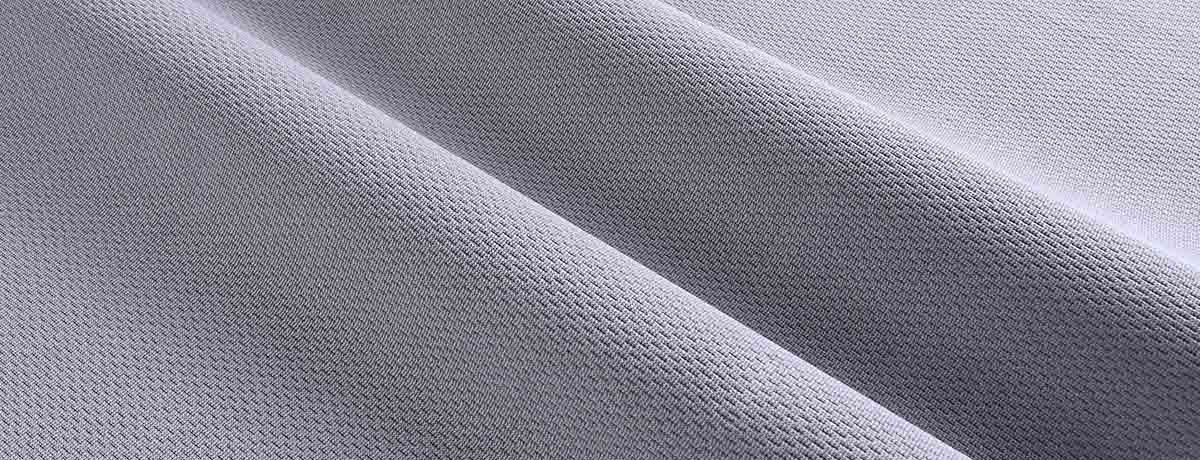
Interlock fabric is a double-knit textile with a smooth texture, similar faces on both sides, and stable edges, used for baby clothes, T-shirts, sportswear, and other everyday garments. Its intermeshing loop structure sets it apart from bonded fabrics and affects stretch, comfort, durability, and production handling.
For manufacturers, importers, wholesalers, and other B2B garment buyers, the buying decision depends on composition, finished weight, usable width, and tested performance because these factors shape garment quality, sewing efficiency, and end-use results.
This guide explains how interlock knit fabric is constructed, how it compares with jersey and rib knit, which compositions and applications fit different products, what to expect in manufacturing and finishing, and what to check when cutting, sewing, and placing bulk orders with MH, including quality assurance and certifications.
What Is Interlock Fabric?
Interlock is a type of double knit fabric formed using cylinder and dial needles. CottonWorks explains that two yarn feeds produce one visible course. Its structure combines intermeshing loops into one integrated textile, rather than bonding two completed layers of fabric.
Interlock Knit Construction
The knitting process uses two sets of opposing needles that work alternately. CottonWorks describes interlock as two interlocking rib structures, with the two sets working together to form the double-knit structure and giving the face and back a similar appearance on both sides. Compared with single jersey in the same yarn count, it is thicker and heavier, which improves opacity, and an interlock garment is less likely to look see-through in light colors. Stable construction can simplify handling, resulting in more accurate cutting and sewing, but it does not guarantee zero shrinkage or perfect stretch recovery.
Is Interlock Always Cotton?
No. Cotton interlock, polyester interlock, wool interlock, and elastane blends serve different requirements. Interlock describes construction; it is commonly a double-knit fabric with smooth sides, while cotton, polyester or rayon describes fiber content. This double-knit build also makes an interlock garment thicker and heavier than a comparable single-jersey garment, so it is thicker and more opaque than single jersey fabrics. Specify both when requesting samples, because the fabric name alone cannot establish comfort, drying behavior or durability, and this build gives better coverage and less transparency than lighter fabrics.
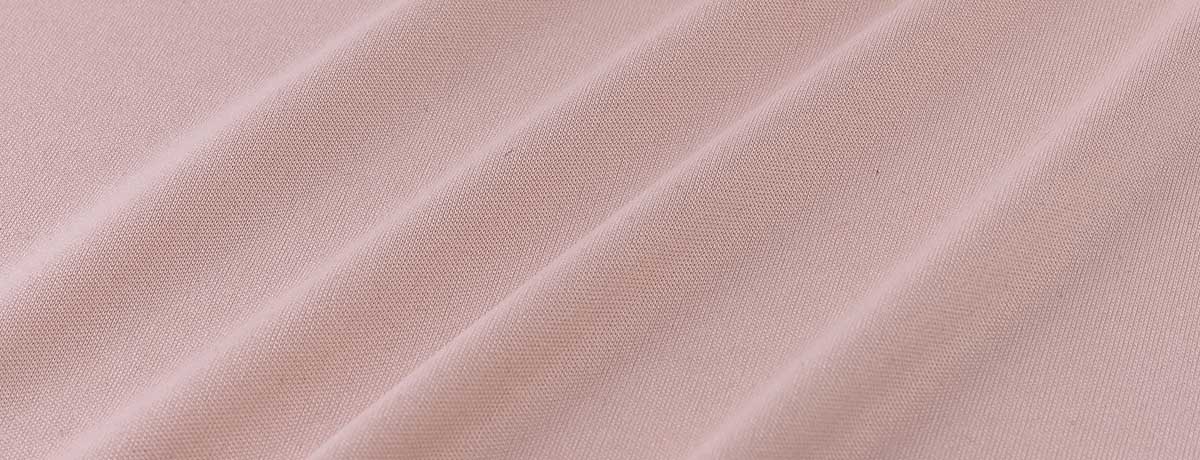
Interlock Fabric vs Jersey Knit and Rib Knit
Choose among these knit fabrics by required garment performance. Compare actual samples at the intended finished weight, color and extension, rather than assuming one construction always performs best.
Interlock vs Single Jersey
Single jersey is a single knit with distinct face and back surfaces. Its cut edges tend to curl. Interlock generally resists curling and offers a stable double-faced appearance. Either can suit T-shirts; compare drape, opacity, weight and cutting behavior for your design.
Interlock vs Rib Knit
Basic rib knit construction produces visible ribs that open under extension. Rib knit is common in neckbands, cuffs and fitted garments, including polyester rib knit polo shirt collars. Interlock provides a smoother appearance. If matching body fabric to rib trims, test their shrinkage and recovery together to avoid distorted seams.
Which Interlock Fabric Should Buyers Choose?
Match composition and finishing to end use. Evaluate finished samples after washing and sewing. Softness on a sample card does not establish how bulk fabric will perform after production.
Cotton Interlock for Baby Clothes
Cotton interlock can feel extremely soft, especially with suitable yarn and finishing. It is an option for baby clothes, children's clothing, underwear and comfortable tops, and some buyers may develop matching accessories using milk cotton hand knitting yarn. Check dimensional stability, pilling, shade consistency and handfeel after laundering.
Polyester Interlock for Sportswear
Polyester interlock knit sportswear fabric suits sportswear and teamwear development, while cotton interlock is soft and smooth against the skin for baby clothes and children's clothing. Confirm printing compatibility, as its even surface is ideal for clean results on activewear programs. The interlock construction also makes it durable for repeated wear in leggings. Moisture-wicking performance depends on the article and finish; require appropriate testing when making that claim. For pale colors, check coverage under the intended garment stretch, especially for yoga pullovers and similar fitted pieces.
Stretch and Blended Options
Polyester interlock knit fabric is a versatile option for durable sportswear and activewear, and elastane-containing interlock knit fabric may suit fitted garments requiring additional stretch, alongside four-way stretch woven polyester-spandex fabrics for coordinated programs. It also works well for leggings, performance tops, and yoga pullovers. Specify extension and residual growth in each direction. Rayon-containing blends can offer fluid drape for dresses and casualwear, adding versatility for a wider garment range; check wet dimensional stability and surface appearance before approval. The smooth surface is ideal for decoration, but buyers should confirm suitability for screen printing and embroidery before approval.
How Is Interlock Fabric Made?
Interlock is knitted as an integrated structure and can offer excellent elasticity across its width, with elastane added when extra stretch is needed, then processed according to fiber and article requirements. Dyeing, washing, drying and finishing affect final dimensions and handfeel, and its smooth, uniform surface helps ink sit cleanly for consistent printing and dyeing results, similar to other lightweight apparel materials such as wholesale chiffon fabric for dresses and scarves. Request a finished sample rather than approving production from greige fabric alone.
Cutting and Sewing Considerations
Allow fabric to relax before cutting under an agreed factory procedure. Avoid excessive spreading tension, and note that its smooth, uniform surface helps ink print cleanly during decoration and dyeing approval. Sew trials using suitable needles, 40/2 spun polyester sewing thread and 120D/2 polyester embroidery thread, and stitch settings, checking for skipped stitches, seam waviness and needle damage; for lightweight 70-denier polyester interlock knit, confirm performance when used as lining in jackets, pockets, and bags. Test whether stretched areas return towards their original shape after wear and care.
MH as Your Interlock Fabric Supplier
MH supplies interlock fabric for wholesale sourcing. Its interlock fabric collection includes polyester and polyester-spandex options. Ask MH to confirm the exact construction, finished specifications and available colors for your garment program.
MH describes its fabric supply model as a managed network of partner mills, with mill qualification, production monitoring, laboratory checks and inspection before shipment, backed by Ningbo MH’s global garment accessories and fabric manufacturing network. Discuss the testing scope and traceability requirements for your selected order.
To request samples and a bulk quotation, email sales@mh-chine.com with composition, target GSM, usable width, color reference, quantity per color and delivery destination, or coordinate with MH’s polyester sewing thread manufacturing team if thread sourcing is part of the same program. Confirm MOQ and lead time in the quotation, and approve a garment and washing trial before bulk production.


Interlock Fabric FAQ
Beyond knits, some garment constructions also require stable support materials such as 100% polyester nonwoven interlining fabric for structure in collars, waistbands or plackets.
Is Interlock Fabric Stretchy?
The loop structure provides stretch, but extension and recovery vary with yarn, knitting, finishing and elastane content. Request measurements in both directions. Not every interlock is a four-way stretch material.
Does Interlock Fabric Shrink?
It can. Stable edges do not mean zero dimensional change. Agree on washing and drying conditions, then measure lengthwise and widthwise shrinkage before finalizing patterns.
Is Interlock Suitable for Summer Clothing?
It can be, depending on composition, weight and openness. Interlock is not automatically too thick for summer. Evaluate air permeability, moisture handling and garment comfort using the actual sample.
Is Interlock Knit the Same as Double Knit?
Interlock is one type of double knit. Other double-knit structures have different properties. Request an exact construction and reference sample when a quotation uses a broad fabric category.