
How Do B2B Buyers Choose High-Quality Bulk Terry Towels for Orders?
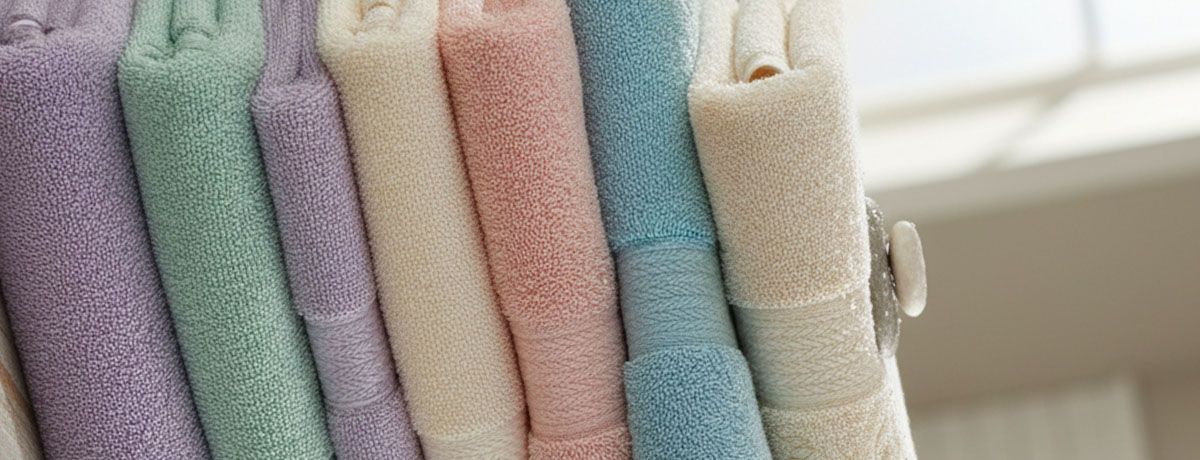
Bulk Terry Towels Overview
Bulk terry towels are looped-pile woven textiles manufactured and distributed in high-volume formats—cartons, bales, and pallets—for industrial, institutional, and hospitality applications. Unlike retail towel programs, bulk supply prioritizes consistent specifications across large quantities, efficient logistics, and repeatable quality that supports long-term procurement contracts.
-
This article targets B2B buyers including importers, wholesalers, distributors, hotel and laundry suppliers, facility management teams, and industrial cleaning companies seeking to evaluate terry towels for bulk purchasing and distribution.
-
Standard bulk formats include 5 dozen per case, 10 dozen per case, 25 lbs per box, and compressed bales or pallet boxes ranging from 600 to 1000 lbs—configurations designed for efficient container loading, warehouse handling, and inventory management.
-
MH (Ningbo MH Industry Co., Ltd.) supplies bulk terry towels as part of its broader textile and garment materials portfolio, with manufacturing capacity, volume scalability, and quality systems aligned to B2B export requirements.
-
Buyers can expect this guide to cover material options, construction parameters, weight and size specifications, performance benchmarks, commercial applications, and sourcing considerations relevant to wholesale terry towel programs.
What Is a Terry Towel?
A terry towel is a woven or knitted fabric characterized by uncut loops on one or both surfaces, engineered specifically for high absorbency and effective mechanical scrubbing action. The loop structure increases surface area, enabling cotton terry and blended terry fabrics to absorb and retain water more efficiently than flat-woven textiles.
-
Terry towels differ from general wiping rags in several ways: they feature intentional loop construction, are typically hemmed with finished edges, maintain uniform size and GSM specifications, and are designed for repeated commercial laundering cycles without significant degradation.
-
In bulk supply, two primary product forms are common—finished towels (hemmed, sized to standard dimensions, sometimes branded with jacquard or woven labels) and terry wiping rags (cut or uncut pieces from reclaimed, excess, or lower-grade production runs).
-
Terry towels are available in white for institutional and healthcare settings, piece-dyed solid colors for hospitality and fitness, yarn-dyed stripes or borders for decorative or color-coding purposes, and mixed-color recycled lots for industrial cleaning applications where appearance is secondary to function.
-
The distinction between terry cloth towels intended for guest-facing hospitality and economy terry rags for shop-floor cleaning needs comes down to yarn quality, loop density, finishing, and price per unit or per pound.
Materials, Yarn Types, and Constructions in Bulk Terry Towels
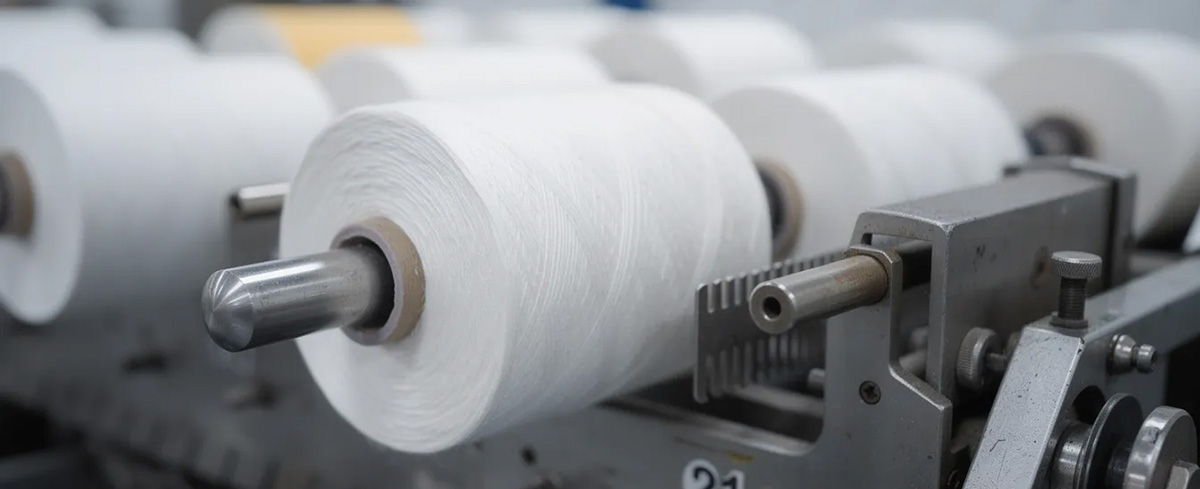
Terry towels manufactured for bulk distribution are predominantly cotton-based, with optional polyester or viscose blends introduced to balance absorbency, durability, quick-dry performance, and cost. Material selection directly impacts towel weight, handfeel, wash resistance, and suitability for specific commercial environments.
Common Fiber Options:
-
100 cotton (carded or combed) delivers the highest absorbency—cotton fibers can hold 20 to 27 times their weight in water—making it ideal for hotel, hospitality, and institutional bathroom programs where soft, plush handfeel and moisture management are priorities.
-
Cotton/polyester blends (e.g., 86/14 or 80/20 ratios) improve tensile strength, reduce drying time, and enhance resistance to the mechanical stress of industrial washing, though absorbency decreases proportionally with polyester content.
-
Recycled cotton terry, sourced from post-industrial cuttings or reclaimed household textiles, offers cost-effective options for cleaning rags and wiping products, and serves sustainability-focused buyers seeking green alternatives without premium pricing.
Yarn Types Frequently Used:
-
Ring-spun yarn produces softer, more uniform loops with reduced linting, suitable for premium guest towels and spa-grade products where fabric quality commands higher sell-through value.
-
Open-end (OE) yarn is the standard for economy-grade and industrial wiping towels, balancing price and function for applications where appearance matters less than absorbent capacity and cost per piece.
-
Combed yarn removes short fibers before spinning, resulting in smoother fabric with minimized pilling and lint—critical for higher-end hotel or spa contracts where towels contact skin and must maintain appearance through dozens of wash cycles.
Common Fabric Constructions:
A good example is Polyester Stiff Net Mesh Fabric, which features an open structure and rigidity ideal for hats and dance costumes.
-
Single-pick terry construction creates lighter-weight towels and rags, typically used for economy cleaning products and utility applications.
-
Double-pick or double-loop terry increases pile density and enhances absorbency, making it the standard for bath towels, hand towels, and products where water retention is a primary performance requirement.
-
Ribbed terry and ottoman constructions feature alternating raised and recessed surfaces, providing increased surface contact for scrubbing and easier wringing—qualities valued in kitchen towels and industrial cleaning contexts.
-
Loop height and density (measured in picks per inch and ends per inch) directly determine towel weight, absorbency rating, and handfeel characteristics—specifications that procurement teams should define in technical sheets when requesting quotations from vendors.
Standard Weights, Sizes, and Bulk Packing Options
B2B terry towel programs are structured around GSM (grams per square meter) or weight-per-dozen specifications, standardized sizes, and packing configurations rather than individual retail SKUs. Understanding these parameters enables buyers to align product selection with application requirements and logistics efficiency.
Typical GSM/Weight Ranges:
|
Application Segment |
GSM Range |
Weight Reference |
Typical Use |
|---|---|---|---|
|
Economy cleaning/wiping |
260–320 GSM |
20–24 oz/dozen |
Ribbed cotton terry rags, shop towels |
|
General-purpose hand/bar |
320–420 GSM |
24–32 oz/dozen |
Food service, gyms, housekeeping |
|
Institutional bath |
400–550 GSM |
32–44 oz/dozen |
Hospitals, dormitories, mid-tier hotels |
|
Premium hospitality |
550–700 GSM |
44–56 oz/dozen |
Upscale hotels, spa programs |
Common Sizes in Bulk Supply:
-
Small utility and cleaning towels: 14”x14”, 14”x17”, 16”x19”—used for wiping, spills cleanup, and general maintenance tasks.
-
Terry bar towels and kitchen towels: 16”x26”, 18”x18”—sized for food service, beverage stations, and commercial kitchen operations.
-
Bath linen sets: 12”x12” washcloth, 16”x28” hand towel, 24”x48” or 27”x54” bath towel, 35”x70” bath sheet—standard dimensions for hospitality and institutional programs.
-
Industrial rags from uncut bales: approximately 18”x18” average with natural variation, sold by weight rather than piece count.
Bulk Packing Formats:
-
Dozens per case (5 dozen/ctn or 10 dozen/ctn) serve as the default for hotel and institutional orders, enabling straightforward inventory tracking and reorder calculations.
-
Weight-based cartons (25 lbs or 50 lbs per box) are standard for ribbed terry rags and multi-purpose wiping towels where piece count is less critical than total absorbent material volume.
-
Compressed bales or pallet boxes (600–1000 lbs per pallet) support industrial users and distributors requiring high-volume, low-handling-cost supply with minimal packaging waste.
-
Export packing considerations include bale wrapping for protection, carton labeling with size, GSM, and lot number for traceability, and palletization optimized for 20’ and 40’ HQ container loading to maximize shipping efficiency and reduce landed cost per unit.
Key Performance Characteristics for Bulk Buyers
B2B towel procurement decisions rest on measurable performance indicators: absorbency, durability, lint behavior, wash resistance, dimensional stability, and cost per use over the product lifecycle. Specification-driven purchasing reduces returns, ensures operational consistency, and supports accurate budgeting across multi-location deployments.
Absorbency Metrics:
-
Absorbency correlates directly with cotton content, loop density, and pile height—higher values in each parameter produce towels capable of absorbing 500–800% of their dry weight within seconds of water contact.
-
Institutional buyers should test absorbency after multiple wash cycles rather than relying solely on greige or first-wash performance, as fabric softeners and laundering processes affect moisture uptake over time.
Durability and Wash Resistance:
-
Tensile strength and seam strength must withstand repeated industrial laundering at temperatures between 60°C and 90°C, with quality towels maintaining structural integrity after 30 to 100 wash cycles depending on segment and fiber composition.
-
Resistance to chlorine-based and oxygen-based bleaching is critical for healthcare and food service applications where disinfection protocols require aggressive chemistry.
-
Durable towels should retain loop structure without matting, fraying, or significant weight loss even after extended commercial laundry exposure.
Linting and Pilling:
-
Yarn quality, proper shearing, and controlled finishing processes minimize lint release—a critical factor for kitchens, manufacturing facilities, and automotive environments where fiber contamination creates quality or safety concerns.
-
Open-end yarn and recycled terry typically exhibit higher lint levels but lower cost, requiring buyers to balance performance requirements against budget constraints for their specific application.
Dimensional Stability and Shrinkage:
-
Acceptable shrinkage rates for institutional programs typically fall between 5% and 8% after specified wash protocols, with tighter tolerances required for products that must fit standard dispensers or storage configurations.
-
Controlled pre-shrinking during manufacturing and appropriate weaving tensions ensure consistent sizing across production lots, supporting accurate order quantities in bulk contracts.
Safety and Compliance:
-
MH can supply towels and related textiles compliant with Oeko-Tex Standard 100 and ISO-based quality systems where certification is required for end-use applications or customer specifications.
-
Colorfastness to washing and rubbing (rated 4–5 on ISO scales) prevents color transfer to skin, uniforms, or equipment surfaces—particularly important for colored towels used in hospitality and fitness environments.
Common Wholesale Applications and Use Cases
Terry towels in bulk serve diverse commercial sectors including hospitality, institutional healthcare, food and beverage, industrial cleaning, automotive maintenance, fitness facilities, and janitorial services. Each application demands specific combinations of construction, GSM, color, and durability to match operational requirements.
Hospitality and Accommodation:
-
Bath towels, hand towels, bath mats, and washcloths for hotels, resorts, serviced apartments, and guesthouses represent a core demand segment, with room counts driving volume requirements and replenishment cycles spanning months or years.
-
Consistency in color, GSM, and size across hundreds or thousands of rooms is essential for brand standards and guest experience—making specification-based bulk procurement the only practical approach.
Healthcare and Institutional:
-
White terry towels for hospitals, clinics, nursing homes, and laboratories must withstand high-temperature wash processes with disinfecting agents while maintaining absorbency and dimensional stability.
-
Standardized sizes enable efficient linen management through commercial laundry services, with rapid replenishment cycles supporting high patient turnover.
Food Service and Kitchen:
-
Smaller terry bar towels and kitchen towels serve restaurants, catering operations, and food production facilities where durable, medium-GSM products handle repeated degreasing washes and constant wet-dry cycling.
-
Ribbed terry constructions offer excellent performance for wiping surfaces, handling hot cookware, and managing spills in fast-paced commercial kitchen environments.
Industrial and Manufacturing:
-
Economy and recycled terry rags support machinery maintenance, oil and solvent wipe-downs, and general facility cleaning where absorbency and cost per pound matter more than appearance.
-
Colored or mixed-color terry lots allow easy visual sorting while keeping material costs low for high-consumption industrial users.
Gyms, Spas, and Wellness:
-
Medium-to-heavy GSM white or colored towels for fitness centers, spas, and sports clubs face daily laundering, requiring construction that balances absorbent performance with rapid turnover durability.
-
Member-facing applications benefit from softer hand towels with excellent linting performance, while back-of-house products can prioritize economy and wash resistance.

Interested B2B buyers should prepare a basic technical sheet specifying GSM, size, material composition, color requirements, usage sector, and expected wash cycle performance. This information enables MH to provide accurate quotations, sampling timelines, and production capacity confirmation for bulk terry towel programs.


Whether you need to add terry towels to your product catalog, save on consolidated textile sourcing, or establish a reliable supply chain for institutional customers, the process starts with clear specifications and a vendor capable of delivering true bulk manufacturing capacity with consistent quality across every order.
