
Why Do Apparel Manufacturers Choose Chiffon Clothing Material for Lightweight Garments?
Introduction to Chiffon Clothing Material
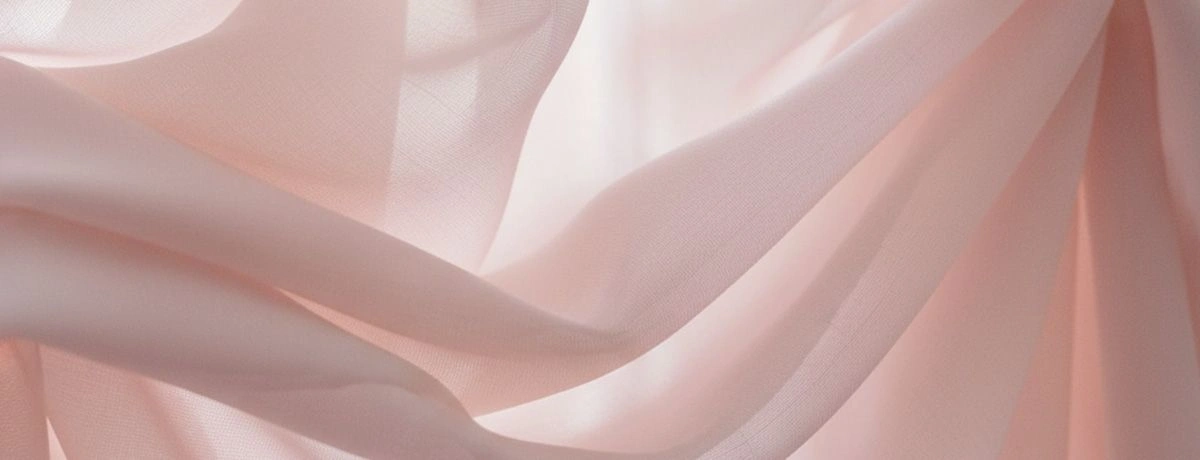
Chiffon clothing material represents one of the most widely used sheer fabric categories in global apparel manufacturing. Defined by its lightweight construction, high-twist yarns, and distinctive translucent appearance, chiffon has become a staple textile for manufacturers producing everything from formal gowns to everyday blouses. For procurement teams sourcing fabrics at scale, understanding chiffon’s technical specifications is essential for matching material selection to production requirements.
In current mass production, polyester chiffon and polyester blends have become the dominant commercial qualities due to their cost efficiency, consistent quality, and excellent printability. Silk chiffon remains relevant for premium segments where the natural fiber’s soft texture and lustrous drape justify higher material costs. Both categories require different handling approaches in cutting, sewing, and finishing operations.
Typical end-uses in large-scale garment production include dresses, blouses, overlays, scarves, dancewear, sarees, abayas, and special-occasion garments. MH (Ningbo MH Industry Co., Ltd.) serves as a B2B manufacturer and supplier of garment materials and fabrics, supporting bulk chiffon orders alongside complementary products such as sewing thread, zippers, lace, interlining, and other trims required for complete garment production.
What Is Chiffon Fabric? (Structure and Definition)
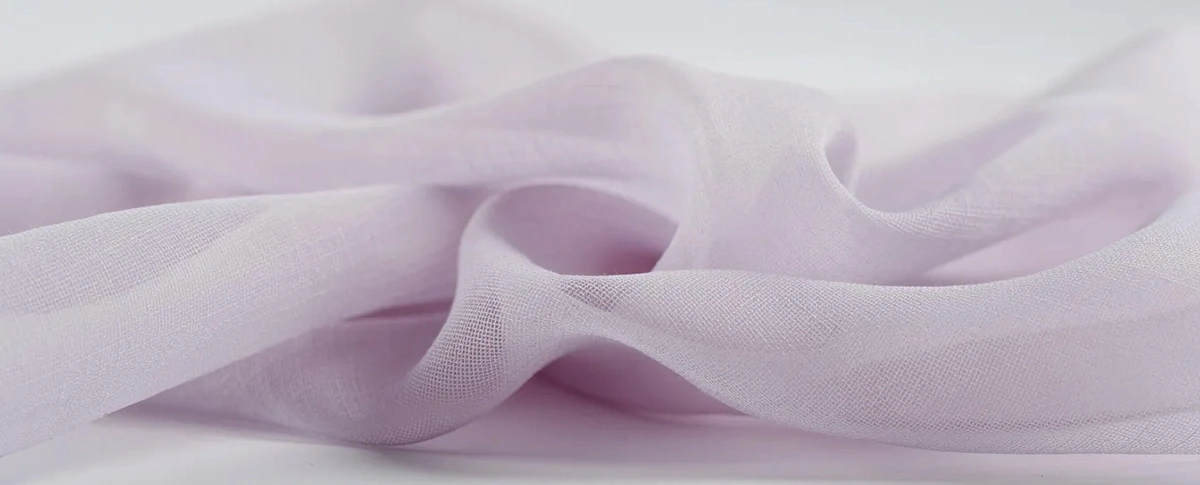
Chiffon is a balanced plain-weave fabric constructed using alternating S-twist and Z-twist yarns, which creates its characteristic slightly crêpe-like surface and excellent drape. Unlike specialized weave patterns, chiffon’s distinctive properties come primarily from yarn preparation rather than weaving technique.
Yarn construction: Chiffon typically uses filament yarns (polyester, silk, or nylon) with high twist levels per meter. When cotton or rayon chiffon is produced, manufacturers use very fine spun yarns to achieve the necessary sheerness. The alternating twist direction—where S-shaped yarn is woven into Z-shaped yarn—produces a slightly puckered texture that facilitates greater elasticity and movement.
Weight and transparency: Standard chiffon falls within approximately 20–70 gsm, making it one of the lightest woven textiles commercially available. This low fabric weight creates high transparency, ranging from semi-sheer to very sheer depending on construction density.
Hand feel and drape: The fabric exhibits a soft yet slightly dry hand feel, with a high drape coefficient that allows it to flow and move naturally. This makes chiffon suitable for garments requiring an airy, floating appearance.
Comparison with related fabrics: Chiffon differs from georgette in being sheerer and lighter, while georgette has more texture and body. Compared to organza, chiffon is significantly softer and less crisp—organza maintains its shape while chiffon flows freely.
Common Fiber Compositions and Weight Ranges
When sourcing chiffon for bulk orders, understanding available fiber compositions and their corresponding weight ranges helps match material selection to specific product requirements.
Main commercial compositions:
-
100% polyester chiffon — Most widely used for mass production; offers consistency, durability, and cost efficiency
-
100% silk chiffon — Premium option with natural fibres providing superior hand feel and luxury positioning
-
Polyester-spandex stretch chiffon — Typically 97% polyester / 3% spandex for two-way stretch applications
-
Viscose chiffon — Semi-synthetic option with good drape and breathable properties
-
Nylon chiffon — Less common than polyester but offers strength and slight sheen
-
Cotton chiffon — Available but less optimal due to pilling tendency and delicate structure
Indicative GSM ranges by type:
|
Category |
GSM Range |
Typical Applications |
|---|---|---|
|
Ultra-sheer |
20–30 gsm |
Overlays, ethereal layers, scarves |
|
Standard dress-weight |
30–45 gsm |
Dresses, blouses, linings |
|
Heavier/crinkle chiffon |
45–70 gsm |
Structured garments, pleated styles |
For mass apparel manufacturing, 30–50 gsm 100% polyester chiffon fabric is the most commonly specified due to its balance of cost, wash performance, and printability. MH can supply both conventional poly chiffon and recycled polyester chiffon options for buyers with sustainability requirements or brand compliance needs.
Types of Chiffon for Different Manufacturing Needs
Commercial chiffon is available in several variants, each suited to different product categories and manufacturing requirements.
Standard polyester chiffon: Smooth, semi-sheer fabric in the 30–50 gsm range. This is the workhorse material for dresses, flowing blouses, and overlays. Its primary advantages for volume orders include consistent quality, color continuity across seasons, and competitive pricing.
Silk chiffon: Offers luxurious hand feel and natural softness at higher cost, typically 20–40 gsm. Targeted applications include premium womenswear, resort collection pieces, and high-end scarves where material quality justifies reduced margin sensitivity. Raw silk processing adds to production complexity but delivers unmatched draping characteristics.
Crinkle and pleated chiffon: Mechanically or chemically textured to add surface interest and volume. These textiles require pattern adjustments to account for stretch and recovery properties. Popular for styles requiring dimensional texture without additional weight.
Stretch chiffon: Polyester combined with spandex provides built-in two-way stretch for performance wear, dance costumes, and fitted evening wear. Production requires attention to recovery properties and selection of sewing thread with appropriate elasticity.
Printed chiffon: Rotary screen or digital prints applied to polyester base cloth. Critical production considerations include pattern repeat specifications, registration accuracy, and strike-off approval before mass production to ensure colours match design intent.
Specialty finishes: Additional options include matte chiffon, pearl luster chiffon, and yarn-dyed chiffon for more structured design programs. These variants suit brands requiring differentiated materials for specific collection themes.
Typical Applications in Large-Scale Clothing Production
Chiffon’s versatility makes it a popular choice across multiple product categories. Understanding these applications helps match fabric specifications to program requirements.
Womenswear dresses and gowns:
-
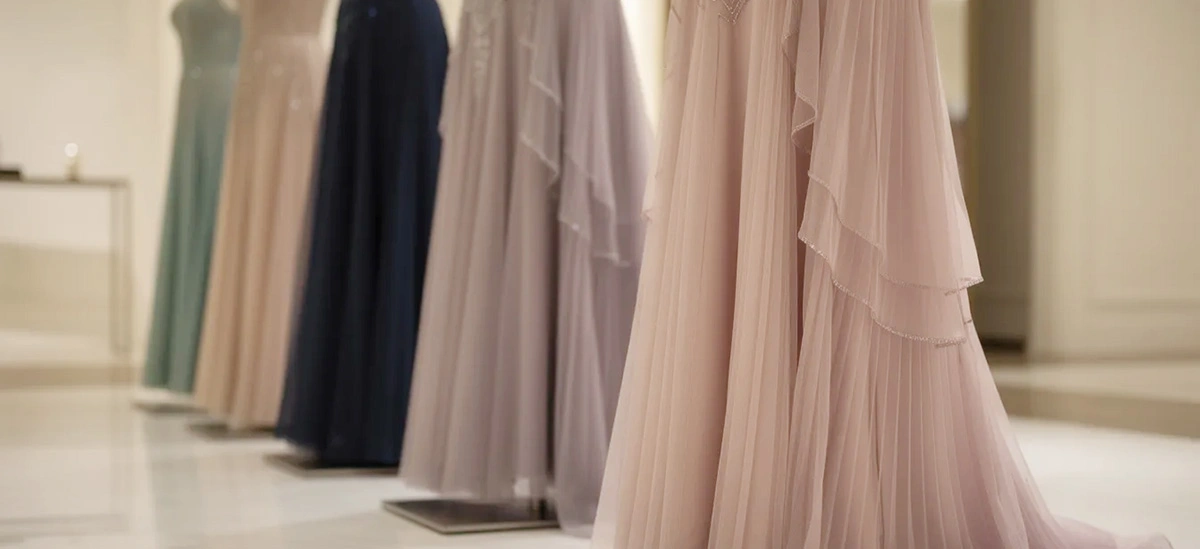
Evening wear and cocktail dresses
-
Wedding dresses and bridesmaids gowns
-
Maxi dresses and layered summer styles
-
Formal gowns with chiffon overlays over satin or mesh linings
Blouses and shirts: For optimal presentation and protection, explore shirt packing accessories designed specifically for blouses and shirts.
-
Lightweight tops and breezy blouses
-
Tie-neck blouses for office and occasion wear
-
Overlay details combined with stable fabrics at collars and cuffs
Modestwear and ethnicwear:
-
Sarees and dupattas (requiring wide-width fabric)
-
Abayas and kaftans
-
Prayer garments and modest fashion collections
-
Programs requiring consistent dye lots across large order quantities
Performance and stagewear:
-
Dance costumes and ballroom/Latin dresses
-
Ice skating costumes
-
Theatre and performance apparel where movement and light weight are functional requirements
Accessories:
-
Scarves, stoles, and shawls in high volumes
-
Fashion wraps using both solid-dyed and digitally printed chiffon
-
Seasonal accessory programs with ivory, black, and trend colours
Non-apparel applications:
-
Decorative curtains and event draping
-
Chair sashes and venue decoration
-
Some markets require FR (flame-retardant) treated chiffon for hospitality and event applications
Sustainability and Future Trends in Chiffon Fabrics
Environmental considerations increasingly influence sourcing decisions for chiffon and related textiles.
Lifecycle comparison by fiber type:
-
Virgin polyester chiffon is derived from petroleum, a non-renewable resource
-
Recycled polyester chiffon (rPET) reduces dependence on virgin feedstock
-
Silk chiffon uses natural silk fibres but requires intensive sericulture
-
Cellulosic-based options (viscose, rayon) offer different environmental trade-offs
Market demand trends: International brands increasingly request recycled polyester chiffon with traceability documentation and certifications such as GRS and OEKO-TEX. This trend is constantly updated as brand sustainability commitments evolve.
Process improvements: Modern production facilities implement low-liquor-ratio dyeing and energy-efficient finishing lines to reduce water, energy, and chemical consumption. These improvements benefit both environmental performance and production costs.
Transition support: MH can work with buyers on long-term programs to transition selected chiffon articles from conventional to recycled or more resource-efficient options where technically feasible and aligned with product requirements.
Working with MH for Chiffon and Garment Materials Sourcing
MH operates as a large-scale manufacturer and exporter of garment accessories, threads, and fabrics, including chiffon qualities for apparel and accessory production. With nine factories across three industry zones and partnerships with manufacturers globally, MH provides stable supply for bulk orders with reasonable pricing and quality assurance.


Advantages for B2B buyers:
-
Consolidate multiple material categories (chiffon fabrics, sewing thread, lace, ribbon, zippers, buttons, interlining) into fewer suppliers
-
Improve logistics efficiency and reduce coordination overhead
-
Maintain consistency across garment components for brand compliance
To support accurate recommendations, procurement teams should share:
-
Target GSM and composition requirements
-
Width and finishing specifications
-
End-use application (dress program, scarf line, performance wear, etc.)
-
Volume forecasts and delivery timelines
Long-term planning support: Seasonal color cards, forecasted volumes, and sampling schedules help ensure stable supply for brands and garment factories. Early planning supports better availability and pricing for high-volume programs.
For technical datasheets, sample swatches, and discussion of custom developments in chiffon and related garment materials, contact MH via email or online inquiry to connect with the technical and sales team.
