
Cotton Machine Embroidery Thread: A Complete Guide for Manufacturers
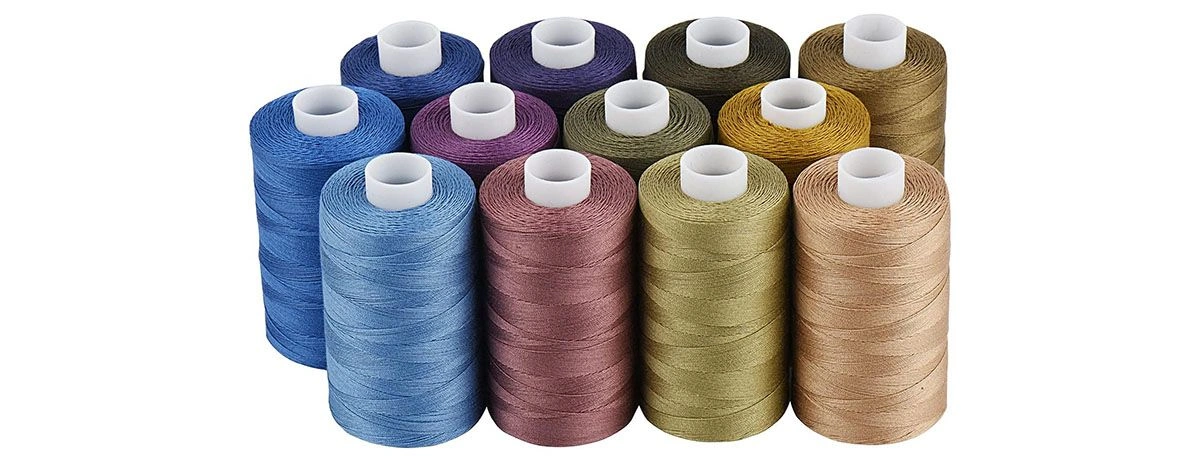
Cotton machine embroidery thread represents one of the most traditional and widely used materials in textile manufacturing. This natural fiber thread offers unique characteristics that make it particularly suitable for specific applications in garment production and decorative stitching.
Cotton machine embroidery threads are designed for optimal performance in specific manufacturing applications. Understanding the properties, advantages, and limitations of these threads enables manufacturers to make informed decisions about material selection for their production requirements. This guide examines the key aspects of cotton machine embroidery thread to help wholesale buyers and manufacturers optimize their thread selection process.
Advantages of Cotton Machine Embroidery Thread
Natural Fiber Benefits
Cotton threads provide inherent softness and breathability that synthetic alternatives cannot match. These properties make cotton embroidery thread ideal for garments that come into direct contact with skin, particularly children's clothing and intimate apparel.
The natural composition of cotton creates a comfortable feel against the skin while allowing air circulation. This breathability prevents moisture buildup and enhances wearer comfort, making it a preferred choice for high-quality garment manufacturing.
Color Properties and Vibrancy
High-quality cotton threads demonstrate excellent initial color vibrancy and are available in a wide range of colours, allowing manufacturers to select the perfect shade for any project. The natural fiber structure effectively accepts dyes, creating rich, saturated colors that enhance the visual appeal of embroidered designs.
Cotton’s ability to maintain color consistency across production runs makes it valuable for manufacturers requiring precise color matching across large orders.
Environmental Considerations
Cotton represents an eco-friendly option for manufacturers prioritizing sustainable production practices. As a biodegradable natural fiber, cotton threads align with environmental responsibility initiatives without compromising performance standards.
The renewable nature of cotton cultivation supports sustainable supply chain practices, making it attractive for manufacturers targeting environmentally conscious markets.
Limitations of Cotton Machine Embroidery Thread
Tensile Strength Considerations
Cotton embroidery thread is not as strong as synthetic alternatives like polyester or rayon, exhibiting lower tensile strength. This reduced strength can impact performance in high-stress applications or when using dense embroidery designs.
Manufacturers working with heavy fabrics or complex designs may need to adjust their approach when using cotton threads to prevent thread breakage during production.
Dimensional Stability Challenges
Cotton threads are susceptible to shrinkage when garments are washed, as they react to heat and moisture during washing and pressing processes. This characteristic requires careful consideration in garment construction and finishing procedures.
Pre-shrinking treatments and controlled processing conditions help minimize dimensional changes, but manufacturers must account for these factors in their production planning.
Long-term Color Stability
While cotton threads offer excellent initial color vibrancy, they may experience gradual fading with extended exposure to sunlight and repeated washing cycles. This limitation affects long-term color retention compared to synthetic alternatives.
Understanding these characteristics helps manufacturers set appropriate expectations and select cotton threads for applications where this limitation is acceptable.
Strategic Selection Considerations
Cotton machine embroidery thread offers distinct advantages for specific manufacturing applications while presenting certain limitations that require careful consideration. The natural properties of cotton threads make them particularly suitable for heritage projects, eco-conscious production, and applications requiring skin-friendly characteristics.
Manufacturers must balance these benefits against the reduced tensile strength and potential for dimensional changes when selecting cotton threads for their production requirements. Understanding these trade-offs enables informed decision-making that aligns with project specifications and quality standards.
MH, established in 1999 as a professional wholesale supplier of garment accessories and fabrics from China, offers reliable cotton machine embroidery thread and sewing thread solutions for manufacturers worldwide. Customers love the great quality and vibrant colors of MH's cotton machine embroidery thread, making it the perfect choice for a variety of projects. The thread colors and quality are as pictured, so buyers can shop and order with confidence, knowing they will receive exactly what they see. The company’s focus on consistent quality and long-term partnerships supports manufacturers in achieving their production goals with appropriate thread selection. Shop and order your cotton machine embroidery thread and sewing thread directly from MH for convenience and reliable delivery.


Troubleshooting Common Issues
Even with the best cotton machine embroidery thread and high-quality sewing machines, manufacturers can encounter a range of challenges during embroidery projects. Addressing these issues promptly ensures consistent results and minimizes production delays. Here are some practical troubleshooting tips to help you maintain excellent quality and efficiency in your embroidery operations:
-
Thread Breakage: Frequent thread breakage can disrupt production and affect stitch quality. To resolve this, check your machine’s tension settings—overly tight tension is a common culprit. Ensure you’re using the correct needle type and size for your chosen cotton threads and fabrics, as mismatched components can lead to unnecessary stress on the thread.
-
Tangling and Knots: Tangled threads or knots can slow down high-speed machine embroidery. Keep your thread spools or cones securely positioned, and avoid excessive tension when threading. Using a thread conditioner or a small amount of fabric softener can help reduce static and keep threads running smoothly.
-
Color Bleeding: Cotton threads are known for their beautiful colors, but color bleeding can occur, especially on new fabrics. Pre-wash your fabrics before starting embroidery projects to set the dyes and prevent unwanted color transfer. Color-catching sheets or a piece of muslin in the wash can help absorb excess dye and protect your designs.
-
Lint and Fuzz: Cotton threads naturally produce more lint than some synthetic options. To keep your embroidery projects looking clean and professional, regularly use a lint roller or a soft brush to remove loose fibers from both your fabrics and sewing machines. De-linting sprays can also help reduce static and keep your workspace tidy.
-
Machine Issues: If your sewing machine is producing inconsistent stitches or not running smoothly, inspect the threading path, thread take-up lever, and bobbin case. Proper threading and correct bobbin placement are essential for smooth operation, especially when using a variety of thread types and colors.
-
Thread Compatibility: Not all threads are suitable for every project or machine. When switching between cotton, polyester, or specialty threads, ensure you’re using the right thread for your application. Some threads may require adjustments to machine settings or the use of specialty needles, particularly for high-speed embroidery.
-
Fabric Compatibility: The choice of fabric can impact the final appearance and durability of your embroidery. Select fabrics that are suitable for your intended use, and pre-wash them to prevent shrinkage or distortion. This is especially important for patchwork, applique, and quilting projects where dimensional stability is key.
-
Needle Breakage: Frequent needle breakage can halt production and damage fabrics. This often results from using the wrong needle size or type for your thread and fabric. Experiment with different needles to find the best fit for your cotton threads and the specific requirements of your embroidery projects.
-
Thread Stock Management: Running out of thread mid-project can disrupt workflow and delay orders. Maintain a well-organized stock of your most-used threads, and consider purchasing in bulk to ensure you always have a variety of colors and types on hand. Many suppliers offer convenient sets or spools for easy restocking.
-
Machine Maintenance: Regular maintenance is essential for keeping your sewing machines in top condition. Clean your machines frequently to remove lint buildup, oil moving parts as recommended, and check tension settings regularly. Well-maintained machines produce more consistent results and extend the life of both your equipment and your threads.
By proactively addressing these common issues, manufacturers can ensure their embroidery thread—whether cotton, polyester, or specialty types—performs at its best. These troubleshooting strategies help you achieve vibrant, professional results across a wide variety of embroidery, quilting, patchwork, and applique projects, keeping your production running smoothly and your customers satisfied.
