
Cotton Polyester Blend Fabric Wholesale: A Buyer's Guide
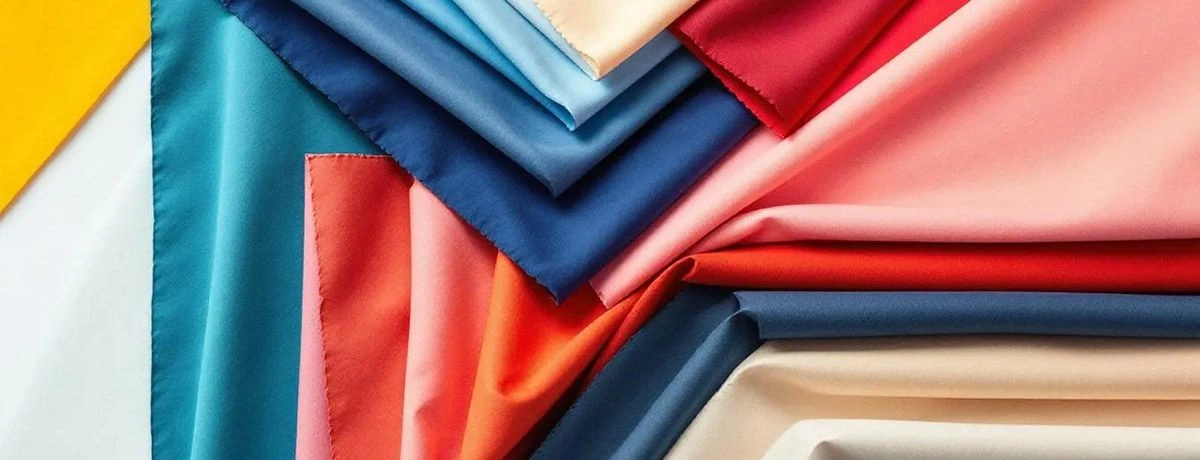
- Poly cotton blends combine cotton's breathability with polyester's strength; a 65/35 blend shrinks only ~2–3% vs up to 10% for 100% cotton.
- Global poly cotton sales, driven by workwear, uniforms and home textiles.
- Before any bulk order: request swatches, confirm GSM and blend ratio in writing, and check OEKO-TEX or GRS certificates.
What Is Cotton Polyester Blend Fabric?
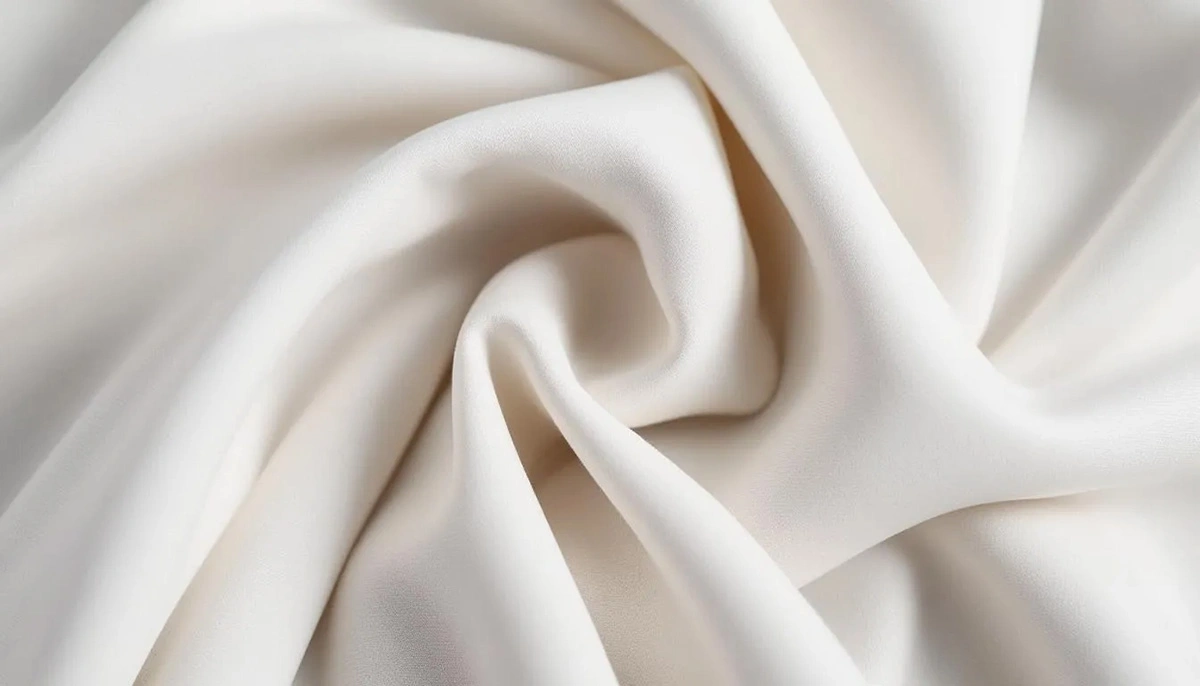
Cotton polyester blend fabric wholesale means buying poly cotton, TC, or CVC fabric in bulk for production use. These woven or knitted fabrics combine natural cotton and synthetic polyester fibers, most commonly in 65/35, 80/20, or 50/50 ratios, to create a versatile fabric that balances comfort, dimensional stability, durability, and a more affordable price than many 100% cotton options.
For garment manufacturers, uniform suppliers, workwear buyers, schoolwear producers, and home-textile sourcing teams, the right blend ratio affects performance, appearance, and cost at scale. This guide explains what cotton polyester blends are, how TC and CVC naming conventions work, which ratios suit different end uses, how they compare with pure cotton or polyester, what to check before placing a bulk order, and where these fabrics are commonly used when frequent laundering and consistent quality matter.
Two naming conventions matter when you talk to suppliers:
-
TC (tetron cotton): polyester is the majority fiber, e.g. 65% polyester / 35% cotton.
-
CVC (chief value cotton): cotton is the majority fiber, e.g. 60% cotton / 40% polyester.
Why Choose a Poly Cotton Blend Over 100% Cotton or Polyester?
The short answer: dimensional stability and cost.
In commercial laundering tests, a 65/35 poly cotton withstood 50+ industrial wash cycles at 60°C with less than 5% dimensional change, while 100% cotton can shrink 10% or more without pre-shrinking treatment. That's why hospitals, hotels and workwear brands rarely spec pure cotton. Blending the two is the industry's standard way to create a versatile, affordable option that stays soft, durable, and ideal for buyers who want balanced performance.
Most cotton-poly blends are machine washable, dry quickly, and are easy to care for, making poly cotton a perfect practical choice.
| Property | 100% Cotton | 65/35 Poly Cotton | 100% Polyester |
|---|---|---|---|
| Breathability | Excellent | Good | Fair |
| Shrinkage (typical) | 5–10%+ | 2–3% | <1% |
| Wrinkle resistance | Poor | Good | Excellent |
| Drying speed | Slow | ~40% faster than cotton | Fastest |
| Pilling / static | None | Slight | Noticeable |
| Relative price | High (crop-dependent) | Medium | Low (oil-dependent) |
Which Blend Ratio Should You Choose?
Match the ratio to the end use, not the price list. From our order data, 65/35 remains the default for uniforms and workwear because it balances hand feel against durability. The short answer: dimensional stability, cost, and a durable, easy-care option.
-
65% polyester / 35% cotton: the workhorse. School uniforms, workwear, chef wear, and everyday clothing. See our detailed guide to 65/35 poly cotton benefits and the TC twill fabric we run in this ratio.
-
80% polyester / 20% cotton: pocketing, linings, budget shirting, and foundation garments. Maximum crease resistance, lowest cost.
-
50/50: promotional T-shirts and bedding where softness matters but pure cotton shrinkage is unacceptable; it also works well for dresses and pants.
-
CVC 60/40: retail apparel and fashion uses that need a cotton-first hand feel with better washability, including shirts and skirts.
Poly cotton fabric is machine washable, dries quickly, and is easy to care for, which makes it ideal for frequently laundered uses.
Where does pure cotton still win? For next-to-skin comfort, especially in hot conditions, though cotton-richer blends can still offer a soft hand and are ideal for buyers who want balanced performance across many garments.
Also decide the weave early. Plain-weave TC fabric suits shirting and linings; twill adds abrasion resistance for trousers and workwear.
What Are the Best Wholesale Uses for Poly Cotton Fabric?
Match the ratio to the end use and the right clothing or garment category, not the price list. Blended poly cotton dominates the category, accounting for roughly two-thirds of segment revenue in 2025. The volume comes from four buyer groups:
-
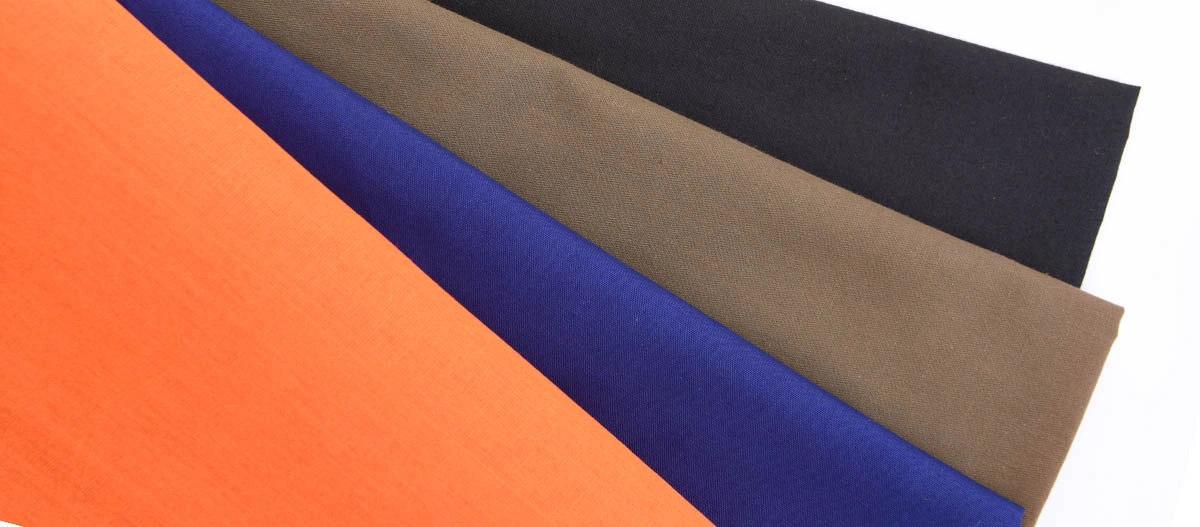
Workwear and uniforms: colorfastness through industrial laundering is the deciding spec. Browse our workwear fabric options, such as this 65/35 black twill. This versatile option also supports durable projects where repeat washing matters.
-
School uniforms: school uniform fabric needs to survive daily washing for a full school year. A 50/50 blend also works well for dresses where softness matters, and for practical crafts that need easy care.
-
Home decor and bedding: curtains, cushion covers and sheets benefit from reduced wrinkling; bulk buying keeps dye lots consistent across a whole project. It also suits home décor projects such as pillowcases, and consistent colors or patterns help when matching sets.
-
Shirting and casualwear: poplin and fine twill constructions. CVC 60/40 suits stylish fashion garments such as skirts, while quilting buyers may also choose the same category for lighter uses.
Choose plain weave or twill based on the end use, from shirting and linings to trousers, pants, and workwear.
Summary
Cotton polyester blend fabric earns its place as the wholesale default: a versatile option for sewing projects and crafts, with measurable durability gains over pure cotton and pricing that stays workable at uniform-program scale. Choose the ratio by end use (65/35 for workwear and uniforms, CVC for retail softness), lock specs and dye lots in writing, and verify with swatches plus certificates before the deposit. Discover a wide variety of options in colors and patterns, including styles suited to apparel, home décor projects, pillowcases, and quilting.
Ready to compare articles? Shop our TC fabric range, where material is sold with wholesale sourcing in mind, or request swatches via the contact page.


Frequently Asked Questions
Why choose a cotton polyester blend over 100% cotton or polyester?
Because it holds its shape and price. A 65/35 blend typically shrinks just 2–3% versus up to 10% for untreated cotton, resists wrinkles, and dries roughly 40% faster, while keeping more breathability than pure polyester. For uniforms and frequently washed items, it's the practical middle ground.
What blend ratio is best for workwear and uniforms?
65% polyester / 35% cotton in a twill weave is the industry standard for workwear, chef wear and school uniforms. It survives 50+ industrial washes at 60°C with under 5% dimensional change in lab tests, and costs less per meter than cotton-rich alternatives.
How do I check quality before ordering in bulk?
Request free swatches of the exact article number, wash-test one yourself for shrinkage and colorfastness, and ask for OEKO-TEX Standard 100 or GRS certificates. For a first order, add a third-party pre-shipment inspection (SGS or BV) before releasing the balance payment.
How should poly cotton fabric be washed and dried?
Wash in cold or warm water (max 40°C) with bleach-free detergent, tumble dry on low, and iron on a low synthetic setting. Avoid overloading the washer and chlorine bleach. Proper care keeps shrinkage within the fabric's rated 2–3% and prevents polyester glazing.
