
How to Choose Cotton Sewing Thread for Apparel and Home Textiles?
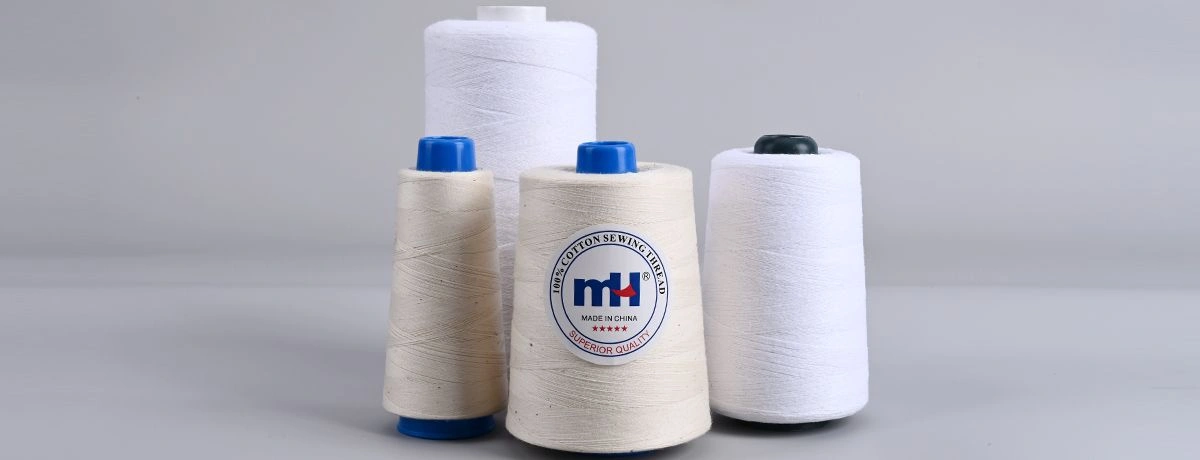
Cotton sewing thread remains one of the most trusted and widely used threads in the textile industry. It is considered the standard choice for both hand and machine sewing due to its reliable quality. Its natural softness, breathability, and smooth sewing performance make it the ideal choice for cotton garments, home textiles, and even craft projects. Cotton sewing thread is a general-purpose thread suitable for a wide range of sewing tasks. Whether you are working with lightweight shirts, baby clothing, or high-quality bedding, cotton sewing thread delivers a clean, natural finish that aligns perfectly with cotton fabrics.
In today’s manufacturing environment—where comfort, sustainability, and durability are more important than ever—cotton thread continues to stand out as a reliable solution for industrial machine sewing as well as home sewing applications. Cotton sewing thread is known for being long lasting and durable, contributing to the longevity of finished garments and textiles. Its durable nature ensures positive results in both home and industrial applications. The way you choose cotton sewing thread for different projects—by considering fabric type, intended use, and required strength—can greatly impact the durability and performance of your finished products. Find the right cotton sewing thread to meet your specific needs and achieve the best results in your sewing projects.
What Is Cotton Sewing Thread?
Cotton thread is produced from 100% natural cotton fibers. Its staple fiber structure provides excellent thread strength, smoothness, and balanced performance on any sewing machine. Because the fibers are natural and breathable, cotton sewing thread is especially suitable for sewing cotton fabric and other natural textiles.
There are two main types of cotton sewing thread commonly used today:
-
Mercerized cotton thread – stronger, smoother, and shinier due to the mercerization process
-
Non-mercerized cotton thread – soft, matte, and ideal for natural-looking seams
Each type serves as a specific purpose thread, designed for particular sewing applications to ensure the best results.
Both types offer reliable performance in machine sewing and hand stitching. You can add the appropriate cotton sewing thread to your project to ensure optimal performance and durability.
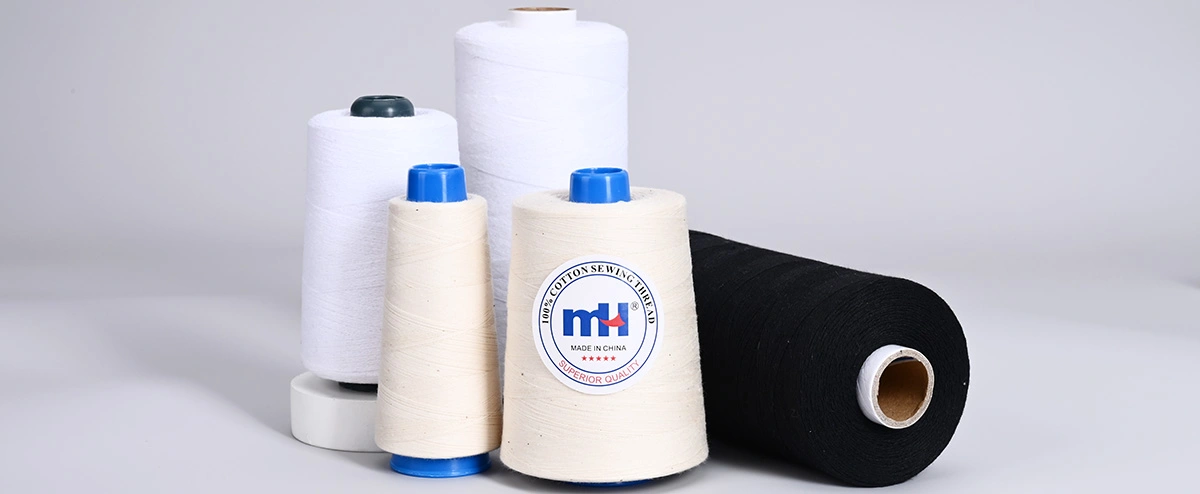
Why Cotton Sewing Thread Is Still in High Demand
1. Natural Softness and Skin-Friendly Properties
Cotton sewing thread is naturally soft, making it perfect for garments that stay close to the skin. This includes:
-
T-shirts and shirts
-
Underwear and lingerie
-
Baby clothing and kidswear
-
Sleepwear and loungewear
Because cotton is free from synthetic irritants, the resulting seams feel comfortable even after repeated wear and washing.
2. Excellent Breathability
The internal structure of cotton fibers allows air to pass through, making cotton sewing thread ideal for lightweight and breathable garments. When combined with cotton fabric, it creates seams and stitches that do not trap heat or moisture.
3. Smooth and Fabric-Friendly Sewing Performance
Cotton sewing thread produces smooth, even stitches when used on a sewing machine.
It glides through fabric without causing friction or damage, ensuring:
-
Clean, neat seams
-
Fewer thread breaks
-
Consistent sewing speed
Cotton sewing thread performs well under the stress of regular garment use, but may be less resistant to tear and stretch compared to some synthetic threads.
Whether used in quilting, embroidery, or industrial garment production, cotton thread maintains its structure beautifully.
4. High Heat Resistance
Cotton thread withstands high ironing and finishing temperatures. This is especially valuable in:
-
Shirt manufacturing
-
Home textile finishing
-
Hot pressing and garment shaping
The threads maintain their strength even after repeated washing, steaming, and ironing.
5. Eco-Friendly and Biodegradable
Unlike synthetic threads, cotton thread is biodegradable and environmentally friendly. Today’s markets—especially Europe and North America—favor natural, sustainable sewing materials. Cotton sewing thread fits perfectly into this trend.
Applications of Cotton Sewing Thread
1. Garment Manufacturing
Cotton sewing thread is commonly used for:
-
Shirts and blouses
-
Dresses and casualwear
-
Workwear
-
Babywear
-
Undergarments
Thicker cotton sewing thread is often used for workwear or heavy-duty garments to provide extra seam strength.
Because the thread blends seamlessly with cotton fabric, the stitches appear uniform and natural.
2. Home Textiles
It is also ideal for:
-
Bedsheets and pillowcases
-
Duvet covers
-
Towels and bathrobes
-
Curtains
-
Kitchen textiles
The natural matte finish of cotton thread enhances the look of home textile products.
3. Quilting and Embroidery
Many crafters and quilting professionals prefer cotton sewing thread for:
-
Patchwork
-
Quilting stitches
-
Decorative seams
-
Hand and machine embroidery
For example, many quilters choose Gutermann cotton thread for its quality and reliability in quilting and embroidery projects.
Its natural feel and stable performance make it easy to control on both household and industrial sewing machines.
How to Choose the Right Cotton Sewing Thread
1. Thread Size (Tex / Ticket Number)
The thickness of your thread should match your fabric:
-
Thick cotton thread → canvas, denim, upholstery
-
Medium cotton thread → shirts, dresses
-
Fine cotton thread → babywear, lightweight fabrics
Using the right size ensures strong seams without puckering.
2. Evaluate Thread Strength
Thread strength is crucial for industrial sewing. A strong cotton sewing thread reduces the risk of breakage and allows steady, uninterrupted machine sewing. Always check strength ratings when purchasing.
3. Mercerized vs. Non-Mercerized
-
Mercerized thread → smoother, stronger, shinier
-
Non-mercerized → soft, matte, natural look
Choose based on your production style and fabric texture.
4. Consider Color Fastness
For towels, bedding, or kids’ garments, choose cotton thread with high dye fastness to prevent fading after frequent washing.
5. Spool Size
Industrial sewing requires large spool options to minimize machine downtime. MH offers various spool sizes to match factory demands. MH keeps a wide range of spool sizes in stock to ensure quick delivery for industrial customers.
Why Global Manufacturers Choose MH Cotton Sewing Thread
MH is recognized as a leading supplier of garment accessories, trusted by factories in over 150 countries.
Our cotton sewing thread features:
-
High-quality long-staple cotton
-
Consistent thread strength and smoothness
-
Excellent color fastness
-
Uniform winding for steady machine sewing
-
Multiple spool sizes for industrial production
-
Hundreds of color options
-
Reliable supply capacity for large orders
From garment workshops to large-scale textile factories, MH provides threads that deliver stable, professional sewing performance.


Conclusion
Cotton sewing thread remains one of the most essential threads for sewing cotton garments, home textiles, quilts, and embroidered pieces. Its natural softness, breathability, heat resistance, and smooth sewing performance make it a favorite among manufacturers and craft professionals worldwide.
If you are looking for high-quality cotton thread with consistent performance for your sewing machine or industrial production line, MH offers a full range of cotton sewing thread suitable for every application.
Contact us to request samples, color cards, or a detailed quotation.
