
How Is Double Fold Bias Tape Used in Garment and Textile Manufacturing?
Key Takeaways
-
MH supplies double fold bias tape in bulk for garment factories, uniform makers, lingerie producers, and textile wholesalers—not for DIY or retail applications.
-
Main materials include polyester (for durability), cotton (for breathability), and satin (for decorative finishing), available in standard widths from 10mm to 25mm with stable color consistency across large production runs.
-
OEM and customization options cover custom Pantone colors, special folding styles, customized packing, and private label programs for global distributors.
-
MH maintains strong export capacity to Africa, the Middle East, Latin America, Southeast Asia, and Eastern Europe, supporting long-term, high-volume supply with competitive factory pricing.
-
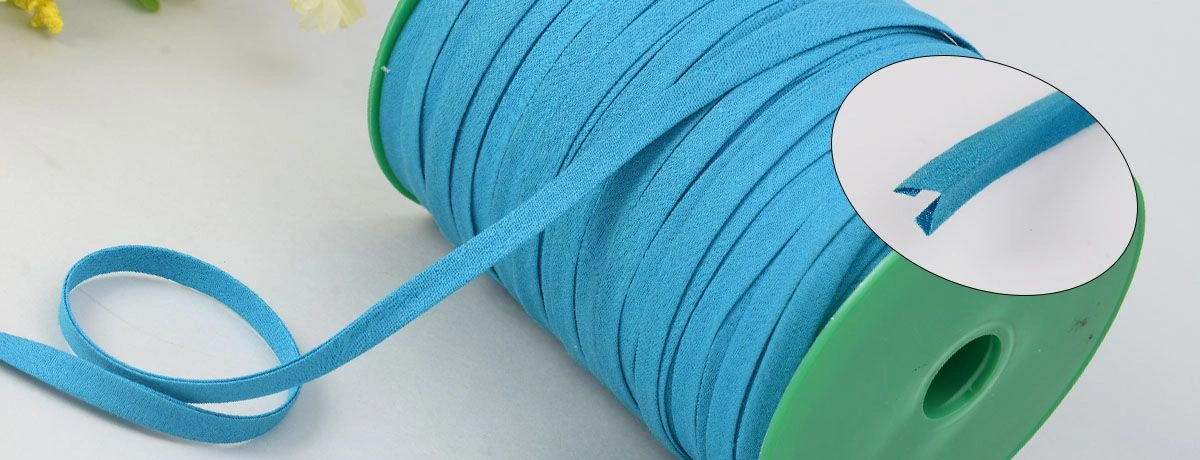
Pre-folded, industrial-grade tape eliminates the need for factories to cut and fold their own bias tape, reducing labor costs and fabric waste in mass production. Double fold bias tape is made by cutting fabric on the bias and folding it into quarters. The finished width of double fold bias tape is typically about half the width of the original strip.
What Is Double Fold Bias Tape in Industrial Garment Production?
In professional garment manufacturing, double fold bias tape refers to bias-cut fabric strips that have been pre-folded twice to create four layers at the folded edge, delivering clean, durable bindings ready for high-speed sewing operations. Double fold bias tape is a strip of fabric that is folded in half and then folded again, creating a finished edge. It is commonly used to finish edges, providing a neat and professional look, and is often preferred for projects where the tape will be visible, as it provides a cleaner finish. Double-fold bias tape provides a clean, professional finish on visible edges such as necklines, armholes, and hems. It can also be used to create functional casings for drawstrings and elastic. Unlike the bias tape maker tools used in home sewing projects, industrial-grade tape arrives ready to attach bias tape directly to raw seams and edges without additional preparation, making it essential for clothing factories and home-textile workshops operating at scale. You can find double fold bias tape at most stores that sell sewing supplies, including Walmart and JoAnn's.
Understanding the difference between single fold bias tape and double fold matters from a production-use perspective:
-
Double fold bias tape is designed for edge binding applications—finishing necklines, armholes, quilt borders, and blanket edges where a clean, enclosed finish is required. For example, finishing a neckline or armhole with double fold bias tape ensures a professional appearance.
-
Single fold bias tape features only one fold per edge and is more commonly used for internal facing, seam binding within garment construction, or decorative insertions where the tape won’t be visible from the outside.
-
The double fold structure fully encases the raw edge of fabric, extending seam life by 25-40% compared to exposed edge treatments according to American Sewing Guild evaluations. Finishing seams in the same way throughout a project ensures a cohesive look.
Key production uses for double fold bias tape include:
-
Binding seams in uniforms, workwear, and corporate garments
-
Finishing lingerie and underwear leg openings with soft, comfortable edges
-
Edging quilt and bedspread borders for home textile production
-
Trimming children’s wear and baby items where durability and safety matter
-
Finishing aprons, tablecloths, and kitchen textiles for hospitality supply
The diagonal fabric cut at a 45-degree angle gives the tape its characteristic stretch—approximately 20-30% more flexibility than straight edge cuts. Double fold bias tape is cut on the bias, allowing it to curve around edges without puckering. This allows tape to contour smoothly over curved edges like necklines, armholes, and princess seams while maintaining stability under factory sewing speeds of up to 5,000 stitches per minute.
To make double fold bias tape, first fold the bias strip in half and press, then fold the raw edges into the middle and press again. When using a bias tape maker, pull the bias strip steadily through the tool to create even folds, then press as you go. As mentioned earlier, pressing the folds is crucial for a crisp, professional result.
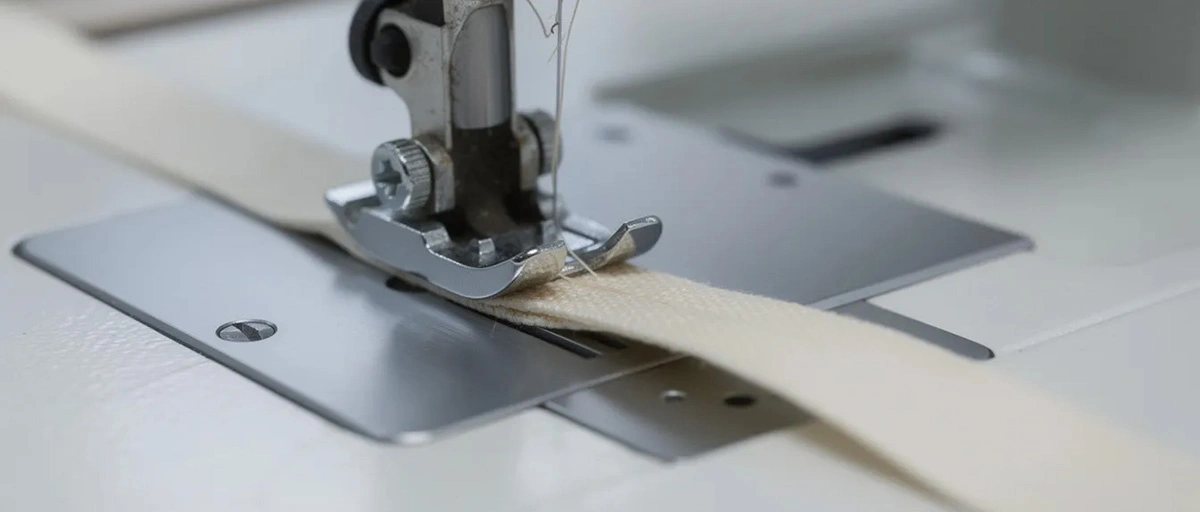
To attach double fold bias tape, place the right side of the tape to the wrong side of the fabric and sew along the fold line. When sewing double fold bias tape around curves, it is important to pin the tape and ease it into the curve little by little. It is possible to attach bias tape in one pass, but sewing it in two passes gives more control over the finished look.
Materials, Widths, and Folding Styles Offered by MH
MH offers double fold bias tape in a range of materials, widths, and folding styles designed to meet the diverse requirements of garment and textile manufacturers worldwide. For example, the finished width of double fold bias tape is typically about half the width of the original strip, as it is folded in half and then pressed again to create precise edges. In contrast, single fold bias tape is a long strip of fabric with both ends already folded under, ready for use, and is often used for projects that do not require the tape to be applied to the edge of the product. Each specification is engineered for compatibility with industrial sewing machine operations and mass production environments.
Base Materials
-
100% Polyester Double Fold Bias Tape — Ideal for uniforms, workwear, and everyday garments where colorfastness and abrasion resistance are critical. Polyester tape offers 10-15% higher tensile strength than cotton alternatives and maintains its shape through repeated industrial laundering with shrinkage rates below 1%.
-
100% Cotton Double Fold Bias Tape — Suitable for breathable children’s wear, casual apparel, and quilt/home textile factories. Cotton provides a soft hand-feel preferred for items that contact skin directly, though buyers should account for 3-5% shrinkage and may prefer to test wash samples before committing to bulk orders.
-
Satin and Poly-Satin Double Fold Bias Tape — Designed for lingerie, nightwear, bridal garments, and decorative edging in higher-value products. Satin tape provides a luxurious sheen that elevates product appearance, though it comes at approximately 20% higher cost than standard polyester.
Standard Widths
Typical finished widths commonly ordered in bulk include:
-
10mm (~3/8”) — Fine garment details, lingerie
-
12mm — Lightweight blouses, children’s wear
-
15mm (~5/8”) — General garment binding
-
18mm — Medium-weight fabrics, casual wear
-
20mm (~3/4”) — Uniforms, workwear
-
25mm and 30mm — Quilts, blankets, padded garments
MH can produce tape at your desired width to match existing folders or binding attachments in your factory.
Folding Styles and Construction
-
Standard double fold (four-layer edge) for general garment and quilt edge binding where durability and clean finish are paramount
-
Extra-narrow double fold for lingerie and elastic-edge finishing where bulk must be minimized
-
Soft-finish folding with lighter pressing for flexible, drapey garments that require movement
-
Firm-finish folding for structured uniforms and workwear where crisp edges are preferred
MH maintains precise width tolerance and stable fold symmetry so tape runs smoothly through automatic folders and industrial machines without twisting or bunching. The slight asymmetry in fold design—with one side approximately 1/32 inch narrower—ensures the needle captures both layers during two-pass sewing methods common in factories.
Technical data including material composition, width tolerance, shrinkage specifications, and color fastness grades can be provided for bulk orders or OEM programs upon request.
Why Garment and Textile Factories Choose Double Fold Bias Tape from MH
Purchasing managers and sourcing teams evaluating bias tape suppliers need more than competitive pricing—they need a partner who understands the operational demands of mass production. Here’s why factories across multiple regions choose MH as their primary supplier.
Productivity Gains
Pre-folded, consistent-width bias tape allows factories to increase sewing line efficiency and reduce operator handling time. Instead of cutting bias strips from fabric, pressing each fold flat with an iron, and preparing tape in-house, production lines receive tape ready to lay directly onto garment edges and stitch in place.
Industry data suggests that ready-made bias binding reduces application time by 30-50% compared to Hong Kong finishes or manual binding preparation—translating directly to labor cost savings on high-volume orders.
Cost Advantages
Bulk purchasing from MH delivers:
-
Factory-direct pricing 20-30% below retail distributors
-
Shipment in large cartons or pallets optimized for container loading
-
Consolidated shipping with other textile trims (zippers, elastic, ribbons, lace) for cost-effective importing
These advantages particularly benefit importers in Africa, the Middle East, Latin America, Southeast Asia, and Eastern Europe who manage logistics costs carefully.
Quality Stability
Even folding, low fraying, and clean edges reduce common production problems:
-
Fewer needle breaks from uneven tape thickness
-
Reduced skipped stitches from inconsistent fold symmetry
-
Fewer line interruptions on high-speed industrial machines
Manufacturing data shows that quality bias tape reduces defects in seam finishing by 15-20%, as the bias stretch allows tape to self-adjust around curves without additional easing stitches.
Application Range
MH’s bias tape serves diverse manufacturing contexts:
-
Ready-made garment factories producing T-shirts, blouses, dresses, and uniforms
-
Lingerie and underwear manufacturers requiring soft, fine edge finishing
-
Quilt and bedding factories for edging duvets, bedspreads, mattress protectors
-
Textile accessory wholesalers and haberdashery distributors supplying regional markets
MH’s long export history includes working with importers and wholesalers who re-distribute tape to local garment clusters, ensuring continuity of supply season after season. This makes sense for buyers who need reliable stock without production interruptions.
How to Select the Right Double Fold Bias Tape for Your Production Lines
Matching tape specifications to your product lines requires understanding both your sewing projects and your end-product requirements. Here’s guidance for sourcing managers and technical teams.
Polyester Double Fold Bias Tape
Recommended for:
-
School uniforms, corporate wear, and industrial workwear requiring high durability
-
Products subject to frequent washing and industrial laundering
-
Medium- to high-speed production lines where smooth feeding matters
-
Garments where wrinkle resistance and shape retention are priorities
Cotton Double Fold Bias Tape
Suitable for:
-
Babywear, children’s garments, and light casual wear prioritizing comfort
-
Products where breathability and soft hand-feel are important
-
Quilts, duvet covers, and cushion edges where natural fiber character is preferred
-
Items marketed as natural or eco-conscious products
Satin or Shiny Tape
Ideal for:
-
Lingerie, nightwear, and bridal garments requiring elegant edges
-
Gift items, premium robes, and ceremonial garments
-
Products where decorative finishing adds perceived value
-
Right side visibility where sheen enhances appearance
Width Selection Guidelines
|
Recommended Width | |
|---|---|
|
Lightweight wovens, knits |
10-12mm |
|
Medium-weight garments |
15-18mm |
|
Uniforms, workwear |
18-20mm |
|
Quilts, padded jackets, blankets |
25-30mm |
Consider fabric thickness and function: narrower widths work for light materials where bulk would be visible, while wider widths provide better coverage for multilayer quilting or padded garments.
Factories should send sample garments, existing bias tape samples, or technical drawings so MH’s team can recommend best-matching specifications before confirming a bulk order. This bit of upfront communication prevents ordering wrong specifications and ensures tape performance matches expectations.
FAQ – Double Fold Bias Tape Wholesale
Q1: Can MH provide samples of double fold bias tape before we place a bulk order?
MH can provide material and color samples or short trial lengths so buyers can test sewing performance, width accuracy, and handle characteristics on their own machines before confirming large quantities. This allows factories to verify compatibility with their binding attachments, check how tape behaves around curves, and confirm color accuracy against existing thread and fabric. Shipping costs or a small sample charge may apply depending on the request scope and destination.
Q2: What is the usual lead time for bulk production?
Standard items in common colors may be shipped faster from existing production—sometimes within one to two weeks for ready stock. Custom colors and special specifications typically require three to four weeks for dyeing, production, and packing. For pattern-matching or complex OEM requirements, allow additional time for lab-dip approval. Buyers should check lead time when giving forecasts for seasonal programs and communicate deadlines early to avoid production conflicts.
Q3: Are MH’s double fold bias tapes compatible with automatic binding attachments?
Width tolerance and folding symmetry are controlled so tape works smoothly with common industrial folders and binding attachments. However, machinery varies between manufacturers, so buyers should share their required finished width, folder specifications, and equipment brand to ensure perfect matching. MH can adjust width or fold style to pin precisely to your equipment requirements.
Q4: Can we order mixed widths and colors in one shipment?
MH often consolidates different widths, colors, and even different trim items (including single or double fold options) in one shipment for importers and wholesalers, as long as each specification meets its MOQ. This helps buyers reduce freight cost per meter and simplifies customs clearance for multi-item orders. Discuss your complete requirements when requesting quotations.
Q5: Does MH support long-term supply programs for repeating garment styles?
MH welcomes long-term cooperation and can arrange stable supply schedules, reserve key colors and materials, and plan capacity in advance for brands and factories that repeat the same styles over multiple seasons or years. This security of supply helps avoid disruptions and price volatility. Share your annual volume forecasts and production calendar so MH can allocate resources accordingly and provide priority scheduling for loyal partners.
If you have any further questions about double fold bias tape or the wholesale process, please leave your comments below. We welcome your feedback and are happy to address your questions in the comments section.
Whether you’re sourcing bias tape for uniform production, lingerie manufacturing, quilts, or textile distribution, MH’s double fold bias tape delivers the consistency, quality, and competitive pricing your operations require. With production capacity exceeding one million meters monthly and export experience spanning four continents, MH is positioned to support your bulk needs from post-order through delivery.
Contact MH to discuss your specifications, request samples, and discover how reliable wholesale bias tape supply can streamline your production lines and reduce your per-unit costs.