
How Do B2B Buyers Source Elastic Ropes for Garment Use?
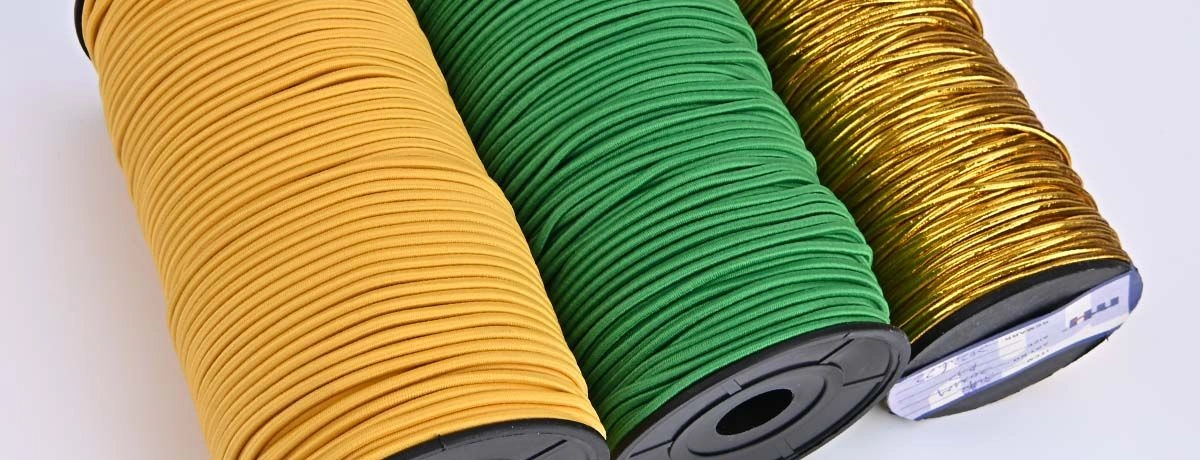
Elastic ropes provide essential flexibility and strength for countless manufacturing and industrial applications. Elastic ropes are widely used for camping, fishing, and hiking trips, as well as for securing objects such as tarps, tents, or items in the bed of a truck. From garment production to heavy-duty cargo management, sourcing the correct cordage is vital for product integrity.
This guide outlines the primary differences between bungee, shock, and elastic cords. It also covers material selection, construction types, and procurement strategies to help professional buyers and factory owners optimize their supply chains. It is important to compare multiple elastic cord companies and review their profiles and capabilities before making a procurement decision.
Why Choose Elastic Ropes
Manufacturers specify elastic ropes for their unique combination of stretch, durability, and versatility. Unlike fixed ropes, which maintain a static length, elastic variants absorb shock and maintain tension under fluctuating loads. Elastic ropes can stretch up to 100% of their original length, acting as a buffer that converts sudden impacts into manageable energy and reducing peak impact forces by up to 60% compared to static ropes.
Common industries relying on these materials include apparel manufacturing, automotive logistics, marine equipment, and outdoor gear production, especially in garments that depend on stretch woven fabric for suits and activewear. Elastic ropes are commonly used for camping, fishing, and hiking trips, including securing tents and other equipment.
When a product or application requires dynamic tensioning—such as securing heavy tarps or gathering fabric in activewear—elastic ropes provide reliable, long-lasting performance. The elasticity of these ropes prevents items from shifting and colliding during transport, decreasing transit damage rates by up to 15%.
Applications by Rope Type
Different production lines require specific tensioning materials. Elastic cords are commonly used to tie down tarps, tents, or objects in the bed of a truck for secure transport. Understanding these distinctions helps wholesalers and factory owners procure the correct components.
Bungee Cord Uses
Bungee cords are engineered for heavy-duty applications. They are frequently used to secure objects in the bed of a truck, tie down tarps, and fasten tents during transport or outdoor activities. Manufacturers integrate them into cargo tie-down systems, commercial tarp fasteners, and heavy automotive netting. In the recreational sector, sporting goods factories utilize bungee materials to assemble trampolines and secure camping equipment.
Shock Cord Uses
Shock cords excel in environments requiring consistent tension and shock absorption. Shock cords are often made with a rubber core and a polyester cover, providing abrasion and UV resistance, which is especially important for securing tents and awnings in outdoor environments. Tent and awning manufacturers rely on them to connect structural poles. The marine and outdoor gear industries also utilize shock cords for custom rigging and equipment retention systems.
Elastic Cord Uses
Elastic cords are typically smaller in diameter and serve the apparel and light manufacturing sectors. Garment factory owners use them extensively in waistbands, outerwear hems, athletic apparel, and decorative finishes that often rely on 150D/2 rayon thread for embroidery. They are also standard components in bulk crafting supplies and small hardware assemblies.
Types and Construction
The structural design of an elastic rope determines its performance capabilities on the assembly line and in the final product. As with 100% spun polyester sewing thread for industrial stitching, elastic cords are produced using specialized tools called 'muppets', which help maintain latex stability and guide yarns during the braiding process.
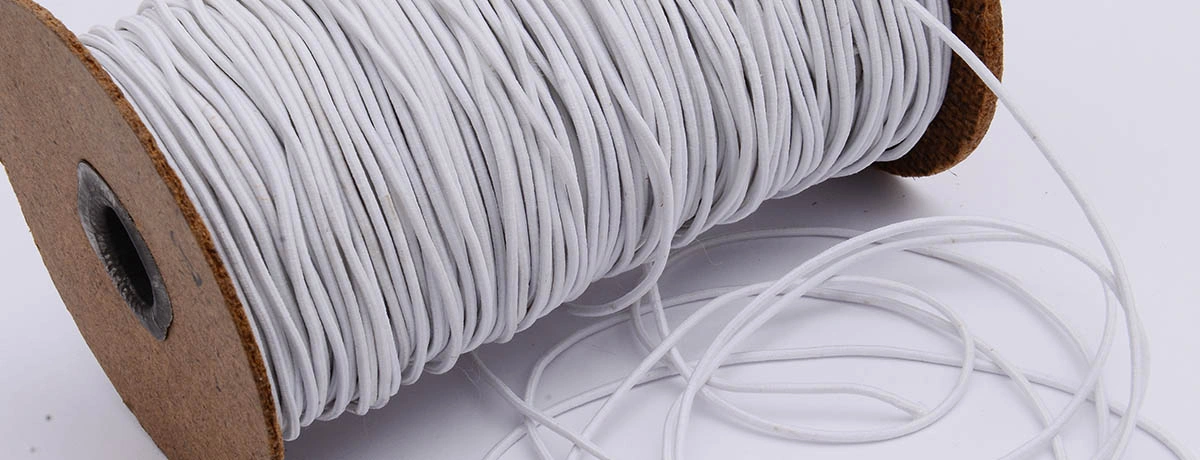
There are three main construction types: braided, knitted, and woven. Braided elastic ropes are made by intertwining yarns in a crisscross pattern, providing flexibility and strength. Knitted elastic ropes are created by interlocking loops of yarn, resulting in a softer and more stretchable product. Woven elastic ropes are constructed by weaving yarns together, offering a firmer and less stretchable option, similar to how 40/2 polyester sewing thread constructions balance strength and flexibility.
Latex is used in the manufacturing process to keep the elastic stable and properly positioned during braiding.
When stretched, braided elastic cord tends to thin out and can lose its flexibility if sewn.
Bungee Cord Types
Bungee cords generally come in round and flat variants. Round bungees are traditional and versatile, while flat bungees distribute pressure evenly over a wider surface area to prevent damage to cargo. Both types feature a multi-strand elastic core protected by a durable woven sheath. The nylon jacket provides resistance against rot and UV fade, ensuring long-term durability. The core of a polyester cord cable is elastic, contributing to the cord's flexibility and performance, which differentiates these products from non-elastic options like durable plastic packing rope for industrial bundling.
Shock Cord Varieties
Shock cords typically utilize a multi-strand core, though single-strand options exist for lighter applications. Buyers must specify the required diameter and strand count, as these factors directly dictate the cord’s load-bearing capacity and stretch limit.
Elastic Cord Styles
Elastic cords are available in braided, woven, and stretch-floss styles. Braided cords offer a smooth, durable finish suitable for visible applications like jacket drawstrings, where reliable fasteners such as custom zippers for garments and outdoor gear are also critical. Woven cords are generally flat and ideal for concealed finishes, such as internal waistbands in garment manufacturing.
Materials and Core Options
The core material drives the rope’s elasticity, while the sheath protects it from environmental degradation. Latex is commonly used in the core to provide elasticity and stability during the manufacturing process, ensuring the elastic remains properly positioned during braiding. Natural rubber cores offer excellent stretch and recovery, making them highly effective for general use. Synthetic rubber cores provide superior resistance to chemicals and temperature fluctuations.
For the protective sheath, nylon offers exceptional abrasion resistance and strength. Polyester is highly resistant to UV rays and water, making it the preferred choice for marine and outdoor manufacturing. Elastic cords have varying degrees of resistance to elements like UV light and abrasion, depending on the materials used.
How to Choose the Right Elastic Rope
Selecting the appropriate material requires matching the cord’s specifications to the intended manufacturing load. Prices for shock cords vary based on size and length, with options available for budget-conscious buyers. Buyers should strictly evaluate the stretch percentage and recovery specifications to ensure the cord will not deform over time.
For outdoor products, UV-resistant polyester sheaths are essential to prevent rapid degradation, much like the protective constructions used in waterproof Oxford fabric for bags and covers. Finally, manufacturers should determine the required length and end-fit options—such as industrial hooks or heat-sealed ends—to streamline their assembly processes. It is important to compare multiple suppliers and review their company profiles and capabilities before making a final procurement decision.
FAQs and Troubleshooting
How do you test elasticity and recovery?
Quality control teams test elasticity by stretching the cord to its maximum safe extension and measuring the time it takes to return to its original length. A high-quality industrial cord will recover its exact resting length without sagging.
How do you safely splice or knot elastic ropes?
For industrial manufacturing, heat-sealing the ends prevents the sheath from fraying. When mechanical fastening is required, factories utilize specialized hog rings or industrial crimps rather than traditional knots, which can slip under high tension.
Partnering with MH for Global Procurement
MH is a leading global provider of garment accessories and tailoring materials, offering extensive supply chain reliability for large-scale production. Operating exclusively as a Make-to-Order (MTO) supplier, MH does not keep ready stock. This ensures every batch of elastic rope, as well as complementary textiles like wholesale chiffon fabric for fashion manufacturing, is manufactured to your exact specifications, diameter, and stretch requirements.
With robust global export expertise—particularly across Latin America—MH provides wholesalers and factory owners with unparalleled industrial quality. From navigating regional certifications to managing high-volume international shipments, MH empowers businesses to optimize their operations and secure long-term partnership value.
Contact MH today to discuss custom manufacturing capacities for your next procurement cycle.