
How Do Different Types of Elastic Webbing Perform in Industrial and Apparel Applications?
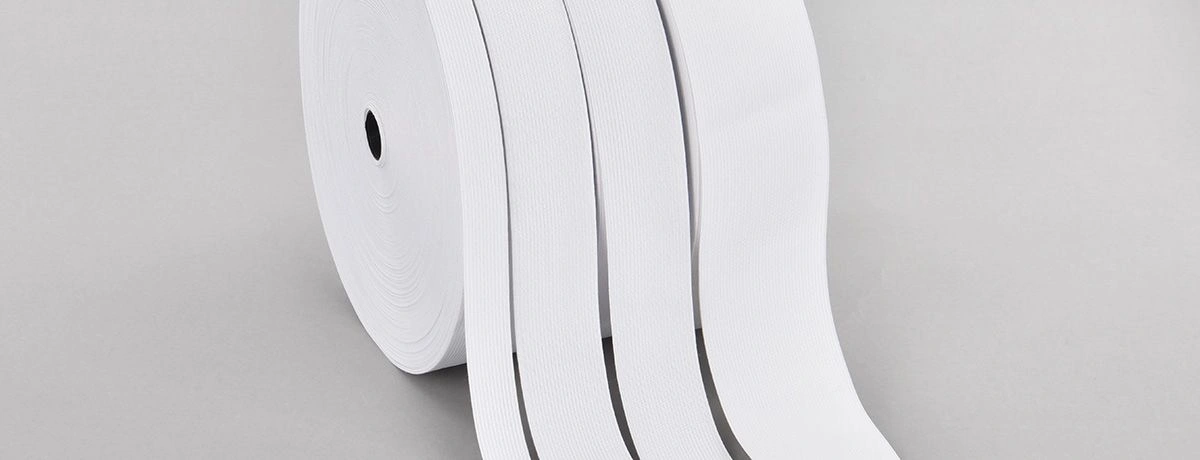
Elastic webbing is a fundamental component in textile manufacturing, providing essential flexibility, durability, and support across a vast array of industrial and consumer applications. There are three main types of elastic webbing: woven, knitted, and braided, each available in a variety of constructions to suit different needs. For garment factories, medical equipment manufacturers, and outdoor gear producers, selecting the correct type of elastic webbing is critical for product performance.
Elastic webbing is used in a variety of applications, including apparel, furniture, medical equipment, industrial safety, military gear, sporting goods, and the automotive industry. It is made from a variety of materials such as polyester, cotton, and rayon, offering options to meet diverse requirements.
MH, a leading integrated industrial and trade company, specializes in the mass production and supply of high-quality textile accessories. This guide outlines the key characteristics, applications, and procurement considerations for elastic webbing to assist professional buyers in making informed sourcing decisions.
Understanding Woven Elastic Webbing Varieties
Elastic webbing differs significantly from rigid webbing due to the integration of elastomeric cores—typically rubber or synthetic spandex—woven into the textile structure. This construction allows the material to stretch and recover, making it indispensable for applications requiring tension, adjustability, and comfort.
Construction Types
The performance of elastic webbing is largely determined by its construction method. Procurement managers should select the weave type based on the intended end-use:
-
Woven Elastic: Known for its high strength and durability. It retains its width when stretched, making it ideal for heavy-duty applications.
-
Knitted Elastic: Softer and more flexible than woven varieties. It is breathable and comfortable against the skin, commonly used in lightweight garments.
-
Braided Elastic: Features a distinct texture and high durability. It is often used in casings or applications where the elastic is subjected to significant stress.
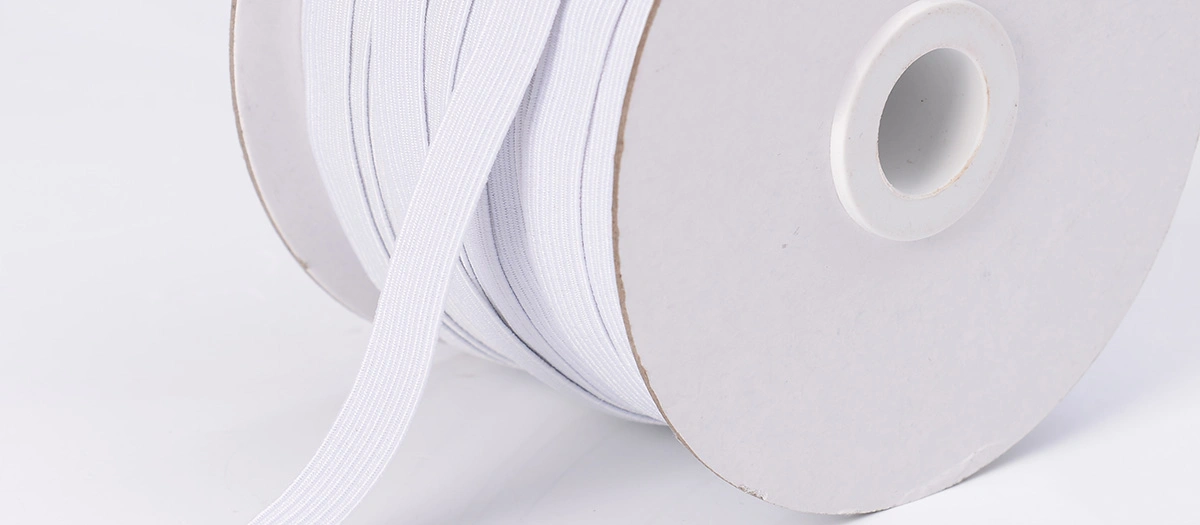
Material Composition
The outer fibers of the webbing dictate its tactile properties, aesthetic appeal, and resistance to environmental factors:
-
Polyester: The most common choice for industrial applications due to its high strength, resistance to UV degradation, and colorfastness.
-
Cotton: Preferred for medical and skin-contact applications due to its hypoallergenic properties and softness.
-
Rayon: Offers a smooth, lustrous finish, often selected for decorative or apparel applications where aesthetics are a priority.
Industrial Applications and Performance Benefits
Elastic webbing is utilized across diverse sectors, each requiring specific performance metrics.
It serves as a flexible foundation for chairs and sofas, replacing traditional metal springs. Elastic webbing can absorb shock, making it ideal for energy-absorbing applications such as straps and harnesses. Its lightweight nature adds minimal weight to outdoor equipment, optimizing the load for users. Whether you need a specific size, color, or style, elastic webbing can be tailored to fit the unique requirements of your project.
Garment and Apparel Manufacturing
In the apparel industry, elastic webbing is critical for fit and function. It is extensively used in waistbands, suspenders, belts, clothing, and cuff closures. Cotton elastic webbing can be used for a variety of different applications including clothing, baggage straps, and suspenders. The material provides necessary stretch for wearer comfort while maintaining the garment’s shape over time. Elastic webbing is available in a range of sizes, such as ¾ inch, 1 inch, 1 ¼ inches, 1 ½ inches, and 2 inches, to suit different apparel manufacturing needs. Custom weaving techniques, such as herringbone or pebble weaves, can be employed to enhance the visual texture of the finished product.
Medical and Orthopedic Support
Medical applications demand high-performance elastic webbing that delivers consistent compression and stability. It is a primary material in orthopedic braces, compression bandages, and surgical recovery garments. MH supplies elastic webbing that meets the rigorous standards required for medical textiles, ensuring reliability and patient safety.
Outdoor and Tactical Equipment
For manufacturers of backpacks, tents, and tactical gear, elastic webbing must withstand harsh environmental conditions. Nylon elastic webbing, known for its high strength and elasticity, is ideal for flexibility and heavy-duty performance in outdoor and tactical equipment. In these applications, elastic webbing provides flexibility, durability, and lightweight properties, allowing it to conform to the body and securely hold equipment. Polyester-based elastic is often specified for these applications due to its water resistance and abrasion resistance. Nylon webbing that meets military specifications is often referred to as 'mil' spec, and is commonly available in color options such as black for tactical and outdoor applications. It secures loads, creates adjustable straps, and ensures gear remains functional in the field.
Customization and Manufacturing Capabilities
MH operates on a make-to-order model, offering extensive customization to meet specific B2B requirements. Unlike retail suppliers with limited off-the-shelf stock, MH facilitates large-scale production runs tailored to exact specifications.
National Webbing Products offers elastic webbing in many different colors, patterns, textures, and weaves. They can also manufacture elastic webbing to order in any width, texture, or color, ensuring you find the right product or customization for your needs. Once your order is placed, your elastic webbing will be ready for shipping or delivery within the specified timeframe.
Tailored Specifications
Procurement managers can specify:
-
Width and Thickness: Ranging from narrow tapes for lingerie to wide heavy-duty bands for industrial use.
-
Elongation and Recovery: Custom tension levels to suit the application’s mechanical requirements.
-
Aesthetics: Custom dyeing to specific color codes and the integration of jacquard patterns or logos directly into the weave for branding.
-
Sales Options: Elastic webbing can be sold by the foot or in bulk rolls, and bulk orders may qualify for discounted pricing.
Volume and Logistics
As a wholesale supplier, MH supports high-volume orders necessary for large-scale manufacturing operations. Products are typically supplied in bulk rolls or cut-to-size lengths to integrate seamlessly into factory production lines. Shipping and taxes are calculated automatically at checkout based on your order details, ensuring a smooth and transparent purchasing process.
How to Source Elastic Webbing from MH
Sourcing the correct textile components requires clear communication of technical requirements. Professional buyers can browse the MH catalog to view the extensive range of available weaves and materials.
When initiating a procurement request, providing the following details ensures accurate quotation and production:
-
Material Composition: (e.g., Polyester/Rubber)
-
Construction Type: (e.g., Woven, Knitted)
-
Dimensions: Width and thickness.
-
Stretch Ratio: Required elongation percentage.
-
Quantity: Estimated volume for the production run.
MH’s team is equipped to handle complex B2B orders, delivering consistent quality and timely shipping to distributors and factories worldwide.
Secure Your Supply Chain with MH
Elastic webbing is a versatile and essential material for modern manufacturing. By partnering with a direct manufacturer like MH, businesses ensure access to customizable, high-quality inputs that meet specific industrial standards.
Contact MH today to discuss your elastic webbing requirements or to request a quote for your next production cycle.