
What's the Best Fabric of Suits?
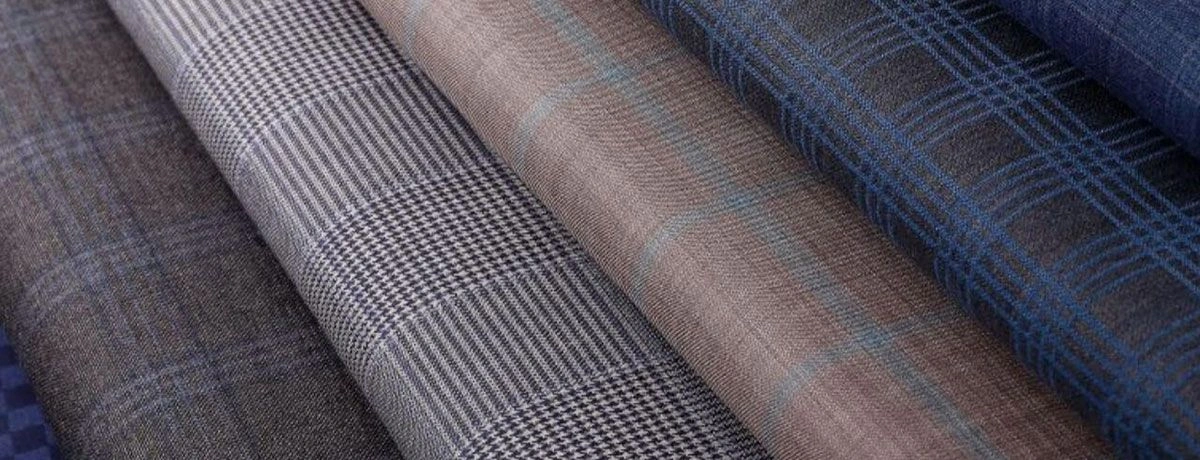
The best fabric for a suit is worsted wool for most business and year-round programs, with the right weight set by climate: 210–265 GSM (7–9 oz) for summer, 280–360 GSM (9–12 oz) for three-season wear, and 390 GSM and up for winter. This guide breaks down the ten suiting fabrics that matter for sourcing, their measurable properties, and how to specify weight, fiber, and finish for bulk orders.
For fabric buyers, wholesalers, and store owners, suit fabric selection is a margin decision as much as a style one. Knowing where each fabric sits on the price-performance curve is what lets you stock the right mix.
- Worsted wool is the default for business suiting — durable, wrinkle-resistant, and available across all weights.
- Fabric weight, not just fiber, drives comfort: match GSM to the destination climate before anything else.
- TR (polyester-viscose) dominates volume programs — wrinkle-resistant, low-maintenance, and 40–60% cheaper than pure wool.
- Super S numbers (Super 100s–150s) grade wool fineness, not quality: higher isn't always better for everyday wear.
Send your spec (fiber, GSM, width, color, quantity) to sales@mh-chine.com.


What Should You Ask Before Choosing a Suit Fabric?
Before specifying any suit fabric, four questions help determine the best fabric choice in 90% of cases: the occasion, wear frequency, climate, and whether the buyer wants texture or pattern. Get these right and fabric selection becomes a short list rather than a guess. Each answer maps directly to a measurable property — weight in GSM, fiber blend, weave, and finish — and those choices also shape different styles.
-
What's the occasion? Formal business, casual, or evening wear each pull toward different fibers and finishes.
-
How often will it be worn? Daily-wear suits need wrinkle recovery and abrasion resistance; occasion suits can prioritize hand-feel.
-
What climate? This sets the weight band more than any other factor (see the chart below).
-
Texture or pattern? Twill, hopsack, and windowpane weaves change both look and durability.
How Is Suit Fabric Weight Measured?
Suit fabric weight is measured in grams per square meter (GSM) or ounces per yard, and it's the single biggest driver of seasonal comfort. Buyers will usually see fabric weights listed in GSM or ounces, and different weights suit different seasons.
Industry weight bands are well established: lightweight summer cloth runs 210–265 GSM (7–9 oz), all-season three-season cloth sits at 280–360 GSM (9–12 oz), and heavyweight winter cloth starts around 390 GSM.
Getting weight wrong is the most common reason a technically good fabric performs poorly, even though it's an easy measure of seasonal suitability.
Which Suit Fabric Materials Should You Stock?
The four core suiting families are wool, cotton, linen, and TR (polyester-viscose), and each occupies a distinct price-performance niche. Wool leads on drape and recovery, TR leads on price and easy care, cotton and linen serve the casual and summer segments. The table below summarizes the trade-offs that matter at the buying desk.
|
Fabric Type |
Key Strengths |
Drawbacks |
Typical Use |
|---|---|---|---|
|
Wool (worsted) |
Natural warmth, drape, wrinkle recovery |
Higher cost, needs careful cleaning |
Business, year-round |
|
Cotton |
Breathable, lightweight, washable |
Wrinkles, less formal hand |
Casual, semi-formal |
|
Linen |
Lightweight, coolest hand for summer |
Wrinkles heavily, low recovery |
Summer, resort wear |
|
TR (poly-viscose) |
Durable, wrinkle-resistant, low cost |
Less breathable than naturals |
Volume, uniform, daily |
1. Stretch Wool Suiting
Stretch wool blends a small percentage of elastane (typically 2–4%) into worsted wool for added comfort and recovery. It keeps wool's breathability and polished look while adding 15–20% mechanical stretch, much like modern four-way stretch woven suiting fabric, which is why it has become the default for office and travel suits. For wholesalers, stretch wool sells well into the modern-fit and slim-fit categories where range of motion matters.
2. Worsted Wool
Worsted wool is the workhorse of suiting and the safest answer to "best fabric for a suit" for business buyers. Spun from combed long-staple fibers, it has a smooth, fine surface, strong wrinkle recovery, and excellent durability across the 280–360 GSM all-season band. A well-made wool suit can last up to 20 years with proper care. It is the highest-volume premium suiting fabric worldwide, which is why it remains a go to option for classic business suiting that can stand the test of time.
3. Wool Twill
Wool twill uses a tightly woven diagonal weave that adds subtle texture and depth to a suit jacket fabric. The twill structure improves drape and wrinkle resistance versus a plain weave at the same weight, and medium-weight wool twill (around 300 GSM) is versatile enough for both suits and odd jackets. It also shows up in softer fall fabrics such as flannel and country-inspired tweed. Its texture hides minor wear, making it a practical choice for daily-wear programs.
4. Cotton Twill
For a more casual, breathable option, cotton twill is a lightweight fabric with a crisp hand and a great choice for spring, summer, and business-casual tailoring. It works well for semi-formal and summer suits, chinos-style trousers, and unstructured jackets, and poly-cotton options like TC twill workwear fabric can extend into uniforms and jackets. Cotton is also popular for summer wedding suits when a less formal look is appropriate. Cotton twill wrinkles more than wool and holds a press less reliably, so it suits relaxed silhouettes rather than sharp business tailoring.
5. Polyester-Viscose Windowpane
This affordable, durable blend is ideal for pattern work like windowpane and check designs. The polyester-viscose base holds dye and pattern registration cleanly, resists wrinkling, and keeps maintenance low — a strong fit for daily suits and fashion-forward volume lines, especially in TTR shiny suiting qualities for uniforms and trousers.
6. Linen
Linen, made from the flax plant, is a premier warm-weather fabric and the coolest-wearing suit fabric for hot climates, with high air permeability and a relaxed, breathable hand. It wrinkles easily and has low shape recovery. A linen suit is a go-to option for hot weather because it stays breathable, helps release heat, and is less likely to trap sweat. Buyers often round out their summer range with other airy options such as lightweight chiffon dress and lining fabrics. But that lived-in look is exactly what summer and resort buyers want, and wearers can embrace the creases and still hold their head high.
7. Linen Blend
Linen blends mix linen with wool, cotton, or synthetics to keep the breathable summer hand while improving durability and reducing wrinkling. A linen-wool blend, for example, drapes better and recovers faster than pure linen while staying cool. Linen can also be blended with silk for a soft, elegant finish that adds luxury without losing the paragraph’s practical summer focus.
8. TR (Polyester-Viscose Blend)
TR suiting fabric is the volume backbone of the global suit market. The polyester-viscose blend can be produced in a wide range of colors, patterns, and weights, which matters because buyers often face limited in-store options and need broad access to range when building programs. TR is wrinkle-resistant, dimensionally stable, and typically 40–60% cheaper than comparable pure wool, making it the default for uniforms, corporate wear, and blends such as TC 65/35 twill for workwear programs or T/C 80/20 twill fabric for heavy-duty uniforms.
9. Satin
Satin is a luxury fabric used for accents — lapels, facings, and evening-wear detailing — rather than whole garments, often in silk or silk-blend constructions for formal trim, or in polyester bridal satin fabric for gowns and linings. Its high-luster surface, created by a float-heavy weave, adds formality and shine to tuxedos and dinner jackets. Silk blends add luxury, comfort, and elegance to these formal suiting details, while economical options like 100% polyester satin for women's wear and sleepwear support broader collections. As a component fabric it carries a high margin on small yardage, so it's worth stocking in black and midnight blue for the formalwear segment.
10. Velvet
Velvet is the luxurious statement fabric for evening and occasion jackets, with a dense pile that reads as premium under light and can feel great against the skin. It is used for dinner jackets and special-occasion blazers rather than full business suits, though velvet, mohair blends, and even cashmere-accented evening cloth sit at the more luxurious end of the market for buyers looking for a beautiful suit; similar plush constructions like Holland velvet upholstery fabric show how versatile this pile structure can be across categories.
What's the Right Fabric Mix forWholesalers?
Wool is the year-round base; linen and velvet are seasonal plays.
Versatility, affordability, and a credible premium tier are what keep a fabric catalog competitive. Offer the full ladder — entry TR, mid worsted, premium Super 120s+, and seasonal naturals — and your customers can serve every account from one supplier backed by a global garment accessories and fabrics manufacturer.
The perfect fabric mix depends on the account, and having a clear idea of the customer base helps shape a great suit offering across price points. The best catalogs also provide a world of options for different programs and occasions, from suiting cloth to polyester core-spun sewing thread for tailored construction. That breadth is what turns a one-off buyer into a repeat one.
✅ Build your suiting range with one supplier. MH manufactures worsted-look polyester, TR, twill, and blended suiting at wholesale MOQs. Request the 2026 suiting swatch book.
Frequently Asked Questions About Suit Fabrics
What is the best fabric for a suit overall?
Worsted wool is the best all-round suit fabric for business and year-round wear, thanks to its drape, wrinkle recovery, and durability in the 280–360 GSM band. For hot climates, lightweight wool or linen wins; for price-driven and uniform programs, TR (polyester-viscose) is the practical best choice. There is no single best fabric — the answer depends on climate, use, and budget.
Is polyester or wool better for suits?
Wool offers better breathability, drape, and prestige; polyester-viscose (TR) offers better wrinkle resistance, easy care, and a lower price. For premium retail and business tailoring, wool is better. For uniforms, corporate wear, and volume retail where durability and cost matter most, TR blends are better. Many commercial suits use poly-wool blends to balance both.
What suit fabric is best for hot, humid climates?
Linen, lightweight cotton, and seersucker are best for hot, humid climates because of their high air permeability and cool hand. Lightweight tropical wool (210–230 GSM) is the premium alternative, and tropical wool or wool-mohair blends are also a great choice when buyers want airflow with a sharper finish, offering breathability with better wrinkle recovery than linen. For the African, Middle Eastern, and South Asian markets we supply, summer-weight naturals and high-twist wools move fastest.
What is TR suiting fabric?
TR suiting fabric is a polyester-viscose blend (the "T" for terylene/polyester, "R" for rayon/viscose) widely used for affordable, low-maintenance suits. It is wrinkle-resistant, dimensionally stable, easy to dye into trend colors, and typically 40–60% cheaper than pure wool. TR is the volume standard for uniforms, corporate wear, and value retail suiting. It is practical for buyers focused on cost, but sewing quality and final tailoring still determine how polished the suit looks.
