
Fabric PU: A Practical Guide to Polyurethane Fabric for Commercial Applications
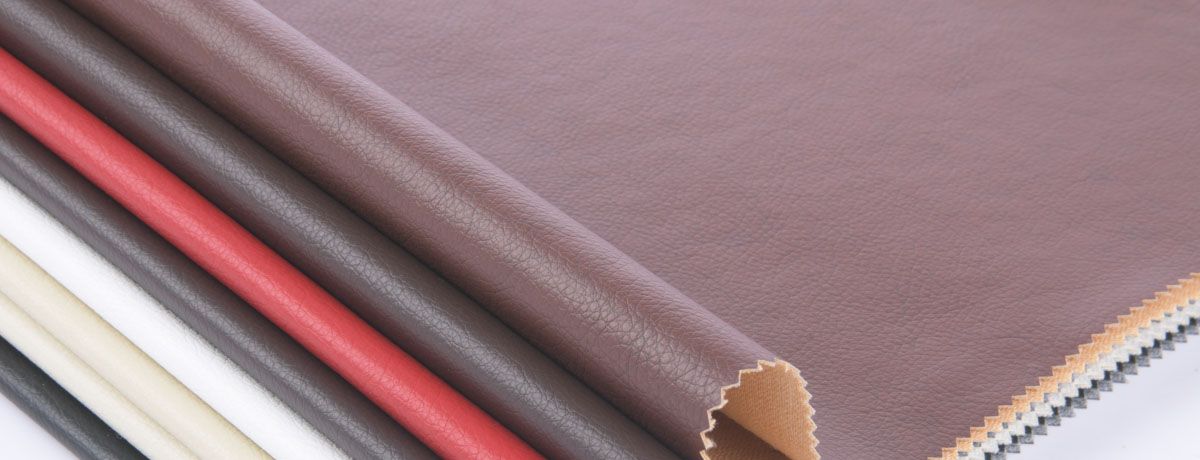
Choosing the right pu fabric for a commercial program is not a shopping exercise driven by looks alone. It requires evaluating coating chemistry, base fabric construction, hydrolysis resistance, and compliance with export regulations. This guide covers what professional buyers need to know before placing a bulk order.
Key Takeaways
-
PU fabric (polyurethane fabric) is a coated textile engineered to mimic leather or deliver technical performance across commercial upholstery, footwear, bags, and apparel.
-
For B2B buyers, evaluation should center on coating formulation, base fabric type, hydrolysis resistance, and compliance with standards like ASTM D3690 or ISO 1419-not just visual appearance.
-
MH supplies pu fabric on a Make-to-Order basis, supporting custom specifications for color, embossing, backing, and coating weight in bulk orders.
-
Choosing pu fabric suitable for high-traffic and tropical export markets demands stable quality, predictable lead times, and verified hydrolysis resistance to prevent premature cracking and peeling in the field.
What Is PU Fabric? Definitions, Types, and Core Characteristics
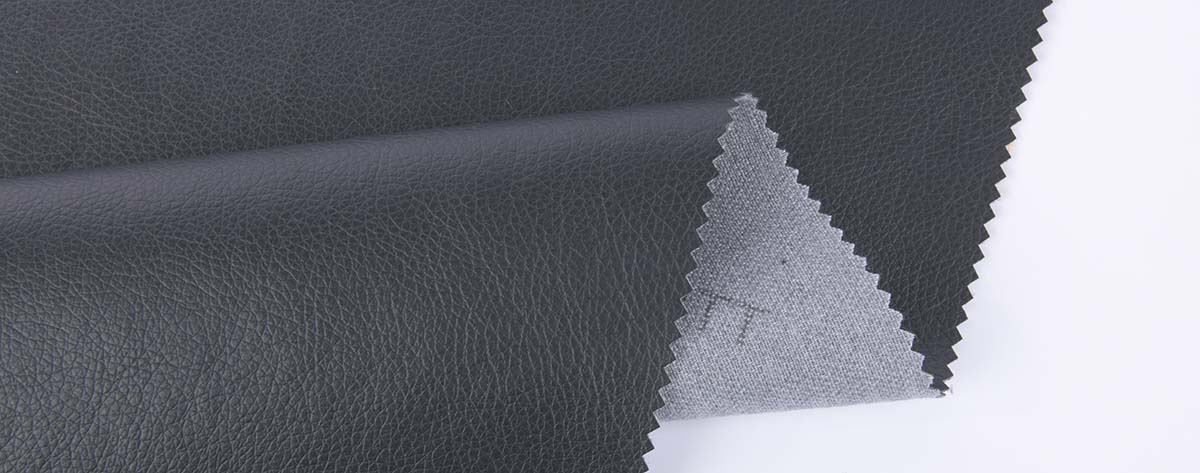
Polyurethane fabric is a polymer coating applied to a textile backing-commonly polyester, cotton, nylon, or microfiber-to produce a material that is lightweight and water-resistant, making it a popular alternative to leather. PU leather is fully artificial and considered vegan, and it is commonly used in clothing, bags, and upholstery across global supply chains.
The typical construction includes several layers:
-
Base fabric (e.g., 150D polyester, 75D microfiber, polyester pongee lining fabrics, or TR polyester-rayon blends for uniforms for stretch and comfort applications)
-
Adhesive or tie-coat layer bonding the coating to the substrate
-
PU coating layer(s) providing the surface film, with coating weights ranging from 80–300 g/m²
-
Topcoat or finish layer for embossing, matte or gloss effects, and stain resistance
Key performance attributes for B2B evaluation include tensile strength, tear strength, abrasion resistance (Martindale cycles), colorfastness, and chemical cleaning resistance. PU leather can emit a chemical or plastic smell in lower-grade formulations, so resin quality matters; high-grade PU fabric often uses polycarbonate resin for better durability and improved resistance to heat, light, and moisture exposure.
PU Fabric vs Other Materials: Why Polyurethane Fabric Is Attractive for Commercial Use
PU fabric occupies a cost-effective middle ground between real leather and vinyl (PVC), tailored for furniture, automotive, footwear, and bag manufacturers, and is one of the most widely used forms of artificial leather for upholstery, clothing, and accessories.
Compared to genuine leather:
-
More consistent quality with easier color matching and fewer natural imperfections-genuine leather has a unique grain but varies batch to batch
-
Lower scrap rates and simpler cutting; cheaper and easier to clean than genuine leather
-
PU fabric generally has lower durability than genuine leather; PU leather typically lasts 2–5 years with regular use, while genuine leather can last decades with proper care
-
PU fabric is often less breathable than natural fabrics, a trade-off in comfort for extended-contact seating
Compared to PVC fabric:
-
Better handfeel, less plastic odor, improved cold-flex performance, and a softer, more flexible surface feel
-
PVC may still win in sheer abrasion resistance, but PU is preferred in mid-to-high commercial seating and fashion applications
Polyurethane fabric can be tuned across sectors: softer, thinner coatings for apparel and protective gear; thicker, embossed coatings for pu upholstery and automotive interiors. Well-specified pu fabric may carry a slightly higher material cost than commodity options, but reduces warranty claims and replacement events over a 3–5 year commercial service period and should be specified alongside premium upholstery fabric options for sofas and seating. MH focuses on commercial-grade products rather than low-end consumer stock, aligning with buyers who value total cost of ownership.
Key Technical Parameters: How to Choose PU Fabric with Hydrolysis Resistance Suitable for Your Project
Many PU fabrics look similar on first inspection. Professional buyers must check technical specs and test reports, not rely on appearance alone. PU's polyurethane coating enhances abrasion and tear resistance compared to untreated fabrics, but the degree of improvement depends entirely on formulation and construction.
Mechanical properties to verify:
|
Parameter |
Typical Benchmark (Contract Upholstery) |
|---|---|
|
Warp tensile strength |
800–1,500 N per 5 cm |
|
Weft tensile strength |
700–1,300 N per 5 cm |
|
Warp tear strength |
20–50 N |
|
Abrasion (Martindale) |
20,000–80,000+ cycles |
Hydrolysis resistance is the central decision factor for tropical markets. PU leather typically cracks and peels within 2–5 years under regular use, and this timeline shortens dramatically in heat and humidity. PU fabric should have at least 5-week hydrolysis resistance per ISO 1419 Tropical Test Method C, with no cracking, peeling, or delamination.
Buyers should request full technical datasheets, third-party test reports, and production samples. Review the cleaning-chemical compatibility details on the datasheet as well, since lower-end PU fabrics can break down when exposed to industrial cleaners or harsh solvents. Conduct in-house trials-sewing, bonding, washing, abrasion-before locking a specification. MH operates as a Make-to-Order supplier, enabling buyers to define all technical parameters up front and receive consistent repeats across seasons.
Applications and Customization: Matching PU Fabric to End-Use Sectors
PU fabric serves multiple commercial sectors, each with distinct priority requirements. The combination of cost, durability, and available designs makes it a versatile material for OEM and ODM projects, especially when sourced from an experienced global garment accessories and fabrics supplier like Ningbo MH.
Core application categories:
-
Commercial and office seating / hospitality: High abrasion, hydrolysis resistance, fire code compliance; pu upholstery with Nappa embossing is common, often combined with PVC and PU coated Oxford fabric for added durability
-
Automotive interiors: Heat and UV cycling, low-VOC adhesives, precise matte or gloss finishes
-
Luggage and backpacks: Heavy denier base fabric (600D PU coated waterproof oxford fabric), durable topcoats, high tear strength
-
Footwear: Soft handfeel for uppers; commonly used in shoes, with flex cracking and adhesion testing per industry standards, and sometimes lined with durable T/C 65/35 twill workwear fabric
-
Outerwear and protective gear: PU fabric is often used for outdoor gear due to its water resistance; lighter coating weights, breathable microporous laminates, and pairing with PE + SPP coated non-woven protective fabrics in medical or hygiene applications
-
Accessories and fashion goods: PU fabric can be finished in a variety of textures and colors; perfect for seasonal collections and often combined with lightweight chiffon fabric for fashion
PU fabric is easy to clean and maintain-typically requiring only a damp cloth for routine maintenance-which adds value in hospitality and healthcare settings. MH customizes base fabrics, adjusts coating thickness for higher abrasion zones, and selects embossing patterns to match brand design language. We manage color and design flexibility including Pantone matching, two-tone effects, and a variety of finishes.
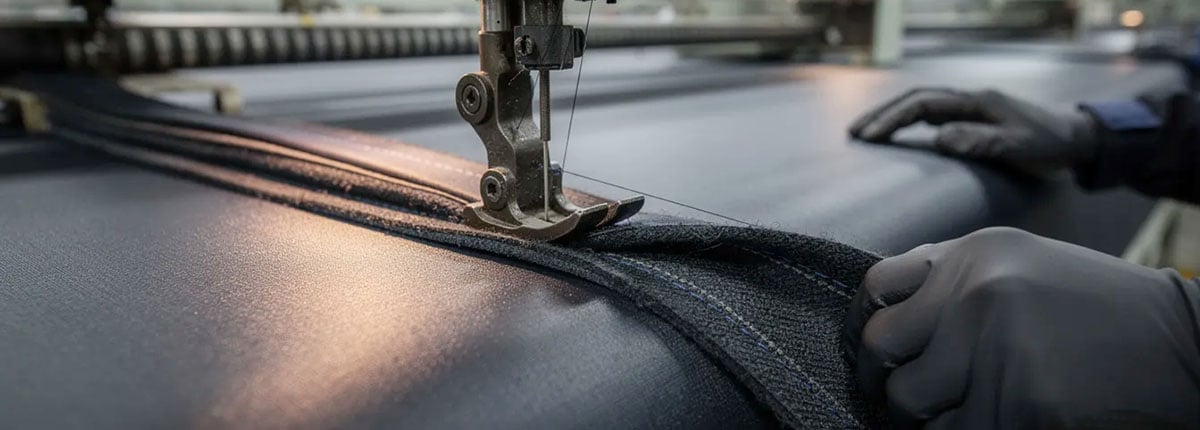
For processing performance in factories, buyers should check stitchability, edge stability in cutting, and compatibility with common adhesives. Request a small pilot lot to dry run before full-scale production.
We invite buyers to share detailed end-use requirements and past quality issues so the PU specification can be engineered to solve real production and field problems.


FAQ: Professional Sourcing Questions About PU Fabric
These questions address common B2B sourcing concerns beyond basic definitions, focusing on risk management and long-term cooperation.
What information should we send to MH when requesting a custom PU fabric quotation?
Provide intended end-use, target performance standards, base fabric preference, coating thickness, desired hydrolysis resistance, color references, embossing pattern, annual volume forecast, and first-order quantity. Sharing a physical reference sample or detailed spec sheet from a previous supplier speeds up development and lab dips. Include delivery terms (Incoterms, destination port, required documents) so MH can prepare accurate landed cost estimations for your sourcing team.
Does MH keep standard PU fabric in stock for immediate shipment?
MH works strictly on a Make-to-Order basis and does not maintain ready stock, which allows better control over quality, freshness of coating, and customization. For stable, recurring programs, MH sets up framework agreements and rolling production schedules so lead times remain competitive-particularly useful for regional distributors and large upholstery or garment factories placing repeat orders.
How do we evaluate if a PU fabric is compatible with our existing equipment?
Run a structured in-house trial: perform cutting on current CNC or manual systems, sew key seams, and test bonding or lamination where applied. Observe needle heating, edge fraying, and any delamination. Request a small pilot lot from MH before full-scale purchase so process engineers can fine-tune machine settings-needle type, stitch length, temperature, pressure-reducing learning curve issues during mass production.
Is PU fabric a suitable replacement for genuine leather in all applications?
PU fabric works well as a replacement in many commercial settings-especially where cost control, uniform appearance, and ease of maintenance are priorities. However, it is not a direct substitute in applications demanding decades of service life or where the natural grain and breathability of real leather are non-negotiable. Choose pu fabric suitable for your specific performance window and validate through testing rather than assuming equivalence.
