
Fire Resistant Fabric: Industrial-Grade Flame Retardant Textiles for Professional Use
Key Takeaways
-
Inherently flame retardant fabrics (IFR) offer permanent protection built into the fiber structure, while chemically treated fire retardant fabrics degrade over time and may require re-certification-a critical distinction for lifecycle cost in bulk procurement.
-
Fire resistant fabrics must be tested and certified against specific standards such as NFPA 701, EN 13773, BS 5867, and M1 classification. UK and EU buyers often require different certifications, and Latin American markets commonly reference NFPA or EN norms.
-
Core application clusters for B2B buyers include PPE and protective clothing, welding blankets, industrial insulation, curtains and interior textiles for public places, and export-ready programs for Latin America.
-
Early technical alignment on standards, color, and finishing between buyer and supplier is essential to avoid production delays and tender rejections.
Inherently Flame Retardant vs. Treated Fabrics: Lifecycle and Risk
The core technical choice in fire retardant fabrics is between inherently flame retardant fibers and topically treated base fabrics. This decision directly affects safety, compliance longevity, and total cost of ownership across large procurement programs.
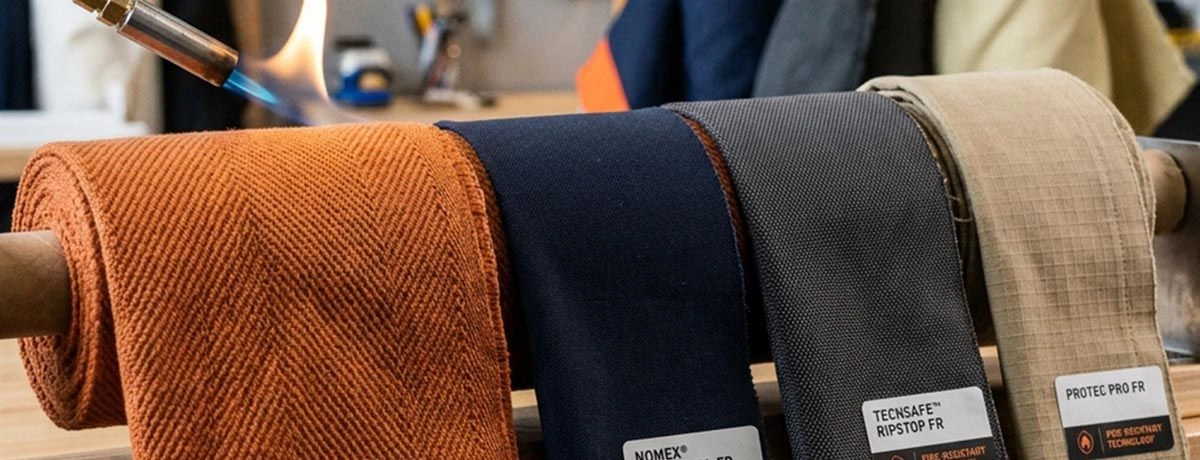
Inherently flame retardant fabrics are made from special polymer structures-fibers such as aramids, modacrylics, FR viscose, and high-silica glass where flame retardancy is built into the molecular or mineral structure. These materials do not wash out. When exposed to high temperatures, IFR materials typically char, swell, or release inert gases, forming a protective barrier without melting or dripping. Inherently flame retardant fabrics have permanent fire protection and maintain performance for the fabric's life, making them suitable for high-safety environments such as flash fire or arc flash PPE.
Treated flame retardant fabrics are coated with chemical agents-phosphorus-, nitrogen-, or mineral-based chemistries applied via pad-dry-cure or coating processes to conventional cotton, polyester, or blends. These treatment systems can deliver certified flame retardancy, but treated flame retardant fabrics lose effectiveness over time. Many topical finishes have a limited wash count or require re-certification after industrial laundering, bleach exposure, or abrasion.
For B2B buyers, IFR options carry higher initial price but lower risk and longer service life. Treated fabrics can be cost-efficient for furnishings, exhibition use, and non-PPE applications when paired with proper maintenance. MH produces both IFR-based constructions and FR-treated cotton or polyester blends, including durable T/C 80/20 twill fabric for workwear, tailored to the expected laundering and usage profile of each contract.
Fire Standards and Certifications: NFPA, EN, BS, and M1 Explained
Professional buyers should align fabric selection with the exact fire test standards required by local law, building codes, or buyer audits. A generic "FR" label is insufficient-fire retardant fabrics must meet specific safety standards referenced in tender documents and insurance policies.
Key textile fire test standards commonly requested include:
-
NFPA 701: US standard for drapery and hanging fabrics in public buildings. Fire retardant fabrics must meet NFPA 701 standards to qualify for use in theaters, hotels, and convention centers.
-
NFPA 2112: Standard for flame-resistant garments for flash fire protection, widely referenced in oil and gas PPE procurement.
-
EN 11611 / EN 11612: European standards covering welding protection and heat/flame protective clothing.
-
EN 13773 / EN 13501-1: European standards for interior textiles including curtains, drapes, and wall coverings in commercial settings.
-
BS 5867: A UK standard for fire-retardant textiles used in curtains and drapes, with Types A, B, and C reflecting increasing levels of fire resistance. UK fire officers typically prefer BS certifications over continental systems.
-
M1: A European standard for fire-retardant fabrics originating from the French classification system (M0–M4), where M1 indicates low flammability and is widely recognized across continental Europe.
-
ASTM-E-84: A standard for testing fire safety of materials in building interiors, covering flame spread and smoke development.
-
California State Fire Marshal standards: These apply to fire fabrics sold or installed in California and are commonly referenced in US-based procurement.
MH organizes third-party testing with accredited laboratories and provides certified test reports aligned with the specific certification regime of the buyer's target country, including Latin American norms that reference NFPA or EN.
Types of Fire Resistant Fabrics and Their Technical Profiles
No single flame retardant fabric suits all applications. The right choice will vary based on the end use, required fire standard, comfort needs, and budget. Below are the key industrial fabric categories.
FR Cotton and Cotton-Rich Blends - Treated cotton is commonly used in workwear and retains breathability. Blends such as 88/12 cotton-nylon are widely used for coveralls and uniforms, available as either chemically treated or inherently FR constructions.
Modacrylic and FR Viscose Blends - Modacrylic fibers are often blended with other materials for comfort and flame resistance. These inherently flame retardant fibers offer soft handle, good moisture wicking, and are commonly specified for multi-risk protective clothing requiring antistatic or arc-rated performance. The Limiting Oxygen Index (LOI) indicates a material's flammability, and modacrylic fibers typically register LOI values of 28–32%, meaning elevated oxygen is needed to sustain combustion.
Aramid-Based Fabrics - Meta-aramid and para-aramid blends deliver exceptional heat resistance. Aramid fibers do not melt or drip under high heat; they char and maintain structural integrity at decomposition temperatures around 400–550°C. PBI fibers offer exceptional heat resistance and durability in the most demanding applications such as firefighting gear.
Fiberglass and Silica Fabrics - Fiberglass is completely non-combustible with an LOI of 100%. These fabrics can withstand temperatures from 300°C to over 1,300°C depending on composition and are used in welding blankets, furnace curtains, and thermal insulation rather than garments.
Coated Composites - Fiberglass or aramid bases with aluminum, PTFE, silicone, or vermiculite coating enhance abrasion resistance, molten metal splash protection, and waterproof or oil repellency in a combination of functional layers.
Engineered Interior Fabrics - FR Polyester is popular for curtains in hotels and theaters, where flame retardancy must coexist with colorfastness, drape, and design flexibility, similar in construction to polyester Katrina fabric for uniforms and curtains. Wool is a naturally flame retardant material with a high ignition temperature of about 570–600°C, making it a durable option for upholstery in public places.
MH customizes GSM, weave structure, and finishing within each category to match buyer-specific performance and costing targets, backed by large-scale garment accessories and fabric manufacturing capabilities.
Industrial Applications: From Welding Blankets to Public-Space Textiles
Flame retardant fabrics play different roles across industries-personal protection, barrier systems, and interior safety-and must be specified accordingly in B2B contracts. Fire-resistant fabrics are extensively used in firefighting gear and industrial workwear, and FR fabrics can self-extinguish when removed from a heat source, reducing secondary injury risk.
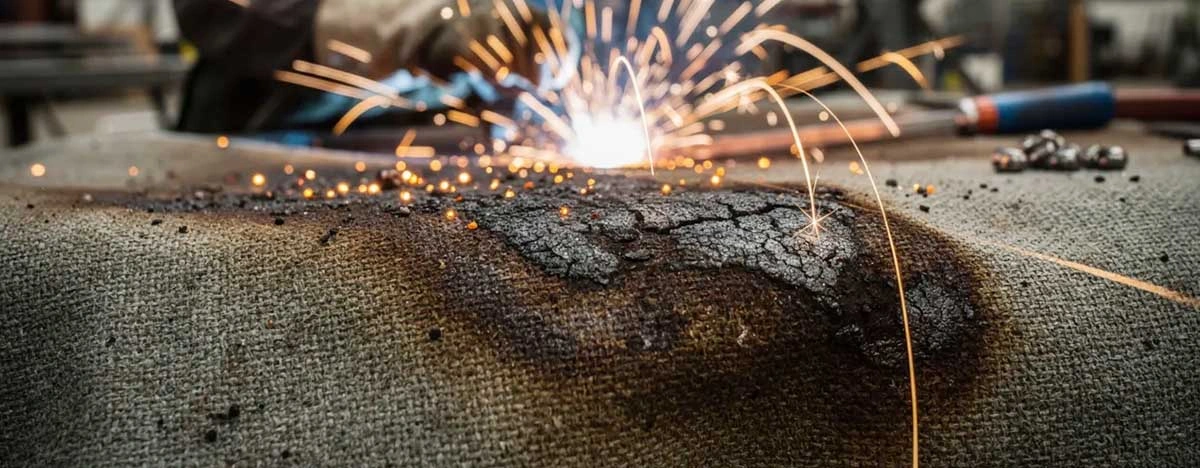
Welding and Metalworking - Heavy-duty welding blankets, curtains, and pads made from fiberglass, silica, or aramid blends protect machinery, structural components, and bystanders from sparks, slag, and radiant heat. Welding protection demands fabrics that retain dimensional stability under repeated thermal cycling.
Industrial PPE and Workwear - Coveralls, jackets, and hoods for oil and gas, petrochemicals, utilities, and mining require fabrics that combine flame retardancy with durability, mobility, and sometimes antistatic performance, similar in stretch and recovery requirements to polyester-spandex stretch woven suiting fabrics. Fire retardant fabrics resist ignition and flame spread, making them essential for users exposed to flash fire or arc flash hazards for long periods.
Thermal Insulation Systems - Lagging cloth, removable insulation jackets, and protective wraps around ducts and turbines in power plants rely on durable, heat-resistant materials engineered for continuous service at high temperatures, often combined with 600D PU coated waterproof Oxford fabrics in outer shells where water and abrasion resistance are also required.
Interior Applications - Inherently flame retardant drapery, seating, and wall fabrics for hotels, hospitals, schools, and mass-transit terminals must comply with standards like NFPA 701 or EN 13773. These settings demand fabrics that are both safe and aesthetically appropriate for commercial environment use, where lightweight chiffon fabric for event and interior decoration may be used in non-structural layers or decorative elements.
Niche and High-Performance - Fire curtains, smoke barriers, and structural fire blankets in warehouses, hangars, and tunnels may combine fabrics with intumescent or aluminum layers for extreme protection.
MH designs application-specific flame retardant fabric programs, including color ranges, widths optimized for cutting efficiency in garment factories, and roll lengths adjusted for automated spreading equipment.
Comfort and Performance: Moisture Wicking, Durability, and Handle
Modern fire retardant fabrics must balance safety with wearer comfort, particularly for uniforms and PPE worn through long shifts in hot environments. A fabric that users refuse to wear because of discomfort provides no protection at all.
Moisture wicking is a key parameter. Blending inherently flame retardant fibers with cotton, FR viscose, or performance synthetics such as TR polyester-rayon suiting fabrics improves sweat management and reduces heat stress for welders, electricians, and refinery operators working in high-humidity climates. Many modern IFR apparel fabrics in the 180–260 g/m² range offer breathability comparable to conventional workwear.
Mechanical durability-tear strength, abrasion resistance, seam strength, and pilling behavior-directly impacts garment life and total cost of ownership across industrial laundering cycles. For curtains and upholstery, FR polyester and blends can be engineered to give a soft, full hand and elegant drape while maintaining flame retardancy and colorfastness under UV exposure.
Additional functional finishes can be combined with flame retardant properties on a make-to-order basis, including oil and water repellency, anti-static, anti-acid/alkali, or anti-microbial technology, similar to coatings used on PE+SPP coated non-woven protective fabrics for medical and hygiene applications. Each extra finish may affect the final product cost and lead time, so MH works with buyers to balance fabric weight, composition, and finishing to achieve target comfort standards-especially for Latin American climates-while still meeting the necessary fire test standards.
How to Specify the Right Fire Retardant Fabric for Your Project
Selecting fire retardant fabrics should follow a structured specification process to avoid under- or over-engineering and to control costs in large-scale B2B orders. The wrong specification wastes budget; an incomplete one risks tender rejection.
Key decision parameters to define when briefing MH or any technical textile supplier:
-
End use: PPE, welding blankets, curtains, insulation
-
Required fire standard: NFPA 701, EN 11612, M1, BS 5867, or country-specific norms
-
Wash type and frequency: industrial laundering, dry cleaning, or no-wash applications
-
Target life: number of years or wash cycles expected
-
Environmental conditions: temperature, humidity, exposure to chemicals or UV
Buyers should also specify mechanical performance requirements-tear strength, tensile strength, and abrasion-along with comfort properties like moisture wicking, air permeability, and desired fabric weight range.
Alignment with downstream processing needs is equally important: preferred roll width for cutting efficiency, acceptable shade tolerance for color-critical deployments, and whether printing or branding will be applied to the flame retardant fabric.
MH supports the specification process by proposing fabric constructions validated in similar applications, sharing indicative test data, and arranging lab trials before full-scale production when necessary, drawing on experience from large-volume polyester sewing thread manufacturing programs and related textile accessories. Visit our website to start the technical conversation early in your project timeline.


FAQ: Practical Questions About Fire Resistant Fabrics for B2B Buyers
The following questions address common procurement and technical concerns not fully covered above. Each answer is written for professional buyers evaluating flame retardant fabric programs.
What minimum order quantities (MOQs) apply to flame retardant fabrics?
As a make-to-order supplier, MH typically works with MOQs based on fabric type and finishing line efficiency, often measured in several hundred to several thousand meters per color or design. Consolidated color programs and longer runs generally achieve better price and more efficient production scheduling for flame retardant lines.
Can MH match an existing certified flame retardant fabric from another supplier?
MH can often develop a technically equivalent construction when provided with detailed specifications, physical samples, and the relevant test reports, though fresh certification may be required for the new fabric. Small differences in yarn source, finishing chemistry, or dye system can affect test results, so controlled lab testing is recommended before large-scale substitution.
Are flame retardant fabrics always heavier and less breathable than standard textiles?
While some high-protection fabrics such as welding blankets and high-silica insulation are necessarily heavy, many modern IFR apparel fabrics in the 180–260 g/m² range offer good breathability and moisture wicking comparable to conventional workwear. MH can propose lighter-weight constructions or blended yarns when regulations permit, especially for hot and humid climates in Latin America and Southeast Asia.
