
Single Jersey Material: A Technical Guide for Bulk Buyers
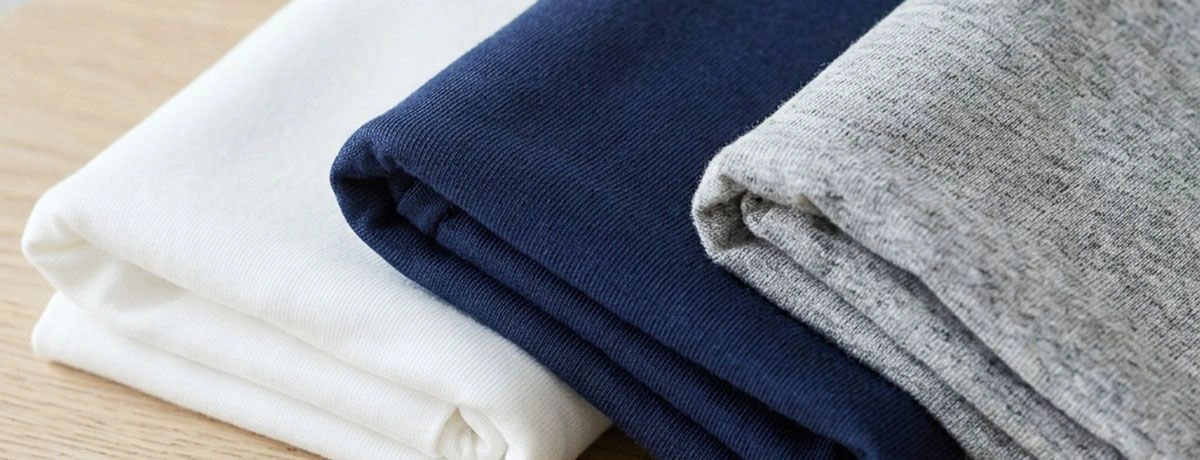
Single jersey material is the backbone of global T-shirt and casualwear production. For sourcing teams and garment factory owners managing large knit fabric programs, understanding its structure, fiber options, and performance benchmarks is essential to controlling cost, quality, and delivery timelines.
Key Takeaways
-
Single jersey is a lightweight, stretchy weft-knitted fabric with one smooth face side and one textured back side, serving as the default knit fabric for high-volume cut-and-sew programs worldwide.
-
Fiber choice (cotton, viscose, polyester blends, modal), yarn count, and machine gauge directly control GSM, hand feel, shrinkage, and landed cost in bulk production.
-
Comparing single jersey against double jersey, jacquard jersey, and stretch jersey helps factories select the right structure for each garment category.
-
Professional buyers must verify dimensional stability, spirality, colorfastness, and shade consistency lot-to-lot to minimize production risk and claims.
What Is Single Jersey Fabric?
Single jersey fabric is a single knit, weft-knit construction produced on circular or flat knitting machines using one set of needles. The resulting fabric has distinct right and wrong sides and natural crosswise stretch, making it a popular choice for next-to-skin garments. The term jersey refers to the knit structure rather than fiber content - it can be made from cotton, wool, polyester, silk, rayon, or blends. Its name traces to Jersey in the Channel Islands, long associated with quality knitted textiles. Records of jersey knits date back to the Middle Ages; they were first made from wool, became common in men's sports uniforms by the mid-1800s, and entered women's fashion when Coco Chanel popularized them in 1916.
Today, single jersey material is the standard base for promotional t shirts, fashion tees, kidswear sets, and lightweight garments from 120 to 220 GSM. Typical bulk constructions include 30s cotton single jersey at 150–160 GSM, 24s cotton at 180–190 GSM, and 40s combed cotton at 135–145 GSM for premium programs. Single jersey is known for its ability to drape well, offering better comfort than comparable woven fabric at the same weight. MH supplies make-to-order single jersey and related jersey knit qualities to garment factories and wholesalers globally.
Single Jersey vs. Other Jersey Fabrics (Double Jersey, Jacquard, Stretch)
Jersey fabric is a family of knit fabric types. Choosing between them depends on the finished product requirements, target cost, and garment category. Here is how the main structures compare for bulk programs:
-
Double jersey / interlock: A double knit construction using two needle beds that produces two sheets of interlocked loops. Interlock knit fabric is thicker and more stable than single jersey, with both piled sides appearing smooth. It resists curling, has higher opacity, and lower seam grin - suitable for polo shirts, structured dresses, and heavier tops. However, yarn consumption per square meter is higher, increasing cost per roll.
-
Jacquard jersey: A single or double jersey structure with patterning created directly on the knitting machine. Jacquard jersey features designs from simple shapes to complex patterns, used in sportswear and branded tees. Programming and knitting costs are higher, and setup requires CAD sampling.
-
Stretch jersey: Any jersey knit combined with elastic fibers like spandex. Stretch jersey is widely used for body-fitting shirts, leggings, and yoga clothing, emphasizing recovery and shape retention across repeated wash-wear cycles.
-
Specialty types: Clocqué jersey has a puckered, raised pattern created by knitting, while slub jersey has a textured pattern from irregular slub yarn - both used for fashion-margin pieces, alongside yarn-dyed checked fabrics for uniforms and springwear.
Single jersey is generally softer and more flexible compared to double knit fabrics. It is formed as a single sheet with one flat side and one piled side; the smooth face is the right side, while the back is more textured. It usually stretches about 25-30% in width, while double jersey is slightly more stable. Buyers commonly mix two fabrics or more in one collection: single jersey for basic styles, double jersey for structured layer pieces, and jacquard jersey for high-margin fashion items, ensuring colour and hand consistency across the range.
Fiber Options in Single Jersey: From Cotton to Blends
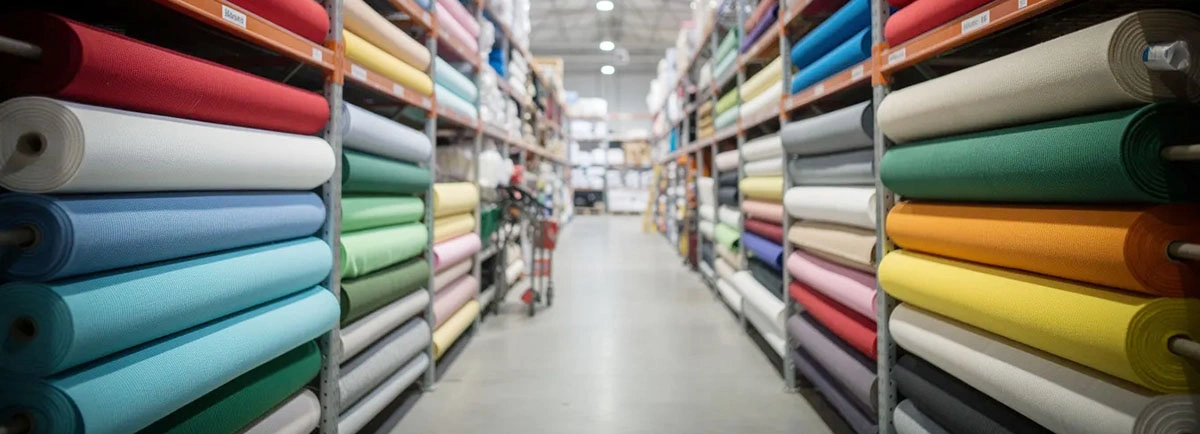
The same single knit structure can be produced in many fiber compositions, each affecting comfort, cost, and sewing performance. Single jersey can be made from various fibers including cotton, polyester, and blends.
-
Cotton: The benchmark for t shirts and everyday wear. Common compositions include 100% cotton, 95/5 cotton/elastane, and 60/40 cotton/polyester for improved shrinkage and pilling control. Combed cotton creates a soft, smooth surface with less hairiness. Cotton jersey can be grown without toxic agrochemicals, and organic certified options are available for eco-positioned lines, while TR polyester-rayon blends serve programs needing higher durability and light gloss.
-
Viscose and modal: Viscose-rich single jersey delivers high drape for womenswear and fashion tops (e.g., 95/5 viscose/elastane). Modal/cotton single jersey around 180–220 GSM is valued for premium loungewear and sleepwear, with lower surface hairiness. Modern versions of these regenerated fibers are increasingly specified by international brands.
-
Polyester and synthetic fibers: Polyester jersey knit options serve performance wear and promotional programs with fast drying, good colorfastness, and cost advantages for large orders. Single jersey provides moisture-wicking properties when blended with synthetic fibers like polyester or with polyester–spandex stretch woven fabrics in hybrid garment constructions. However, synthetic jersey fabrics release toxic microfibers into water supplies and are non-biodegradable pollution at end-of-life. Recycled polyester partially addresses brand sustainability requirements.
-
Wool: Wool jersey production does not involve agrochemicals, and wool is highly biodegradable, making it environmentally friendly. It remains suitable for premium knitwear.
Single jersey is often blended with polyester or spandex for activewear. MH produces make-to-order single jersey in custom blends, enabling buyers to create the right balance of cost, physical performance, and marketing positioning.
Key Performance Parameters for Bulk Single Jersey Orders
Professional buyers evaluate single jersey not only on hand feel but on lab and production test results that directly impact claims, returns, and long-term program viability; that starts with the knitting process, where yarns are fed into knitting machines and interlocked by needles to create the fabric structure with bulk consistency.
-
Dimensional stability: Target shrinkage within −3% in both length and width after standard ISO or AATCC wash tests. Exceeding these limits causes garment measurement failures at scale.
-
Spirality: Typically must remain below 3° after washing to maintain garment symmetry - critical for jersey fabric attached to cut-and-sew operations.
-
Mechanical strength: Bursting strength, seam slippage, and stretch & recovery for stretch jersey variants. Stretchy fabric used in fitted programs should recover >80–90% after multiple washes.
-
Colorfastness: To washing, rubbing, perspiration, and light - especially for dark shades (jet black, navy, bright red) that dominate export orders to Europe and Latin America.
-
Handle and appearance: Pilling resistance, opacity (critical below ~150 GSM for lightweight summer tops), and printability - reactive print on cotton, disperse print on polyester, or rotary/flatbed screen on blended single jersey.
MH's integrated manufacturing supports stable, repeatable quality through inline inspection, final 4-point system review, and lot-wise test reports for every roll shipped.
Applications of Single Jersey in Garment Manufacturing
Single jersey is the default knit fabric for high-volume cut-and-sew operations worldwide, from Bangladesh and China to Central and South America. It is commonly used for t-shirts and casual wear, including dresses and leggings, across all market segments.
Key product categories include:
-
Cotton and cotton-rich single jersey (140–200 GSM): Basic and fashion t shirts, polo underlayers, kidswear sets, promotional tees, sleepwear tops, and tank tops. Single jersey is the standard material for innerwear and undergarments. It is also popular for soft baby clothing items.
-
Stretch jersey with elastane: Ladies' tops, leggings, yoga clothing, maternitywear, and body-con dresses in 180–240 GSM depending on opacity. The stretchy, breathable, and durable construction makes it ideal for form-fitting garments.
-
Viscose/modal single jersey: Womenswear and loungewear where drape and softness matter, often combined with fashion prints, lightweight chiffon overlays, or jacquard jersey panels.
-
Lining and backing: A lightweight jersey knit layer against the skin under heavier outer fabrics in jackets, hoodies, sweaters, and sports garments, stitched with durable spun polyester sewing thread for mass production.
Single jersey is suitable for warm-weather clothing because it is thinner than double-knit fabrics, and is commonly used in lightweight summer tops and different types of casual dresses. MH supports customers with fabric engineered to pattern breakdowns - ensuring width, GSM, and shrinkage targets are optimized for marker efficiency and finished garment measurements.
MH Make-to-Order Single Jersey Solutions and Supply Chain Advantages
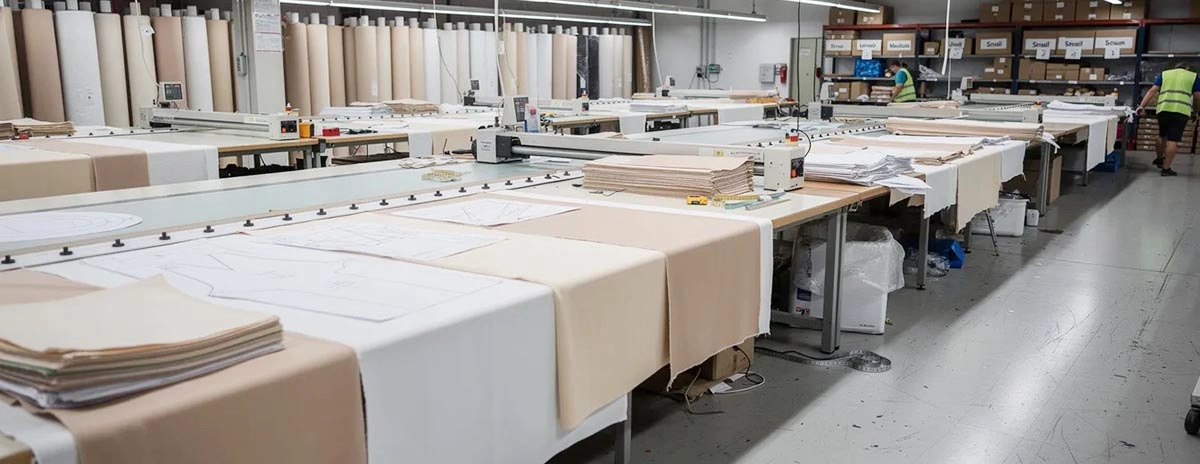
MH operates as an integrated manufacturing and trading company focused on industrial-scale make-to-order jersey fabrics for global garment brands and wholesalers, supported by its 40/2 polyester sewing thread production for consistent stitch quality. MH does not keep ready stock - every order is produced to buyer specification.
MH manages the full chain: yarn selection with partner spinners, knitting (single jersey, double jersey, jacquard jersey, and stretch jersey lines), dyeing/printing, and finishing, ensuring traceability and consistent quality from fiber to finished roll.
Custom development capabilities include buyer-specific blends (cotton/poly, viscose/spandex), target GSM bands from 120 to 260 GSM, widths optimized to marker layouts, and special finishes (enzyme, silicone, moisture-management, anti-pilling), along with in-house embroidery thread manufacturing to support value-added logo programs. MH's export experience covers Latin American markets such as Brazil, Chile, Peru, and Mexico, as well as Europe and the US, with familiarity in local testing standards, labeling rules, and seasonal demand peaks.
MH focuses on supply chain reliability: stable yarn sourcing, capacity reservation for long-term clients, and consolidated shipping for multiple single jersey and knit fabric SKUs in the same container. MH works as a long-term partner supporting product development, cost engineering, and repeatability for ongoing jersey fabric programs.


FAQ: Single Jersey Fabric for B2B Buyers
What is the practical GSM range MH recommends for mass-market T-shirt programs?
Most global brands choose 140–160 GSM for summer promotional tees, 160–180 GSM for core fashion t shirts, and up to 200 GSM for premium or colder-season programs, depending on target price and opacity requirements.
How does single jersey behave in cutting and sewing compared with woven fabrics?
Single jersey has more stretch, and its cut edges often curl or roll toward the face or back, than woven fabric. Factories should use proper lay techniques, sharp blades, and correct differential feed settings on sewing machines to avoid panel distortion during bulk production.
Can MH supply organic or recycled single jersey fabrics?
MH can source certified organic cotton yarns and recycled polyester for jersey fabrics on a make-to-order basis, and can match these bases with certified rayon embroidery thread where programs require fully compliant decoration. Availability depends on required certifications (e.g., GOTS, GRS) and minimum order quantities.
