
Flannel Fabric: A B2B Guide for Bulk Buyers and Manufacturers

Flannel fabric is a woven fabric made from cotton, wool, or synthetic fibers, finished with a brushed surface that raises fine fibers, trapping air for insulation. For B2B buyers, garment factories, wholesalers, and manufacturers sourcing flannel fabric in bulk for apparel, baby products, uniforms, and home textiles, this guide explains the specifications, fiber options, constructions, manufacturing processes, applications, cost drivers, quality matching, compliance standards, and sourcing logistics that shape purchasing decisions. Understanding these factors helps professional buyers secure the right composition, finish, and performance for seasonal programs while meeting quality and compliance requirements efficiently and cost-effectively.
Key Takeaways
-
MH operates as a make-to-order supplier of flannel fabrics; no ready stock is held, giving buyers full control over composition, colors, and finishing.
-
Flannel is a napped woven textile (typically cotton flannel, wool, or blends) engineered for warmth, softness, and controlled GSM across production lots.
-
Core B2B applications: shirts, sleepwear, uniforms, baby flannel and diaper flannel, interlinings, and home textiles supplied to garment factories and wholesalers.
What Is Flannel Fabric? Technical Overview for B2B Buyers
Flannel is a woven cotton fabric, wool cloth, or blend with a brushed (napped) finish on one or both sides. The term describes a construction and finishing process, not a pattern or color; in the early history of the textile, flannel originated in Wales, the term was used in France by the 17th century, and it became popular in Europe. Flannel is known for its softness and warmth because the napping process lifts fibers to create texture and loft that traps insulating air. The primary types of flannel fabric include cotton flannel, wool flannel, and synthetic blends passed down and used for years.
Cotton flannel differs from standard cotton fabric in measurable ways. Lightweight poplin runs 100–140 g/m², while cotton flannel for shirts or pajamas falls between 150–220 g/m². Flannel is often brushed on one or both sides to create its characteristic extra softness and bulk. Flannel can feature various patterns such as plaid or solid; plaid is a pattern (classic plaids, checks, houndstooth, stripes) that can appear on many fabric bases, and plaid shirts may be made from fabrics other than flannel. MH supplies both solid and printed flannel fabrics, with varied prints and style options in bulk yardage, including plaid flannel and yarn-dyed checks, backed by MH’s global garment accessories and textile manufacturing capabilities.
MH's typical composition options include 100 cotton flannel, cotton/polyester blends (65/35 or 80/20), wool flannel for suiting, and specialty constructions like baby flannel for infant apparel.


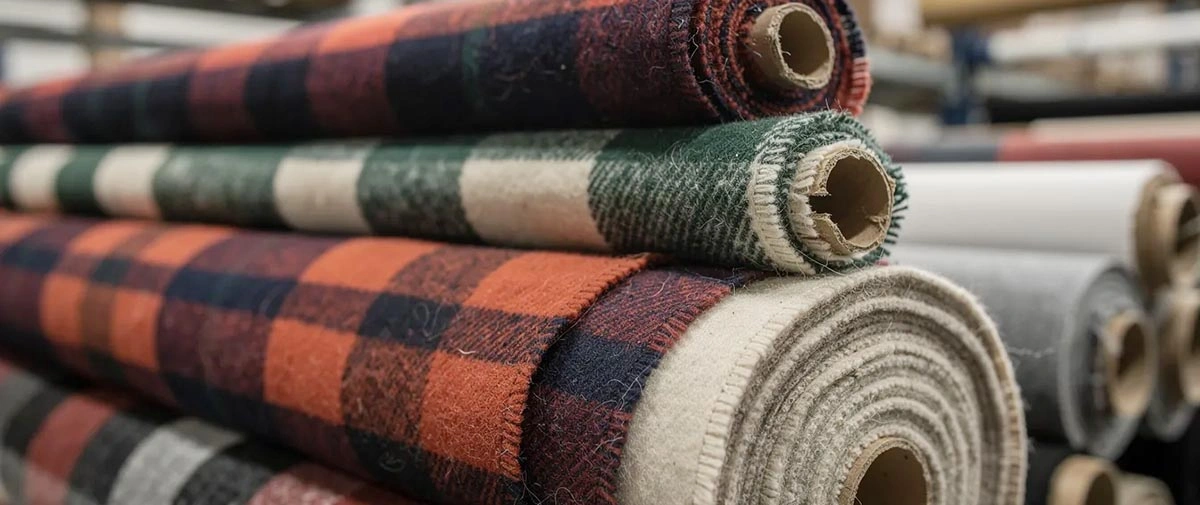
Fiber Options, Constructions, and Key Types of Flannel
B2B buyers commonly specify flannel first by fiber content, then by GSM, width, weave flannel structure, and finishing requirements. MH works on a make-to-order basis, building each lot from the client's tech pack to ensure consistency across production.
Wool flannel is traditionally made from wool fibers, either worsted-spun for fine suiting or woollen-spun for loftier cloth. Light-weight wool flannel suiting runs 180–260 g/m²; mid-weight for structured jackets sits at 260–380 g/m²; outerwear flannel can reach 380–600 g/m². Wool pollutes the least among flannel materials, and certifications like Woolmark verify ethically sourced wool products, with requirements varying depending on fiber type and program.
Cotton flannel leads global volume, having gained popularity during the Colonial expansionist period. Cotton flannel is common for shirts, pajamas, and bedding; cotton flannel is soft and breathable for garments across men's, women's, and kids' lines. Shirt-weight cotton flannel typically runs 150–220 g/m², while lighter transitional weights fall around 120–150 g/m². Widths are commonly 150–160 cm. Cotton pollutes less than synthetic textiles, making it a preferred choice for sustainable programs.
Synthetic and mixed flannel is made from materials like polyester or nylon, or blended with cotton (e.g., 65/35 cotton/poly). Synthetic flannel is budget-friendly and wrinkle-resistant, ideal for workwear shirts, institutional bedding, and promotional apparel. Buyers running multi-fabric programs that also require durable four-way stretch polyester spandex woven fabric for suits or outerwear can coordinate sourcing alongside flannel. Synthetic flannel can also be made with recycled materials for buyers pursuing GRS certification, and sustainable companies use safe materials in flannel production, especially for certification-driven programs.
Baby flannel is a particularly fine, double-napped cotton construction, typically 130–170 g/m², optimized for comfort against sensitive skin. For hygiene-critical programs, some buyers pair baby flannel with lightweight PP nonwoven fabric around 60 g/m² in accessories or disposable components. Baby flannel is prized for its softness against sensitive skin and is ordered in bulk by babywear manufacturers for sleepers, rompers, and receiving blankets.
Diaper flannel is densely woven, double-napped cotton flannel at 180–250 g/m² or higher, engineered for absorbency and repeated industrial laundering. Large converters order diaper flannel for reusable diapers and inserts.
Specialty sub-types include Ceylon flannel, a 50/50 blend of cotton and wool, and flannelette constructions (lighter, single-nap) used in quilting or budget apparel. For structured pieces that require support, buyers often specify nonwoven interlining fabric such as MH’s 1035HF to stabilize seams and plackets alongside flannel shells. MH can match existing handfeel or lab data (pilling, shrinkage, tear strength) for buyers switching suppliers on long-running projects, with yarn specifications aligned to the fabric's intended end use.
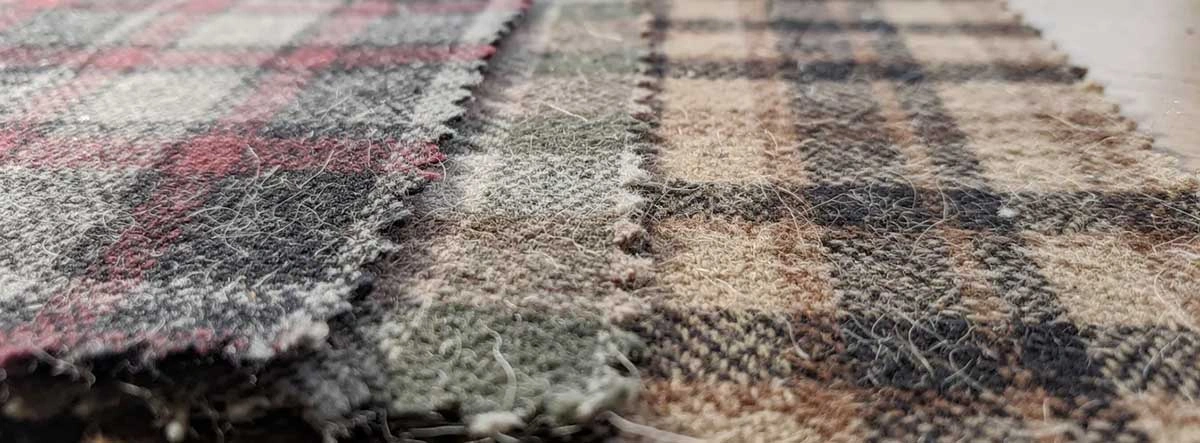
Industrial Applications of Flannel for Garment Factories and Wholesalers
Flannel fabrics remain core to winter and transitional seasonal programs worldwide and are popular for fall and winter apparel programs. MH serves garment factories, wholesalers, and converters producing apparel, baby products, and home textiles at scale.
Apparel: Men's and women's flannel shirts (180–220 g/m² cotton flannel), lounge sets, pajamas, robes, and lined jackets form the majority of apparel demand in many flannel programs. Plaid flannel shirts became iconic in outdoor fashion and continue to carry steady demand. Finishing options (brushed on one side or both, starch or softener treatments) are specified per program.
Baby and juvenile products: Baby flannel for rompers, sleepers, layette sets, and burp cloths requires compliance with infant-safety standards (restricted azo dyes, low formaldehyde). Diaper flannel for reusable diaper lines must tolerate industrial laundering while maintaining absorbency. Buyers specify target export markets (EU REACH, US CPSIA, or Latin American norms) so MH applies the correct process, and many programs also standardize on OEKO-TEX–certified polyester embroidery thread for logos and decorative stitching on baby or juvenile flannel items.
Institutional and workwear: Cotton or blended flannel for uniforms in cold regions, lining fabric for protective clothing, and branded promotional shirts ordered in bulk by corporate and event clients. Many workwear buyers run multi-fabric programs that combine flannel with poly cotton twill fabric for durable uniforms and jackets. Blends (cotton/poly) offer durability and easy care for accessories like stocking caps or work shirts that see fast turnover.
Home textiles: Flannel sheets, duvet covers, pillowcases, and blankets produced for retailers and importers, with flannel remaining popular in bedding and related home textile categories. Buyers that also handle outdoor or utility product lines may source polyester Oxford fabric with PU or PVC coating alongside flannel bedding. Fabric widths of 150–160 cm are standard; MH aligns with specific size charts and packaging requirements. A single bolt of flannel for home use may run heavier (160–200+ g/m²) than shirt-weight cloth.
FAQ: Flannel Sourcing and Technical Questions for B2B Buyers
Below are answers to common sourcing and technical questions MH receives from garment factories, wholesalers, and converters ordering flannel fabric in bulk.
Can MH match our existing cotton flannel quality from another supplier?
MH's process starts with collecting a physical swatch or lab data so the same fabric quality can be created: composition, GSM, warp/weft yarn counts, tear strength, pilling rating, shrinkage, and colorfastness. MH then develops counter-samples (strike-off or lab dip plus fabric sample) for buyer approval. Whether the target is yarn-dyed checks, solids, or printed cotton flannel, or complementary lightweight chiffon fabric for dresses and linings, MH can fine-tune brushing intensity and finishing to achieve a comfortable, matching handfeel, with specifications varying depending on whether the order is for shirts, sleepwear, or other end uses. Once approved, the quality runs consistently across repeated bulk orders for multiple seasons.
What minimum order quantities (MOQs) apply to flannel fabrics?
MOQs depend on composition and construction, and may also vary by order size in meters or by the yard for sample or small-lot discussions. Piece-dyed solid cotton flannel may start around 5,000–10,000 meters per color; yarn-dyed plaids or heavier specialty constructions (double-nap wool, for example) may require 20,000 meters or more, similar to other workwear fabrics like T/C 80/20 twill fabric used for uniforms. Exact figures are confirmed during quotation. MH can sometimes accommodate pilot-production quantities for new programs, with larger commitments once the work is validated in-market, making it easier for buyers who plan to sew test runs before scaling.
Can MH supply baby flannel and diaper flannel that complies with major safety standards?
MH produces baby flannel and diaper flannel according to buyers' required standards: low formaldehyde, restricted azo dyes, and other infant-safety criteria. MH coordinates third-party testing through internationally recognized laboratories when requested in the purchase contract. Many infant and diaper programs also require robust 100% spun polyester sewing thread for seams and bindings. Buyers should specify target markets (EU, USA, or specific Latin American countries) so MH applies the correct compliance requirements and provides plenty of documentation.
Do you keep flannel fabrics in stock, or is everything make-to-order?
MH operates as a make-to-order (MTO) supplier and does not keep large ready-stock programs of flannel fabrics. The MTO model gives buyers precise control over specifications, colors, and branding, including matching 40/2 spun polyester sewing threads to flannel colors. MH manages capacity planning and raw material booking against confirmed orders, maintaining reliable lead times through an integrated supply chain and established export routines, including in-house embroidery thread production for value-added flannel programs. This is perfect for buyers with a defined variety of seasonal programs, and many buyers keep coming back because the model supports repeat seasonal development and specification control.
