
Chenille vs Velvet: Which Fabric is Right for Your Upholstery & Garment Production?
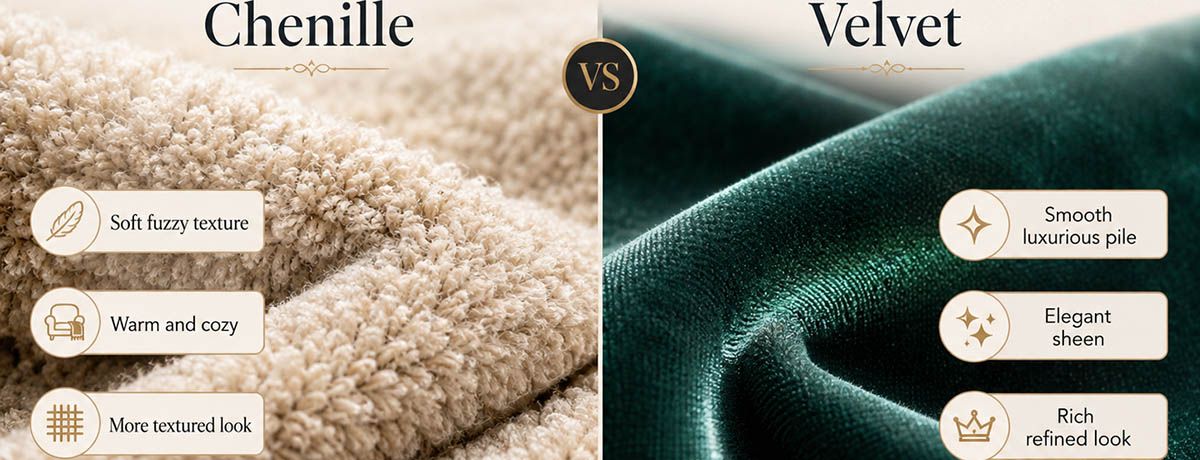
Choosing between chenille and velvet for your next production run comes down to more than aesthetics. Both are pile-based textiles, but they differ significantly in structure, performance, cost, and ideal end-use.
Key Takeaways
Chenille fabric and velvet fabric are both soft, pile-based textiles, yet they differ fundamentally in yarn construction, surface behavior, and industrial application. Understanding these differences is essential for any bulk sourcing decision.
-
Chenille is generally better suited for cozy, casual, high-coverage applications such as bulk chenille sofa upholstery, blankets, and throw pillows, while velvet is preferred for refined, high-value fashion and velvet furniture with a luxurious look and visible sheen.
-
For B2B buyers, the real decision in chenille vs velvet goes beyond appearance. The fiber system (cotton, polyester, blends), construction type (standard vs performance velvet), and target durability metrics (Martindale/Rub test cycles, pilling grade) must align with your end-market requirements.
-
Global export capability (especially to Latin America), consistent bulk dye lots, and stable repeat supply are key differentiators when selecting a partner mill, and this article is written entirely from that B2B perspective.
What Makes Chenille and Velvet Different? (Quick B2B Overview)
Both chenille and velvet are pile-based constructions, but the way their pile is formed creates distinct textures, appearances, and performance profiles. Chenille is made from twisted yarns for a soft texture: short fiber tufts wrap around core yarns, producing a fuzzy, caterpillar-like surface. Velvet is made with a dense, cut-pile weave for a smooth look, where two layers of woven fabric are separated by cutting the pile yarns to create upright fibers.
Chenille has a textured surface and casual appearance, lending itself to a matte, light-absorbing aesthetic. Velvet has a smooth surface with a dense pile that reflects light directionally, producing a rich look and sophisticated atmosphere. In terms of end-use positioning, chenille reads as approachable everyday comfort, while velvet signals formality and prestige.
Buyers comparing chenille and velvet should evaluate pile height, GSM (typically 300–450 GSM for residential chenille, heavier for contract), and Martindale abrasion targets: 25,000+ cycles for home upholstery, 40,000+ for contract use. Both fabrics can be woven from cotton, polyester, rayon, or blends; chenille is especially durable when made from synthetic fibers, while 100% polyester and poly-blend performance velvet now dominates high-wear furniture markets. The sections below drill into structure, cost, and supply chain considerations for bulk sourcing.
What Is Chenille Fabric? Structure, Composition, and Industrial Properties
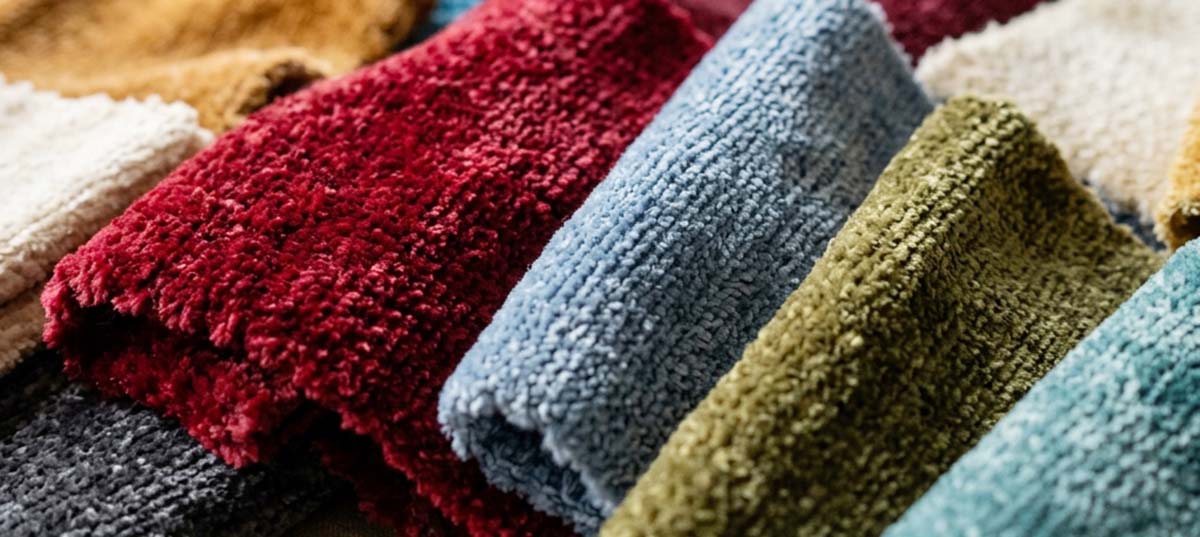
Chenille is a unique fabric whose character is defined at the yarn level. Chenille is made from twisted yarns creating a fuzzy texture: short lengths of fiber are wrapped between two core yarns, and when woven into fabric, these pile fibers project outward to form a fuzzy surface. The name itself comes from a french word meaning "caterpillar," which describes the yarn's appearance. Some mills stabilize the yarn with low-melt filaments and apply steaming or heat-setting post-weave to lock in pile shape, which makes chenille more reliable in bulk production.
Common fiber contents in commercial chenille fabric include 100% polyester for high durability and colorfastness, cotton-rich blends for breathability using natural fibers, and rayon/viscose for a soft hand and drape. Synthetic chenille dominates performance upholstery because it is more durable for regular-use furniture, while natural materials find use in decorative or residential lines.
Typical technical parameters buyers request: widths of 54–60 inches (137–152 cm), GSM ranges of 300–450 for residential upholstery and up to 600 GSM for heavy contract use, with finishing options including anti-pilling, backing, and stain-resistant coatings. Chenille's soft texture makes it perfect for cushions and pillows. Its fuzzy surface can attract dust and pet hair, so maintenance planning matters in residential programs. Chenille is commonly used for bedspreads and throws, and chenille is ideal for upholstery and cozy throws across bulk programs. In everyday-use applications, it can show signs of wear over time. High-performance chenille can resist snagging from pet claws better than some fabrics. It is also ideal for cozy everyday items like blankets and sweaters, delivering a cozy fabric handfeel and strong coverage at competitive cost per meter.
What Is Velvet Fabric? Structure, Composition, and Performance Velvet
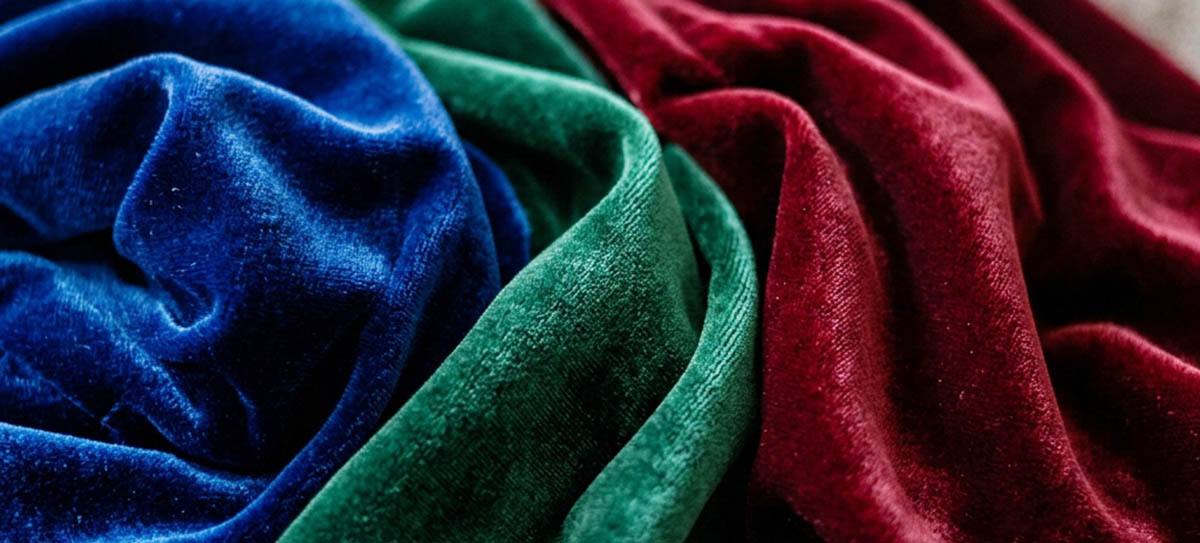
Velvet is a woven fabric with an upright cut pile created by weaving two layers of cloth simultaneously with pile yarns in between, then cutting the thick pile so both layers separate. This produces a smooth texture, a plush texture, and visible sheen that distinguishes velvet from other fabrics. Holland velvet fabric has a silky, smooth, and luxurious feel that positions it squarely in premium markets.
Historically, silk velvets defined luxury, but today's market is driven by synthetic fibers. Modern performance velvet, often 100% polyester, dominates upholstery and contract markets due to superior durability and stain resistance, and synthetic blends can also make it more durable and resistant to snagging. Cotton and viscose velvets still serve high-end fashion where drape and luster matter, but silk remains rare outside specialty production. Velvet reflects light, creating a luxurious appearance with dramatic color depth, especially in jewel tones.
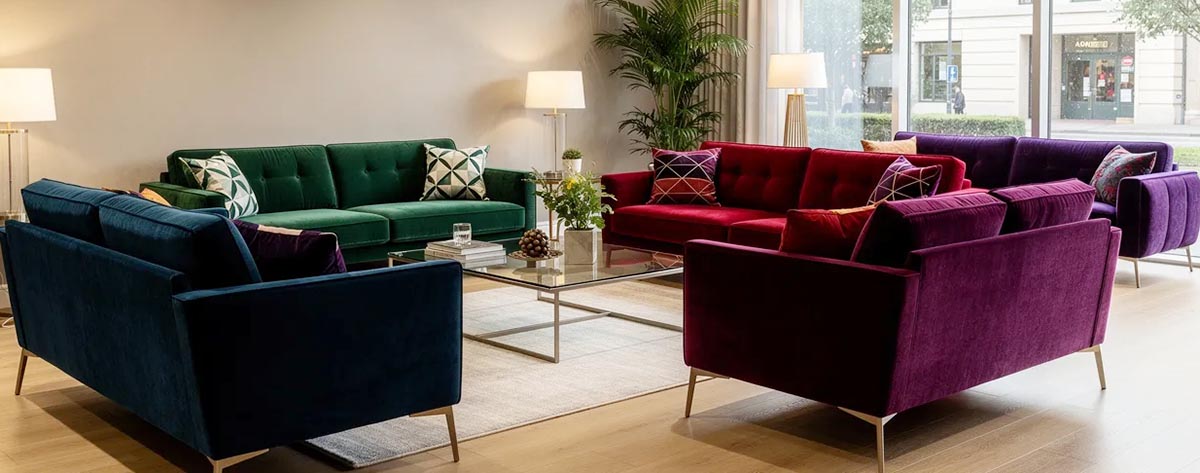
Pile density, pile height, and fiber type directly influence velvet's drape, gloss, and abrasion resistance. Denser pile with synthetic materials typically improves wear performance. Velvet can show pressure marks and may crush under heavy use. Velvet is suitable for formal furniture and evening wear due to its sheen, and velvet's smooth surface adds luxury to furniture and decor. Typical B2B applications include velvet sofas, accent chairs, headboards, high-end ready-to-wear, and decorative products. Velvet is often used for elegant curtains and formal wear. Velvet requires more maintenance than chenille and is often considered high maintenance. It also often needs professional cleaning to preserve appearance. For export markets including Latin America, polyester-based performance velvet with stain-resistant finishes is frequently specified, especially for hospitality and commercial seating projects where Martindale ratings of 60,000–70,000+ cycles are standard. Buyers comparing chenille and velvet should also evaluate broader premium upholstery fabric options to balance durability, handfeel, and price point across a full furniture range.
Chenille vs Velvet: Texture, Look, and End-Use Positioning
Even when both chenille and velvet are made from similar fibers like polyester, they occupy very different positions in a product line. Chenille delivers a cozy feel and approachable warmth, while velvet adds a polished, statement-level presence to any collection.
In hand, chenille's fuzzy feel comes from pile fibers radiating in multiple directions, creating a slightly bumpy, insulating surface. Velvet's fabric's pile stands upright and directional, producing a plush feel and shiny surface that responds to body heat and touch. These tactile differences directly affect perceived value: velvet signals a sophisticated atmosphere in formal living rooms and formal spaces, while chenille invites everyday comfort in family rooms and living rooms.
Visually, chenille offers a more matte, light-absorbing surface with subtle iridescence, while velvet's strong directional nap produces deeper color saturation and a modern look. Velvet is often used in formal settings for its elegance, and velvet reflects light in ways that create a luxurious appearance on statement pieces. Chenille offers good durability for everyday use, making it a practical choice for family rooms and the go-to for large sectional programs, blankets, and volume cushions, though it still requires gentle washing or dry cleaning in care-sensitive applications.
For B2B buyers building tiered assortments, the strategy is straightforward: use chenille for volume, price-sensitive SKUs that prioritize coverage and a cozy feel, and deploy high quality velvet for margin-building hero products, seasonal color stories, and limited editions. Both chenille and velvet can share dye recipes and base fiber types to reduce MOQ pressure across a unified collection.
How to Choose Between Chenille and Velvet for Your Product Line
The decision between chenille vs velvet maps to a matrix of end use, target price, aesthetic positioning, durability requirements, and local market preferences.
For upholstery buyers, chenille works best for family-oriented, casual lines and large sectionals, especially in high traffic areas where a cozy fabric and everyday comfort drive sell-through. Velvet or performance velvet suits briefs requiring a premium, boutique, or hotel-grade finish with a luxurious feel. If your next sofa program targets rental properties or family rooms, chenille's durability and forgiving pile effect will outperform velvet in cost per cycle of use, while specialized options like super soft jaguar sofa fabric can support medium- to heavy-weight seating with a cool-to-the-touch hand.
For garment manufacturers, chenille is the right pick for autumn/winter items: loungewear, robes, scarves, and pieces where a fuzzy texture and warmth matter, though that surface can attract dust and pet hair in some end uses. Velvet is better for eveningwear, blazers, and occasion dresses where sheen, drape, and a luxurious look justify the cost, while lighter wholesale chiffon fabric supports airy dresses, linings, and layering pieces in the same collection. A synthetic version of either fabric keeps GSM manageable for apparel weights.
Climate matters. In warmer markets across Latin America, heavy velvet can trap heat during long periods of use. Lighter-weight chenille or short-pile performance velvet improves comfort. Direct sunlight exposure over time can affect colorfastness, so darker jewel tones require UV-stable dyes.
MH as Your Make-to-Order Supplier for Chenille and Velvet Programs
MH is an integrated manufacturing and trading textile company specializing in make-to-order chenille and velvet fabrics for global B2B clients, backed by garment accessories and tailoring materials manufacturing across nine factories. We do not keep ready retail stock. Every order is produced to your specifications.
Supply chain reliability defines our value proposition. MH maintains ongoing export programs to Globle distributors, delivers consolidated shipments, and ensures color continuity across repeated orders over multiple seasons. Alongside upholstery and apparel bases, we also supply wholesale Oxford fabric with PU/PVC coatings for bags and outdoor products, allowing buyers to streamline sourcing under one vendor. We invite professional buyers to share technical specs (GSM, width, test standards, target price bracket) so our team can propose tailored options. Happy decorating starts with the right production partner. Contact MH to discuss your next chenille or velvet program.


FAQ: Professional Questions About Chenille vs Velvet
This FAQ addresses common B2B concerns about testing, customization, and logistics that professional buyers face when sourcing both chenille and velvet for production programs. These are among the most popular fabrics in upholstery and garment manufacturing, and the questions below cover ground not fully addressed in the main article.
Can chenille and velvet be matched across different product categories (sofas, cushions, curtains)?
Yes. It is technically possible to run coordinated programs across multiple bases using the same dye recipes, but construction and GSM must be adjusted for each application. A heavy upholstery velvet at 450 GSM will not work as drapery without adapting weight, backing, and pile height. MH can develop families of fabrics in unified color stories for brands seeking cohesive collections, including upholstery bases paired with curtain grommets and eyelet rings for window programs using certain cleaning agents and care profiles consistent across the range.
What testing standards should I specify when sourcing chenille or velvet for upholstery?
Reference Martindale abrasion (ISO 12947), pilling resistance (ISO 12945), colorfastness to rubbing and light, and seam slippage tests. Contract projects typically require higher thresholds, especially for public seating. Specify abrasion resistant targets of 40,000+ cycles for contract velvet. For luggage and travel programs that might share the same brand, MH can also supply bag and luggage accessories tested to relevant durability standards. MH can arrange third-party lab testing or provide in-house reports aligned with your requirements.
Are there sustainable or recycled options for chenille and velvet?
Recycled polyester yarns (rPET) can be used in both chenille yarns and velvet pile, reducing reliance on virgin petrochemicals while maintaining performance when engineered correctly. Interested buyers can request proposals for recycled-content programs, with realistic expectations on lead times, MOQs, and possible cost premiums compared with standard polyester constructions, and may combine these with stretch options such as 93% polyester 7% spandex woven fabric for coordinated apparel or soft-furnishing ranges.
