
How Do B2B Buyers Source Flower Wrapping Paper Wholesale?
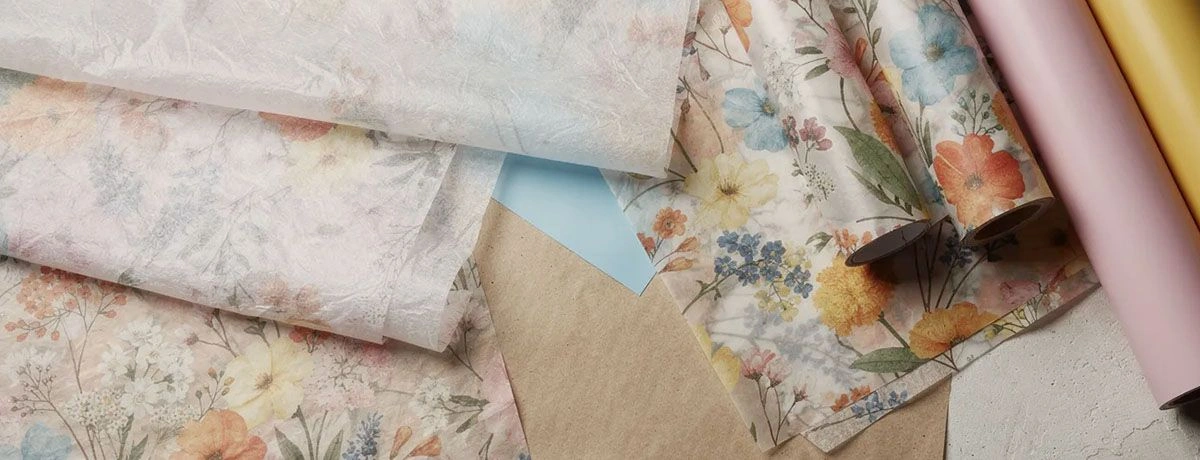
Key Takeaways
-
This guide targets B2B buyers—florists, distributors, and importers—searching for bulk flower wrapping paper in 2026, focusing on cartons, pallets, and long-term supply rather than retail packs.
-
Main material options include OPP cellophane film, korean wrapping paper, kraft paper, waterproof coated paper, and non-woven wraps, each with distinct thickness ranges (25-50 microns for films, 30-80 GSM for papers) and performance profiles.
-
MH emphasizes wholesale specifications: consistent roll and sheet sizes, standardized GSM and microns, stable colors, and repeatable printing quality across large quantities.
-
Customization capabilities for branding—logo printing, colors, patterns, barcoding—directly impact MOQs, lead times, and unit cost.
-
Key evaluation points include moisture resistance, flexibility, tear strength, packaging formats, compliance, and logistics considerations for container-scale shipments.
Overview of Flower Wrapping Paper for Wholesale Buyers
Flower wrapping paper wholesale in 2026 refers to bulk packaging materials supplied in cartons or pallets for florists, supermarkets, and distributors. This differs fundamentally from retail packs designed for individual customers purchasing small quantities.
MH operates as a professional packaging supplier specializing in bulk orders and long-term B2B cooperation. We do not sell retail or small-quantity products. Browse our extensive collection of flower wrapping paper options to find the perfect fit for your needs. MH is your wholesale shop for florists and businesses, offering a wide selection of floral supplies and bouquet wrapping paper.
Key buyer segments include:
-
Independent flower shops: Typically order 100-500 kg recurring, seeking mixed materials and textures
-
Floral chains and supermarket departments: Require standardized, high-volume wrapping with moisture resistance
-
Packaging wholesalers: Stock neutral designs for resale across diverse florist customers
-
Importers: Focus on container-level shipments with optimized palletization
Many flower wrapping papers are available in bulk, making them ideal for wholesale purchases by florists and event planners.
This article covers technical and sourcing aspects—materials, sizes, thickness, performance, and printing options—helping procurement managers evaluate products for bulk purchasing and distribution.
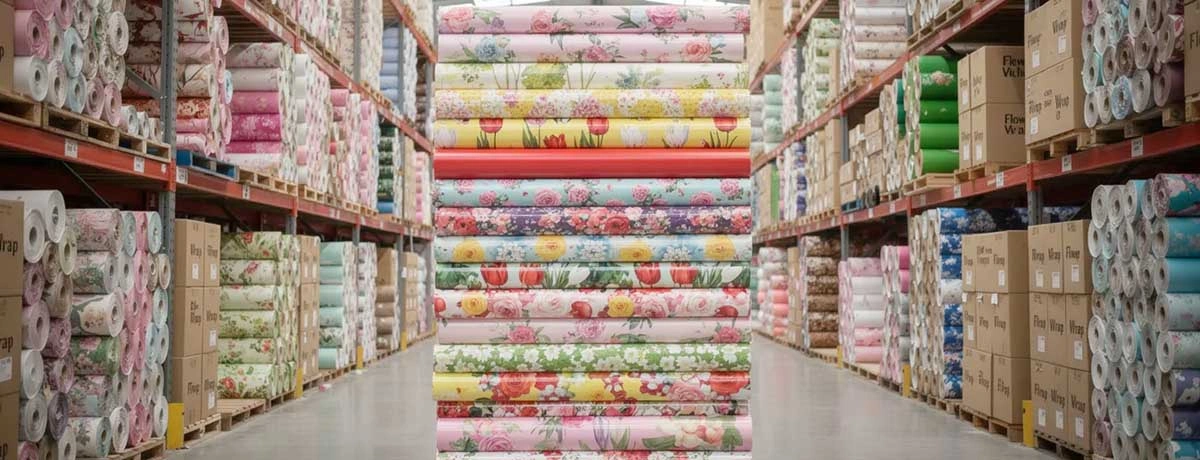
Main Materials Used in Flower Wrapping Paper
Material choice drives performance, price point, and suitability for different distribution channels. Some wrapping papers, such as waterproof colored kraft wrap, feature a smooth texture that enhances the feel and presentation of floral arrangements. Understanding these options helps buyers match products to their specific business requirements.
OPP Cellophane Film and Korean-Style Wrapping Paper
OPP (biaxially oriented polypropylene) film is commonly used at 25-40 microns for floral wrapping paper. This waterproof material offers:
-
Transparent, tinted, or printed variants
-
Roll widths of 50-80 cm and standard sheet sizes for bouquets
-
High gloss and stiffness ideal for shaping bouquet presentation
-
Suitability for supermarket fresh cut flowers requiring moisture protection
Korean wrapping paper, a specialized OPP variant, features intricate floral designs and waterproof finishes crafted for professional florists seeking elegant flower arrangements.
Kraft Paper
Brown and bleached white kraft ranges from 40-80 GSM, with 50-60 GSM commonly used for standard florist wrapping:
-
FSC-certified and recycled options serve eco-focused markets in EU and North America
-
Breathability suits boutique shops preferring paper aesthetics
-
Provides reasonable strength for stem support during short-haul transport
-
Natural texture creates a timeless, soft appearance
Waterproof Coated Paper
Base paper (50-70 GSM) with PE, PET, or proprietary coatings provides:
-
Moisture resistance without a fully plastic appearance
-
Paper-like aesthetics with protective performance
-
Various coating options affecting recyclability—discuss at sourcing stage
Non-Woven Flower Wrapping Materials
Polypropylene non-woven at 30-60 GSM is commonly used in Asia, Europe, and South America, especially when combined with custom design flower wrapping paper solutions tailored for different occasions:
-
Soft handfeel with durable drape for premium hand-tied arrangements
-
High tear resistance for multi-stem bouquets
-
Wide color palette and rich textures
-
10-20% cost premium over OPP, suited to upscale distributors
Specialty options like metallic film, laminated paper-film hybrids, and embossed textures typically carry MOQs of 500-1000 kg and longer lead times (45+ days).
Sizes, Thickness, and Packaging Formats
Standardized sizing and thickness specifications are critical for forecasting material consumption and controlling cost per bouquet at scale.
Common Sheet Sizes
-
50 × 70 cm, 60 × 60 cm, 58 × 58 cm: Hand-tied bouquets and elegant floral arrangements
-
40 × 60 cm: Smaller mixed bunches and gifts
-
Custom dimensions available for large, repeat orders to fit automated packing lines
Roll Formats
Roll widths typically range from 50, 60, 70, to 80 cm with lengths of 50 m, 100 m, or 200 m:
-
Rolls: Preferred for high-volume in-store cutting with flexible bouquet sizes (20-30% labor savings)
-
Pre-cut sheets: Time-saving for standardized presentation (15% waste reduction in high-throughput environments)
Thickness and Weight Ranges
|
Material |
Typical Range |
Application Notes |
|---|---|---|
|
OPP Film |
25-40 microns |
General use; up to 50 microns for export bouquets |
|
Kraft Paper |
40-80 GSM |
Lighter for decorative layers; heavier for structural support |
|
Non-woven |
30-60 GSM |
Varies by required drape and durability |
Wholesale Packing Methods
-
Carton packing: 250-500 sheets per ream with clear labeling for color, design, batch, and production date
-
Roll packing: Core diameter specifications (3-5 cm), wind direction consistency, protective wrapping for ship transit
-
Palletization: Shrink-wrapped pallets maximize CBM usage; prevents deformation under load for FCL shipments
Performance Characteristics Important for Bulk Buyers
B2B buyers require predictable, repeatable performance across entire containers and repeat orders—not just visually attractive material.
Flexibility and Workability
-
OPP and waterproof paper need controlled stiffness so wrapping staff can create bouquets efficiently without compromise
-
Non-woven materials provide soft drape suitable for premium floral designs
Strength and Tear Resistance
-
Consistent GSM and fiber quality in kraft paper supports stems without tearing during transport
-
Non-woven filament structure impacts tear resistance for heavy, multi-stem bouquets (50 GSM handles approximately 50 stems)
Moisture and Water Resistance
-
OPP film and coated papers provide full waterproof protection for wet stems and water picks
-
Kraft and non-woven offer breathability—buyers may intentionally choose less waterproof options for eco-positioning
Color Fastness and Print Durability
-
Colors should resist fading under store lighting (Delta E <2 tolerance)
-
Water-based inks per EU norms prevent smudging on contact with moisture
Consistency and Quality Control
-
Acceptable tolerances: ±5% thickness/GSM deviation, ±1% roll length accuracy
-
Traceability: Lot numbers and production dates for multi-country supply management
-
Compliance: REACH compliance for EU exports, low-odor inks for indoor retail
Commercial and Wholesale Applications
Core materials can be configured differently for various channels: florist shops, supermarket chains, e-commerce flowers businesses, and packaging distributors.
Independent Florists and Boutique Studios
-
Mixed materials (kraft, non-woven, selected films) in smaller but recurring orders
-
Preference for differentiated textures and style variety
-
Smaller pack sizes within cartons reduce storage pressure
Supermarket and Mass Retail
-
High-volume OPP or waterproof paper in standardized widths, often paired with wholesale chiffon fabric for floral decor and event displays
-
Strong moisture resistance for pre-packed bouquets
-
Easy barcode integration, efficient designs across store formats
Packaging Distributors and Wholesalers
-
Structured range of neutral colors and basic printed designs for resale, sometimes supplemented by wholesale Oxford fabric for related packaging and display products
-
Stable specifications repeatable over several seasonal cycles
-
Clear product coding and outer-carton labeling for warehouse management
Importers and Large Regional Buyers
-
Container-level shipments with optimized palletization
-
Multi-language carton markings for different destination markets
-
Long-term contracts synchronized with peak floral seasons (February, May, December—40% volume spikes)
Specialized Applications
-
Pre-formed bouquet sleeves for automated packing lines, similar in handling to 600D PVC coated polyester Oxford fabric used in durable packaging applications
-
Coordinated packaging sets: wrapping paper matched with ribbons, labels, pouches, and bag and luggage accessories for complementary gift packaging
How to Evaluate a Flower Wrapping Paper Supplier
B2B buyers should assess more than unit price—long-term reliability and technical capability prove critical in 2026’s competitive floral company markets.
Key Evaluation Criteria
-
Production capacity: Ability to handle peak-season volumes (10-50 ton/month) without delays
-
Material range: OPP, kraft, waterproof paper, non-woven with in-house printing capabilities
-
Quality systems: Documented QC steps, batch testing, ISO certifications
Sampling and Testing
-
Request pre-production samples in target GSM/micron and design
-
Perform simple in-house tests: tearing, wet tests, folding, sample wrapping to check workability
Communication and Project Management
-
Clear responses on lead times, MOQs, and artwork handling
-
Technical advice on material choice based on buyer’s channel and occasion requirements
Logistics and Service
-
Experience managing LCL/FCL shipments and export documentation
-
Flexibility for staggered deliveries or call-off orders with long-term contracts
Review consistency over multiple orders—monitoring color variation, thickness tolerance, and on-time delivery over 2-3 seasonal cycles indicates true supplier reliability.


FAQ
What is the typical minimum order quantity for custom-printed flower wrapping paper?
MOQs depend on material and printing method. For custom OPP and waterproof paper, expect minimums starting from several thousand meters per design or color. Kraft and non-woven MOQs are usually expressed in sheets or kilos, often equivalent to a few pallets for economic production. Consolidating colors or designs helps meet MOQs efficiently while reducing per-unit cost through economies of scale.
How far in advance should I place orders for peak seasons like Valentine’s Day and Mother’s Day?
Importers and large distributors should plan artwork and specifications at least 4-6 months before holidays, with firm purchase orders confirmed 3-4 months in advance. This timing allows for production (30-45 days), quality checks, ocean transit (20-30 days), customs clearance, and distribution to stores without premium airfreight costs. Off-peak lead times may be shorter, but seasonal congestion at factories and ports can significantly extend turnaround.
Can flower wrapping paper be made eco-friendlier without losing performance?
Sustainable options include FSC-certified kraft paper, higher recycled content, and reduced-plastic or thinner film constructions (under 30 microns). Fully waterproof performance typically requires plastic films or coatings, but hybrid solutions—uncoated kraft for outer layers with minimal film for inner moisture protection—can reduce overall plastic usage by 30%. Specify environmental priorities (recyclability, recycled content, certifications) so suppliers can recommend suitable material combinations.
What information should I provide to get an accurate wholesale quotation?
Essential data points include: material type (OPP, kraft, waterproof, non-woven), GSM or micron, dimensions (sheet or roll), design/printing requirements, and expected order volume per shipment and annually. Also share destination port, preferred Incoterms (FOB, CIF), and delivery timeframe. Including reference photos or physical samples of existing materials speeds matching and cost estimation for ±5% pricing accuracy.
How do I ensure consistent quality across repeat orders and different shipments?
Agree on written specifications—thickness tolerance, color standard, gloss level, roll length, packaging details—using signed samples as reference. Request batch numbers on each carton with periodic QC reports. Monitor incoming shipments with simple internal checks and provide quick feedback so deviations can be corrected in future production runs.
