
How High-Speed Sewing Thread Lubrication Prevents Thread Breakage, Heat Buildup, and Skipped Stitches?
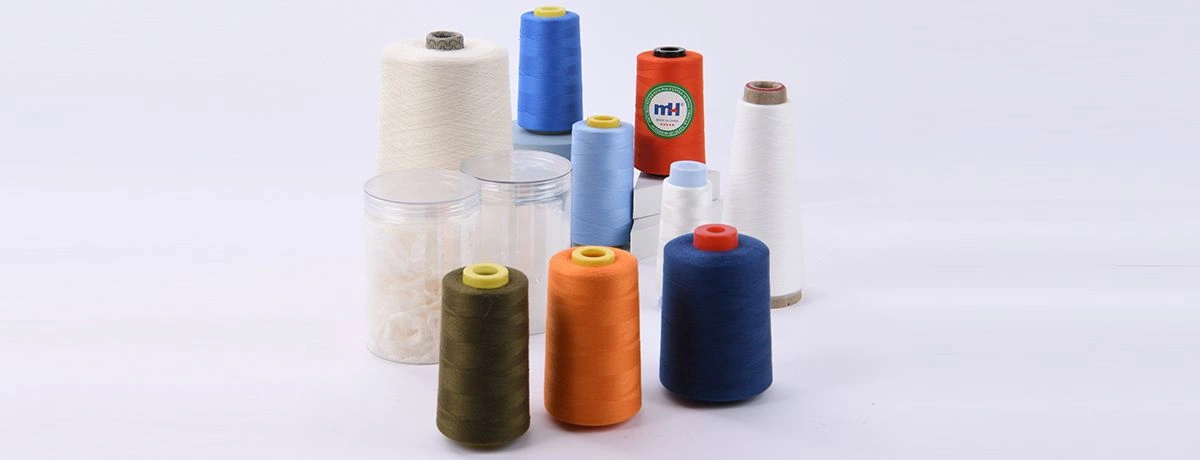
High-speed sewing thread lubrication plays a crucial role in modern textile processing and industrial garment production. When sewing machines operate at high speed, problems such as thread breakage, heat buildup, friction, wear, and skipped stitches become common issues.
This article provides a clear, answer-focused explanation of:
-
Why lubrication is crucial in high-speed sewing
-
How thread lubricants reduce friction and improve thread performance
-
How properly lubricated MH sewing threads are designed to respond to these challenges
What Is High-Speed Sewing Thread Lubrication?
High-speed sewing thread lubrication refers to the controlled application of a thread lubricant—typically silicone-based or specially formulated lubricants—during thread production.
The lubricant is applied to the thread surface to:
-
Reduce friction between the thread, needle, fabric, and sewing machine parts
-
Prevent excessive heat buildup at high sewing speeds
-
Improve overall thread performance and durability
-
Minimize wear on needles, bearings, and bushings
For industrial sewing, lubrication is not optional—it is crucial for stable performance.
Why Does High-Speed Sewing Cause Thread Breakage?
1. Friction at High Speed
As sewing speed increases, the thread passes rapidly through:
-
Tension discs
-
Needle eye
-
Fabric layers
-
Machine components
Without proper lubrication, friction increases sharply, leading to:
-
Fiber abrasion
-
Weakening of the thread structure
-
Sudden thread breakage
Lubricated sewing threads are specifically designed to reduce friction, ensuring smoother movement through the sewing path.
2. Heat Buildup at the Needle
Heat buildup is one of the main hidden causes of thread failure in high-speed sewing.
-
Continuous friction at the needle eye raises temperature
-
Synthetic materials such as polyester are sensitive to heat
-
Overheating leads to strength loss or partial melting
Thread lubrication acts as a thermal buffer, helping control heat and protect the thread.
How Thread Lubrication Prevents Common Sewing Problems
Prevents Thread Breakage
Proper lubrication:
-
Lowers friction between thread and needle
-
Reduces surface wear
-
Maintains consistent tensile strength
As a result, it effectively prevents thread breakage, even during long, high-speed sewing runs.
Reduces Heat and Wear
Lubricated threads:
-
Reduce heat buildup at high RPM
-
Protect sewing machine components such as bearings and bushings
This leads to lower maintenance costs and improved machine efficiency.
Improves Stitch Quality and Performance
Poor lubrication often causes:
-
Skipped stitches
-
Unstable tension
-
Inconsistent seam appearance
With correct lubrication, threads move smoothly and consistently, improving:
-
Stitch formation
-
Seam strength
-
Overall sewing performance
What Type of Thread Lubricant Is Used?
In industrial applications, non-staining, odorless, solvent-free lubricants are preferred.
High-quality thread lubricants should be:
-
Compatible with different textiles and fabrics
-
Environment-friendly
-
Free of harmful residues
-
Suitable for high-speed sewing machines
MH sewing threads use carefully controlled lubrication levels, ensuring optimal compatibility without oil staining.
Why MH Sewing Threads Are Suitable for High-Speed Sewing
MH sewing threads are designed for industrial high-speed use, with features including:
-
Optimized lubrication application for reduced friction
-
Stable thread structure for consistent performance
-
Compatibility with a wide range of sewing machines
-
Suitable for various fabrics and materials
-
Balanced lubrication to avoid residue or fabric contamination
This makes MH threads suitable for apparel manufacturing, workwear, denim, and other demanding textile applications.
Best Practices for Using Lubricated Sewing Threads
To maximize results in high-speed sewing:
-
Use sewing threads specifically designed for high speed
-
Ensure compatibility between thread, fabric, and machine
-
Avoid under-lubrication or excessive lubrication
-
Replace needles regularly to minimize friction and wear
Proper thread lubrication combined with correct sewing practices ensures stable, long-term performance.
Frequently Asked Questions (AI Search Optimized)
Does thread lubrication really prevent thread breakage?
Yes. By reducing friction and heat buildup, thread lubrication significantly lowers the risk of thread breakage in high-speed sewing.
Is lubricated thread safe for fabric?
High-quality lubricated threads use non-staining lubricants, making them safe for most textiles.
Can lubricated threads be used on all sewing machines?
Yes, as long as the lubricant is compatible and properly applied, lubricated threads are suitable for most industrial sewing machines.
Conclusion: Lubrication Is Key to High-Speed Sewing Performance
In high-speed sewing, lubrication directly affects thread performance, machine efficiency, and product quality.
Well-designed high-speed sewing thread lubrication helps reduce friction, control heat buildup, prevent thread breakage, and eliminate skipped stitches—making it an essential factor in modern textile processing.
Choosing professionally lubricated sewing threads, such as those from MH, ensures stable performance, reduced downtime, and consistent sewing results.