
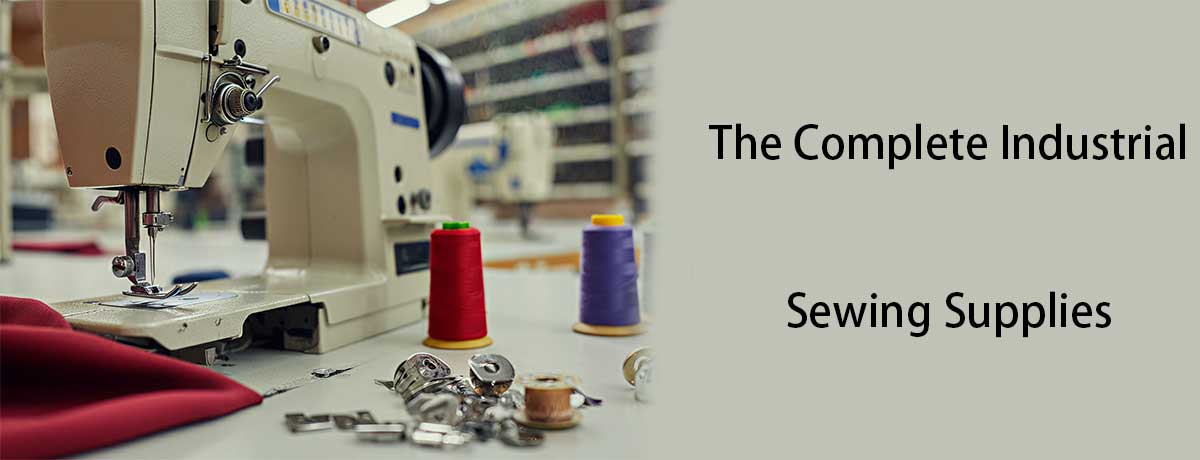
Industrial sewing drives high-volume textile, garment, and upholstery sectors worldwide. The right industrial sewing supplies are essential for wholesalers and supermarket purchasers aiming to ensure operational efficiency, minimize procurement risk, and maximize return on investment (ROI). This guide outlines the critical categories of industrial sewing supplies, with actionable procurement tips and the latest innovations for buyers managing large-scale supply chains.
Meeting Demand with Reliable Industrial Sewing Supplies
As manufacturing and retail sewing sectors grow, demand for commercial-grade equipment and consumables rises. Buyers must source industrial sewing machines, robust threads, precise needles, and durable accessories that stand up to rigorous factory or supermarket retail environments. Strategic purchasing reduces downtime, controls costs, and enhances product consistency.
This post explains the main categories of industrial sewing supplies, offers guidance for selecting and maintaining inventory, and highlights innovation among leading global suppliers.
What Distinguishes Industrial Sewing Supplies?
Industrial sewing supplies are engineered differently from consumer products. They prioritize long-term reliability, high run speed, and compatibility with various fabrics and threads encountered in commercial settings. Factories, workshops, and retail operations depend on:
Specialized thread (polyester, nylon, cotton)
A range of needles and fasteners
Essential accessories (bobbins, presser feet, oilers)
Cutting and measuring tools
Selecting the right suppliers means confirming inventory depth, responsive logistics, and strong technical support for all the sewing supplies required.
Choosing the Right Industrial Sewing Machines
Types and Selection Criteria
Industrial sewing machines anchor production. Wholesalers and supermarket purchasers should evaluate:
Application: Heavy-duty work (denim, leather), garment assembly, upholstery, embroidery, or specialty
Automation: Manual, semi-automatic, and fully computerized machines affect productivity and staffing
Power & Space: Energy efficiency and machine footprint matter for commercial operations
Popular Industrial Machine Styles
Lockstitch Machines: Industry-standard for shirts, linens, and structured garments. Clean seams and robust construction.
Overlock/Serging Machines: Essential for edge finishing. Prevents fraying in bulk textile runs.
Coverstitch Machines: Ideal for hemming knitwear and decorative finishing on sportswear.
Bar-Tack Machines: Reinforces stress points in uniforms, outdoor gear, and workwear.
Top Brand Recommendations
Juki and Brother machines are regarded for their automation, broad compatibility, and after-sales support. Ensure selected models include advanced safety features and are compatible with a broad range of threads and needle sizes for seamless sewing machine running and cost-effective maintenance.
High-Quality Industrial Sewing Thread
Selecting the Best Thread
Thread quality shapes the durability, appearance, and efficiency of finished products. Key factors:
Material: Polyester for general use and colorfastness; nylon for high-strength needs; cotton for dyeing or natural fiber blends.
Tex or Denier Rating: Higher numbers mean greater strength, vital for thick or multi-layer fabrics.
Finish: Lubricated thread supports high-speed industrial sewing and reduces wear on machines.
Stock Essentials
100% Polyester Thread: Top choice for garments, upholstery, and most housewares. MH Polyester Sewing Thread maintains color and tensile strength.
Nylon Thread: Chosen for backpacks, sports gear, and furniture.
Cotton Thread: Best for custom dyeing and specialty applications.
Elastic Thread: Necessary for swimwear, underwear, and performance apparel.
Procurement teams should request supplier shade cards and durability certifications to guarantee thread quality meets required standards.
Needles, Fasteners, and Essential Accessories
Building an Optimal Inventory
Needles: Stock a full range by size and point (ballpoint for knits, sharp for woven, wedge for leather).
Bobbins and Cases: High-precision manufacturing ensures smooth thread flow and reduces machine issues in large production runs.
Presser Feet and Attachments: Specialized feet (such as zipper, buttonhole, or overcasting) expand functionality and streamline changeovers.
Fasteners: Zippers, buttons, snaps, and hook-and-loop closures are foundational. MH Zippers offer dependability and consistent dyeing across bulk orders.
Oil and Maintenance Kits: Regular lubrication ensures extended sewing machine running and prevents expensive downtime.
Spare Parts and Preventive Maintenance
Safeguarding Against Downtime
Unscheduled repairs disrupt schedules and increase costs. Maintain stocks of:
Drive belts
Needle plates
Loopers and shuttles
Motors and control boards
Choosing suppliers with OEM-certified replacement parts minimizes risk and gives purchasers quick access to critical components for all major sewing machine brands.
Cutting and Measuring Tools for Precision
Tools for Scalable Accuracy
Cutting Machines: Rotary and electric cutters handle bulk fabric efficiently and improve pattern consistency.
Measuring Instruments: Precision measuring tapes and steel rulers underpin repeatability in mass production.
Additional Aids: Digital pattern markers, heat cutters for synthetics, and high-grade shears streamline workflows.
Innovations and What Leading Sewing Supply Vendors Offer
Features That Set Top Suppliers Apart
Comprehensive Catalogs: MH is recognized for extensive lines of threads, zippers, fasteners, and associated tailoring materials. One-stop sourcing saves time and cost.
Interactive E-catalogs: Flipbook-style interfaces simplify exploration and allow rapid sample and quote requests.
Customization: Services such as private label branding, bespoke fittings, and exact color matching cater to specialized requirements.
Robust Logistics: Reliable inventory, fast global shipping, and responsive customer service ensure steady supply and quick refills.
Sustainability: Eco-friendly certified threads, recyclable packaging, and traceable sourcing align with modern supply chain ethics and add brand value.
Sourcing Tips for Wholesalers and Supermarket Purchasers
Vet Supplier Credentials: Choose partners with proven histories and international regulatory compliance.
Negotiate Bulk Pricing: Leverage purchasing power for favorable rates on sewing supplies.
Request Samples: Test new batches on internal production lines to ensure compatibility before full rollout.
Leverage Technical Support: Work with suppliers offering hands-on technical assistance, training, and spare parts.
Stay Current: Track supplier e-catalogs for product updates and new technology integration.
Steps for Efficient, Reliable Procurement
Operational resilience and profitability depend on an optimized mix of machines, thread, fasteners, and accessories. Review current vendors for fulfillment reliability and technical support quality. Fill inventory gaps with value-driven innovations and confirm suppliers offer transparent, ongoing support.
Wholesalers and supermarket purchasers who invest in high-performance industrial sewing supplies ensure smooth machine running, superior product quality, and a responsive supply chain. Strategic procurement keeps production agile and customers satisfied, enabling companies to meet demand and grow market share with confidence.