
What Is Jersey Knits Fabric and How Is It Used in Apparel Manufacturing?
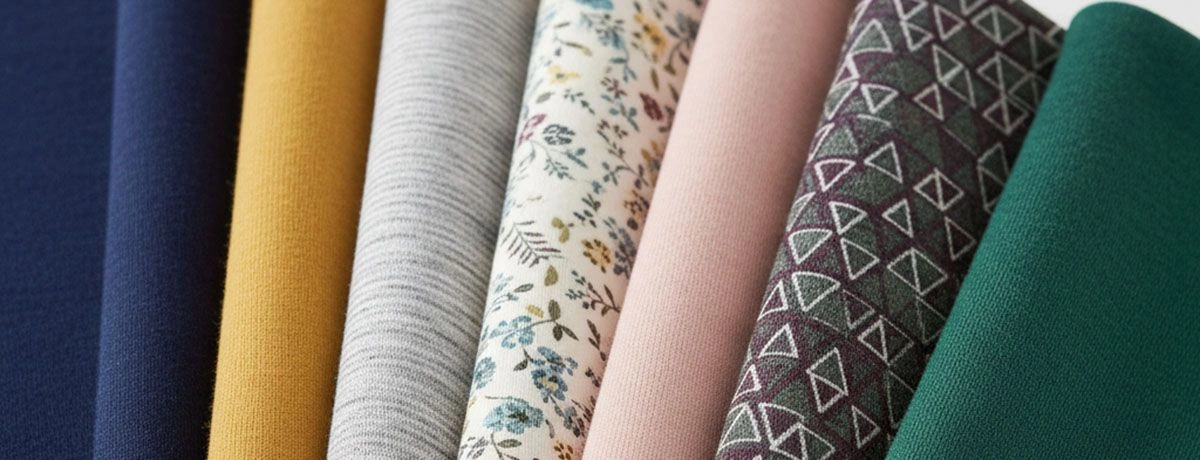
Jersey knits fabric is a highly versatile, continuous-loop textile widely utilized in global apparel manufacturing. Soft, stretchy, and perfect for creating comfortable, breathable, and stylish garments, jersey knits are great for T-shirts, loungewear, dresses, activewear, and skirts. Known for its distinct stretch, fluid drape, and wearer comfort, this fabric forms the foundation of countless garment categories. Sewing with jersey fabric is easy, making it a great choice for both beginners and experienced manufacturers. For wholesalers and garment factory owners, understanding the technical specifications of jersey knit is essential for optimizing production lines and ensuring product quality.
MH, a leading B2B provider of garment accessories and tailoring materials integrated manufacturing and trading textile company, partners with global enterprises to supply premium textiles. Jersey knit fabric is available by the yard or in bulk rolls, and comes in a variety of matte or shiny colors and printed patterns (prints) like floral, animal, or African prints. Operating exclusively on a Make-to-Order (MTO) basis, MH delivers supply chain reliability and large-scale production capacity, particularly for export markets across Latin America. This guide covers the essential properties, types, and procurement considerations for jersey fabrics.


What Is Jersey Knit Fabric?
Jersey knit fabric utilizes a looped-knit construction rather than a traditional woven grid. This interlocking loop structure gives the material its signature elasticity. The fabric features a smooth knit face with vertical lines (wales) and a textured purl back with horizontal lines (courses). Due to the tension created during the knitting process, standard single jersey exhibits typical edge curling behavior when cut, which manufacturers must account for during garment assembly.
Jersey Fabric Construction and Types
Knitting machines produce several structural variations of jersey to meet different apparel requirements.
Single-knit jersey features the standard smooth face and textured back. Double-knit jersey is knitted with two sets of needles, creating a more stable, thicker fabric with two smooth sides. Manufacturers classify these fabrics by weight: lightweight (ideal for tees), medium-weight (standard apparel), and heavyweight (sweats and structure garments).
Specific variants include interlock (a stable double-knit), rib knit fabric (featuring alternating vertical ridges for high stretch), and slub jersey (incorporating textured yarns). The knit gauge, or number of stitches per inch, directly affects the fabric's drape and stretch recovery. A higher gauge yields a finer, tighter drape.
Fibers Used in Jersey Fabric
Textile mills spin jersey from a variety of fiber sources. Common natural fibers include cotton, wool, bamboo, and rayon, which offer high breathability and absorbency, and related products like milk cotton hand knitting yarn serve complementary segments in the knitwear market. Common synthetic fibers, such as polyester and nylon, provide durability and wrinkle resistance.
Jersey knits are soft, stretchy fabrics made from cotton, rayon, bamboo, or blends, and fashion brands often combine them with lightweight chiffon fabric for dresses and overlays to achieve layered silhouettes. Rayon/Viscose Jersey is extremely soft, thin, and fluid with a high drape, making it ideal for loungewear and flowy tops.
Factories frequently utilize fiber blends to balance stretch, softness, and cost, and may also adopt polyester spandex stretch woven fabrics in product lines that require four-way elasticity and shape retention. When garments require active recovery and form-fitting retention, manufacturers add spandex or elastane to the base fibers.
Cotton Jersey: Features and Uses
Cotton jersey remains a staple in commercial garment production. It provides exceptional breathability and softness, making it suitable for direct skin contact. Typical cotton jersey weight ranges fall between 120 GSM (grams per square meter) and 200 GSM.
Garment factories commonly use cotton jersey for t-shirts, loungewear, and undergarments, often enhancing premium pieces with logos or motifs stitched in 150D/2 rayon embroidery thread. Industrial care standards require preshrinking processes, as cotton jersey garments are prone to shrinkage during high-temperature washing and drying.
Jersey Knit Performance Options
Advanced manufacturing techniques yield specialized performance options for activewear and technical apparel. High-recovery stretch options utilize precise percentages of elastane to prevent sagging. Moisture-wicking and quick-dry finishes alter the fabric surface to pull sweat away from the body. For colder climates, thermal and brushed fleece jersey types feature mechanically altered backings that trap body heat.
How To Sew and Work With Jersey Knit Fabric
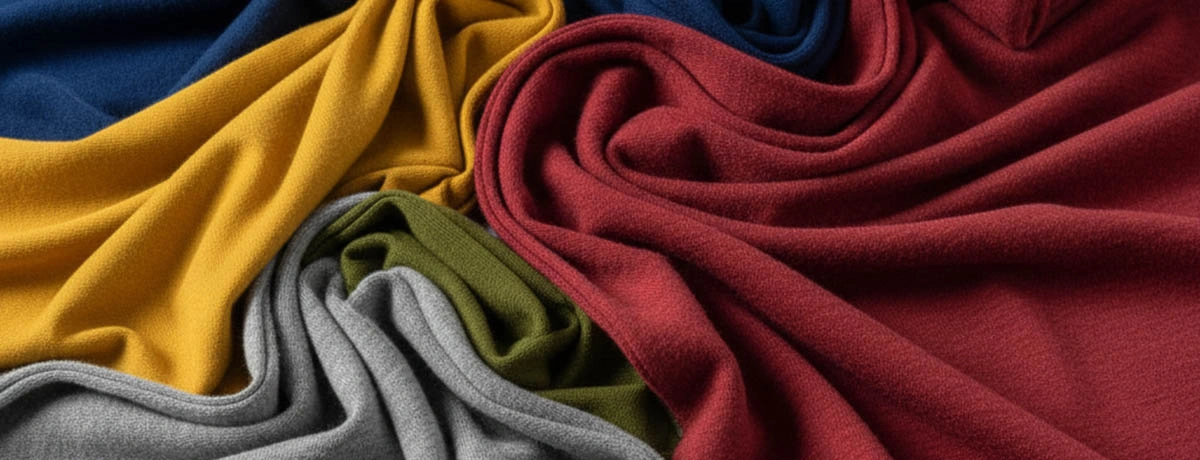
Sewing garments with jersey fabric is easy, making it accessible for both beginners and professionals, especially when paired with high-quality wholesale sewing threads that support efficient production.
Garment factories must adapt their equipment to handle stretch materials efficiently. Industrial overlock and coverstitch machines require ballpoint needles to separate the fabric yarns rather than piercing them, which prevents laddering, and they typically run on 100% spun polyester sewing threads for durable seams.
Stitch types for stretch seams include overlock stitches or specialized zig-zag configurations to allow the seam to stretch with the fabric. Cutting departments use stabilized methods, such as vacuum tables or temporary spray adhesives, to prevent shifting. Appropriate seam finishes and hemming techniques, like twin-needle
Buying and Selecting Jersey Fabric
Bulk procurement requires careful evaluation of technical specifications. Jersey knit fabric is sold by the yard and can also be purchased in bulk by the roll, making it convenient for both small and large-scale buyers. Buyers should compare fabric weight, stretch percentage, and elasticity recovery to ensure alignment with garment patterns. It is vital to check rib and grain direction before buying to calculate exact material yields.
Professional buyers should always request lab dips and order swatches for color matching and hand-feel testing, particularly when coordinating jersey garments with decorative details sewn in specialized embroidery threads. Because patterns must align perfectly and edge curling can affect cutting efficiency, factories typically calculate a slightly higher yield allowance. MH specializes in fulfilling these exact specifications through scalable Make-to-Order production, ensuring global buyers receive precisely engineered textiles without the limitations of pre-existing stock.
Frequently Asked Questions
Is jersey knit fabric beginner-friendly for production lines?
Operators transition easily to jersey production once industrial machines are properly calibrated with the correct tension settings, ballpoint needles, and walking feet attachments.
How to stop jersey edges from curling?
Applying a light starch spray during the cutting phase or utilizing commercial edge-stabilizing tapes prevents curling during the assembly process.
Can I use a regular sewing machine?
While standard lockstitch machines can sew jersey using specialized stretch stitches and twin needles, industrial sergers and coverstitch machines are required for efficient, commercial-grade stretch seams that run reliably on 40/2 100% spun polyester sewing threads.
How to choose between single and double knit?
Select single knit for lightweight, breathable garments like t-shirts that require fluid drape. Choose double knit for structured items like dresses, blazers, or heavyweight pants that require higher stability and less edge curling.
