
Knitted vs Woven 4-Way Stretch Fabric: Which Is Better for Your Application?
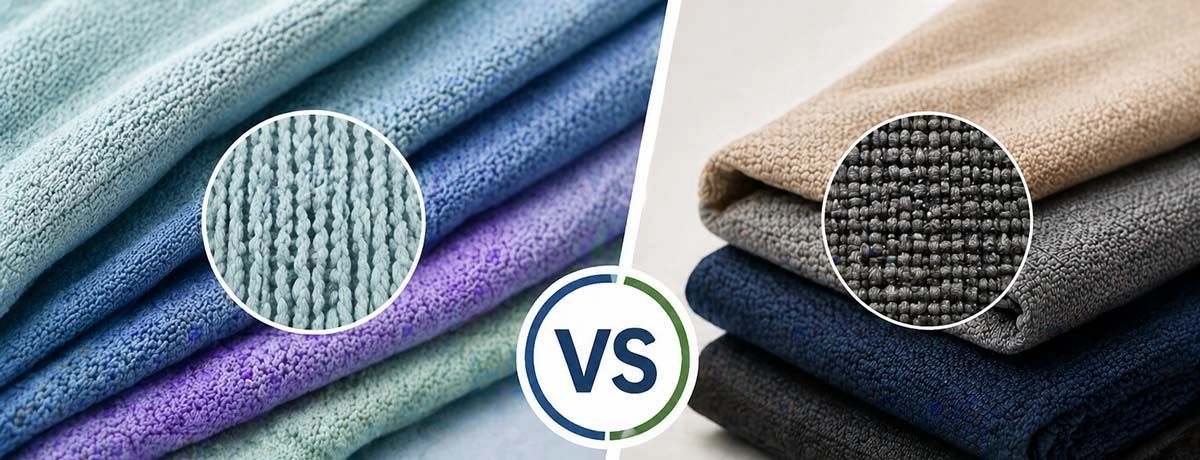
Introduction: Understanding the Main Difference Between Knit and Woven Fabrics
When sourcing knitted vs woven 4 way stretch fabric, many B2B buyers struggle to clearly understand the main difference between knit and woven textiles.
There are two fabric types: knit and woven. Understanding how each is created is key to making the right sourcing decision.
Both knit fabric and woven fabrics are widely used in garments, but their fabric stretch, durability, structure, and applications vary significantly.
For buyers working with:
-
T-shirts, leggings, and form fitting apparel
-
Pants, jackets, and structured items
-
Workwear, uniforms, or upholstery
Choosing the wrong fabric type can lead to:
-
Poor product performance
-
Customer complaints about losing shape
-
Increased returns and cost
This guide will help you understand knitted and woven fabrics, including how woven fabrics are created by interlacing yarns using traditional weaving techniques such as plain weave, twill weave, rib knit, and stretch fabrics, so you can make smarter sourcing decisions.
Quick Recommendation (For Fast Decision-Making)
-
Choose knitted 4 way stretch fabric if you need:
-
Soft, stretchy knit with excellent drape
-
Comfort and flexibility for body’s contours
-
Ideal for leggings, t shirts, and sportswear
-
-
Choose woven 4 way stretch fabric if you need:
-
Strong, tightly woven structure
-
Better durability and wrinkle resistant performance
-
Ideal for pants, jackets, and uniforms
-
Simple Rule:
-
Comfort & stretch → Knit fabric
-
Structure & durability → Woven fabric
What Is Knit Fabric? (Knitting Structure Explained)
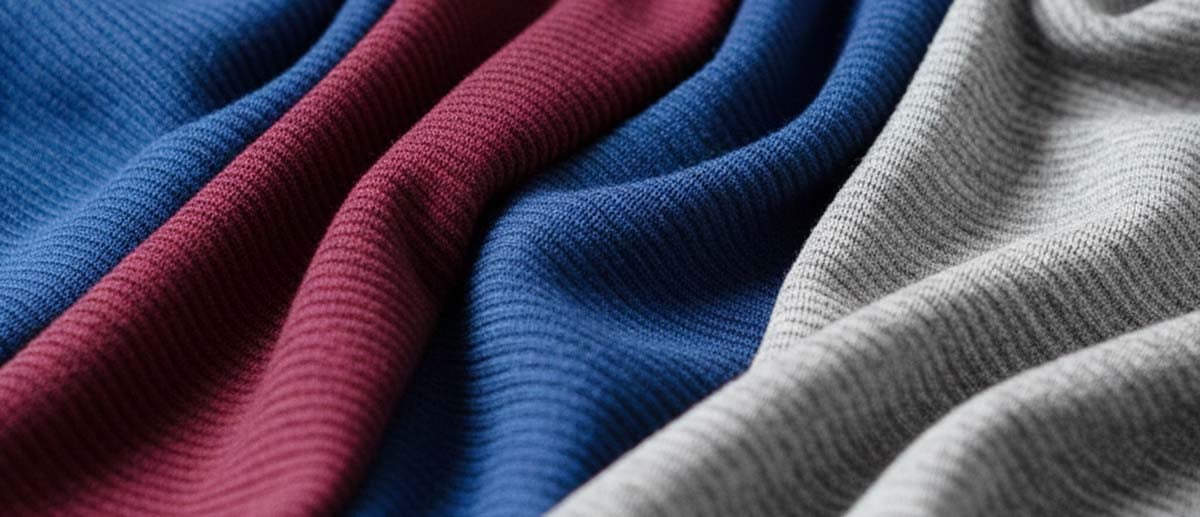
Knitted fabric is made by interlooping yarns using a knitting machine, forming a structure of continuous loops. Typically, knit fabrics are produced from a single yarn that creates interlocking loops, which results in their characteristic stretch and comfort compared to woven fabrics.
Warp knit is a specific type of knit construction, and its unique structure can influence the stretch and stability of the fabric, depending on the use of elastic fibers or the knitting technique.
Key Characteristics of Knit Fabric
-
High fabric stretch (natural elasticity), especially in 4 way stretch knit fabric
-
Soft and flexible with better drape
-
Follows the body’s contours
-
Less wrinkle resistant
-
Can lose shape over time
Common Knit Fabric Types
-
Jersey (used for t shirts)
-
Rib knit (high elasticity)
-
Double knit (thicker and more stable)
-
French terry (casual and sportswear)
Fiber Content Options
-
Cotton
-
Cotton spandex
-
Polyester
-
Nylon spandex (lycra blends), commonly used in 4 way stretch swimwear fabric
What Is Woven Fabric? (Weaving Structure Explained)
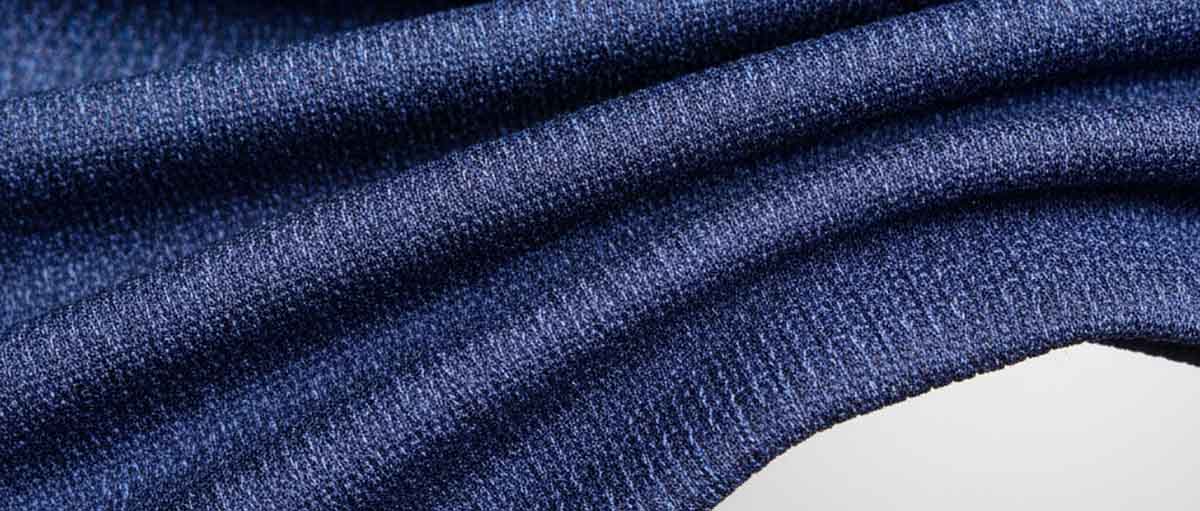
Woven textiles are made by interlacing warp threads and weft threads at right angles, forming a crisscross pattern. This interlacing process is performed on a loom, which is the essential machine used for weaving. The weft yarn is the thread that runs horizontally and is woven over and under the vertical warp threads. Woven fabrics are created by interlacing yarns using various weaving techniques, allowing for the production of a wide range of fabric types. Classic examples of woven fabrics include linen, poplin, and silk, each known for their unique properties and historical significance.
Key Characteristics of Woven Fabric
-
Strong and durable structure
-
Less natural stretch (needs elastic fibers like spandex)
-
Better shape retention
-
More wrinkle resistant
-
Suitable for structured garments
Common Weave Types
-
Plain weave technique (simple and durable)
-
Poplin (smooth, tightly woven, used for shirts and dresses)
-
Twill weave (diagonal pattern, e.g., denim), including poly cotton twill fabric for workwear and uniforms
-
Satin weave (smooth surface, less durable)
Knitted vs Woven Fabric: Key Differences
|
Feature |
Knitted Fabric |
Woven Fabric |
|---|---|---|
|
Structure |
Loops |
Warp & weft threads |
|
Stretch |
High natural stretch |
Stretch via spandex |
|
Comfort |
Softer feel |
More structured |
|
Durability |
Moderate |
High durability |
|
Shape Retention |
May lose shape |
Keeps shape well |
|
Wrinkle Resistance |
Low |
High |
|
Fabric Weight |
Usually lighter |
Can be heavier |
The main difference lies in loops vs crisscross yarn structure.
Understanding 4-Way Stretch Fabric
4-way stretch fabric means the material stretches in both:
-
Length (warp direction)
-
Width (weft direction)
This is achieved by:
-
Adding elastic fibers (spandex / lycra)
-
Using specialized knitting or weaving techniques
Examples:
-
Knits stretch naturally in all directions
-
Woven fabrics require spandex blends to achieve 4-way stretch
Applications: Choosing the Right Fabric for Your Products
Knitted Fabric Applications
Best for:
-
T-shirts and casual clothing
-
Leggings and sportswear
-
Underwear and base layers
-
Stretchy knit garments
Why: Flexibility + comfort + breathability
Woven Fabric Applications
Best for:
-
Pants and trousers that use polyester spandex stretch woven fabric
-
Jackets and outerwear
-
Workwear and uniforms
-
Upholstery and structured items such as premium upholstery fabric for sofas
Why: Strength + durability + structure
Buyer Benefits: What Matters for B2B Sourcing
Knitted Fabric Advantages
-
Better for form fitting apparel
-
Strong demand in athleisure markets
-
Lower cost for high-volume clothing
Woven Fabric Advantages
-
Better durability → fewer complaints
-
Ideal for long-lasting garments
-
Suitable for industrial and outdoor use
MH as Your Professional Fabric Supplier
When sourcing knitted and woven fabrics, supplier reliability is just as important as fabric performance.
Why Choose MH?
-
Over 25 years in textile and garment accessories
-
Full range of knit and woven stretch fabrics
-
Stable supply for bulk orders
-
Competitive pricing for wholesalers
-
Strong quality control system
What MH Offers
-
Custom fiber content (cotton, polyester, nylon spandex, blends) including wholesale chiffon fabric supply
-
Adjustable fabric weight and stretch performance
-
Consistent production using advanced machines
-
Reliable delivery for global markets
MH is trusted by buyers in Africa, Middle East, Latin America, and Europe, not only for fabrics but also for high-quality embroidery thread manufacturing and wholesale polyester sewing thread supply.


Comparison & Selection Guide
Ask these questions before choosing:
1. What is the garment type?
-
T-shirts / leggings → Knit
-
Pants / jackets → Woven
2. Does the fabric need to stretch a lot?
-
Yes → Knitted
-
Moderate → Woven with spandex
3. Is durability critical?
-
Yes → Woven
-
No → Knit
4. What is your price positioning?
-
Budget → Knit
-
Premium / durable → Woven
Conclusion: Smart Buyers Use Both Fabric Types
The best strategy is not choosing one—but using both:
-
Knitted fabric → Comfort-driven products
-
Woven fabric → Performance-driven products
This allows you to cover multiple markets and increase profitability.
CTA: Source the Right Stretch Fabric Today
Looking for reliable knitted vs woven 4 way stretch fabric suppliers?
MH can help you:
-
Choose the right fabric type
-
Provide free samples
-
Offer competitive wholesale pricing
Send your inquiry now and get expert recommendations for your market.
FAQ
Q1: What is the main difference between knit and woven fabrics?
Knitted fabrics use loops, while woven fabrics use warp and weft threads in a crisscross pattern.
Q2: Which fabric is more stretchy?
Knitted fabric has more natural stretch, while woven fabric needs spandex to stretch.
Q3: Which is better for leggings?
Knitted fabric, especially nylon spandex or cotton spandex blends.
Q4: Which fabric is best for pants?
Woven fabrics like twill with stretch are ideal.
Q5: Can woven fabric be stretchy?
Yes, by adding elastic fibers like lycra or spandex.
Q6: Does knit fabric lose shape easily?
Yes, compared to woven fabrics, it may lose shape over time.
