
Why Do Manufacturers Choose Lightweight Taffeta Fabric for Durable Lining Applications?
Introduction
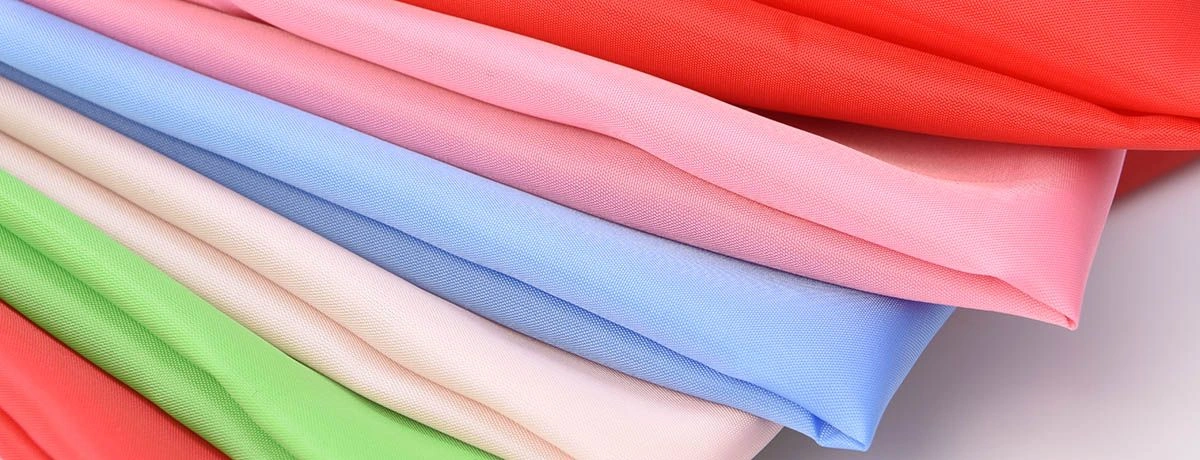
Lightweight taffeta fabric is widely used in industrial manufacturing where lining materials must offer a smooth hand feel, controlled thickness, and reliable durability, while keeping the overall product weight low. As a lightweight fabric, taffeta is crisp, thin, and easy to shape, making it ideal for applications where structure and minimal weight are important. As a plain woven fabric produced mainly from polyester fibers, lightweight taffeta is a practical choice for both garment linings and bag linings. Lightweight taffeta fabric is available in different colors and finishes, supporting a range of visual effects.
Although taffeta fabric is sometimes associated with silk production, wedding dresses, or high fashion designs, lightweight polyester taffeta used for lining purposes is a synthetic taffeta fabric designed for performance, cost control, and mass production—not decorative outerwear. Taffeta is also relatively strong and resistant to abrasion and wrinkles, especially in synthetic variants.
What Is Lightweight Taffeta Fabric
taffeta fabric is a lightweight fabric and a plain woven synthetic fabric, most commonly produced from 100% polyester fibers. It is engineered to achieve a lower fabric weight while maintaining structural stability.
Key characteristics include:
-
Plain weave structure
-
Lightweight and flexible construction
-
Smooth finish with a clean surface
-
Crisp texture that supports shape retention
Taffeta is a plain-woven fabric characterized by tightly twisted yarns, which create its crisp and slightly stiff texture. Taffeta typically features a lustrous sheen and can hold vibrant, rich colors that resist fading. It also holds dye exceptionally well, resulting in rich, long-lasting colors that are more intense than in softer materials.
When discussing shot silk taffeta, the weft and warp threads can be different colors, contributing to the fabric's iridescence and unique color variation.
Unlike silk taffeta or shot silk taffeta used in formal attire, polyester lightweight taffeta is designed for industrial lining use, where durability and consistency are more important than luster or luxury appearance.
Taffeta also produces a distinctive rustle with every movement—a characteristic sound that infuses garments with an unmistakable air of luxury.
Hand Feel, Texture & Shape Retention
One of the key advantages of lightweight taffeta fabric is its smooth and crisp texture.
-
The smooth finish improves comfort in garment linings
-
The crisp texture helps maintain garment shape
-
Good shape retention supports pleats and structured designs internally
While moiré taffeta, embroidered taffeta, or paper taffeta may be used for decorative purposes, lightweight polyester taffeta focuses on functional performance rather than visual effect.
Thickness, Weight & Performance Balance
In lining applications, lightweight does not mean fragile. Lightweight taffeta fabric is designed to balance:
-
Reduced thickness
-
Adequate durability
-
Stable structure during sewing
This balance allows manufacturers to reduce overall garment or bag weight without compromising usability. Compared with heavier satin or stiff lining materials, lightweight taffeta offers better weight efficiency and production stability.
Durability & Everyday Performance
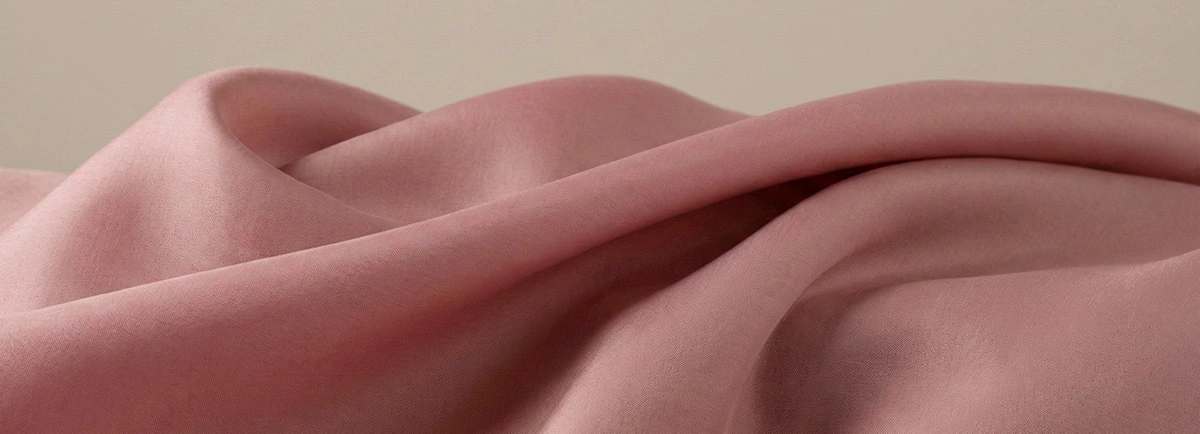
Despite its lightweight construction, polyester taffeta lining fabric provides exceptional durability for standard lining applications.
Performance features include:
-
Good resistance to tearing under normal use
-
Stable woven structure
-
Suitable for repeated wear and handling
For garments such as jackets, coats, skirts, blouses, and workwear linings—and for bags requiring lightweight interiors—polyester taffeta offers reliable performance over time.
Applications in Garment Lining (Non-Fashion)
Lightweight taffeta fabric is commonly used as lining fabric in:
-
Workwear and uniforms
-
Functional jackets and coats
-
Garments requiring reduced weight
-
Clothing designed for long wear
Although taffeta is sometimes used in high fashion garments or dresses, lightweight polyester taffeta used here is selected strictly for lining purposes, not as an outer fashion fabric.
Applications in Bag Lining
In bag manufacturing, lightweight taffeta fabric is widely used for:
-
Backpack linings
-
Lightweight storage bags
Using lightweight taffeta helps manufacturers control total bag weight while providing a smooth, durable interior surface.
Polyester Taffeta vs Silk Taffeta: Key Differences
For sourcing clarity, it is important to distinguish between polyester taffeta and silk taffeta:
-
Silk taffeta: natural fibers, higher cost, used in luxury and formal attire
-
Polyester taffeta: synthetic fibers, stable cost, suitable for mass production
Lightweight polyester taffeta offers a more cost-effective and durable solution for industrial lining applications.
Color Options, Dyeing & Production Stability
Lightweight polyester taffeta fabric supports:
-
Piece-dyed production
-
Different colors, finishes, and textures, allowing for a wide range of visual and tactile effects
-
Various colors and consistent shades
-
Stable dyeing results across batches
Mood Fabrics presents an extensive selection of polyester taffeta fabrics, available in a wide array of colors, finishes, and textures to suit any project. Liba Fabrics provides an extensive selection of premium taffeta fabrics, including Imperial Taffeta. Taffeta fabric is available in various widths, usually between 44 and 60 inches. Most suppliers, including Liba Fabrics, offer samples or swatches before purchasing. You can purchase taffeta fabrics by the yard from Liba Fabrics, a leading supplier based in New York City.
This consistency is critical for manufacturers managing long-term programs and repeat orders.
Care Instructions & Maintenance
For end products using lightweight taffeta lining, typical care instructions include:
-
Washing with mild detergent. Polyester taffeta can be dry cleaned or hand washed in cold water for best results.
-
Low heat drying or air drying. Avoid high heat when drying polyester taffeta and opt for air drying to maintain the fabric's crispness.
-
Avoiding excessive heat during pressing. Use a low-heat iron with a pressing cloth to remove wrinkles from polyester taffeta without damaging the fabric.
Polyester taffeta should not be bleached during washing. It is also recommended to wash polyester taffeta with similar colors to prevent any bleeding or fading.
These simple care requirements support long service life and reduce maintenance issues.
Taffeta Fabric Cost & Production Efficiency
From a B2B perspective, taffeta fabric cost is influenced by:
-
Fiber type (polyester vs natural fibers)
-
Fabric weight and density
-
Dyeing and finishing process
Lightweight polyester taffeta offers excellent cost efficiency, making it suitable for bulk production and large-scale manufacturing.
MH as a Supplier of Lightweight Taffeta Fabric
As an experienced supplier of garment materials and industrial fabrics, MH provides lightweight polyester taffeta fabric for garment lining and bag lining applications. MH supplies taffeta fabric produced from high-quality polyester fibers, using controlled weaving and finishing processes to ensure consistent weight, smooth finish, and reliable durability.
MH offers lightweight taffeta in multiple weight and density options, with a wide range of colors. Fabrics are supplied in bulk quantities, packed in rolls, and suitable for long-term OEM and wholesale procurement. With fast and reliable shipping capabilities, MH supports manufacturers seeking stable supply and predictable production schedules.


Conclusion
Lightweight polyester taffeta fabric is a practical and widely used lining material for garments and bags. Its plain woven structure, smooth finish, crisp texture, and balanced durability make it suitable for applications where light weight, comfort, and cost control are essential.
For B2B buyers looking for a reliable, cost-effective lining fabric, lightweight taffeta—especially when sourced from experienced suppliers such as MH—provides consistent quality and long-term value for industrial manufacturing.
