
Mesh vs Chiffon: Which Fabric Is Best for Dresses?
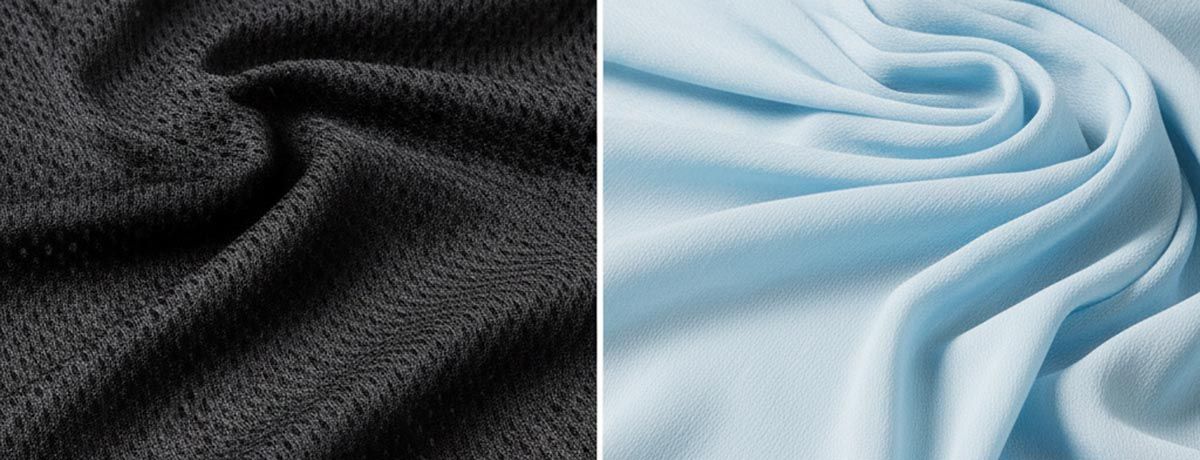
Choosing the right fabric for dresses, bridesmaids’ gowns, and wedding attire affects more than aesthetics—it shapes garment performance, production efficiency, and end-customer satisfaction. When selecting bridesmaid dresses, it’s common to compare different fabrics like mesh and chiffon to find the best fit, comfort, and color consistency for the bridal party. For B2B buyers and garment manufacturers sourcing at scale, mesh and chiffon each offer a distinct set of properties that must align with the intended design, climate conditions, and production requirements.
This guide breaks down the key differences between mesh and chiffon, covering how these different fabrics compare in drape, breathability, fit, care, and application suitability. The snapshot recommendation: chiffon for fluid drape and formal elegance; mesh for stretch, ventilation, and modern accent designs. Keep in mind that fabric type can affect the appearance of colors, so in-person comparison is recommended to ensure color harmony for special occasions.
What Is Chiffon Fabric?
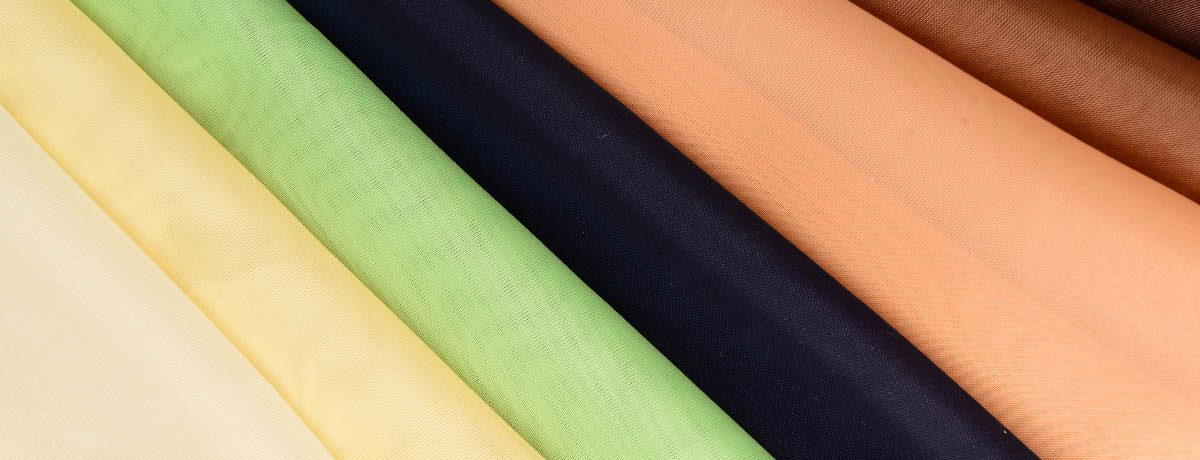
Chiffon is a lightweight, plain-woven fabric commonly produced from silk, polyester, nylon, or cotton. Its defining characteristics include a soft, flowing drape, a subtle sheen, and a slightly rough hand—properties that set it apart from smoother synthetics such as satin. Polyester chiffon dominates large-scale production due to its cost efficiency, dye consistency, and lower maintenance requirements compared to silk variants.
Chiffon is a lightweight sheer fabric and a type of sheer fabric, often used for scarves and delicate overlays. Its semi-transparent quality allows light to pass through, creating a delicate, airy appearance that is ideal for elegant and romantic outfits.
In garment manufacturing, chiffon is a preferred material for formal wedding attire, layered skirts, overlays, and flutter sleeves. Its elegant movement under both natural and studio lighting makes it a high-demand fabric for bridal and occasion wear collections. Wholesale chiffon fabric from MH supports these applications at scale, as chiffon is renowned for its sheer elegance and soft, floating drape, making it ideal for summer weddings, and it generally feels lighter on the skin compared to mesh, especially in high heat.
When worn over time, chiffon may be more prone to wrinkling, staining, or tearing compared to mesh.
What Is Mesh Fabric?
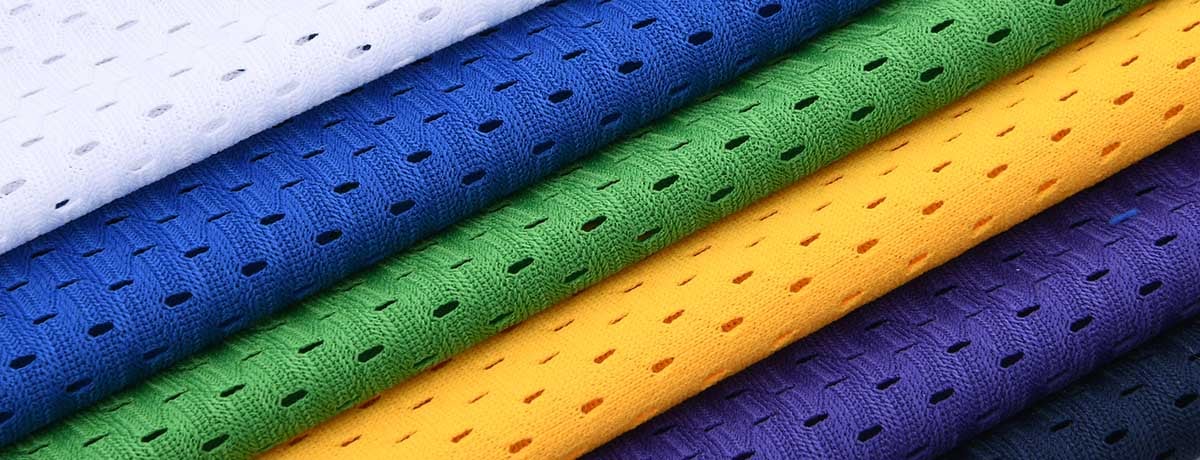
Mesh fabric features an open, net-like structure characterized by evenly spaced yarns or threads, constructed from synthetic yarns. Mesh is often made from nylon or polyester and frequently blended with spandex for stretch. The open weave delivers direct airflow through the fabric, making it highly breathable. Unlike chiffon, mesh typically incorporates stretch or knit properties, offering a more forgiving fit across varied body measurements—a practical advantage for ready-to-wear production targeting diverse sizing brackets.
Mesh is a durable, breathable, and often stretchy fabric with a visible open-hole structure, and is sturdy and resistant to wrinkles. Mesh fabric breathes better and is less stiff than chiffon, making it more comfortable for bridesmaids and ladies seeking comfort, especially when the fabric is in direct contact with the skin. Mesh is commonly used as an outer layer or accent fabric in dresses, lingerie, and activewear, and is also popular for DIY projects and creating volume or structure in garments. Polyester stiff net mesh fabric is one example of a structured mesh option used when more rigidity is required. It is widely used for athletic jerseys, sports bras, and breathable panels in leggings or running gear. Mesh excels in humid climates for everyday items like breathable tops or beach cover-ups, as it doesn't stick to the skin when wet. It is engineered for ventilation and moisture management, quickly pulling sweat away from the skin. Many mesh fabrics offer excellent four-way stretch, conforming to body movements and recovering shape, though mesh can lose shape if packed tightly during travel. Mesh is less stiff than tulle or organza, but can still be used for creating structure in garments. Mesh is often chosen for evening or night events, and is suitable for mid or mid-afternoon outdoor ceremonies due to its breathability and comfort. Mesh can be identified through simple tests, such as a wrinkle test or visual inspection.
Mesh is frequently specified for bodice panels, overlay applications, sleeves, and activewear-influenced designs. Its lower tendency to wrinkle and quick shape recovery also make it favorable for garments intended for travel or outdoor events.
Mesh vs Chiffon: Performance Comparison
Understanding how these fabrics generally perform across key parameters helps manufacturers and buyers make informed sourcing decisions, especially when partnering with a global garment accessories and fabrics supplier like Ningbo MH.
Chiffon is generally unsuitable for activewear due to its lack of stretch, slow drying time, and tendency to cling when damp with sweat, whereas a polyester spandex stretch woven fabric is engineered specifically for movement and recovery.
Drape and Silhouette
Chiffon produces continuous, fluid folds that create a soft, romantic silhouette—ideal for flowing skirts and trains. Mesh yields a more structured or geometric profile, better suited for architectural design elements or textured accents.
Breathability
Both fabrics allow airflow, but through different mechanisms. Mesh permits direct ventilation through its open weave. Chiffon breathes through lightweight fibers and layering, making it comfortable in warm climates without the visible texture of mesh.
Stretch and Fit
Mesh commonly contains stretch properties, allowing the garment to accommodate minor size variation without visible pulling or distortion. For performance-driven silhouettes, designers often look to polyester spandex woven 4-way stretch fabrics that combine elasticity with structure. Chiffon is typically non-stretch, requiring precise sizing, built-in linings, or structured undergarments to achieve a clean fit.
Wrinkle Resistance and Travel
Polyester mesh resists creasing and recovers shape quickly. Polyester chiffon performs similarly, though silk chiffon is more prone to wrinkling and requires more careful handling throughout the supply chain. For uniforms and everyday garments that must travel well, a soft, thick, wrinkle-resistant polyester fabric like U.S. Katrina can be a practical alternative.
Appearance and Sheen
Chiffon offers a soft glow that photographs well across lighting conditions—an important factor for bridal collections. Mesh provides a textured transparency with visible net detail, lending a more contemporary or fashion-forward aesthetic.
Chiffon vs Mesh for Wedding Attire: Application Guidance
Bridesmaids and formal bridal parties: Chiffon dresses deliver cohesive, camera-friendly movement and formal elegance. The outer layer of chiffon offers a smooth, airy look, while mesh as an outer layer provides a softer, stretchier feel that can impact both comfort and appearance. For collections targeting ceremony and reception use, chiffon remains the industry standard.
Outdoor and summer weddings: Mesh or hybrid mesh-and-chiffon designs are more appropriate when ventilation, moisture management, and active comfort are priorities. For outdoor weddings, chiffon generally feels lighter on the skin compared to mesh, which may feel clingy depending on the fit. However, mesh is often considered more comfortable than chiffon for bridesmaids who prefer a stretchy material. Buyers sourcing for warm-climate markets should factor this into fabric selection.
Budget and alterations: Mesh garments often require fewer structural alterations due to their inherent stretch, reducing post-production costs. Chiffon garments typically require more precise tailoring and may carry higher alteration expenses, and both fabrics rely on high-strength polyester sewing thread for bulk production to maintain seam integrity during wear and alterations.
Color consistency: Both polyester chiffon and mesh accept similar dye ranges, but sheen differences can shift perceived color. Consistent coloration also depends on compatible trims, such as high-quality embroidery threads in coordinated shades. Different fabrics can affect the appearance of colors, so sampling is recommended before bulk procurement to ensure color harmony.
Chiffon generally feels lighter on the skin during prolonged outdoor events, while mesh may feel scratchy or clingy depending on fiber quality. Chiffon may also show more signs of being worn over time, such as wrinkling or tearing, compared to mesh, so specifying durable 150D/2 rayon embroidery thread for embellishments can help details maintain a premium appearance even as the base fabric ages.
Final Recommendation
For formal bridal-party cohesion and photogenic drape, chiffon dresses with appropriate linings remain the preferred choice. For active comfort, stretch accommodation, or hot-weather outdoor applications, mesh or hybrid designs offer a stronger performance profile, while heavier options such as PVC/PU-coated Oxford fabrics suit accessories or structured outer pieces rather than dresses.
For bulk procurement decisions, MH recommends ordering swatches and comparing same-color samples side by side to assess sheen, transparency, and perceived color under target lighting conditions. Additionally, perform simple tests—such as a wrinkle test or visual inspection—to evaluate fabric properties and ensure the material meets your requirements before making a final decision. As a Make-to-Order supplier with large-scale production capacity and global export expertise across Latin America and beyond, MH delivers both fabrics to industrial quality standards—tailored to your design specifications and production timelines. Contact our team to discuss your sourcing requirements.