
Why Do Manufacturers Choose Microfiber Cloth Fabric for Cleaning, Apparel, and Industrial Applications?
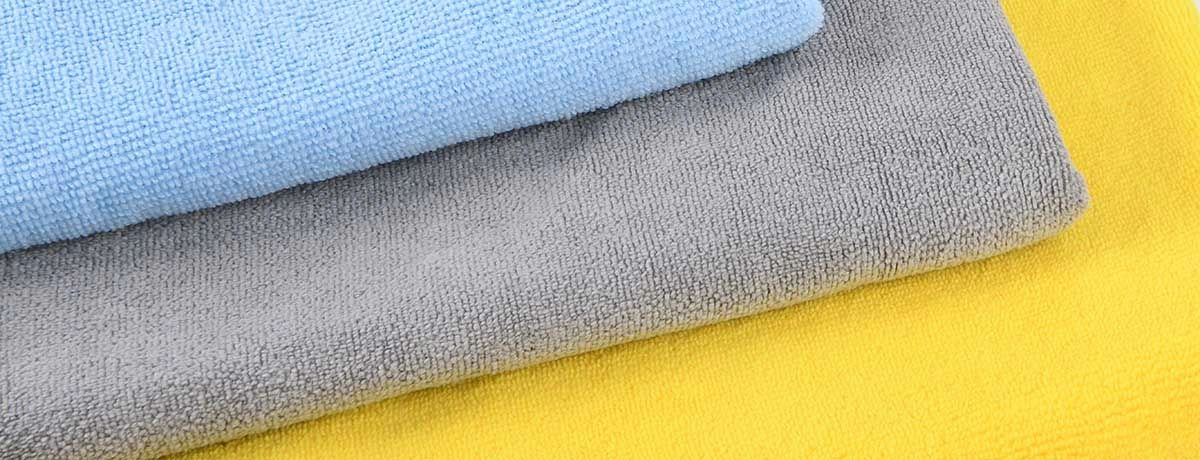
The global cleaning products market increasingly demands high-performance materials that deliver superior results while maintaining cost efficiency. Microfiber cloth fabric has emerged as the premium material choice for manufacturers seeking to create exceptional cleaning products, absorbent towels, and specialized textile solutions. Beyond cleaning, microfiber cloth fabric is also popular in apparel, home decor, and DIY projects due to its versatility. Microfiber fabric is available in a wide variety of colors, patterns, and styles, making it suitable for diverse applications such as fashionable apparel, upholstery, and crafting. As a leading B2B textile manufacturer with over 15 years of experience, MH specializes in producing premium microfiber fabric for cleaning product manufacturers, home textile brands, and global wholesalers requiring consistent quality and reliable supply chains.
This comprehensive guide provides essential technical specifications, manufacturing insights, and procurement information for bulk buyers evaluating microfiber cloth fabric for their product lines. Whether you’re developing cleaning cloths, microfiber towels, or specialized cleaning applications, understanding the material properties, production capabilities, and quality standards will enable informed purchasing decisions for your business.
What is Microfiber Cloth Fabric
Microfiber cloth fabric represents a revolutionary advancement in synthetic textile technology, defined by its ultra-fine fiber construction measuring less than 1 denier, typically ranging from 0.5 to 0.7 denier. This extremely durable fabric consists of synthetic fibers approximately 100 times finer than human hair, with individual fiber diameters measuring 10-15 micrometers. The material’s exceptional performance characteristics stem from this ultra-fine fiber structure, which creates dramatically increased surface area compared to conventional fabrics. The split process during manufacturing separates fibers into loops, creating a larger surface area for trapping dirt and moisture. Microfiber is a synthetic plush fabric that is highly absorbent and covered in fine, raised fibers.
The composition of premium microfiber fabric typically features polyester and polyamide (nylon) blended at precise ratios of 80/20 or 85/15. Acrylic is sometimes blended with microfiber for added durability and color variety, especially in textiles and upholstery. Rayon is another synthetic fiber often discussed in the context of environmental impact, as it contributes to microfibre pollution alongside polyester. This specific material combination leverages polyester’s oil-attracting properties and quick drying characteristics with nylon’s water-absorbing capabilities and ultra soft texture. The polyester component provides durability, moisture-wicking properties, and resistance to shrinkage, while the nylon contributes to the fabric’s distinctive softness and enhanced absorbency. While silk is a natural, luxurious, and traditionally more expensive fiber known for its high quality and fineness, microfiber offers similar softness and tactile luxury at a more affordable price.
Key performance properties include superior absorbency capabilities of up to 8 times the fabric’s weight, lint-free cleaning performance that eliminates particle residue, and electrostatic dust attraction that captures microscopic particles without chemical cleaners. Microfiber fabric is resistant to stains and is washable, making it easy to care for and suitable for busy households. It is lightweight yet durable, making it ideal for various DIY projects. The split-weave microfiber fibers can cling to your skin due to the tiny loops formed during production, enhancing its tactile sensation and cleaning effectiveness.
Primary commercial applications span cleaning cloths for household and industrial use, microfiber towels for hospitality and personal care, automotive detailing products, precision glass cleaning applications, and specialized cleaning systems for healthcare and food service industries. Microfiber is increasingly used across industries for applications such as cleaning products, apparel, filtration, and upholstery. The material’s versatility allows manufacturers to develop products ranging from basic household cleaning accessories to professional-grade cleaning solutions requiring exceptional durability and performance.
Microfiber fabric has a distinctly negative impact on the environment. Its production involves a variety of toxic, man-made chemicals that are difficult to dispose of properly. During use, microfiber fabric releases plastic microfibres into the hydrosphere, contaminating waterways and contributing to plastic pollution. Once its useful life has expired, microfiber fills up landfills or becomes a polluting plastic since neither polyester nor polyamide are biodegradable.
Key Performance Characteristics and Exceptional Durability
The exceptional performance of microfiber cloth fabric stems from its unique fiber structure and composition, delivering measurable advantages across multiple performance metrics. Absorbency represents the most significant characteristic, with capacity ranging from 300-800% of the fabric’s weight depending on construction and fiber split ratio. This absorption capability far exceeds cotton and conventional synthetic alternatives, making microfiber highly absorbent for both commercial and consumer applications.
Durability testing demonstrates exceptional longevity with properly manufactured microfiber withstanding 300-500 wash cycles while maintaining performance characteristics. This extremely durable performance significantly exceeds cotton alternatives and provides superior cost-per-use value for commercial cleaning operations. The synthetic fiber construction resists degradation from frequent washing and chemical exposure common in professional cleaning environments.
Cleaning efficiency derives from the material’s electrostatic properties, which enable capture of particles as small as 0.1 micrometers without requiring chemical assistance. This capability makes microfiber particularly suitable for surfaces requiring contamination control, precision cleaning, and environments where chemical residue must be minimized. The lint-free performance ensures no particle shedding during use, critical for electronics, optical equipment, and clean room applications.
Quick drying properties provide operational advantages, with microfiber drying 2-3 times faster than cotton due to its synthetic fiber structure and moisture-wicking capabilities. This characteristic reduces downtime in commercial operations and prevents bacterial growth that can occur with slower-drying natural fiber alternatives.
Chemical resistance enables the fabric to withstand exposure to most cleaning chemicals while maintaining fabric integrity and performance. The polyester component particularly contributes to resistance against acids, alkalis, and organic solvents commonly found in commercial cleaning products. This resistance ensures consistent performance across diverse cleaning applications and extends product life in demanding environments.
Types of Microfiber Cloth Constructions
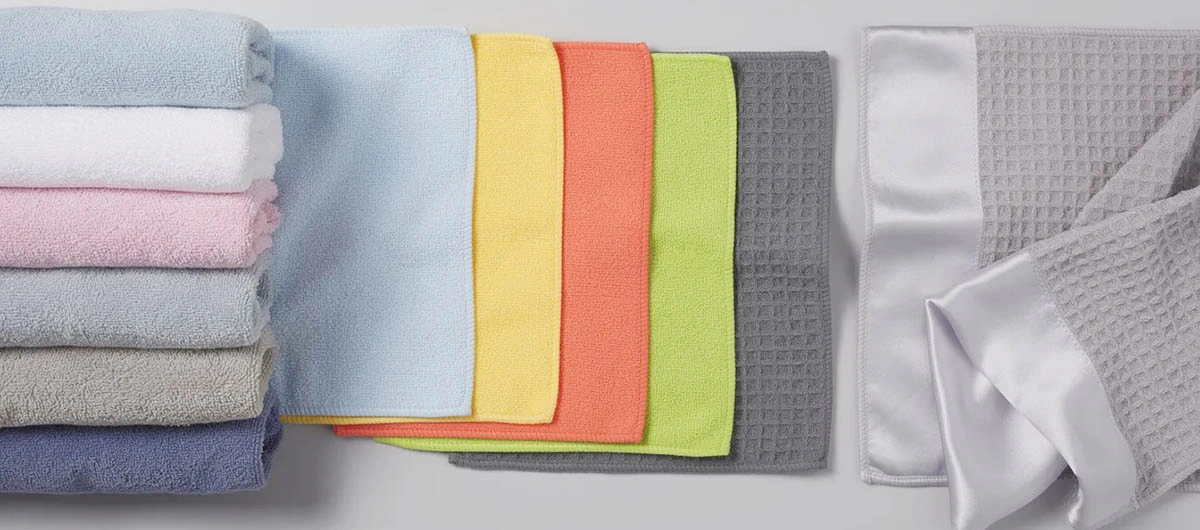
Understanding different microfiber constructions enables optimal material selection for specific applications and performance requirements. Terry loop construction features a looped pile structure that maximizes absorbency, making it ideal for towels, bathrobes, and applications requiring maximum moisture retention. The loop structure traps and holds liquids effectively while maintaining quick drying properties inherent to microfiber.
Waffle weave construction utilizes a distinctive grid pattern design that optimizes performance for glass cleaning and streak-free applications. The textured surface pattern enhances dirt pickup while the geometric structure promotes even moisture distribution and rapid evaporation. This construction type is particularly valuable for automotive glass, windows, and optical surfaces where clarity is essential.
Flat weave construction provides a smooth surface ideal for general cleaning and dusting applications. This construction offers versatility across multiple cleaning tasks while maintaining the lint-free performance essential for electronics and delicate surfaces. The smooth texture minimizes potential scratching while maximizing dirt and dust pickup efficiency.
Suede finish microfiber features a low-pile velour surface specifically designed for delicate surface cleaning and electronics applications. This construction provides gentle cleaning action suitable for LCD screens, optical lenses, and sensitive equipment while maintaining effective particle removal capabilities.
Chenille construction incorporates long fiber strands that create enhanced cleaning action for car washing and heavy-duty cleaning applications. The extended fibers trap dirt and debris effectively while providing gentle cleaning action that prevents surface scratching. This construction excels in automotive detailing and cleaning applications requiring both gentleness and effectiveness.
Additional knitted variations include single or double-sided terry constructions for enhanced absorbency, pearl knit patterns for specialized texture requirements, and mesh constructions for applications requiring enhanced air flow and rapid drying characteristics.
|
Construction Type |
Primary Application |
Key Benefits |
Typical Weight (GSM) |
|---|---|---|---|
|
Terry Loop |
Towels, Bathrobes |
Maximum Absorbency |
300-450 |
|
Waffle Weave |
Glass Cleaning |
Streak-Free Performance |
200-280 |
|
Flat Weave |
General Cleaning |
Versatility, Lint-Free |
220-320 |
|
Suede Finish |
Electronics |
Gentle, Safe Cleaning |
180-240 |
|
Chenille |
Automotive Detailing |
Enhanced Dirt Pickup |
280-380 |
Production Process of Microfiber Fabrics
The production of microfiber fabric is a sophisticated process that begins with selecting high-quality raw materials, primarily polyester and nylon. These synthetic polymers are melted and extruded through precision spinnerets, forming ultra-fine fibers that are much thinner than those found in traditional fabrics. This step is crucial for achieving the signature softness and exceptional durability that microfiber is known for.
Once the fibers are created, they are stretched and aligned to achieve the desired thickness and texture, which can be tailored for specific applications such as microfiber towels or upholstery projects. The next stage involves weaving or knitting the fibers into fabric. Woven microfiber is often chosen for upholstery due to its strength and smooth finish, while knitted microfiber is popular for towels and cleaning cloths because of its flexibility and absorbency.
Additionally, manufacturers may apply specialized treatments to enhance the fabric’s performance. For example, quick drying finishes are commonly used to ensure that microfiber towels and cleaning cloths dry rapidly after use, reducing the risk of mildew and extending product life. The final thickness and density of the fabric are carefully controlled to meet the requirements of various end uses, from lightweight cleaning cloths to plush upholstery fabrics.
By mastering each step of the production process, manufacturers can create microfiber fabric that meets the highest standards for softness, absorbency, and durability, making it suitable for a wide range of applications in both commercial and consumer markets.
Commercial Applications and Market Segments for Upholstery Projects
Microfiber cloth fabric serves diverse commercial markets, each with specific performance requirements and quality standards. Cleaning product manufacturers represent the largest market segment, utilizing microfiber for private label cleaning cloths, professional janitorial supplies, and household cleaning accessories. The material’s superior cleaning efficiency and durability enable manufacturers to create premium products that command higher margins while delivering measurable performance advantages to end users.
The automotive industry extensively employs microfiber for car detailing cloths, dashboard cleaning products, and professional car care applications. The material’s gentle cleaning action prevents surface scratching while effectively removing dirt, oils, and residues common in automotive applications. Professional detailing services particularly value microfiber’s lint-free performance and chemical resistance.
Healthcare facilities utilize microfiber for infection control cleaning, patient care applications, and medical equipment maintenance. The material’s ability to capture microscopic particles without chemical assistance supports stringent hygiene requirements while reducing cross-contamination risks. Additionally, antimicrobial treatments can be applied for enhanced infection control performance.
The hospitality sector employs microfiber for hotel housekeeping, restaurant cleaning operations, and spa applications. The material’s quick drying properties reduce laundry processing time while superior cleaning efficiency improves operational productivity. The soft texture makes microfiber suitable for guest-facing applications including towels and cleaning cloths.
Home textile brands increasingly incorporate microfiber into bathroom towels, kitchen accessories, and household cleaning sets. Microfiber fabric is also commonly used for making blankets, throw blankets, and decorative pillows, enhancing the softness and durability of living spaces. In addition, microfiber is used as upholstery material for furniture, providing a luxurious feel and stain resistance. The combination of softness, absorbency, and durability appeals to consumers seeking premium home textile products. Microfiber bedding and sheets are available in a variety of colors, including popular options like blue, to match different home decor styles. The material’s moisture-wicking properties and quick drying characteristics provide practical advantages for daily use.
Microfiber fabric is often sold by the yard in shops for various applications, including DIY projects, upholstery, and crafting. Ordering a sample swatch before purchasing in bulk is advised to ensure accurate color representation.
Industrial applications encompass electronics manufacturing, optical lens cleaning, precision equipment maintenance, and clean room operations. The lint-free performance and electrostatic properties make microfiber essential for applications requiring contamination control and precision cleaning capabilities.
Partner with MH for Premium Microfiber Cloth Fabrics
MH’s commitment to excellence in microfiber cloth fabric manufacturing positions us as the ideal partner for cleaning product manufacturers, home textile brands, and global wholesalers seeking reliable, high-quality fabric solutions. Our 15+ years of specialized experience in microfiber production, combined with comprehensive quality standards and global distribution capabilities, ensures your business receives consistent, premium microfiber fabric that meets your exact specifications and performance requirements.
Our extensive customization capabilities enable development of proprietary fabric specifications that differentiate your products in competitive markets. From custom fiber blends and unique constructions to specialized finishing treatments and private labeling services, MH provides comprehensive OEM/ODM solutions that support your brand development goals while maintaining cost efficiency for bulk purchasing.
Contact MH today to discuss your specific microfiber cloth fabric requirements and discover how our manufacturing expertise can enhance your product offerings. Our technical team is ready to provide detailed specifications, fabric samples, and development consultation for your cleaning applications, whether you’re creating household cleaning cloths, professional cleaning products, or specialized industrial applications.
For immediate consultation regarding bulk fabric requirements, custom development projects, or long-term supply agreements, reach out to our sales team. We provide comprehensive quotations, sample development services, and technical specifications tailored to your specific applications and volume requirements.
Ready to enhance your product line with premium microfiber cloth fabrics?


Request your free fabric samples and technical specification sheets to evaluate our premium microfiber fabric quality for your specific cleaning product applications. Our team is standing by to support your bulk purchasing requirements, including polyester 80/cotton 20 twill workwear fabric, and provide the stable, long-term supply partnership your business deserves.
