
What Types of Microfiber Textile Are Best for Cleaning, Apparel, and Home Use?
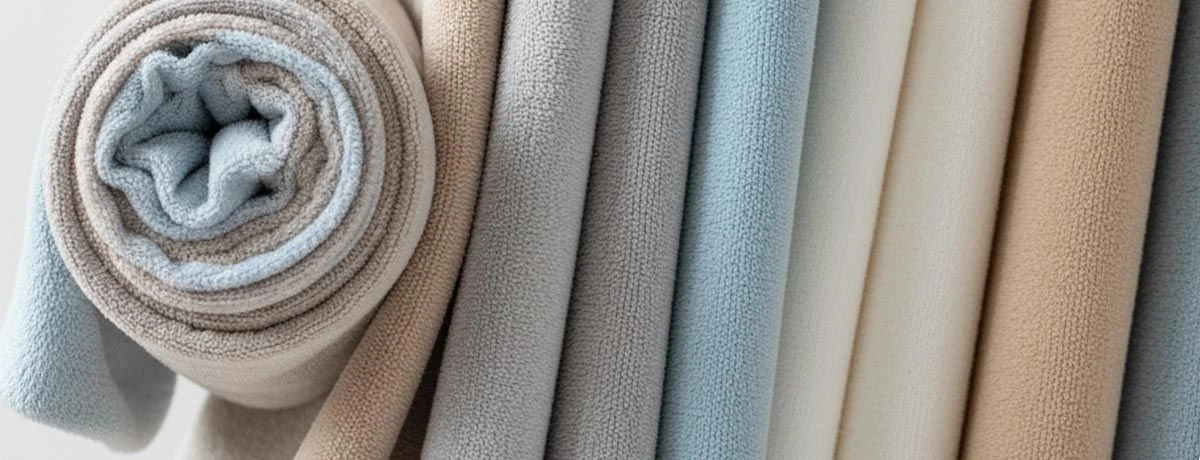
Microfiber textile represents one of the most versatile and highly demanded synthetic materials in the global manufacturing sector. Known interchangeably as “microfibre” in UK spelling, this advanced material consists of ultrafine synthetic fibers that are significantly thinner than a strand of human hair. Microfiber fabrics are made from synthetic fibers that are finer than one denier or one detex, with a diameter of less than ten micrometers; the most common types of microfibre materials are polyester, polyamide, and polypropylene. The textile industry has seen significant innovation with the development of microfibre materials, as these fine fibers have enabled new applications in textiles, apparel, cleaning, and industrial products.
Garment factories, commercial cleaning suppliers, and automotive detailers rely heavily on bulk microfiber procurement to meet high-performance product standards. The core benefits of microfiber textile include exceptional softness, advanced particle filtration, and high liquid absorbency. These properties make it a foundational material for heavy-duty industrial cleaning applications, durable upholstery, and specialized apparel. For professional buyers and wholesalers, understanding the structural differences between microfiber variants is critical for accurate sourcing and product development.
MH stands as a leading integrated manufacturing and trading textile company, specializing in large-scale, make-to-order (MTO) production and garment accessories and tailoring materials supply. By focusing strictly on bulk manufacturing rather than keeping ready stock, MH ensures that factory owners and distributors receive freshly produced, customized microfiber textiles that align perfectly with their industrial specifications.
Microfiber production has a negative environmental impact due to the release of plastic microfibers into waterways during use. Microfibers account for 85% of man-made debris found on shorelines worldwide, and microfibre products can enter the oceanic water supply and food chain, similar to other microplastics. When washed, synthetic clothing made of microfibers can release an average of 1.7 grams of microfibers per wash, contributing to plastic pollution. Microfiber pollution is a growing concern, leading to increased regulatory efforts at both state and national levels.
Types of Microfiber Fabrics and Weaves
Wholesalers must specify the correct weave structure to ensure the microfiber fabric performs optimally for its intended end-use. Compared to other fabrics, microfiber outperforms in dirt and oil absorption, lint elimination, and detailed cleaning tasks, making it a superior choice for many cleaning applications. Flat-weave microfibre is one of the most durable forms of this textile, but it is not as absorbent as split-weave microfibre.
Flat-Weave Microfiber
Flat-weave microfiber features a smooth, durable surface. Garment manufacturers frequently use this variant for water-resistant apparel, lightweight jackets, and sleek upholstery applications where abrasion resistance is necessary, often pairing it with stretch woven polyester-spandex fabrics for enhanced comfort and mobility in performance garments.
Split-Weave Microfiber
Split-weave microfiber forms tiny loops across the fabric surface. This structure creates superior absorbency and particulate trapping, making it the industry standard for bulk cleaning cloths and commercial janitorial supplies.
Terry Microfiber
Terry microfiber utilizes densely looped piles. This construction mimics traditional cotton bath towels but offers much faster drying times. Hospitality buyers and sports brands often procure terry microfiber for highly absorbent bath and pool towels.
Waffle-Weave Microfiber
Waffle-weave microfiber features a grid-like pattern that reduces surface friction. This specific design excels at streak-free drying, making it the preferred material for automotive glass cleaning and professional window detailing.
Chenille Microfiber
Chenille microfiber consists of thick, caterpillar-like pile fingers. These deep fibers hold massive amounts of soapy water and trap heavy dirt safely away from surfaces. It is primarily used for car wash mitts and heavy-duty industrial dusting tools.
Suede and Ultrasuede Microfiber
By processing the fibers to lay flat and brushing the surface, manufacturers create suede and ultrasuede microfiber. This textile mimics the texture of natural leather, providing a cost-effective, durable alternative for furniture upholstery and fashion accessories.
Microfiber Cloths and Cleaning Cloths
The commercial cleaning industry relies heavily on custom-manufactured microfiber cloths due to their superior efficiency and longevity. Microfibre cloths are highly effective cleaning products thanks to their unique fiber design, which allows them to pick up more dirt and grime than other types of cloth. Microfiber cleaning products can reduce cleaning time by 50% compared to traditional cleaning materials, requiring less effort for superior results. These cloths provide better retention of moisture and contaminants, and efficiently accumulate dust during cleaning. For sewn cleaning tools and textiles, procurement teams typically pair microfiber fabrics with high-strength spun polyester sewing threads to ensure seam durability under repeated industrial laundering. It is important to avoid retaining grit in microfiber cloths to prevent scratching sensitive surfaces, such as high-tech coated surfaces and photographic lenses, as these non-abrasive cloths are safe for delicate cleaning tasks.
Certain microfiber cloths are specifically designed to absorb skin oils without smearing, making them ideal for cleaning optical surfaces and for personal care. Microfiber cloths are reusable and can last longer than traditional cleaning cloths, making them a cost-effective and sustainable choice. Additionally, microfiber products are effective at removing bacteria and viruses from surfaces, reducing bacteria by up to 99%. As versatile cleaning products, microfiber cloths are suitable for a wide range of cleaning applications, and using them can reduce cleaning time by 50%.
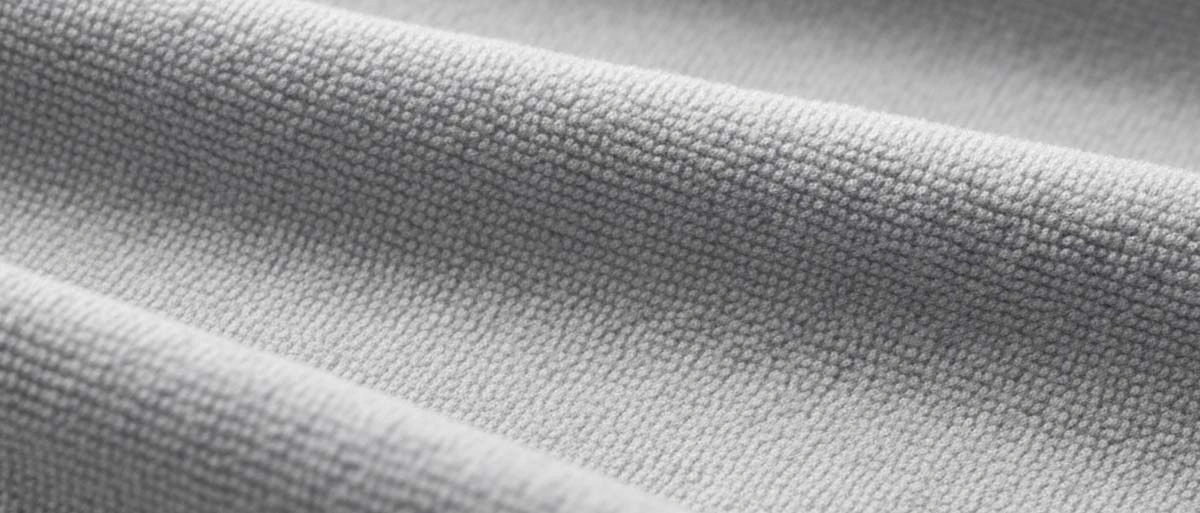
Microfiber Cloths for Glass Cleaning
Cleaning glass surfaces requires specialized textile engineering to prevent streaking and scratching. Microfiber cloths are most effective when used wet, as their absorbency and cleaning power are maximized in this state. These cloths can absorb moisture quickly and efficiently, making them superior to paper towels for glass cleaning tasks. Unlike paper towels, which can leave lint and streaks behind, a microfiber cloth provides streak-free results and is more environmentally friendly due to its reusability.
Streak-Free Water Cleaning
Waffle-weave and flat, low-pile microfiber cloths allow commercial cleaners to achieve streak-free glass surfaces using just water. Microfiber cloths work best when wet, as they can absorb moisture and lift contaminants more effectively. The fabric structure lifts contaminants without leaving fiber residue.
Oil and Residue Absorption
Because the microscopic fibers actively absorb oils and chemical residues, commercial cleaning companies can drastically reduce their reliance on liquid glass cleaners for mirrors and windows, lowering overhead costs. Microfiber cloths are also effective at absorbing skin oils from glass and optical surfaces without smearing.
Lens-Grade Optics Care
Optical manufacturers require dedicated lens-grade microfiber cloths, which are specifically designed for sensitive surfaces and high tech coated surfaces, ensuring safe, scratch-free cleaning. These highly specialized, ultra-soft textiles avoid scratching coated camera lenses and eyeglasses, as they do not retain heavy grit like standard terry cloths.
Microfiber Towels: Highly Absorbent and Super Absorbent Options
Bulk procurement of microfiber towels requires an understanding of water retention capabilities and drying speeds. Microfiber towels are highly efficient at absorbing moisture and provide better retention of liquids compared to traditional towels. In fact, microfiber can hold up to 7-8 times its weight in liquid, making it a super absorbent option for commercial and industrial use, while lighter wholesale chiffon fabric serves complementary needs in fashion-forward robes, cover-ups, and decorative trims. This superior absorbency and efficient performance make microfiber textiles ideal for tasks that demand quick drying and effective cleaning.
Extreme Water Retention
Standard microfiber towels can hold up to seven times their weight in water. This high absorbency rate qualifies them for rigorous commercial applications, including gym towel services and salon use.
Super Absorbent Constructions
Super absorbent microfiber towels combine chemical split constructions with a high GSM. This maximizes liquid pickup, making them essential for commercial spill control and heavy-duty automotive drying.
Fast-Drying and Mildew Resistance
Because synthetic fibers do not retain moisture inside the fiber core, fast-drying microfiber towels resist mildew growth. This makes them ideal for bulk sports equipment, military travel gear, and commercial pool management.
Determining Softness and Drying Time
Factory buyers must balance the towel pile, GSM, and polyester-to-polyamide blend ratios. A higher polyamide content increases softness and absorbency, while a higher polyester content improves durability and reduces drying time.
Microfiber Products and Common Uses
The versatility of microfiber textile supports a vast array of industrial and commercial products. Microfiber is used in a wide range of products, including outdoor equipment such as sleeping bags, car covers, and sports balls, due to its excellent insulation and water resistance. It is also commonly found in accessories like book covers, wallets, handbags, and backpacks because of its durability and water-repellent qualities. Microfiber can be used to make tough, very soft fabric for clothing, including bathrobes, skirts, jackets, and swimwear, often specified alongside polyester-spandex stretch woven fabric when additional elasticity and drape are required. Its lightweight, durable, and somewhat water-repellent nature makes it a good substitute for leather in various accessories, which are typically finished with custom nylon and metal zippers to meet specific performance and aesthetic requirements. Additionally, microfiber fabric is available by the yard, allowing for customizable lengths for sewing and crafting projects.
Automotive Detailing
Automotive detailing towels and mitts leverage microfiber’s low-lint, high-absorbency properties. The split fibers pull dirt particles deep into the pile, ensuring paint-safe care that prevents clear-coat micro-scratching.
Commercial Janitorial Mops
Microfiber mops effectively trap fine dust and significantly reduce chemical usage in commercial janitorial applications. Healthcare facilities utilize these mops to maintain sterile environments efficiently.
Medical and Dairy Applications
Dairy farms and medical facilities procure specialized microfiber towels. In dairy operations, microfiber dairy towels are efficient, increasing absorbency and reducing waste for streamlined farm operations. These environments exploit the fabric’s gentle cleaning action and superior moisture absorption for hygiene-sensitive tasks, including udder prep and surface sterilization, and may incorporate branded logos finished with 150D/2 rayon embroidery thread to maintain a professional appearance on work textiles.
Tailored Consumer Products
While MH focuses on B2B manufacturing, the consumer products created from our textiles vary widely. For sewn microfiber garments and accessories, specifying appropriate polyester sewing thread solutions and decorative embroidery thread options is just as critical as choosing the base fabric. Brands must specify the correct GSM, weave, and edge finishing to ensure the final retail product performs as advertised.
Buying Guide: What to Look For in Microfiber Products
For procurement officers and factory owners, specifying the correct parameters during the MTO process guarantees product success. Alongside microfiber, many uniform and workwear programs also rely on durable polyester mini-matt fabrics as a cost-effective base cloth. Microfiber fabric is often sold by the yard or half yard, allowing buyers to specify the exact amount needed for their projects, similar to how 100% polyester Mini Matt fabric is procured for large-scale apparel and home-textile runs.
Partnering for Global Microfiber Procurement
Securing a reliable, high-capacity manufacturer is the most critical step in optimizing your textile supply chain. MH provides integrated manufacturing solutions tailored strictly for B2B wholesalers, garment factories, and large-scale distributors. Operating exclusively on a make-to-order basis, MH ensures that every roll of microfiber fabric and every batch of finished cleaning cloths aligns perfectly with your industrial requirements.
With expansive production capacity and deep expertise in global export logistics, MH facilitates seamless procurement for international buyers, specifically catering to the demanding needs of the Latin American market. To optimize your operations and secure dependable, high-quality microfiber textiles for your next production cycle, contact MH to discuss your custom manufacturing requirements today.