
Why Do Bulk Buyers Choose Microfiber Towels 80/20 for Cleaning and Industrial Applications?
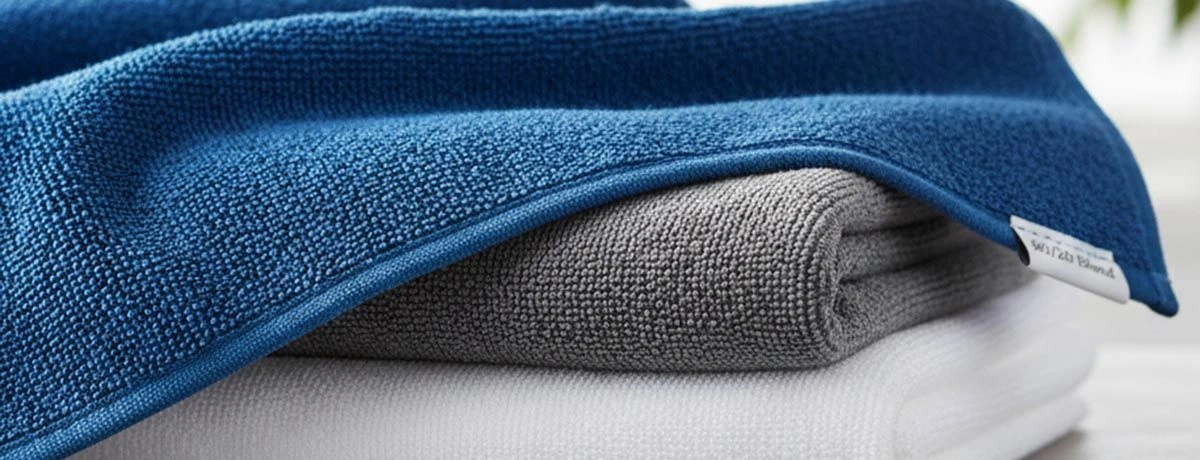
For wholesale buyers, distributors, and institutional procurement managers, understanding microfiber towel specifications is essential before placing large orders. The 80 20 designation is one of the most commonly encountered—and frequently misunderstood—specifications in the commercial microfiber market.
This guide breaks down what the 80 20 blend means from a manufacturing and sourcing perspective, how it affects towel performance in professional applications, and what B2B buyers should verify before committing to bulk purchases.
What Does 80/20 Microfiber Mean?
The 80/20 designation refers specifically to fiber composition by weight—not size, color, or any other towel characteristic. It indicates the ratio of polyester to polyamide (nylon) in the microfiber material, expressed as approximately 80% polyester and 20% polyamide.
Most industrial and commercial microfiber towels fall within a range of 75/25 to 85/15, with 80/20 representing the baseline standard for bulk production. This ratio is determined during fiber extrusion and directly influences the towel’s physical and functional properties.
Role of each fiber component:
-
Polyester (80%): Provides mechanical strength, structural integrity, and scrubbing capability. Polyester is hydrophobic, meaning it resists water absorption but contributes durability and resistance to wear. Its lower production cost makes it economical for high-volume manufacturing.
-
Polyamide (20%): Delivers absorbency, softness, and improved capillarity. Polyamide’s hydrophilic properties enable it to attract and hold liquids. It also enhances the towel’s ability to pick up fine particles through improved surface contact.
For B2B buyers, the 80/20 designation should always be verified on specification sheets and independent test reports rather than relying solely on packaging claims. Industry reports have documented cases where towels marketed as 80/20 tested as 95/5 or even 100% polyester—a significant difference that affects both performance and cost justification.


How the 80/20 Blend Affects Towel Performance
When evaluating microfiber towels for bulk programs, the fiber ratio directly influences several performance parameters: absorbency, durability, chemical resistance, lint behavior, and ultimately cost per use.
Compared with 70/30 blends (which contain more polyamide), 80/20 towels typically offer:
-
Slightly lower maximum absorbency
-
More robust mechanical performance
-
Better cost efficiency for large-volume cleaning programs
-
Longer service life under industrial laundering
Absorbency
The polyamide content enables high absorbency in 80/20 towels. Depending on GSM (grams per square meter) and finishing methods, these towels can typically absorb 6–8 times their own weight in liquid. While 70/30 blends may reach higher absorption multiples, the 80/20 ratio provides sufficient capacity for most commercial cleaning tasks and drying applications.
Durability
Higher polyester proportion supports longer service life across industrial laundering cycles. Properly maintained 80/20 microfiber towels can withstand 150–300 wash cycles before significant performance degradation occurs. This durability translates to lower replacement frequency and improved cost per use in high-turnover operations.
Surface Contact and Particle Removal
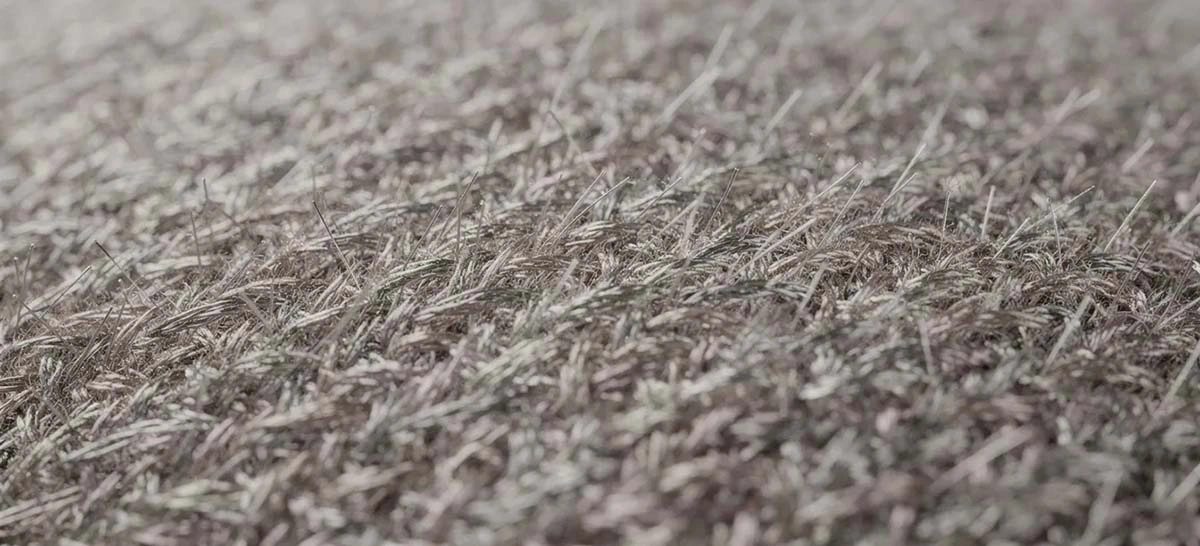
During manufacturing, polyester and polyamide fibers are extruded together and then split into ultra-fine strands approximately 1/100th the diameter of a human hair. This splitting creates a multi-lobed, star-like fiber structure with microscopic grooves that dramatically increase effective surface area.
The result: 80/20 microfiber easily removes dust, dirt, and debris more effectively than 100% polyester alternatives. The split-fiber structure can trap up to 99% of particulates, making these towels suited for professional environments where residue-free surfaces are required.
Trade-off Summary
For professional detailing, facility cleaning, and industrial maintenance, the 80 20 blend offers a balanced trade-off between performance and cost that suits large, recurring orders. Buyers seeking maximum softness or absorption may look at 70/30, but 80/20 remains the go-to specification for versatile bulk sourcing where durability and value matter.
Common Fabric Constructions for 80/20 Microfiber Towels
Beyond fiber ratio, the construction method—how the fabric is knitted or woven—significantly defines a towel’s end use and performance characteristics.
Warp-Knit Terry
This is the most common construction for 80/20 microfiber towels in commercial applications:
-
Pile on both sides provides balanced cleaning and drying capability
-
Typically produced in 300–380 GSM weights
-
Standard sizes include 40 x 16 inch (approximately 40×40 cm) formats
-
Use cases: general cleaning, automotive detailing, multi-purpose wiping, making cleanups faster across various surfaces
Circular-Knit Plush
Higher pile height distinguishes plush construction from standard terry:
-
GSM typically ranges from 380–600
-
Greater softness and higher liquid retention
-
Preferred for final wipe applications, buffing, and polishes where minimizing streaks is critical
-
Use cases: paint finishing, dressings application, premium detailing where less contact pressure is desired
Flat Weave / Suede
Low or no pile characterizes this construction:
-
GSM typically 180–250
-
Produces a smooth, thin towel surface
-
Superior lint control for glass, mirrors, and smooth surface finishing
-
Use cases: glass cleaning, stainless steel, electronics assembly, interior detailing where scratching risk must be eliminated
Specialty Constructions
-
Waffle weave: Textured surface provides higher water uptake and faster drying; commonly specified for drying towels in car wash operations
-
Laminated constructions: Microfiber bonded to sponge or foam cores for specific industrial applications requiring both absorption and structure
Typical Weights (GSM), Sizes, and Finishing Options
GSM (grams per square meter) serves as the primary specification affecting feel, absorbency, and unit cost in bulk microfiber towel procurement.
Common GSM Ranges for B2B
|
GSM Range |
Classification |
Typical Applications |
|---|---|---|
|
220–280 |
Economical |
All-purpose cleaning, promotional products, high-turnover disposable programs |
|
300–360 |
Standard professional |
Professional cleaning, automotive detailing, janitorial services |
|
380–450 |
High-performance |
Premium detailing, higher absorbency requirements, exterior use on vehicles |
Standard Size Specifications
-
30×30 cm and 32×32 cm: Compact sizes for cleaning kits and tight-space applications
-
40×40 cm (approx. 16×16 or x 16 inch): Global standard for detailing and multi-purpose use; most commonly stocked format
-
40×60 cm and larger: Drying towels, larger surface coverage, car wash tunnel operations
Edge Finishing Options
Edge construction affects both durability and surface safety:
-
Edgeless (ultrasonic cut): Reduced scratch risk, no seam buildup, preferred for high-gloss surfaces like automotive paint and glass
-
Overlock-stitched edges: Higher seam strength, better shape retention after repeated washing, cost-effective for general cleaning
-
Heat-pressed or laser-cut edges: Clean, low-bulk borders for specific market requirements
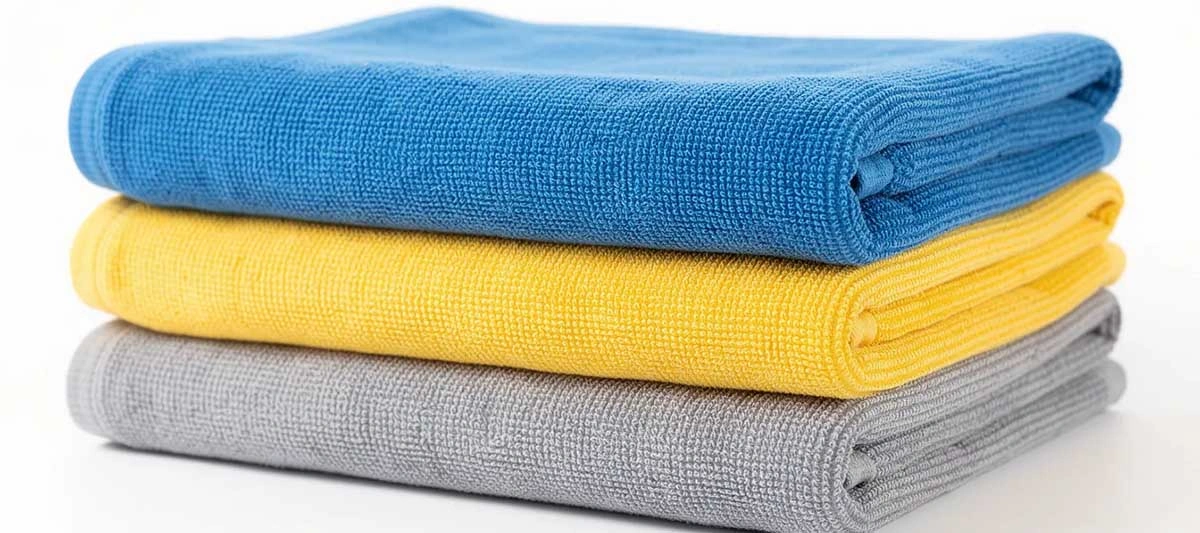
Color Coding
Commercial buyers frequently order in bulk colors to support facility cleaning protocols:
-
Blue: glass and mirrors
-
Yellow: general surfaces
-
Green: food service areas
-
Grey: heavy-duty or equipment cleaning
Example bulk specification: 40×40 cm, 320 GSM, edgeless, 80/20 blend, blue—commonly ordered by automotive detailing distributors and fleet maintenance operations.
Key Performance Characteristics for Bulk Buyers
This section serves as a checklist for procurement and technical teams evaluating 80/20 microfiber towel specifications and samples.
Absorbency
-
Measure in ml/g or weight multiples under standardized test conditions
-
80/20 towels typically achieve 6–8x weight absorption
-
Critical for car wash tunnels, janitorial contracts, and institutional cleaning where high absorbency reduces towel consumption per task
-
Look for fewer towel passes required to complete drying operations
Lint Control
-
Affected by yarn quality, fiber splitting completeness, and finishing methods
-
Flat weave and tight terry constructions are preferable where low lint is mandatory
-
Verify lint behavior on glass surfaces during sample evaluation
-
Essential for glass, stainless steel, and electronics assembly environments
Surface Safety
-
Split microfiber with proper finishing reduces risk of micro-marring versus harsh synthetic cloths
-
Edgeless or soft-edged construction is critical for high-gloss surfaces and paint protection
-
Confirm that the towel functions as a multi function removal towel without surface damage
Colorfastness and Chemical Resistance
-
Towels should maintain color and performance under typical commercial detergents
-
Verify resistance to diluted cleaning chemicals, automotive waxes, marine waxes, and compounds specifications used in your operations
-
Request colorfastness test reports from suppliers
Durability and Wash Cycles
-
Target: 150+ industrial wash cycles under proper care conditions
-
Factors that degrade life: high-temperature drying (above 60°C), chlorine bleach, fabric softeners
-
Calculate cost per use across expected service life for total cost comparison
Batch Consistency
-
For B2B operations, batch-to-batch consistency in GSM, size tolerance, shade, and absorption is critical
-
Inconsistency creates problems for multi-site operations and re-orders
-
Request production tolerance documentation and retain reference samples
Commercial and Wholesale Applications of 80/20 Microfiber Towels
The 80/20 blend is specified across multiple professional sectors due to its balanced performance and competitive cost structure.
Automotive and Transportation
-
Car detailing centers, body shops, fleet maintenance operations
-
Interior and exterior use for wipe-downs, polishing, and drying
-
Typical specification: 40×40 cm, 300–360 GSM, edgeless construction
-
Applications include removing sprays, buff operations, and final wipe-down for cars and commercial vehicles
Facility Cleaning and Janitorial
-
Office buildings, hospitals, schools, hotels
-
Color-coded 80/20 towels support hygiene protocols for washrooms, glass, and general surfaces
-
High towel and absorbent requirements for spills management
-
Durable construction withstands commercial laundry processing
Industrial and Manufacturing
-
Machinery wipe-down, equipment maintenance, assembly line cleaning
-
Requirements for low lint and resistance to oils and greases
-
Tools and equipment cleaning where the material must stand up to hard industrial use
-
Often requires chemical-resistant finishing
Food Service and Hospitality
-
Glass and surface wiping where lint and streaks must be minimized
-
Front-of-house applications prefer flatter weaves or tighter terry
-
Soft hand-feel for guest contact areas
-
Rapid drying capability for high-turnover environments
Retail and Distribution
-
Bulk packs (50-pack, 100-pack, carton quantities) for local wholesalers
-
Customized color, GSM, and packaging for private label programs
-
Specification sheets required for products labeled as high thread towel alternatives
-
Reviews and product test documentation support retailer purchasing decisions
Customization Options for 80/20 Microfiber Towels in Bulk
Many distributors and institutional buyers require tailored specifications for their own brands or cleaning programs. Understanding customization parameters helps structure effective product development discussions.
Customizable Parameters
Weight and dimensions:
-
GSM range: 250–450 GSM based on application requirements
-
Sizes: from small 30×30 cm to larger 40×60 cm or custom dimensions
-
Pile height and construction: terry, plush, flat weave, waffle
Edge finishing:
-
Edgeless ultrasonic cut
-
Overlock stitching (various thread colors)
-
Heat-pressed borders
Branding Options
-
Color selection according to Pantone matching system or standard color cards
-
Sewn-in labels with brand name, care instructions, and accessories box dimensions
-
Barcode labels for inventory management
-
Packaging forms: bundles, polybags, retail cartons, bulk cartons for wholesale distribution
Performance-Based Customization
-
Low-lint constructions for glass, optics, or high-tech applications
-
Higher-GSM options for premium detailing lines targeting the designed application requirements
-
Specific wash-resistance targets for industrial laundry compatibility
-
Chemical resistance finishing for specialty cleaning products use
Logistics Coordination
MH can coordinate microfiber towel supply in combination with other textile products in a single shipment, optimizing container utilization and reducing freight costs for international buyers. This is particularly valuable for distributors who find value in cart consolidation across product categories.
How B2B Buyers Should Evaluate 80/20 Microfiber Towel Samples
Large buyers typically conduct internal testing before approving a microfiber towel for programs or private labels. A structured evaluation process ensures the specification meets operational requirements.
Laboratory or In-House Checks
Basic measurements:
-
GSM verification using calibrated scale and cutting template
-
Dimensional measurement before and after standard wash cycle
-
Simple absorbency test: measure water uptake volume and time to saturation
Recommended test protocol:
-
Wash samples 3–5 times before testing to simulate post-production condition
-
Record all measurements using a consistent method for comparison
-
Document test conditions (water temperature, detergent type, drying method)
Visual and Tactile Inspection
-
Evenness of pile height and knitting density
-
Edge inspection: no loose threads, uniform ultrasonic cuts or consistent overlock stitches
-
Initial lint test: shake towel or wipe on clean glass and check for fiber shedding
-
Verify that the towel is soft enough for intended surface contact but has sufficient structure for the way it will be used
Comparative Testing
-
Test 80/20 samples against current towels or competitor benchmarks under identical conditions
-
Evaluate difference in performance across key metrics
-
Record durability over multiple wash cycles (10, 25, 50 cycles minimum)
-
Estimate cost per use based on performance retention and expected service life
Production Alignment
MH can align production specifications with buyer’s approved reference samples to maintain consistency across repeat orders. This includes:
-
Retaining physical reference samples at the factory
-
Documenting agreed tolerances for GSM, size, color, and absorbency
-
Push for quality control reporting with each shipment
Key Takeaways
-
The 80/20 designation indicates fiber composition (80% polyester, 20% polyamide), not towel size or quality grade
-
This blend provides balanced absorbency, durability, and cost efficiency for commercial applications
-
Construction type (terry, plush, flat weave) determines specific use cases beyond the fiber ratio
-
GSM, size, and edge finishing are critical specifications for bulk orders
-
Verification of composition through test reports is essential—packaging claims alone are insufficient
-
Batch-to-batch consistency matters for multi-site operations and long-term supply relationships
For B2B buyers evaluating 80/20 microfiber towels, understanding these technical specifications positions your procurement team to make informed sourcing decisions. Working with vertically integrated manufacturers who can verify composition, maintain production consistency, and provide documentation supports successful long-term supply partnerships.
To discuss specific requirements for 80/20 microfiber towel programs—including custom specifications, sample requests, or consolidated textile sourcing—contact MH’s export team with your project details and target quantities.
