
What Is Net Lace Fabric and How Is It Used in Garment Manufacturing?
What is Net Lace Fabric?
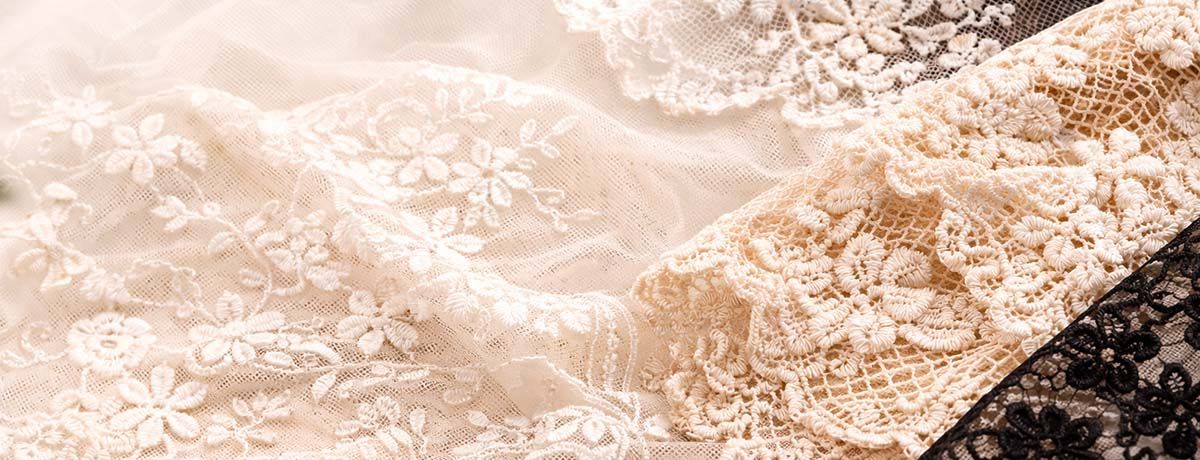
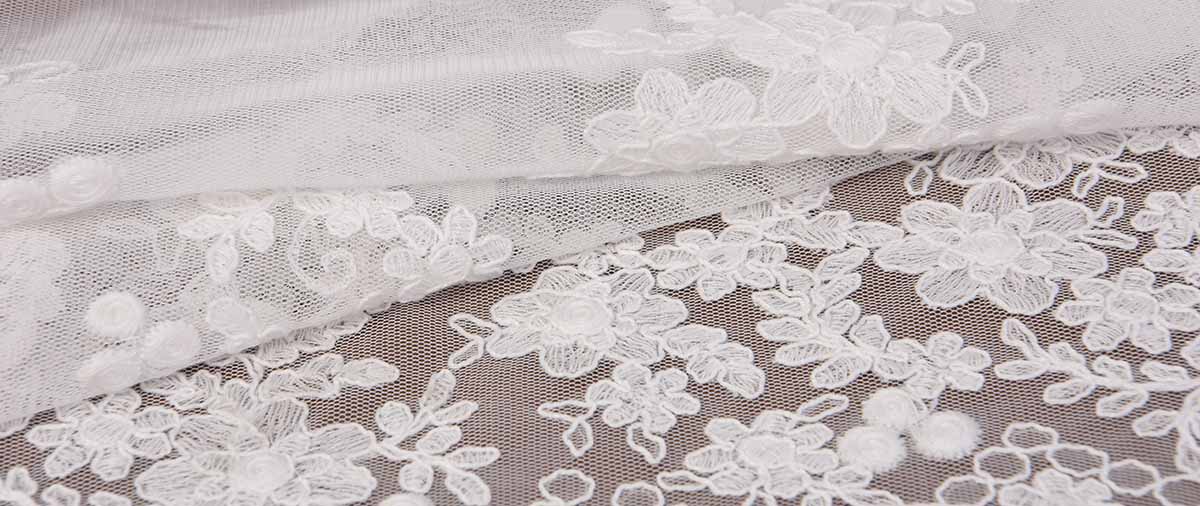
Net lace is a versatile fabric characterized by its open-weave mesh base, also known as the net ground, which supports decorative patterns created using thread, embroidery stitches, or knotting techniques.
Unlike solid fabrics, net lace is lightweight, breathable, and transparent, making it widely used in women’s fashion, formal wear, and decorative textiles.
Types of Lace Fabrics and Net-Based Structures
Lace fabrics can be made from various materials, including cotton, silk, nylon, polyester, and synthetic blends, each offering different textures, appearances, durability, and price levels. Cotton net lace is especially known for being breathable and is popular for vintage-style garments.
Common Lace Fabric Types
-
Tulle Lace
A very fine, lightweight mesh with a signature hexagonal pattern, often used in bridal wear. -
Power Net
A nylon-spandex blend that provides high compression and four-way stretch, widely used in lingerie and activewear. -
Chantilly Lace
Known for its fine hexagonal net ground and delicate floral patterns outlined with thin threads. -
Alençon Lace
A structured needlepoint lace featuring raised floral motifs on a sheer net background. -
Net Lace Fabric
A general category defined by its mesh base and decorative surface design and includes various lace fabric options for different garment applications.
Material Insight:
Nylon is soft and durable, ideal for lingerie, while polyester is more cost-effective and wrinkle-resistant, making it suitable for bulk wholesale.
What is Embroidered Net Lace?
Embroidered net lace is a type of needle lace that developed in Europe from around the 16th century onwards. It combines a net ground with decorative designs created using embroidery stitches.
Key Characteristics
-
Built on a mesh (net) base
-
Patterns formed using stitching techniques
-
Combines traditional craftsmanship with modern production
Types Based on Ground
There are two main forms of embroidered net lace:
-
Hand-knotted net ground (filet lace)
-
Machine-made net ground (tulle or bobbinet)
Embroidery Stitches in Net Lace
The appearance and quality of embroidered net lace depend heavily on the type of stitches used.
Common stitches include the chain stitch, satin stitch, buttonhole stitch, and darning stitch. Each stitch creates a different texture and effect on the net, and high-quality embroidery thread offerings further influence the final appearance. To achieve precise and consistent results, embroiderers often follow a marked outline or sequence on the net lace, ensuring accurate stitching and maintaining the intended pattern throughout the design.
Common Embroidery Stitches
-
Running stitches
-
Filling stitches
-
Satin stitches
-
Decorative stitches
Different embroidery stitches create various textures, densities, and visual effects.
Variations include:
-
Needlerun lace
-
Filet brodé (embroidered filet lace)
Filet Lace Techniques and Structure
Filet lace is one of the most traditional and structured forms of net lace, typically worked by embroidering designs onto a ground of knotted net. The technique involves using a long blunt needle and thread on a ground of knotted net lace, which can be handmade or commercially produced; in some applications, a polyester stiff net fabric is preferred for added structure. Depending on the stitches and construction methods used, the result is a variety of textures and patterns, with each technique influencing the clarity of the pattern and the overall aesthetic effect.
How Filet Lace is Made
Filet lace is created by knotting a fabric of diagonal or square meshes to form an open net ground, which is then embroidered using various stitches.
Production Techniques
-
Uses a long blunt needle and thread
-
Built on a knotted net structure
-
Can be handmade or commercially produced
Design Methods
Patterns are formed by filling selected mesh areas with stitches, creating contrast between open and filled spaces.
Related Types
-
Filet Guipure
-
Linen stitch lace
These techniques allow manufacturers to create highly customized lace designs for different markets.
How Net Lace Fabric is Made
The making process of net lace involves several steps:
-
Creating the net ground (woven, knitted, or knotted net)
-
Applying decorative designs using thread
-
Using embroidery stitches or lace techniques
-
Finishing, dyeing, and sizing
Modern production combines traditional lace-making knowledge with machine embroidery to improve efficiency and scalability, supported by reliable MH sewing thread factory supply for large-scale operations.
Applications of Net Lace Fabric
1. Fashion & Apparel
Net lace is widely used in garments that often combine it with wholesale chiffon fabric for flowing overlays and linings, including:
-
Women’s dresses
-
Lingerie
-
Wedding attire and bridal wear
-
Evening and formal garments
Lace fabrics are especially popular in formal wear due to their delicate and intricate designs.
2. Decorative Uses
-
Curtains
-
Tablecloths
-
Event and wedding decorations
3. Cultural and Specialized Uses
-
Traditional garments
-
Stage costumes
-
Religious clothing
Sizes, Widths, and Specifications
The width of lace fabrics can vary, with common widths around 52 to 54 inches, making them suitable for a wide range of garment applications.
B2B buyers should also consider:
-
Pattern repeat sizes
-
Fabric weight (GSM)
-
Elasticity (stretch vs non-stretch)
B2B Buying Guide: Key Considerations
1. Type Selection
-
Filet lace vs embroidered net lace
-
Knotted net vs machine-made net
2. Market Demand
-
Africa: bold patterns and heavy embroidery
-
Middle East: luxury lace with beads
-
Latin America: colorful and trendy designs
3. Production & Supply
-
Ability to create new designs quickly
-
Stable bulk supply for sale
-
Consistent quality across orders, often by working with an experienced global garment accessories provider capable of coordinating multiple product lines such as lace and wholesale Oxford fabric materials.
Why Choose MH as Your Net Lace Supplier
MH is a leading global supplier of garment materials and accessories, offering strong advantages for B2B buyers.
1. Strong Supply Chain
-
3,000+ employees
-
2,000+ partner factories
-
Reliable production capacity
2. Full Product Coverage
-
Net lace, filet lace, embroidered lace
-
Various thread types and ground structures, plus fabrics such as 93% polyester 7% spandex stretch woven fabric
-
Custom design capability
3. Global Experience
-
Customers in 150+ countries
-
Deep understanding of regional markets, supplying diverse needs from custom B2B zipper solutions to specialized polyester sewing threads for manufacturers
-
Fast response to trends
4. Professional Service
-
Flexible MOQ
-
Fast sampling
-
Efficient communication
Conclusion
Net lace fabric, including embroidered net lace and filet lace, is a highly versatile textile with a rich history and wide range of applications. Its unique net ground structure, combined with various stitches and techniques, allows for endless design possibilities.
For B2B buyers, understanding materials, techniques, and market demand is essential for making the right sourcing decisions.
Contact MH for Wholesale Net Lace
Partner with MH to build a reliable and competitive lace supply chain.
To access the latest catalog, request free samples, or start your bulk sourcing process, simply click on the provided links or images.