
Nonwoven Fabric Manufacturer: Capabilities & Innovative Solutions
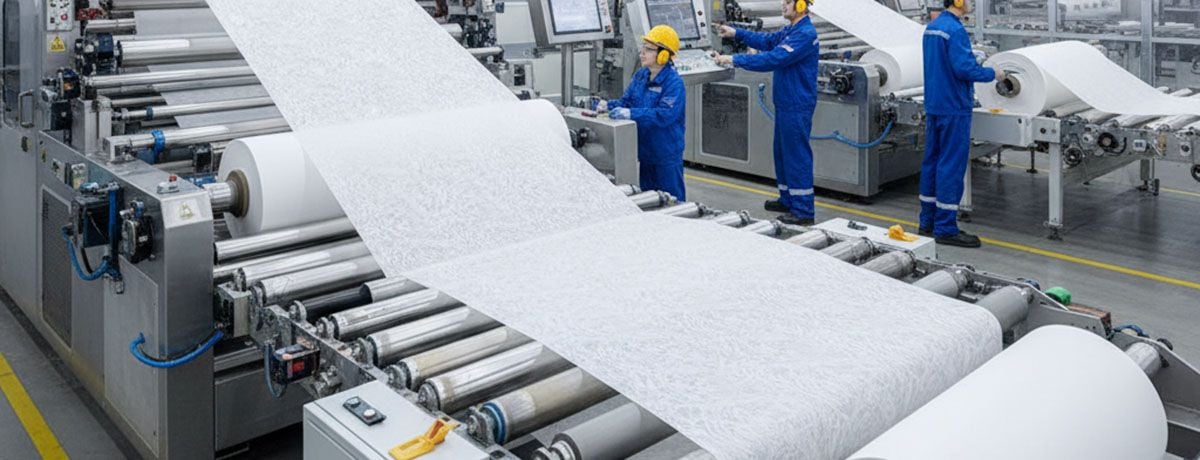
As a premier Chinese integrated industrial and trade company, MH has established itself as a global leader in the textile sector. While known for a broad spectrum of garment accessories, MH stands out as a specialized nonwoven fabric manufacturer, serving professional B2B buyers, wholesalers, and garment factory procurement managers worldwide. MH's expertise in nonwoven fabric manufacturing is demonstrated by its technical knowledge, continuous innovation, and specialization in advanced fiber applications.
This overview outlines MH’s manufacturing capabilities, diverse product lines, and commitment to delivering innovative, make-to-order solutions for industrial applications. MH’s product portfolio includes not only nonwoven fabrics but also films and other non woven materials, showcasing versatility to meet the needs of various industries.
Introduction to Nonwoven Fabrics
Nonwoven fabrics are engineered materials created by bonding fibers together through methods such as thermal, chemical, or mechanical processes, rather than weaving or knitting. This unique approach to fabric production results in materials that offer exceptional strength, durability, and versatility, making them indispensable across a wide range of industries. From automotive interiors and medical supplies to construction reinforcements and packaging solutions, nonwoven fabrics are widely recognized for their ability to meet diverse and demanding requirements.
The adaptability of nonwoven fabrics stems from the variety of raw materials used in their manufacture, including polypropylene, polyester, and nylon. These materials can be tailored to deliver specific properties such as chemical resistance, waterproofing, and breathability, ensuring optimal performance in each application. As a leading manufacturer in the nonwoven industry, companies like Delaware Valley Corp and Zhengxin Group are dedicated to delivering innovative solutions and exceptional quality, working closely with clients to provide materials that are precisely tailored to their needs. Whether for protective garments, industrial packaging, or construction projects, nonwoven fabrics continue to set the standard for reliability and performance in modern manufacturing.
Nonwoven vs. Woven: Understanding the Difference
To select the right material for industrial or commercial applications, understanding the distinction between nonwoven and woven fabric is essential.
-
Woven Fabric: Created by interlacing two sets of yarns at right angles. Woven fabric is known for durability but can be labor-intensive to produce.
-
Non woven fabrics: Manufactured by bonding fibers together through chemical, mechanical, heat, or solvent treatment. This process bypasses the need for weaving or knitting, resulting in faster production speeds and versatile property customization. Spunbond nonwoven fabric is also an environmentally friendly alternative to other materials, offering sustainability benefits such as biodegradability and a lower environmental impact compared to traditional or resource-intensive materials.
MH serves core markets requiring high-performance materials that traditional textiles cannot provide, offering cost-effective and technically superior alternatives.
Comprehensive Product Portfolio
MH operates on a make-to-order basis, allowing for extensive customization across product families. The portfolio includes a wide variety of non woven fabrics and woven fabrics tailored for different industry needs. The portfolio encompasses a wide range of basis weights and roll widths, supplied as bulk rolls or converted goods.
Spunbond and Meltblown Solutions
-
Spunbond (PP): A cornerstone of the nonwoven category, MH offers high-strength spunbond polypropylene suitable for medical, hygiene, and industrial uses. Spunbond nonwoven fabric is made by bonding polypropylene polymer fibers together through a unique spunbonding process, which involves the continuous spinning and bonding of fibers, reducing the need for cutting or sewing and producing minimal waste. The manufacturing process consumes less energy and water compared to traditional textile manufacturing, and spunbond fabric is available in environmentally friendly and biodegradable options that help minimize environmental impact. Spunbond nonwoven fabrics contribute to sustainability efforts by replacing traditional materials with eco-friendly alternatives.
Spunbond fabric is widely used in the construction industry for dewatering, filtration, reinforcement, and erosion control applications, helping stabilize soil and protect surfaces. In agriculture, spunbond fabric is utilized for crop protection and soil erosion control. The furniture industry employs spunbond fabric to protect furniture and bedding during transit and storage, taking advantage of its durability, breathability, and protective qualities to maintain product quality and cleanliness. Additionally, spunbond nonwoven fabric is used in the production of disposable medical products like surgical gowns, caps, masks, and shoe covers.
-
Meltblown: Designed for critical filtration applications, these fabrics provide high-efficiency barrier properties essential for masks and air filtration systems.
Mechanical and Hydroentangled Options
-
Needle-Punched & Carded: These fabrics are mechanically interlocked to provide superior strength and durability, ideal for geotextiles and automotive interiors. In geotextile applications, needle-punched and carded nonwovens are widely used for reinforcement, enhancing soil stabilization, erosion control, and improving the structural integrity of construction projects.
-
Air-Laid & Hydroentangled: Known for exceptional softness and absorbency, these grades are customized for the personal care and hygiene markets.
Material Diversity
Production inputs include standard high-performance polymers as well as sustainable alternatives. Compared to other materials, nonwoven fabrics—especially spunbond non-woven fabric—offer a lower environmental impact and support sustainability efforts due to their biodegradability and resource efficiency. MH offers formulations utilizing recycled content, natural fibers, and bio-based polymers to align with global environmental standards.
Customization and Converting Services
As a direct supplier, MH offers value-added converting services to streamline client operations:
-
Slitting and Rewinding: Custom roll dimensions to fit specific machinery.
-
Coating and Laminating: Enhancing barrier properties or surface texture.
-
Printing and Embossing: Custom branding or functional surface patterns.
Strategic Industry Applications
MH nonwoven solutions power a diverse array of sectors, showcasing the versatility of non woven fabrics and their widespread use across industries:
-
Healthcare & Medical: Production of sterile packaging, surgical gowns, and PPE using high-quality non woven fabrics such as polypropylene spunbond non woven, melt-blown, and SMS, meeting the demanding requirements of medical and laboratory environments.
-
Hygiene: Specialized grades of non woven fabrics for diapers, sanitary products, and wipes, featuring customized absorbency and softness.
-
Filtration & Automotive: High-performance non woven media for air/liquid filtration, acoustic insulation, and interior liners, demonstrating the durability and adaptability of non woven materials in industrial and automotive applications.
-
Agriculture & Geotextiles: UV-stabilized non woven crop covers and durable soil stabilization fabrics, supporting sustainable agricultural practices and infrastructure projects.
Global Logistics and Supply Chain
With a robust network of manufacturing and distribution points, MH ensures reliable delivery to global markets. The make-to-order model is supported by efficient logistics planning, providing clear lead times and inventory management options for long-term partners.
Conclusion and Future Outlook
In summary, the nonwoven fabric industry stands as a dynamic and rapidly advancing market, shaped by trends in sustainability, innovation, and the growing demand for high-performance materials. As a global leader, companies like Kimberly-Clark and Berry Global are well-positioned to drive success and provide solutions that address the evolving needs of customers across industries such as medical, automotive, construction, and packaging. The future outlook for the nonwoven industry is highly positive, with continued growth expected as manufacturers adopt sustainable practices like recycling and responsible sourcing to reduce environmental impact.
Nonwoven fabrics, with their exceptional strength, durability, and versatility, will remain essential in the manufacture of products such as face masks, protective garments, and filtration systems. As the industry continues to innovate and respond to market demands, the commitment to providing durable, cost-effective solutions that support both performance and sustainability will ensure that nonwoven materials retain their vital role in diverse industries worldwide.
Partner with MH
MH invites wholesalers and distributors to explore the potential of high-quality nonwoven solutions. To request samples or initiate a quotation:
-
Define Requirements: Specify basis weight, polymer type, and application.
-
Request Samples: Validate quality through the sample program.
-
Quotation: Receive a detailed commercial offer based on volume and specifications.
Contact the MH team today to discuss your procurement needs and access technical datasheets.