
Nylon Mesh Fabric for Industrial and Apparel Applications

Key Takeaways
-
MH supplies nylon mesh fabric exclusively on a Make-to-Order basis for B2B buyers, with no ready stock but full customization in denier, gsm, width, and color.
-
Both warp-knitted and woven nylon mesh options are available, suitable for industrial filtration, medical use, automotive components, footwear, and garment linings.
-
Nylon mesh fabric can be engineered for breathability, strength, stretch, abrasion resistance, and chemical or heat resistance depending on buyer specifications.
Overview of Nylon Mesh Fabric
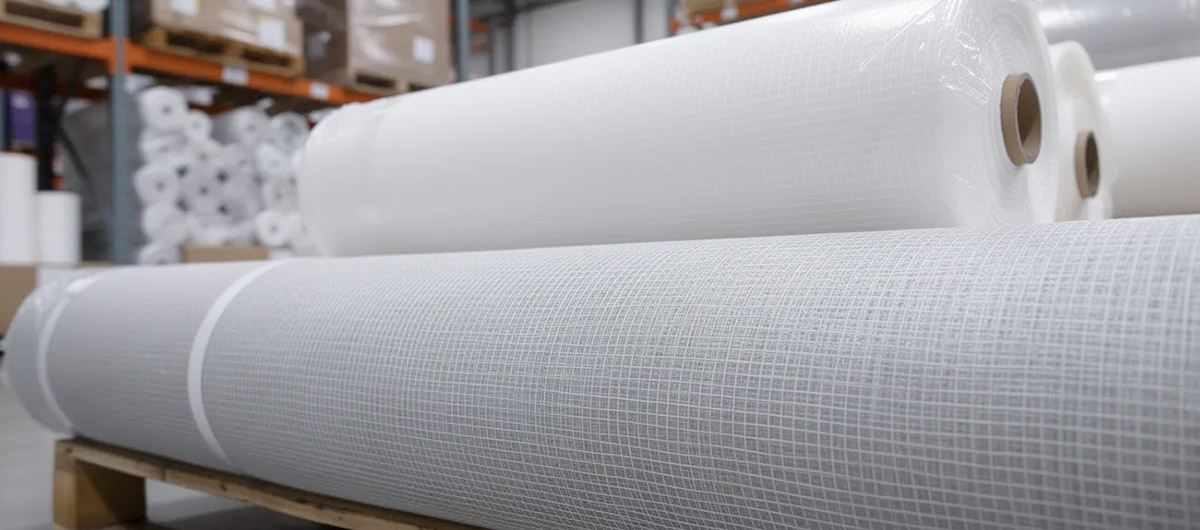
Nylon mesh is a lightweight synthetic textile made from polyamide fibers-primarily PA6 or PA6,6-with controlled apertures engineered for industrial and apparel use.
Three main construction types exist: extruded nylon mesh, where strands are fused at junctions for stability; woven mesh, where warp and weft yarns interlace for precise openings and can be specified with apertures as small as 45 microns; and knitted mesh, produced on warp-knit or weft-knit machines with opening shapes and sizes that vary by knit construction for stretch and comfort. MH primarily supplies warp-knitted and woven solutions.
Compared to polyester or polypropylene mesh fabric, nylon offers superior abrasion resistance and elasticity, richer dyeing performance with acid dyes, and better wet-strength retention, though buyers may also consider polyester stiff net fabric for highly structured mesh applications.
It also delivers excellent strength and low elongation, along with good thermal stability for operation at elevated temperatures; nylon mesh can withstand temperatures up to 347°F (175°C), and its heat deflection temperature reaches 347°F (175°C), with buyers often also comparing the softening point on related temperature-guideline pages for more detail. These properties make nylon ideal for performance apparel, filtration screens, and automotive interiors.
Industrial and Apparel Applications of Nylon Mesh Fabric
Common uses of nylon mesh include filtration, outdoor gear, and apparel.
Nylon mesh is effective for industrial filtration and separation applications. Fine woven nylon mesh handles liquid and air filtration, sieving, food processing screens, and water treatment across a range of micron ratings. Nylon mesh is used in food processing applications and in filtration applications for chemical processing, where its chemical resistance and easy cleaning reduce downtime. Dimensional stability under flow and pressure is critical in these settings.
In automotive and transport, nylon mesh serves as seat and backrest support, headliner backing, speaker covers, air intake filters, and cable protection sleeves. Abrasion resistance, fatigue performance, and compliance with OEM flame or VOC standards drive material selection in this segment.
Nylon mesh is used in medical applications for patient slings and braces, breathable panels in orthotic devices, and filtration components in laboratory and medical equipment. Controlled stretch, skin comfort, and clean production with traceable batches are essential for this category.
For apparel, footwear, and bag manufacturing, nylon mesh fabric functions as lining, pocketing, sports shoe uppers, backpack ventilation panels, and cap mesh. Breathability, light weight, and color consistency across a variety of dye lots matter for large garment runs, alongside complementary fabrics such as wholesale chiffon fabric for dresses and linings and polyester spandex stretch woven fabric for outer shells. MH works with garment factories to select mesh that matches shell fabrics and trims.
Packaging and protective solutions-mesh bags, laundry nets, industrial covers, and component sleeves-rely on tear resistance and repeatable performance across bulk orders, often in combination with durable waterproof oxford fabric for outer layers.
MH's Make-to-Order Supply, Quality Control, and Logistics
MH operates strictly on a Make-to-Order model for nylon mesh fabric, with no ready stock. This approach allows precise alignment with buyer specifications and reduces inventory risk for both sides.
When choosing a product, buyers define order parameters based on application needs, mesh construction (woven, tricot, or raschel), temperature requirements, and whether nylon is the right material, along with yarn denier, mesh count or aperture size, gsm, width, color standard (lab dip or Pantone), functional finishes, and packaging format (roll diameter, length, labeling, and palletization); in some programs, buyers also pair nylon mesh with 60gsm PP nonwoven fabric for disposable or semi-durable components.
Products can also be supplied in custom lengths or formats and cut to suit the application. Note that nylon is only one mesh option available, and many garment and workwear buyers also run programs in TC 65/35 twill fabric for durable uniforms and trousers.
Contact MH today for more information about available knitted mesh fabrics and custom manufacturing support.


FAQ
Can MH match an existing nylon mesh fabric that we are buying from another supplier?
Yes. If you provide physical samples and basic performance requirements, MH can reverse-engineer or closely match your current mesh fabric. After technical evaluation, MH may also suggest improvements in strength, weight, or cost efficiency—such as using fine nylon mesh beneath another fabric to add a little extra body, since some buyers use it as an underlayer because it has structure similar to organza—or optimizing compatibility with 150D/2 rayon embroidery thread for branding and decorative stitching, making the difference clear before you select and commit to a production order.
Is it possible to order small trial quantities before committing to large production?
While MH is oriented toward bulk B2B production with standard MOQs, smaller trial yardage can often be arranged for qualified projects as part of the development phase-especially when linked to a clear forecast for potential bulk orders.
Does MH supply only nylon mesh fabric, or can we source other mesh fabric types as well?
This article focuses on nylon mesh fabric, but MH can also support polyester, polypropylene, or blended mesh options through its integrated textile supply chain, as well as related categories like polyester sewing threads for general stitching requirements and curtain accessories and hardware for home textile programs. Consolidating multiple mesh programs with a single partner simplifies procurement and improves consistency across your product range.
