
Nylon vs Satin: Key Differences, Uses & Care Guide
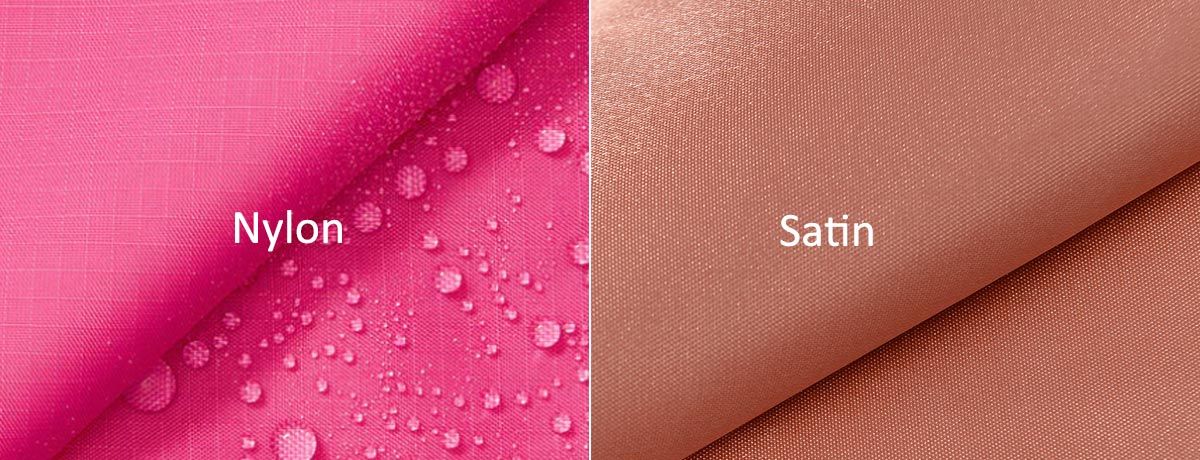
Before you can compare nylon and satin, there's one distinction worth getting right: nylon is a fiber, satin is a weave. You can actually make satin fabric from nylon yarn. Understanding that distinction changes how you think about every sourcing, design, and care decision that follows.
This guide breaks down nylon and satin across six dimensions — fiber structure, performance, applications, cost, sustainability, and care — so you can match the right material to your project.
Key Takeaways
-
Nylon is a synthetic polymer fiber; satin is a float-weave construction applied to silk, polyester, nylon, or other fibers
-
Nylon leads on durability and water resistance; satin leads on surface aesthetics and drape
-
As of 2025, nylon accounts for approximately 5% of global fiber production (Textile Exchange, 2025)
-
Nylon fabric typically costs $2–$12/meter at wholesale; silk satin runs $20–$80/meter; polyester satin $3–$10/meter
What Is Nylon Fabric?
Nylon is a synthetic polyamide polymer first developed by DuPont in 1935 and commercialized in 1939 — originally as a replacement for silk in stockings. Today it's one of the most widely produced synthetic fibers globally, valued for exceptional strength-to-weight ratio, abrasion resistance, and elasticity recovery.
From a structural standpoint, nylon is made by reacting diamine with dicarboxylic acid under heat and pressure, producing a polymer chain that's extruded through spinnerets into continuous filament fiber. The fiber can then be woven, knitted, or textured depending on the intended application.
Key properties of nylon fabric:
- Tensile strength: Nylon 66 has a tensile strength of approximately 70–85 MPa — significantly stronger than polyester (50–70 MPa) and far stronger than silk (30–40 MPa)
- Water resistance: Does not absorb water into the fiber structure; moisture wicks to the surface and evaporates
- Abrasion resistance: Among the highest of any textile fiber — the reason it's used in backpacks, outdoor gear, and parachutes
- Elasticity: Returns to original shape after stretching up to 30–40% elongation
- Breathability limitation: Low moisture vapor transmission rate means heat builds up during prolonged activity
- UV sensitivity: Degrades faster than polyester when exposed to direct sunlight without UV stabilization
Common applications of nylon fabric:
|
Application |
Why Nylon |
Typical Grade |
|---|---|---|
|
Activewear & sportswear |
Stretch, moisture management, durability |
Nylon 6,6 or Nylon 6 |
|
Outdoor gear (tents, backpacks) |
Tear resistance, water repellency |
High-denier ripstop nylon |
|
Hosiery & lingerie |
Fine filament, smooth hand |
Micro-denier nylon |
|
Parachutes & technical textiles |
Strength-to-weight ratio |
High-tenacity nylon |
|
Carpets & upholstery |
Abrasion resistance |
Bulked continuous filament (BCF) |
In our experience sourcing textiles for B2B clients, nylon performs best when the primary requirement is mechanical durability. When aesthetics take priority, buyers almost always move toward satin-weave constructions — which brings us to the second material.
What Is Satin Fabric?
Here’s the distinction that trips up most buyers: satin is not a fiber type, it’s a satin material defined by weave structure. This weaving technique creates an ultra-smooth, lustrous fabric face with a dull back, so satin fabric gets its characteristic shine and smoothness from a specific interlacing pattern — not from the raw material it’s made from.
In a satin weave, weft yarns float over four or more warp yarns before passing under one. This creates long, uninterrupted yarn floats on the fabric surface that reflect light beautifully, producing a lustrous appearance, glossy surface, and shiny face with a smooth texture. The trade-off is that those long floats are more vulnerable to snagging than a plain or twill weave.
The same satin weave can be applied to silk fibers, polyester, nylon, cotton, or rayon, and acetate satin is a lightweight option with elegant drape often used for eveningwear and bridal gowns — each producing a different performance and price profile with real versatility across clothing, accessories, bed linens, satin curtains, and other home décor uses:
|
Satin Type |
Base Fiber |
GSM Range |
Typical Use |
|---|---|---|---|
|
Silk Satin |
Natural silk |
60–90 |
Couture, luxury lingerie, bridal |
|
Polyester Satin |
Synthetic polyester |
55–80 |
Eveningwear, linings, accessories |
|
Nylon Satin |
Synthetic nylon |
50–75 |
Lingerie, athletic wear, linings |
|
Cotton Satin |
Natural cotton |
100–160 |
Upholstery, bedding, shirting |
|
Rayon Satin |
Semi-synthetic |
60–90 |
Dresses, blouses, drape-focused garments |
Key properties of satin fabric:
- Surface luster: Long yarn floats create a mirror-like reflection on the face side — the defining characteristic of this lustrous fabric
- Drape: Excellent — satin flows and falls naturally, making it preferred for fluid silhouettes
- Smooth hand feel: The floating yarns minimize cross-yarn friction, producing a soft and smooth texture with a silky feel; that softness comes from the tight weave and high thread count, which is why satin is favored for pieces worn close to the skin, especially lingerie
- Snag vulnerability: Satin is delicate, and the long floats can snag, pull, and tear easily on rough surfaces, fingernails, and abrasive fasteners
- Temperature regulation: Silk satin is naturally thermoregulating; synthetic variants such as polyester satin are less breathable and may trap heat
According to the International Textile Manufacturers Federation, satin-weave fabrics account for a significant share of luxury bridal and eveningwear production globally — driven almost entirely by the weave’s unique surface aesthetics rather than its fiber composition.
Nylon vs Satin: Full Comparison
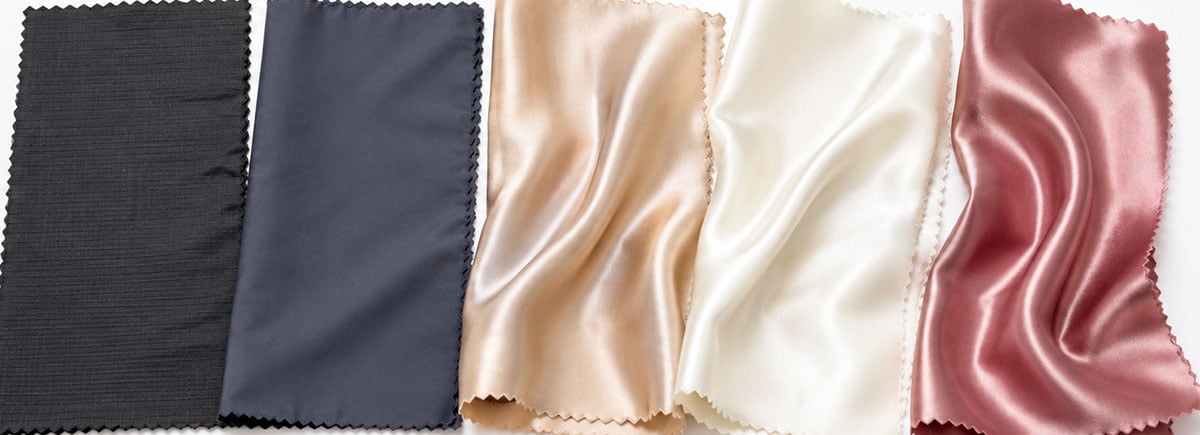
The challenge with comparing nylon and satin directly is that you’re often comparing a fiber (nylon) with a weave structure (satin). A more useful comparison addresses what most buyers actually face: choosing between plain/ripstop nylon fabric and satin-weave fabric (typically polyester satin or silk satin) for a specific application.
|
Dimension |
Nylon Fabric |
Polyester Satin |
Silk Satin |
|---|---|---|---|
|
Tensile strength |
70–85 MPa |
50–70 MPa |
30–40 MPa |
|
Weight range (GSM) |
30–300+ |
55–80 |
60–90 |
|
Water resistance |
Excellent |
Moderate |
Poor |
|
Abrasion resistance |
Excellent |
Moderate |
Low |
|
Drape |
Moderate |
Good |
Excellent |
|
Surface sheen |
Low–medium |
High |
Very high |
|
Breathability |
Low |
Low |
Moderate |
|
Snag resistance |
High |
Low |
Low |
|
Washability |
Machine-safe |
Hand wash/gentle |
Dry clean |
|
UV resistance |
Moderate |
Good |
Poor |
|
Eco-profile |
Petroleum-based; rNylon available |
Petroleum-based; rPET available |
Biodegradable; water/chemical intensive |
|
MOQ (typical China supplier) |
300–500m |
300–500m |
500–1,000m |
When nylon wins: functional performance applications where durability, water resistance, or structural integrity matters more than surface appearance, including uses where you might otherwise specify lightweight polyester taslon taffeta for outdoor gear. Outdoor gear, activewear, technical textiles, bags, and industrial applications.
When satin wins: applications where elegance and luxury matter most, especially for special occasions and bridal wear. Its smooth texture and drape give garments a luxurious feel that plain nylon usually does not. That makes satin a strong fit for high-end fashion where a luxurious appearance is part of the product’s value. It is a classic choice for evening gowns because the sheen supports a refined silhouette. It is also widely used for bridal gowns when a more elegant appearance is the priority, with options like polyester-spandex paradise satin fabric for wedding and evening gowns. Satin also works well in skirts that need fluid movement rather than structure, and is often paired with lightweight chiffon fabrics for dresses and evening gowns. Beyond apparel, satin brings a delicate appearance and visual elegance to luxury lingerie, home décor, bed linens, satin curtains, and accessories where an elegant appearance is desired, and it’s also frequently specified in uniform and institutional fabric programs where a polished look matters.
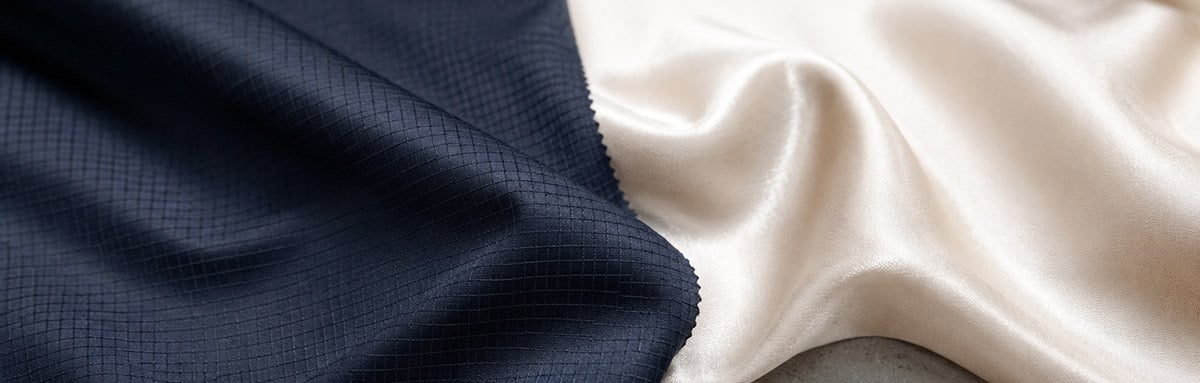
When they overlap: nylon satin — a satin-weave fabric made from nylon yarn — bridges both requirements. It offers better durability than polyester satin while maintaining the aesthetic profile of a satin weave. Even so, satin can still be durable and withstand wear over time when properly cared for, despite its more luxurious surface. Its smooth face can also support embellishments on formal garments, especially when paired with high-sheen rayon embroidery thread. In our experience, nylon satin is underused; buyers default to polyester satin without realizing nylon satin exists at comparable price points.
Is Nylon or Satin More Sustainable?
Sustainability comparisons between nylon and satin depend heavily on the satin fiber type — and the answer is more nuanced than most guides suggest.
Nylon's environmental profile: Standard nylon is petroleum-derived and generates approximately 5.4 kg CO₂ per kilogram of fiber — higher than polyester (3.4 kg/kg). However, recycled nylon (Econyl, Aquafil) reduces the carbon footprint by approximately 80% versus virgin nylon, making it one of the more impactful sustainable fiber swaps available, especially when compared with conventional polyester-spandex stretch woven fabrics for suits and trousers.
Silk satin: Biodegradable and protein-based, but conventional sericulture is water and chemical intensive. The dyeing and finishing processes for silk satin can involve heavy metal dyes if not certified. OEKO-TEX or GOTS certification is the minimum standard for sustainable silk satin claims.
Polyester satin: The highest environmental footprint per kilogram among the main satin options, but rPET (recycled polyester satin) is widely available and commercially competitive. Most major Chinese mills now offer rPET satin with GRS certification.
For buyers making sustainability commitments, the hierarchy is: rNylon > silk satin (GOTS-certified) > rPET satin > virgin nylon > virgin polyester satin.
Frequently Asked Questions
Which is stronger — nylon or satin? Nylon fabric (plain weave or ripstop) is significantly stronger than satin-weave fabric of the same weight. Nylon 66 has a tensile strength of 70–85 MPa versus 30–50 MPa for typical satin fabrics. However, if the satin is made from nylon yarn, it retains much of nylon’s inherent strength — just with reduced snag resistance due to the floating weave structure.
Can you machine wash satin? Satin often needs special handling because it is delicate. It depends on the fiber. Polyester satin and nylon satin can usually be machine washed on a gentle cycle at 30°C in a mesh laundry bag, often on a delicate cycle. Silk satin is best hand washed: fill a basin with cool water and a mild detergent, gently agitate, rinse thoroughly, and avoid wringing, or dry clean. Use a cool iron on the reverse side with a pressing cloth between the fabric and the iron. For storing delicate fabrics, fold satin neatly, avoid heavy items on top, or use a hanger meant for delicate fabrics. Always check the garment care label.
Lay satin flat on a clean towel to air dry away from direct sunlight; avoid hanging if stretching or wrinkles are a concern.
Are satin pillowcases or bedding worth it? For many people, yes. Satin is often chosen to help reduce bedhead, facial creases, and skin irritation because its smooth surface creates less friction during sleep.
Is nylon better than satin for activewear? Yes, for most activewear applications. Nylon outperforms satin on abrasion resistance, elasticity recovery, and washability — all critical for repeated athletic use. Satin-weave nylon is occasionally used in athletic swimwear and lingerie for its smooth surface, but plain-weave or knit nylon is the standard for performance sportswear.
Why does nylon yellow over time? Nylon yellows due to UV degradation and oxidation of the polymer chain. UV-stabilized nylon (common in outdoor textiles) resists this, but untreated nylon will yellow with prolonged sun exposure. Storing nylon garments away from light and avoiding optical brightener detergents slows yellowing. It is also heat sensitive and can melt under a high-temperature iron.
Where does MH source nylon and satin fabrics? We source nylon fabrics primarily from mills in Zhejiang and Jiangsu provinces, which lead in polyamide production for the apparel and technical textiles market. For polyester satin, our main supply base is Shaoxing’s weaving cluster. Silk satin is sourced from mills processing French and Chinese silk, and we also stock 100% polyester satin fabric for bridal and eveningwear applications. Contact us for current MOQs, lead times, and sample availability.
Request Nylon or Satin Fabric Samples
MH supplies nylon fabric, polyester satin, and nylon satin to garment manufacturers, lingerie brands, bridal houses, eveningwear and formalwear buyers, and outdoor gear companies across Europe, North America, and Southeast Asia. Our stock includes 150+ colorways across fabric types with MOQs from 300 meters.
If you’re evaluating materials for an upcoming collection or sourcing project, request a sample pack to compare hand, weight, finish, softness, smooth texture, sheen, and luxurious feel before committing to a production run.