
Why Are Nylon Zippers Widely Used in Garment and Bag Manufacturing?
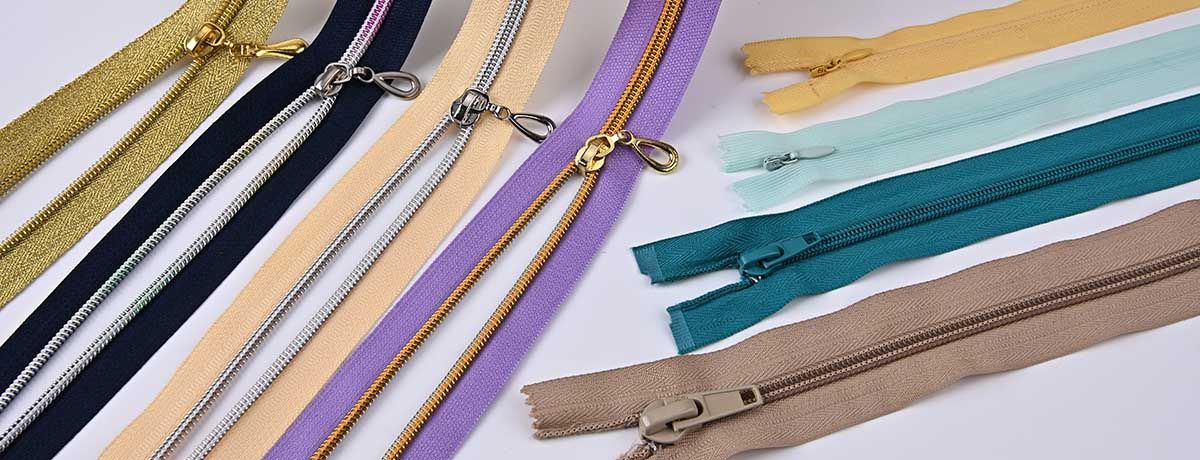
Nylon zippers are engineered closures featuring synthetic polymer teeth formed into continuous coils or molded elements. These fasteners deliver a balance of flexibility, light weight, and reliable closure performance across garment, bag, and upholstery applications.
Nylon coil zippers are often referred to as "universal zippers" because they are found on virtually everything, from pillows and upholstery to jackets and tents, and are a core part of MH's customizable zipper product range. Nylon zippers are great for a wide range of applications due to their flexibility and lightweight nature. They are strong, with a tight 'bite' that provides high tensile strength and durability against abrasion.
Nylon zippers can be up to 60% lighter than metal alternatives, which helps prevent sagging in lightweight fabrics. Unlike rigid metal alternatives, nylon coil and molded-tooth constructions bend smoothly around curves and resist corrosion, making them ideal for apparel manufacturers, luggage producers, and outdoor-gear specialists operating at scale.
Professional buyers sourcing nylon zippers for production runs benefit from lower per-unit weight, wider color availability, and the ability to order custom yardage rather than fixed-length stock. MH, a leading B2B integrated manufacturing and trading textile company, operates on a Make-to-Order (MTO) model, allowing factories and wholesalers to specify gauge, tape width, color, and yardage to match exact design requirements without carrying inventory overhead.
This guide walks through zipper construction, sizing standards, tape variants, and procurement formats to help garment factories, wholesalers, and industrial buyers make informed bulk-purchasing decisions.
Quick Product Snapshot
Nylon zippers typically ship in gauges ranging from #3 (lightweight) to #10 (heavy-duty), with #5 serving as the most common all-purpose size. Chain options include continuous coil—where a single monofilament spiral forms the teeth—and molded teeth, which are injection-formed onto woven tape. Color libraries often exceed fifty standard shades, and finishes range from matte to semi-gloss, enabling brand consistency across large production batches.
Nylon zippers can be purchased in bulk packages, with options for assorted lengths and colors to suit various sewing projects. Zippers by the yard are also available in convenient packages, allowing customers to purchase exactly what they need for customization and efficiency.
Types and Sizes
Coil Versus Molded Teeth
Coil zippers feature a nylon monofilament wound into a continuous spiral and stitched or heat-set onto woven tape. This construction delivers smooth operation and self-healing properties; minor snags often realign without permanent damage. Molded-tooth zippers use injection-molded plastic elements attached to tape, offering slightly higher strength per tooth and improved resistance to lateral stress.
Gauge Numbers and Relative Strength
Gauge numbers—#3, #5, #8, #10—indicate approximate tooth width in millimeters. A #3 zipper suits lightweight blouses and linings, while #5 handles mid-weight jackets and casual bags. Heavy canvas totes and industrial upholstery often require #8 or #10 gauges to withstand repeated opening cycles under load.
For light projects such as apparel linings or cosmetic pouches, specify #3. Mid-weight garments, backpacks, and soft luggage perform well with #5. Heavy canvas bags, outdoor tents, and upholstery demand #8 or #10 to ensure longevity under stress.
Zipper Chain: Construction and Variants
Formation of the Nylon Zipper Chain
Manufacturers extrude nylon monofilament, wind it into a helical coil, and bond the coil to woven polyester or cotton tape through heat-setting or stitching. The resulting chain remains flexible along its length, allowing installation along curved seams without puckering.
Continuous Coil Chain Versus Pre-Finished Chain
Continuous coil chain ships as long rolls—often fifty or one hundred meters—enabling factories to cut custom lengths on-site. Pre-finished chain arrives with top and bottom stops already installed, reducing assembly time but limiting length flexibility. Bulk buyers typically choose continuous chain to minimize waste and adapt lengths across multiple product lines.
Self-Healing Coil Benefits
Nylon coil zippers realign after minor tooth misalignment. When a slider catches fabric or encounters a snag, gentle reverse motion often resets the coil without permanent deformation, reducing rejection rates during quality control and extending product lifespan in consumer use.
Zipper Tape: Materials and Widths
Common Tape Materials
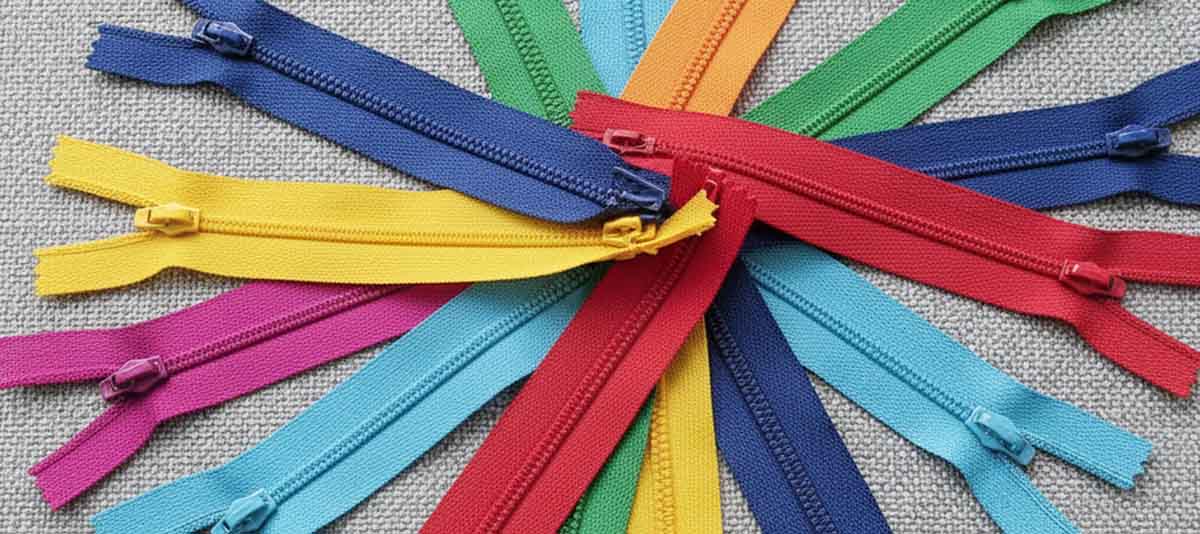
Polyester tape dominates garment applications due to colorfastness and dimensional stability through repeated laundering. Cotton tape suits natural-fiber garments where matching hand-feel is critical. Blended tapes combine polyester strength with cotton aesthetics, and large buyers often source these components through Ningbo MH's global garment accessories supply network.
Standard Tape Widths by Size
#3 zippers typically use 20 mm tape; #5 zippers use 25–28 mm tape; #8 and #10 zippers employ 30–35 mm tape. Wider tape distributes load across more stitching lines, reducing seam stress in high-use applications such as luggage handles and pocket flaps.
Tape Stiffness for Sewing Ease
Softer tapes feed smoothly through industrial sewing machines and conform to curved seams without pre-shaping. Zippers by the yard are easy to install and work with, making them user-friendly even for beginners when paired with high-strength polyester sewing threads for bulk production. Stiffer tapes resist curling during storage and maintain alignment during automated assembly, making them ideal for high-speed production lines.
Tape and Chain Matching
Matching Chain Color to Hardware
Coordinate coil color with slider and pull hardware to maintain visual consistency. Matte black coils pair well with gunmetal sliders; white or ivory coils complement nickel or clear-plastic hardware. Color mismatches can signal quality inconsistency to end consumers, impacting brand perception.
Matching Tape Color to Fabric
Select tape colors one shade lighter or darker than the primary fabric to minimize visual disruption. Exact matches often prove unnecessary; subtle contrast ensures the zipper remains functional rather than decorative, preserving garment aesthetics.
Choosing Chain Gauge for Intended Load
Light garments and linings require #3 to minimize bulk and weight. Medium jackets, bags, and upholstery perform reliably with #5. Heavy canvas, outdoor gear, and multi-season luggage demand #8 or #10 to prevent tooth fatigue under repeated stress cycles.
Buying Options and Formats
Finished Zippers Versus Zipper Tape by the Yard
Finished zippers arrive with sliders installed and top and bottom stops crimped in place, ready for immediate sewing. Zipper tape by the yard ships as continuous chain, allowing factories to cut exact lengths and attach hardware on-site. Finished zippers reduce assembly time; tape by the yard minimizes waste and supports custom product development.
Bulk Packs for Production Runs
Order zipper tape in rolls of fifty or one hundred meters to reduce per-meter cost and streamline inventory management. Bulk packs suit garment factories running seasonal collections or wholesalers supplying multiple clients with standardized components.
Sample Colors Before Bulk Buys
Request color swatches or short sample lengths before placing large orders. Screen renderings rarely match physical dye lots accurately; verifying color under factory lighting conditions prevents costly mismatches during production.
MH operates on a Make-to-Order model, enabling professional buyers to specify gauge, tape width, and yardage tailored to production schedules without maintaining ready stock. This approach supports just-in-time manufacturing and reduces working capital tied up in inventory.
Zipper Tape by the Yard
Specifying Yardage When Ordering
Provide total meters required per color and gauge. Include allowance for end trimming, installation practice, and quality-control samples. Factories typically order five to ten percent over projected consumption to accommodate process variation.
Buying Extra Length for Practice
Allocate twenty to thirty meters per new product design for sewing-machine setup, stitch-length calibration, and operator training. Practice runs reduce rework rates and ensure consistent placement during full production, especially when operators are also testing polyester sewing threads with varied counts and finishes.
Pulls May Ship Separately
Sliders and pulls often ship as separate line items, allowing buyers to mix hardware finishes across a single tape order. Confirm slider compatibility with chain gauge before ordering; #5 sliders will not engage #3 chain reliably.
Uses and Applications
Apparel Use Cases
Nylon zippers close jackets, trousers, skirts, dresses, and sportswear made from a wide range of fabrics, including lightweight chiffon for dresses and linings. Lightweight #3 gauges suit blouses and linings; #5 gauges handle outerwear and casual pants. Coil flexibility accommodates body movement without binding, and corrosion resistance ensures longevity through repeated laundering.
Bag and Luggage Use Cases
Backpacks, duffels, cosmetic bags, and travel cases rely on #5 and #8 nylon zippers for secure closure under load, working together with wholesale bag and luggage accessories such as straps, hardware, and wheels to complete the finished product. Self-healing coils reduce warranty claims caused by minor snags, and color variety supports brand differentiation across product lines.
Upholstery and Outdoor Gear Use Cases
Cushion covers, tent panels, and equipment cases benefit from #8 and #10 gauges, which resist deformation under tension and pair well with water-repellent pongee fabrics for outerwear and gear. UV-resistant nylon formulations extend service life in outdoor environments, and matte finishes reduce glare in high-visibility applications.
Comparison: Zipper Chain Versus Metal Options
Weight Differences with Metal Teeth
Nylon coil zippers weigh approximately thirty percent less than equivalent-gauge metal-tooth zippers, reducing shipping costs and improving garment drape. This advantage scales significantly across large production runs.
Flexibility Differences with Molded Teeth
Nylon coil bends smoothly around curves, while metal teeth remain rigid. Curved pocket openings, contoured seams, and ergonomic bag designs favor nylon over metal for ease of installation and user comfort.
Nylon Chain for Curved Openings
Specify nylon coil zippers for curved seams, rounded bag panels, and contoured garment closures. Metal teeth buckle under bending stress, creating uneven closure lines and premature failure.
FAQ and Resources
What is the minimum order quantity for zipper tape by the yard?
MH operates on a Make-to-Order basis; minimum quantities depend on gauge, color, and tape width. Contact our sales team for project-specific pricing and lead times.
Can I order custom colors for large production runs?
Yes. MH supports custom dyeing for orders meeting minimum yardage thresholds. Submit Pantone or physical swatches for color-matching review.
How do I ensure slider compatibility with purchased chain?
Specify slider gauge to match chain gauge. MH technical support can recommend slider styles optimized for coil or molded-tooth variants.
What lead times apply to bulk zipper tape orders?
Production schedules vary by order volume and customization requirements. Standard lead times range from two to four weeks; expedited production may be available for premium fees.
Where can I find installation tutorials?
MH provides step-by-step video tutorials and technical documentation through our customer portal. Contact your account representative for access credentials.
Partnering for Reliable Supply
Nylon zippers deliver flexibility, light weight, and corrosion resistance across garment, bag, and upholstery applications. Professional buyers benefit from understanding gauge standards, tape materials, and procurement formats to optimize production efficiency and cost control.
MH's Make-to-Order model supports large-scale production capacity, global export expertise, and supply-chain reliability for garment factories, wholesalers, and industrial buyers, who often source coordinating embroidery threads in bulk from MH alongside zipper orders. Our B2B focus ensures industrial quality standards, long-term partnership value, and technical support tailored to bulk procurement needs.


For detailed specifications, custom color development, or project consultation, contact MH's sales team to discuss your zipper requirements.
