
Why Do Manufacturers Choose Plaid Fleece Material for Blankets, Apparel, and Home Textiles?

Plaid fleece material has become a staple textile for manufacturers producing outerwear, home textiles, and seasonal goods. For B2B buyers sourcing fabric in bulk, understanding the technical specifications, production methods, and quality parameters of plaid fleece is essential to making informed purchasing decisions.
This guide covers the fundamentals of plaid fleece material from a manufacturing and wholesale perspective—from base fabric structures and pattern creation methods to weight ranges, performance testing, and customization options for volume production.
Overview of Plaid Fleece Material
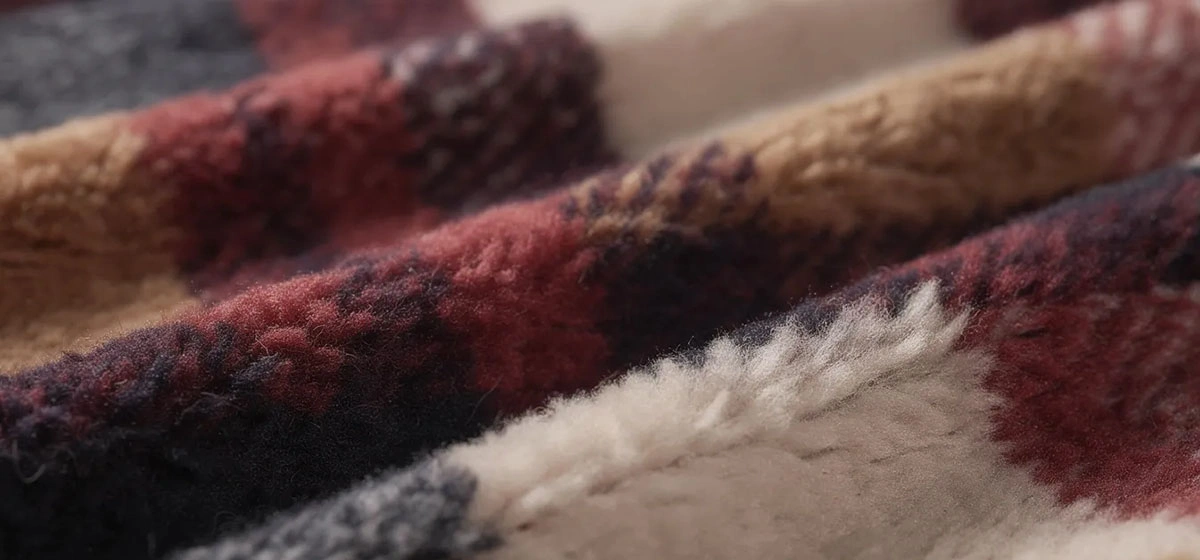
Plaid fleece material refers to polyester fleece fabric featuring woven-look plaid or tartan designs applied through dyeing or printing processes. Unlike traditional woven plaids, these patterns are created on knitted pile fabrics, combining the visual appeal of classic check designs with the soft, warm, and lightweight properties of synthetic fleece.
MH supplies plaid fleece as bulk yardage and rolls for industrial and commercial use. This material is intended for garment factories, home textile producers, and wholesalers—not as finished consumer products or retail cuts.
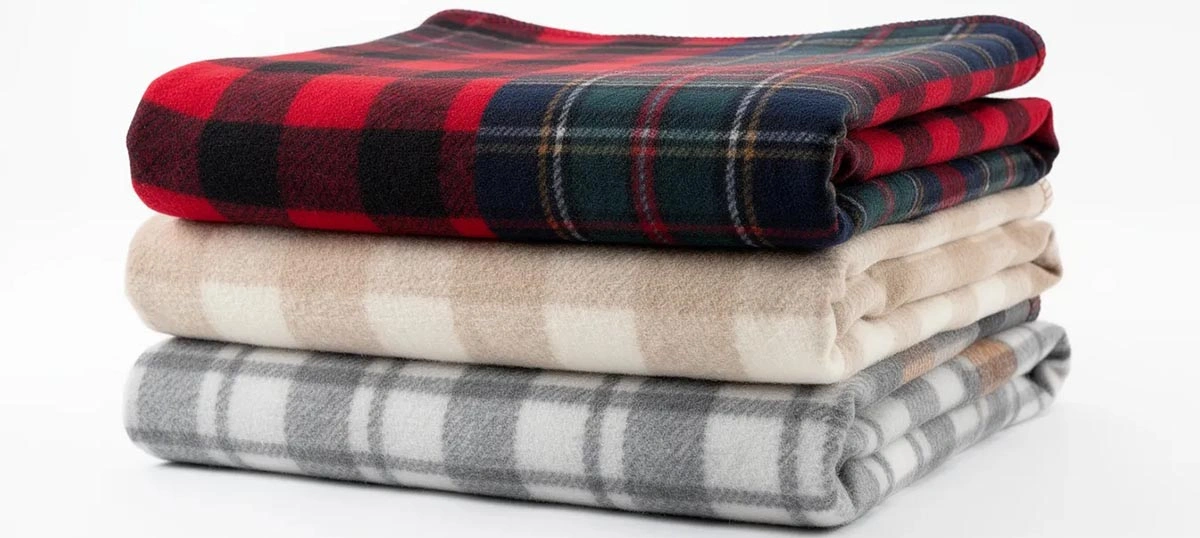
The term “plaid fleece” typically encompasses several base fabric types including polar fleece, coral fleece, flannel-style fleece, and microfleece, all featuring check or tartan patterns. Common colorways include red and black buffalo check, Black Watch tartan, grey checks, and neutral plaids suitable for various market applications.
Standard composition is 100% polyester, though recycled polyester blends are increasingly available for buyers seeking sustainable material options. Key properties that make plaid fleece attractive for volume production include excellent warmth-to-weight ratio, consistent softness across lots, dimensional stability after washing, and easy processing during cutting and sewing operations.
Base Fleece Structures and Constructions
Plaid fleece is typically a knitted pile fabric, with different constructions selected according to end-use requirements and price level. Understanding these base structures helps buyers specify the right material for their production needs.
Polar Fleece
Polar fleece is the most common base structure for plaid designs. This double-sided brushed polyester knit delivers medium weight performance, typically ranging from 240–320 gsm. The construction offers balanced insulation and breathability, making it suitable for jackets, blankets, uniforms, and general outerwear applications. Both surfaces feature uniform napping, providing a cozy handfeel on either side.
Microfleece
Microfleece utilizes finer yarns to achieve a lighter weight construction, generally 150–220 gsm. The smoother surface and reduced bulk make it appropriate for sportswear, jacket linings, and lightweight workwear where mobility matters. This base works well for plaid patterns requiring crisp line definition.
Coral and Shaggy Fleece
Coral fleece features a thicker, high-pile surface with notably soft handfeel, typically ranging from 260–350 gsm. This construction suits applications like throws, robes, and winter accessories where plush texture is a priority. The longer pile creates a more luxurious appearance for premium product lines.
Brushed and Flannel-Style Fleece
One-side brushed knit constructions offer lower weight options for linings, sleepwear, and low-bulk garments. These bases provide adequate warmth while maintaining drapability for applications where heavy fleece would be impractical.
MH can supply different knit gauges, pile heights, and finish levels to meet technical specifications from garment factories and home textile producers.
Plaid Pattern Creation: Dyeing and Printing Methods
Most plaid fleece is not yarn-dyed woven fabric. Instead, the pattern is created on knitted fleece through printing or piece dyeing combined with pattern overprint. Understanding these methods helps buyers evaluate supplier capabilities and expected quality levels.
Rotary Screen Printing
Rotary screen printing is the most common method for plaid fleece production at scale. This technique offers good color registration, consistent repeat sizes, and efficiency for large production runs. Typical repeat sizes range from 20–30 cm (8–12 inches) for classic tartans and buffalo checks. Advanced systems achieve pattern registration within 1mm tolerance, which is critical for garment factories making pattern-matched pieces.
Digital and Sublimation Printing
Digital printing using sublimation or direct disperse methods offers flexibility for smaller runs, complex multi-color plaids, or frequent pattern changes. This approach suits private-label customers requiring custom colorways without high MOQ requirements. Sublimation transfers patterns using heat, producing vibrant colors with excellent washfastness.
Dye Systems and Colorfastness
Disperse dye systems are standard for polyester substrates. These dyes penetrate the fiber structure during heat fixation, providing excellent lightfastness and washfastness meeting international standards for apparel and home textiles. Buyers should specify colorfastness requirements according to their target market regulations.
Pattern Alignment and Tolerance
Pattern repeat control, line straightness, and acceptable deviation limits are essential quality parameters. For cutting and marker layout at garment factories, consistent pattern registration across the roll width prevents material waste and ensures matched seams on finished products. Standard tolerance specifications should be established before production.
Popular plaid options for B2B applications include red buffalo check for winter blankets and promotional goods, Black Watch tartan for outerwear and uniforms, and neutral grey or navy plaids for corporate and school uniform programs.
Industrial and Commercial Applications of Plaid Fleece
Plaid fleece serves as a versatile material for mass production across garments, home textiles, and promotional goods. B2B applications span multiple product categories and market segments.
Apparel Applications
Garment manufacturers use plaid fleece for:
-
Outerwear: Fleece jackets, gilets, hoodies, and layering pieces for outdoor and casual wear programs
-
Workwear and Uniforms: Both shell fabrics and lining materials for corporate uniforms, school wear, and safety garments
-
Sleepwear and Loungewear: Robes, pajama sets, and leisure garments produced for mass retail
-
Accessories: Hats, scarves, gloves, and neck warmers manufactured at scale for seasonal collections
Home Textile Applications
For beginners interested in learning more about sewing and choosing the right materials for home textile projects, check out Mastering Sewing and Textiles: A Beginner's Guide to Crafting Success.
Home textile producers source plaid fleece for:
-
Blankets and throws for retail and hospitality use
-
Bedspreads and cushion covers
-
Pet beds and accessories
-
Upholstery-related applications where plaid designs meet buyer specifications
Promotional and Seasonal Products
Plaid fleece supports craft projects and promotional goods production including corporate gifts, branded fleece blankets, seasonal collection items for autumn/winter programs, and private-label lines for retailers. The material’s price point and customization flexibility make it suitable for both long-term supply programs and seasonal orders.
Regional Design Preferences
Plaid designs often vary by market. Classic tartans perform well in UK and EU markets. Buffalo check patterns—particularly red plaid variations—dominate North American winter collections. Neutral plaids suit Asian uniform and home textile buyers seeking understated patterns.
Customization, Sourcing Considerations, and MH Capabilities
B2B buyers typically require customized plaid designs, specific gsm targets, and controlled quality across repeated orders. Clear specifications and supplier evaluation criteria help ensure successful sourcing outcomes.
Customization Options
Available customization parameters include:
-
Colorways adapted to brand Pantone codes
-
Alternative repeat sizes for pattern scaling
-
Modified line thickness in plaid designs
-
Brushed level control for different handfeel targets
-
Selection among base fleece types (polar, micro, coral, flannel-style)
-
Stock or custom width specifications
Supplier Evaluation Criteria
When sourcing plaid fleece, buyers should assess:
-
Printing capacity and color management systems
-
Bulk vs. sample matching capability
-
MOQ per color and pattern (typical minimums start at 2000 meters per colorway)
-
Lead times for strike-offs and production
-
Quality control processes and testing capabilities
-
Yard pricing structures for different volumes
Logistics and Packaging
Standard considerations include roll lengths (typically 50–100 meters per roll), bale or roll packing options, labeling requirements, and export documentation suitable for container shipments to major markets including North America, Europe, Middle East, Africa, and Latin America.
MH Supplier Capabilities
As a vertically integrated fabric and garment material supplier, MH can supply plaid fleece alongside related materials including sewing thread, zippers, buttons, and interlinings. This capability supports full-package sourcing for garment and home textile manufacturers seeking to consolidate vendor relationships.


Specification Guidance
When requesting quotes for plaid fleece material, buyers should clarify:
-
Final application and product type
-
Target market and applicable standards
-
Budget level and quality tier expectations
-
Program duration (seasonal vs. ongoing stock)
-
Volume projections and order frequency
-
Specific performance test requirements
Key Takeaways
-
Plaid fleece material combines polyester fleece performance with printed or dyed plaid patterns suitable for apparel, home textiles, and promotional goods
-
Base structures range from lightweight microfleece (150–220 gsm) to heavy coral fleece (300–380 gsm), each suited to different applications
-
Rotary screen printing remains the standard for bulk production, while digital printing offers flexibility for smaller runs and custom colorways
-
Quality parameters including gsm tolerance, colorfastness, and pilling resistance should be specified before production
-
Customization options include colorway matching, pattern scaling, and finish adjustments to meet specific program requirements
For manufacturers and wholesalers evaluating plaid fleece suppliers, establishing clear technical specifications, requesting lab dips or strike-offs, and confirming certification compliance will support successful production outcomes. Contact MH to discuss your plaid fleece requirements, request sample rolls, or obtain technical specifications for your next production program.
