
How to Source the Right Plastic Rope for Industrial and Wholesale Markets?
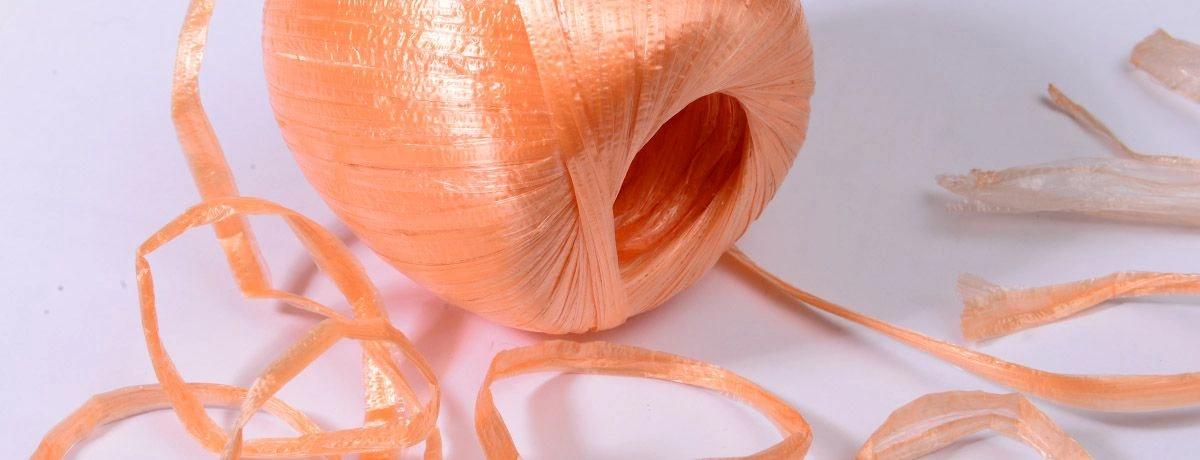
Synthetic cordage serves as a backbone for industries ranging from marine logistics to agricultural packaging. Unlike natural fibers, plastic rope—specifically varieties made from polypropylene and nylon—offers the consistency, durability, and chemical resistance required for large-scale operations. For wholesalers, distributors, and manufacturers, understanding the specific properties of these materials is essential for maintaining a high-quality inventory that meets diverse client demands.
This guide analyzes the critical distinctions between polypropylene and nylon ropes, their industrial applications, and key considerations for bulk procurement.
Understanding Plastic Cordage Materials
Plastic rope represents a versatile category of synthetic cordage primarily dominated by two materials: polypropylene and nylon. These thermoplastics are extruded into fibers and then twisted or braided to form ropes that far exceed the capabilities of natural fibers like hemp or cotton in industrial settings.
For B2B buyers, the appeal of plastic rope lies in its longevity and stability. These materials are engineered to resist environmental degradation, including damage from rot, mildew, and exposure to most industrial chemicals. This resilience ensures that inventory remains shelf-stable and that end-users receive a product capable of withstanding harsh operating conditions.
Polypropylene Rope (Polypro)
Polypropylene is a thermoplastic polymer used extensively in rope manufacturing due to its low density and cost-effectiveness. It is unique among synthetic ropes because it floats on water, having a specific gravity of less than 1.0. This characteristic makes it the standard choice for marine sectors, commercial fishing, and water rescue lines. It is typically the most economical option for bulk buyers, offering a high strength-to-weight ratio.
Nylon Rope
Nylon, or polyamide, is known for its superior elasticity and shock absorption. It can stretch significantly under load and return to its original length, effectively absorbing dynamic energy that would snap other materials. Nylon offers high tensile strength and excellent resistance to abrasion, making it a premium option for heavy-duty load-bearing applications.
Structural Varieties: Braids and Twists
Manufacturers produce plastic rope in various constructions to suit specific industrial needs. The two most common structural forms encountered in wholesale markets are braided and twisted ropes.
Solid Braid Rope
Solid braid construction involves weaving strands together in a complex pattern that creates a smooth, round profile. This type of rope is firm and holds its shape well under pressure. Its smooth surface reduces friction, making it ideal for applications involving pulleys and winches. Solid braid ropes resist unraveling when cut, a feature that adds value for manufacturers who process rope into smaller finished goods.
Diamond Braid Rope
Diamond braid rope features a core surrounded by a woven jacket. This construction is slightly more flexible than solid braid and offers a distinct aesthetic pattern. It provides a balance of strength and handling comfort, often used in general-purpose utility lines and tie-downs.
Critical Performance Characteristics
When sourcing rope for distribution or factory use, technical performance metrics are paramount. Plastic ropes offer distinct advantages over alternative materials.
Chemical and Environmental Resistance
One of the primary selling points for plastic rope in industrial sectors is its inertness. Both polypropylene and nylon are highly resistant to rot and mildew, which is a common failure point for natural fibers in damp environments.
-
Chemical Resistance: Polypropylene exhibits excellent resistance to acids, alkalis, and solvents, making it suitable for chemical plants and industrial cleaning operations.
-
UV Stability: While all plastics degrade under UV light over time, modern rope manufacturing often incorporates UV stabilizers to extend the lifespan of the product, crucial for outdoor agricultural and marine applications.
Abrasion Resistance and Strength
Nylon sets the standard for abrasion resistance. Its molecular structure allows the fibers to slide over rough surfaces without fraying immediately. This durability translates to cost savings for end-users in construction and shipping, as lines need replacement less frequently. Polypropylene, while less abrasion-resistant than nylon, still offers sufficient durability for static loads and packing applications where cost is the primary driver.
Industrial Applications and Market Demand
The versatility of plastic rope drives demand across multiple heavy industries. Wholesalers and importers should align their inventory with the needs of these key sectors.
Marine and Fisheries
The maritime industry is a massive consumer of synthetic rope. Polypropylene's ability to float prevents it from becoming entangled in propellers or submerged rocks, making it essential for nets, crab traps, and surface lines. Nylon is reserved for dock lines and anchor rodes, where its elasticity absorbs the shock of wave action, protecting vessel hardware.
Logistics and Cargo Packing
In the logistics sector, securing cargo requires reliable, cost-effective solutions. Plastic ropes are used for tie-downs, lashing, and bundling. The lightweight nature of polypropylene reduces the overall weight of packaging materials, while its high friction coefficient (in twisted forms) helps knots hold securely during transport.
Agriculture and Construction
Farmers utilize plastic rope for everything from trellising crops to securing tarps over hay bales. The rot-resistant nature of the material is non-negotiable in these outdoor settings. In construction, high-strength nylon lines serve as safety lines, pulley ropes, and load-securing cables, where failure is not an option.
Strategic Sourcing for Wholesalers
For importers and distributors, selecting the right plastic rope involves balancing price, performance, and specifications.
Determining Specifications
Buyers must specify diameter, length, and color based on market requirements.
-
Diameter: Common industrial sizes range from light utility cords to heavy-duty 3/8 inch (approx. 9.5mm) ropes and larger.
-
Color: While often aesthetic, color can denote usage (e.g., yellow or orange for high-visibility safety lines). Polypropylene takes dye well during the extrusion process, allowing for vibrant, fade-resistant colors.
-
Packaging: Ropes are typically supplied in spools, coils, or hanks. Bulk spools are preferred for manufacturing clients who cut to length, while pre-packaged coils are suitable for hardware distributors.
Managing Price and Quality
The price of plastic rope fluctuates with the cost of raw petroleum materials and manufacturing complexity. Polypropylene generally offers the lowest price point, allowing for competitive pricing in high-volume markets. Nylon commands a higher price due to its superior mechanical properties.
Wholesalers should look for manufacturers who can guarantee consistent denier (fiber thickness) and tensile strength. Inconsistent manufacturing can lead to weak spots in the rope, resulting in liability issues for industrial clients. Establishing long-term cooperation with a reliable factory ensures stable quality and priority production during peak seasons.
Optimizing Inventory for B2B Success
Plastic rope remains a staple commodity in the global B2B marketplace. Its resistance to harsh chemicals, immunity to rot, and versatile strength profiles make it indispensable for marine, industrial, and agricultural sectors.
For wholesalers and distributors, success lies in understanding the specific applications of nylon versus polypropylene. Nylon offers premium strength and elasticity for heavy-duty use, while polypropylene provides a floating, cost-effective solution for general utility and marine environments. By stocking a strategic mix of solid braid and twisted ropes in key diameters like 3/8 inch, businesses can effectively meet the diverse needs of their industrial clientele.
MH continues to support the global textile and accessories market with high-capacity production and stringent quality control. For bulk orders, container shipments, and customized specifications, contact the MH team to discuss your procurement strategy.