
Polyester Blanket: Manufacturing, Specifications, and Bulk Sourcing Guide
Overview of Polyester Blankets for Wholesale Buyers
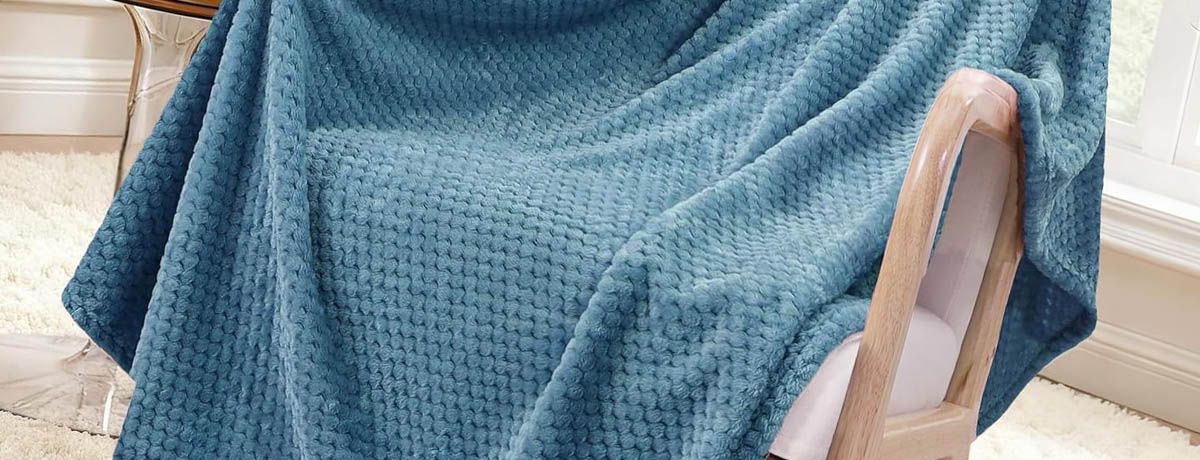
Polyester blankets are finished textile products primarily composed of synthetic fibers derived from polyethylene terephthalate (PET). These blankets represent one of the most scalable and consistent product categories in the global textiles market, making them a standard procurement item for hotels, hospitals, retailers, and promotional buyers worldwide. Unlike natural fibers that can vary by harvest and origin, polyester offers predictable performance characteristics batch after batch.
MH operates as a professional B2B supplier of textile fabrics and finished textile products, with operations focused on bulk orders and long-term cooperation arrangements. The company does not engage in retail or single-piece sales—all production and logistics are structured around volume procurement for importers, wholesalers, distributors, and institutional buyers who require consistency across large order quantities.
The widespread adoption of polyester in blanket manufacturing stems from several measurable advantages: stable quality across production runs, controllable GSM (grams per square meter) specifications, consistent color matching between batches, and scalable production capacity that can accommodate seasonal surges. Whether a hotel chain is upgrading guest room bedding in 2026, a promotional supplier is planning winter campaign inventory, or a government tender requires standardized emergency relief blankets, polyester constructions deliver the predictability that bulk programs demand.
This article provides a comprehensive guide covering raw materials and fiber production, common fabric constructions and technical specifications, performance characteristics relevant to bulk supply, quality standards and compliance frameworks, commercial applications across industries, and customization options available for B2B programs.
What Is a Polyester Blanket? Fiber, Structure, and Key Definitions
A polyester blanket is defined as a blanket whose face and base fabric are primarily constructed from PET synthetic fibers. These fibers are manufactured through bulk polymerization and extrusion processes, resulting in a material that offers durability, easy maintenance, and resistance to common issues that affect natural fibers such as shrinking, felting, and mold growth.
The distinction between 100% polyester blankets and blended constructions matters for procurement decisions. While pure polyester offers maximum consistency and wash performance, blends such as 95% polyester / 5% acrylic or 90% polyester / 10% cotton are sometimes specified to achieve particular hand-feel characteristics or to mimic the properties of wool or cotton at a lower price point. Blended constructions may be suitable for specific retail programs where tactile appeal is prioritized over industrial laundering requirements.
Common product types encountered in wholesale channels include:
-
Solid-dyed fleece blankets – Uniform color, suitable for hospitality and corporate programs
-
Flannel/poly flannel blankets – Short, dense pile with a smooth surface
-
Coral fleece blankets – Extremely soft texture with visible fiber loops
-
Mink-like raschel blankets – High pile, often featuring printed designs, popular for retail
-
Microfibre plush blankets – Super soft hand feel, dense construction
-
Brushed knit throw blankets – Lighter weight, often used for promotional items
Technical terminology appears frequently on specification sheets. GSM values (e.g., 220, 280, 300, 330 GSM) indicate fabric weight per square meter. Pile height describes the length of raised fibers on the blanket surface. Denier measurements (e.g., 75D, 150D) indicate filament thickness—lower denier produces finer, softer fibers. Understanding whether a blanket uses filament or staple fiber construction also affects expected pilling resistance and appearance retention.
Production typically occurs on circular knitting machines, warp knitting machines, or raschel machines. The fabric then undergoes raising, brushing, or shearing to achieve the desired soft hand feel. This post-knitting finishing stage is what creates the cozy texture buyers expect in the final product.
Common Fabric Constructions and Technical Specifications
This section serves as a practical specification guide for sourcing managers comparing different polyester blanket lines. The data below reflects standard industry parameters that can be confirmed through sample evaluation and test reports.
GSM Ranges by Product Type
|
Product Category |
Typical GSM Range |
Common Applications |
|---|---|---|
|
Lightweight travel/airline blankets |
180–220 GSM |
Airlines, coaches, promotional |
|
Standard home fleece blankets |
250–300 GSM |
Retail, e-commerce, hospitality |
|
Deluxe hotel/gift blankets |
320–380 GSM |
Upscale hotels, corporate gifts |
|
Heavy raschel/mink blankets |
450+ GSM |
Retail premium, cold climates |
Standard Constructions
The most common constructions in bulk supply include:
-
100% polyester polar fleece – Mid-weight, versatile, suitable for year round use in moderate climates
-
Microfibre flannel – Short pile, very dense structure, silky hand feel
-
Raschel “mink” blankets – High pile, often printed with elaborate designs, thick and warm
-
Sherpa/fleece combinations – Double-layer structures with fleece face and sherpa backing, providing an extra layer of insulation
Size Standards
Common dimensions for B2B markets vary by region and end use:
|
Size Name |
Dimensions (cm) |
Typical Market |
|---|---|---|
|
Single/Twin |
150 × 200 |
Hotels, institutions |
|
Double/Full |
180 × 220 |
Hospitality, retail |
|
King |
200 × 240 |
Premium hospitality |
|
Throw |
130 × 160 |
Promotional, airline, retail |
|
Comforter companion |
220 × 240 |
Bed topper applications |
Dimensions can be adjusted for local market requirements—Japanese standards differ from European, for example—making it essential to specify exact measurements in purchase orders.
Color and Design Options
For bulk programs, typical options include:
-
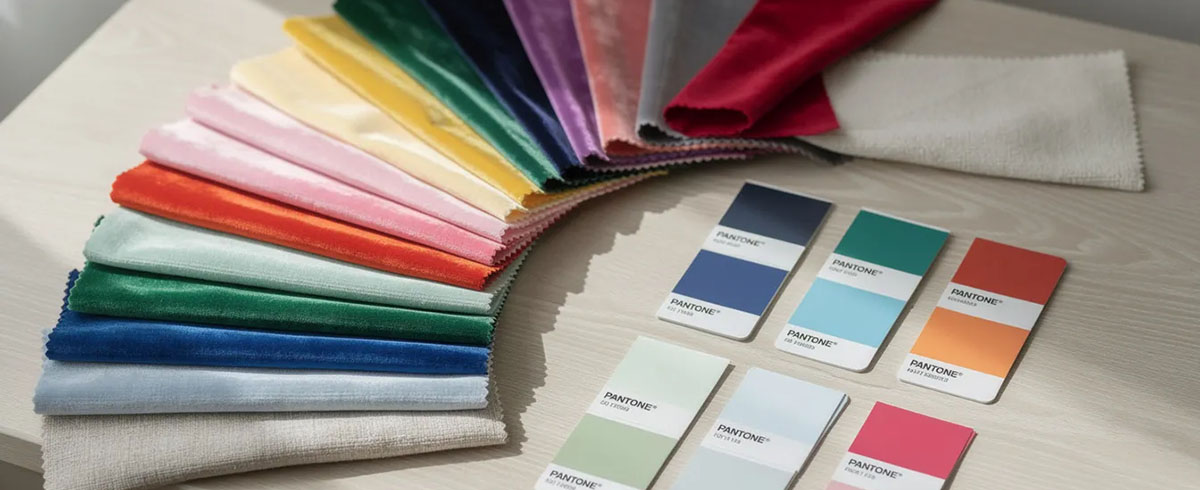
Solid-dyed corporate colors – Pantone matching for brand consistency
-
Piece-dyed neutral shades – White, beige, charcoal, grey for hospitality stock programs
-
Rotary-printed designs – Seasonal patterns, licensed imagery for retail
-
Digital-printed custom artwork – Lower MOQ custom designs for promotional programs
Optional Technical Features
Buyers may specify additional treatments based on end-use requirements:
-
Flame-retardant treatments – Meeting specific hospitality or contract fire safety standards
-
Anti-static finishing – Reducing static buildup in dry climates
-
Antibacterial finishes – For healthcare facilities and hygiene-sensitive applications
These features add cost but may be required for certain tenders or market segments.
Performance Characteristics Important for Bulk Supply
Procurement teams should request measurable parameters in technical data sheets and contracts. This section details the performance characteristics that distinguish reliable wholesale polyester blanket supply from commodity-grade offerings.
Durability
Polyester’s inherent tensile strength from drawn fibers provides excellent resistance to abrasion over thousands of laundering cycles—far exceeding natural fibers in high-traffic commercial use. Key durability metrics include:
-
Tensile strength – Force required to break the fabric
-
Seam strength – Critical for edge finishes under industrial washing stress
-
Abrasion resistance – Often tested per Martindale or Wyzenbeek methods
-
Pilling resistance – Graded 1-5 per ISO standards; wholesale blankets should achieve grade 3 or higher
Standard test methods include ISO, EN, and ASTM protocols. Buyers should specify which standards apply based on destination market requirements.
Thermal Performance
Warmth in polyester blankets derives from crimped structures that trap air for insulation without excess weight. The relationship between GSM, pile density, and heat retention determines suitability for different climates:
-
180-250 GSM – Suitable for air-conditioned environments, summer use, or as a lightweight layer
-
250-350 GSM – Appropriate for moderate climates, year round hospitality use
-
350+ GSM – Designed for cold climates, winter retail programs
Polyester blankets typically weigh 20-30% less than wool blanket alternatives at equivalent warmth ratings, reducing freight costs and storage requirements.
Dimensional Stability
Resistance to shrinking and distortion after multiple wash cycles depends on:
-
Stable knitting tension during production (the 30-60g tension range is critical)
-
Proper heat setting during finishing
-
Quality of fiber and yarn selection
Buyers should request dimensional stability test reports showing percentage change after specified wash cycles. Well-produced blankets maintain dimensions within 2-3% variance.
Appearance Retention
Long-term appearance depends on several factors:
|
Parameter |
Test Method |
Target Performance |
|---|---|---|
|
Color fastness to washing |
ISO 105-C06 |
Grade 4-5 |
|
Color fastness to rubbing |
ISO 105-X12 |
Grade 4-5 (dry), 3-4 (wet) |
|
Color fastness to light |
ISO 105-B02 |
Grade 4+ for hospitality |
|
Pilling resistance |
ISO 12945 |
Grade 3-4 minimum |
Anti-pilling treatments and good fiber selection (appropriate denier, quality spinning) improve appearance retention over the blanket’s service life.
Ease of Care
Polyester’s hydrophobic nature provides significant maintenance advantages:
-
Quick-drying properties reduce turnaround time in commercial laundries
-
Low wrinkling eliminates ironing requirements
-
Machine wash compatible without special detergent requirements
-
No bleach required for standard cleaning (though fabric can be engineered to withstand bleach if specified)
These characteristics make polyester blankets a durable option for hotels and healthcare facilities where operational efficiency matters.
Hygienic Properties
Polyester inherently resists mold and mildew growth due to its synthetic composition and low moisture absorption (moisture regain below 0.4% compared to cotton’s 8%). Additional treatments can provide:
-
Antibacterial properties for healthcare applications
-
Anti-mite finishes for allergy-sensitive environments
-
Odor resistance for extended use between washes
These features can be specified in B2B contracts where hygiene requirements justify additional treatment costs.
Wholesale and Commercial Applications of Polyester Blankets
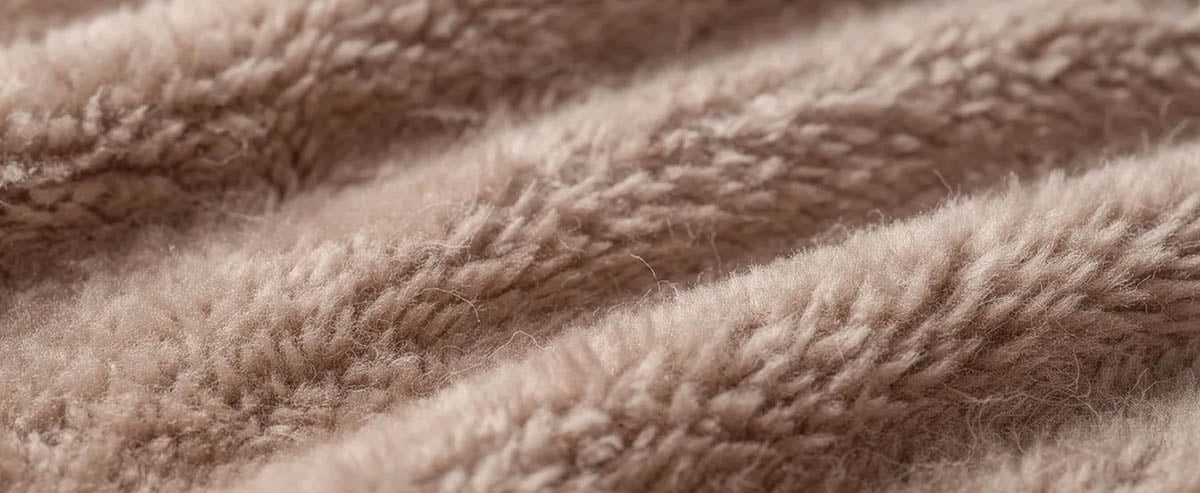
Polyester blankets serve as a standard item across multiple verticals due to cost-efficiency and predictable performance. The material’s characteristics align well with applications requiring frequent washing, consistent appearance, and volume procurement.
Hospitality
Hotels, resorts, budget accommodation, hostels, and staff housing represent major consumption channels:
-
Guest room blankets in standardized sizes and colors
-
Pool and spa area throws
-
Housekeeping stock for quick room turnover
-
Uniform programs across property portfolios
Hospitality buyers prioritize consistent color matching between orders, resistance to industrial laundering, and competitive price per unit at volume.
Institutional and Healthcare
Nursing homes, rehabilitation facilities, student dormitories, and company housing require blankets that withstand frequent washing while maintaining acceptable appearance:
-
Antibacterial-treated options for healthcare environments
-
Color-coded blankets for department identification
-
High-durability construction for extended service life
-
Easy inventory management through standardized specifications
Healthcare procurement often specifies certified materials free from harmful substances.
Transportation
Airlines, railways, and coach operators purchase lightweight travel blankets in large quantities:
-
Corporate colors matching brand identity
-
Lower GSM (180-220) for reduced weight and pack volume
-
Strict packaging requirements for onboard storage
-
Flame-retardant specifications for aviation compliance
Transportation blankets often undergo the most rigorous wash cycles and benefit from polyester’s quick-drying properties.
Retail and Private Label
Supermarket chains, home textiles brands, and e-commerce seller programs source standardized designs for seasonal campaigns:
-
Winter season stock programs with defined style ranges
-
Private-label packaging and branding
-
Promotional pricing tiers for different retail channels
-
Trend-driven colors and patterns updated annually
Corporate and Promotional
Customized blankets serve marketing and employee programs:
-
Event giveaways with logo printing
-
Loyalty program gifts
-
Corporate gifts for guests and clients
-
Employee welcome packages
Promotional buyers prioritize short lead times, competitive MOQs, and consistent brand color matching.
Customization Options for B2B Polyester Blanket Programs
This section guides buyers on parameters that can be customized in long-term or bulk programs. Understanding these options helps procurement teams develop specifications that meet their market requirements while maintaining production efficiency.
Technical Parameter Customization
Core specifications open to customization include:
|
Parameter |
Customization Range |
Considerations |
|---|---|---|
|
GSM |
180-500+ |
Higher GSM = higher cost, weight |
|
Blanket size |
Any dimension |
Non-standard sizes may affect MOQ |
|
Pile height |
2mm-15mm+ |
Affects hand feel and weight |
|
Fabric construction |
Fleece, flannel, raschel |
Different production lines |
|
Edge finish |
Overlock, hem, binding |
Binding adds cost, improves durability |
Color and Design Customization
Visual customization options include:
-
Pantone color matching – Essential for corporate programs requiring brand consistency
-
Reactive or disperse printing – Logos, patterns, licensed imagery
-
Seasonal pattern collections – Developed annually for retail partners
-
Jacquard woven designs – For premium positioning
-
Embossed patterns – Adding texture without color change
Printed mink blankets particularly benefit from steam-fixed patterns at 100-130°C that maintain softness while ensuring colorfastness.
Branding Options
Beyond the blanket itself, branding extends to:
-
Woven labels with brand identity
-
Printed care labels with buyer’s language requirements and symbols
-
Logo embroidery or patches
-
Custom packaging including banderoles, zipper bags, or gift boxes
-
Hang tags and promotional inserts
MOQ and Lead Time Considerations
Typical parameters for planning:
|
Order Type |
Typical MOQ |
Lead Time |
|---|---|---|
|
Stock colors/sizes |
500-1000 pcs |
2-3 weeks |
|
Custom colors |
1000-3000 pcs |
4-6 weeks |
|
New developments |
3000-5000 pcs |
8-12 weeks |
|
Repeat orders |
Lower MOQ possible |
3-4 weeks |
Pre-production samples should be approved before bulk production commences. Buyers waiting on sample approvals should factor this into their timeline planning.
Care Guidelines and Maintenance Considerations for Institutional Use
Home-care instructions differ significantly from the demanding conditions of hotel or institutional laundries. This section provides guidance relevant to commercial washing programs.
Washing Recommendations
For standard polyester blankets:
-
Machine wash at 30-40°C for regular cleaning
-
Higher temperatures (60°C) acceptable if fabric and dyes are engineered for institutional use
-
Use mild detergent appropriate for synthetic textiles
-
Avoid excess alkali or harsh chemicals unless specifically approved
-
Cold water wash acceptable for lightly soiled items
Never use chlorine bleach on standard polyester unless the fabric has been specifically designed and tested for bleach resistance.
Drying Recommendations
Proper drying extends blanket life and maintains pile quality:
-
Tumble dry at low to medium heat
-
Remove promptly to prevent wrinkling
-
Line dry where possible to reduce energy costs
-
Avoid over-drying which can damage fibers
-
Never use dryer temperatures above fabric specifications
Appearance Maintenance
To reduce pilling and preserve appearance over many wash cycles:
-
Wash blankets separately from heavily abrasive items
-
Optimize load sizes—avoid both overloading and underloading
-
Adhere to recommended washing cycle frequencies
-
Turn printed blankets inside out before washing
-
Use fabric softener sparingly if at all
Care Labeling
Clear care labeling in required languages and symbols is essential for:
-
Compliance with destination market regulations
-
Minimizing warranty claims related to improper washing
-
Ensuring end users understand maintenance requirements
-
Meeting retailer requirements for consumer products
Buyers should specify labeling requirements including languages, care symbols, and fiber content declaration formats.
Key Considerations When Sourcing Polyester Blankets in Bulk
This section functions as a checklist for procurement teams preparing RFQs or long-term framework contracts. Thorough preparation at the specification stage prevents quality issues and supply disruptions.
Core Decision Points
Before issuing RFQs, buyers should determine:
-
Target GSM and size matrix – Based on end-use requirements
-
End-use environment – Hotel, retail, institutional, promotional
-
Expected lifetime – Number of wash cycles before replacement
-
Quality tier – Budget, mid-range, or premium positioning
-
Compliance requirements – Fire safety, chemicals, certifications
Standardization Benefits
Limiting the number of colors and sizes optimizes:
-
Production efficiency through longer runs
-
Inventory management and stock programs
-
Replenishment lead times
-
Quality consistency across shipments
-
Price competitiveness through volume leverage
Evaluation Process
Before finalizing specifications, buyers should:
-
Request and compare technical data sheets from multiple suppliers
-
Obtain laboratory test reports for key parameters
-
Evaluate large hand samples or pilot production lots
-
Verify production capacity and current client references
-
Confirm factory certifications and audit status
Logistics Factors
Freight optimization requires attention to:
|
Factor |
Consideration |
|---|---|
|
Packing density |
Compressed vs. standard packing |
|
Carton sizes |
Matching pallet configurations |
|
Container loading |
20ft vs. 40ft container quantities |
|
Freight mode |
Sea, rail, or air based on urgency and market |
|
Incoterms |
FOB, CIF, DDP based on buyer capability |
Sustainability Considerations
Buyers increasingly face sustainability requirements from their customers:
-
Recycled polyester (rPET) now comprises 25-50% of wholesale yarn inputs
-
Industry projections suggest 40% shift to recycled materials by 2025
-
GRS (Global Recycled Standard) certification provides traceability
-
Bio-based polyesters may reduce petroleum dependency by 30% within five years
These factors increasingly influence purchase decisions, particularly for brand-conscious retail and hospitality buyers.
Key Takeaways
-
Polyester blankets offer stable quality, controllable specifications, and scalable production capacity suitable for bulk B2B programs
-
Manufacturing involves precise control from fiber extrusion through finishing, with tension, temperature, and timing affecting final quality
-
Common constructions range from lightweight polar fleece to heavy raschel mink blankets, with GSM typically between 180-500+
-
Performance characteristics including durability, warmth, dimensional stability, and ease of care make polyester a durable option for commercial applications
-
Quality control and compliance documentation should be verified before committing to volume orders
-
Customization options span technical parameters, colors, designs, and branding elements
-
Standardization of specifications improves production efficiency and supply reliability
Conclusion
Sourcing polyester blankets at scale requires alignment between technical specifications, end-use requirements, and supply chain capabilities. From synthetic fibers processed at precise temperatures to finished fleece blankets packed for container shipment, each stage of production affects the final product quality that reaches hotels, hospitals, retailers, and promotional buyers.
The characteristics that make polyester suitable for bulk supply—consistency, durability, easy maintenance, and customization flexibility—also demand attention to detail in specifications and supplier selection. Procurement teams who invest time in defining clear requirements, evaluating test data, and establishing quality expectations create the foundation for reliable long-term supply relationships.
For buyers evaluating polyester blanket programs, the next step is to contact potential suppliers with specific requirements, request technical details and samples, and establish whether a manufacturer can deliver the consistency and support that volume programs demand.