
How Does Polyester Cotton Poplin Fabric Popular in Garment Manufacturing?
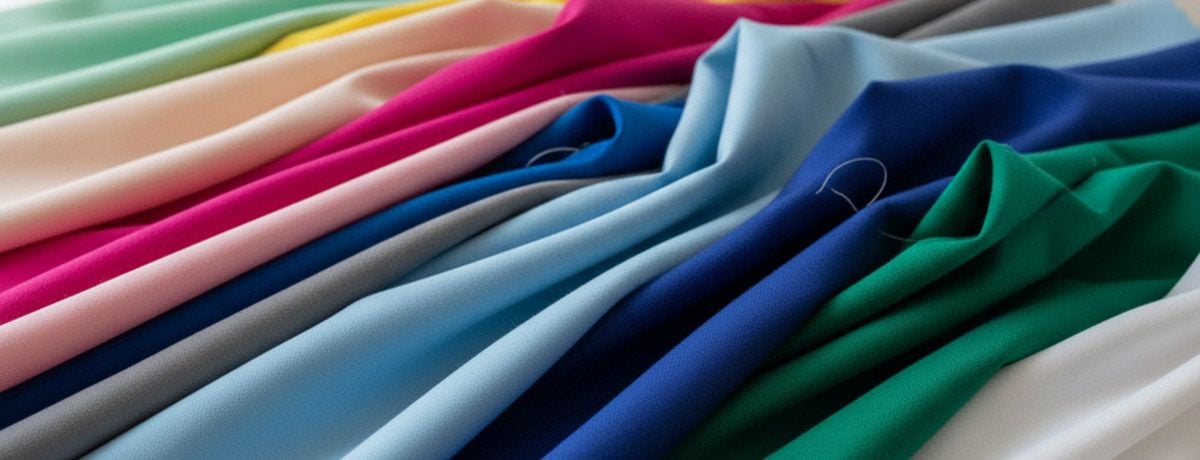
For garment manufacturers and textile distributors, selecting the right fabric base is critical to production efficiency and end-product quality. Polyester cotton poplin fabric stands out as a versatile, cost-effective solution that balances durability with comfort. This guide provides a technical overview of poly cotton poplin, detailing its specifications, applications, and advantages for bulk procurement.
Product Summary: Poly Cotton Poplin Fabric
MH supplies high-grade polyester cotton poplin, engineered for industrial-scale garment production. This fabric typically features a blend ratio of 65% polyester and 35% cotton (T/C 65/35) or 80% polyester and 20% cotton (T/C 80/20), offering the strength of synthetic fibers with the hand-feel of natural cotton.


Polyester cotton poplin is commonly sold by the yard, linear yard, or in bulk by the roll, making it ideal for manufacturers seeking a reliable supply for large-scale or custom projects.
-
Weight: Available in standard weights ranging from 90GSM to 120GSM.
-
Finishes: Options include pre-shrunk, crease-resistant, and colorfast treatments suitable for industrial laundering.
-
Primary Selling Points: High tensile strength, minimal shrinkage, excellent color retention, and cost efficiency for mass-market apparel.
-
Sales Options: Fabric is sold per yard, in linear yards for large orders, or in bulk by the roll to accommodate both small and industrial manufacturing needs.
What Is Poplin Fabric?
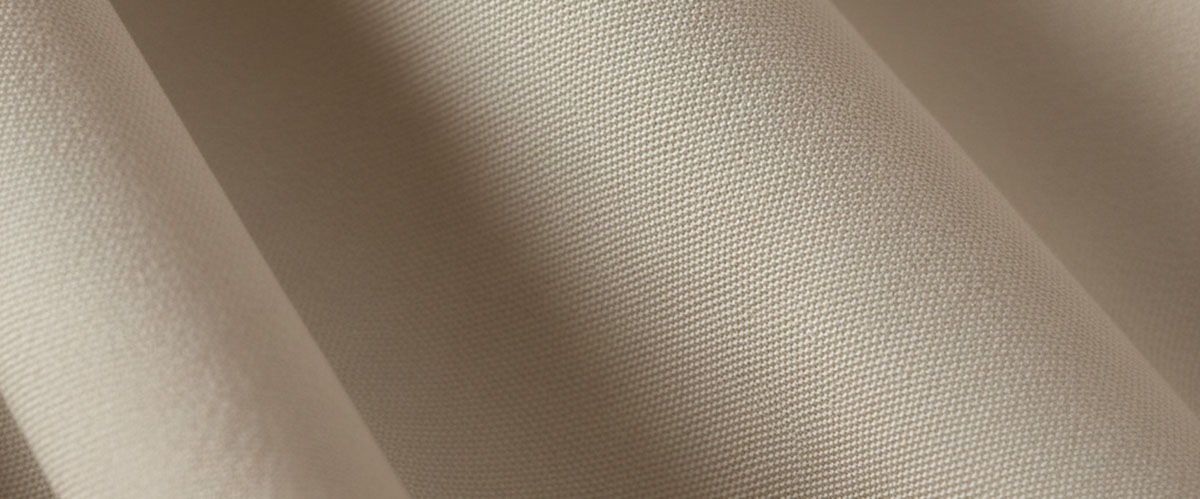
Poplin is defined by its tight, plain-weave structure and is part of the family of woven fabrics, known for their stability and ease of handling. It is characterized by fine horizontal ribs (weft) and vertical warp yarns that create a smooth, lustrous surface. The balanced weave of polyester cotton poplin fabric delivers durability without excess bulk. While originally made from silk and wool, modern industrial poplin utilizes various fiber bases. Polyester poplin has a smoother surface and crisper structure than cotton poplin. The weave structure ensures a crisp drape, making it ideal for sharp tailoring in shirts and uniforms.
Types of Poplin Fabric
Poplin fabric is renowned for its versatility and is available in several distinct types, each tailored to specific applications within the textile industry. As a plain weave textile, poplin delivers a smooth texture and crisp structure, making it a staple for manufacturers and designers seeking a reliable, medium weight fabric.
Polyester poplin is a popular choice for projects that demand durability and easy care. Its crisp hand and smooth surface make it ideal for garments that require a professional appearance, such as uniforms, shirts, and dresses. Polyester poplin is also widely used for table linens, banners, and theater backdrops, thanks to its resistance to wrinkles and repeated washing.
Cotton poplin offers a breathable, natural feel and is favored for casual clothing, children’s apparel, and quilting projects. This medium weight fabric provides excellent drape and comfort, making it suitable for blouses, skirts, and lightweight slacks. Its plain weave construction ensures a clean finish and helps prevent fraying, even after multiple washes.
Poly cotton poplin combines the best attributes of both cotton and polyester fibers. This blend results in a fabric that is both breathable and wrinkle-resistant, making it a versatile material for a wide range of apparel, crafts, and home decor items. Poly cotton poplin is especially valued for uniforms, tablecloths, curtains, and napkins, where both durability and comfort are essential.
Double knit poplin stands out for its enhanced structure and smooth texture. With a crisp hand and substantial weight, this type is particularly suitable for professional uniforms, tailored shirts, and dresses that require a sharp, clean look. The double knit construction adds to the fabric’s durability and shape retention, making it a reliable option for repeated use.
When selecting a type of poplin fabric, it’s important to consider the intended application, desired texture, and required durability. Factors such as fabric weight, width, and shipping cost also play a crucial role in ensuring the best value for bulk orders. Poplin’s plain weave and quality materials make it resistant to fraying and easy to sew, providing a clean finish for both apparel and home textiles.
Ultimately, poplin fabric’s versatility, quality, and ease of care have made it a popular choice across the textile industry. Whether you’re creating garments, table linens, curtains, or crafts, understanding the different types of poplin fabric will help you select the most suitable material for your needs, ensuring high-quality results and customer satisfaction.
Polyester Poplin Vs Cotton Poplin
When sourcing fabric for large-scale manufacturing, understanding the material differences is essential.
|
Feature |
Polyester Poplin |
Cotton Poplin |
|---|---|---|
|
Breathability |
Low |
High |
|
Durability |
Excellent |
Moderate |
|
Wrinkle Resistance |
High |
Low |
|
Shrinkage |
Minimal |
High (unless treated) |
|
Cost |
Low |
High |
Poplin polyester is more opaque than cotton poplin, making it ideal for applications where opacity is important, such as uniforms, tablecloths, and decorative uses.
Polyester-cotton fabric offers improved color retention and resists fading over time. Polyester poplin offers greater color retention and durability than poly-cotton blends. Additionally, polyester poplin is more breathable than heavy synthetics but less so than cotton poplin.
For projects requiring longevity and ease of maintenance, polyester blends offer significant advantages over 100% cotton alternatives.
Benefits of Poly Cotton Blends
Poly cotton blends (T/C) offer a strategic balance for buyers. The polyester component provides structural integrity, abrasion resistance, and colorfastness, essential for uniforms subjected to frequent wear and washing. The cotton component introduces softness, absorbency, and breathability, ensuring wearer comfort.
Applications suited to T/C blends include:
-
Corporate workwear
-
Medical scrubs
-
Lightweight jackets
-
Bedding and linings
Common Uses: Children’s Clothing and Professional Uniforms
Children’s Clothing
Poly cotton poplin is widely used in children’s wear due to its resilience. It withstands rough play and frequent laundering without losing shape. MH ensures fabrics meet safety standards, with low formaldehyde content and pH-balanced finishes suitable for sensitive skin.
Professional Uniforms
For corporate and industrial sectors, durability is paramount. Poly cotton poplin serves as the standard for shirts, blouses, and lightweight lab coats. The smooth surface accommodates screen printing and embroidery effectively. MH offers optional stain-release and anti-static finishes for heavy-duty uniform requirements. The robust nature of polyester cotton poplin also makes it suitable for high-use items such as curtains and tablecloths.
Technical Specs: Weights, Widths, Colors, Printing
MH operates on a make-to-order basis to meet specific client requirements.
-
GSM Ranges: Customizable from lightweight 90GSM to medium-weight 120GSM.
-
Widths: Standard widths of 44/45” and 58/60” to optimize cutting table efficiency.
-
Colors: Extensive lab dip capabilities allow for exact Pantone color matching. Polyester poplin is available in a wide variety of colors and patterns.
-
Printing: The smooth surface is compatible with rotary screen printing, flatbed printing, and disperse dye sublimation (for high-poly content). Polyester cotton poplin fabric serves as a versatile canvas for custom printing and branding. It can be custom printed using sublimation and heat transfer techniques, making it ideal for vibrant, long-lasting designs suitable for promotional and decorative purposes.
The fabric is also ideal for tablecloths and table overlays due to its crisp drape and soil release finish.
FAQs
Is poly cotton poplin breathable?
While less breathable than 100% cotton, poly cotton poplin offers moderate breathability suitable for most climates, significantly outperforming 100% polyester.
Is the fabric wrinkle-resistant?
Yes. The polyester content inherently resists creasing, making it a "wash-and-wear" fabric ideal for uniforms that require a crisp appearance with minimal maintenance.
Is this fabric suitable for upholstery?
Generally, standard poplin is too lightweight for heavy upholstery. It is better suited for apparel, linings, or light home decor items like curtains and pillowcases.
Can this fabric be dyed at home?
Industrial disperse dyes are required for the polyester component, which are not feasible for home dyeing. Professional industrial dyeing ensures consistent, colorfast results.
