
How Is Polyester Filament Produced and Applied in Commercial Textile Manufacturing?
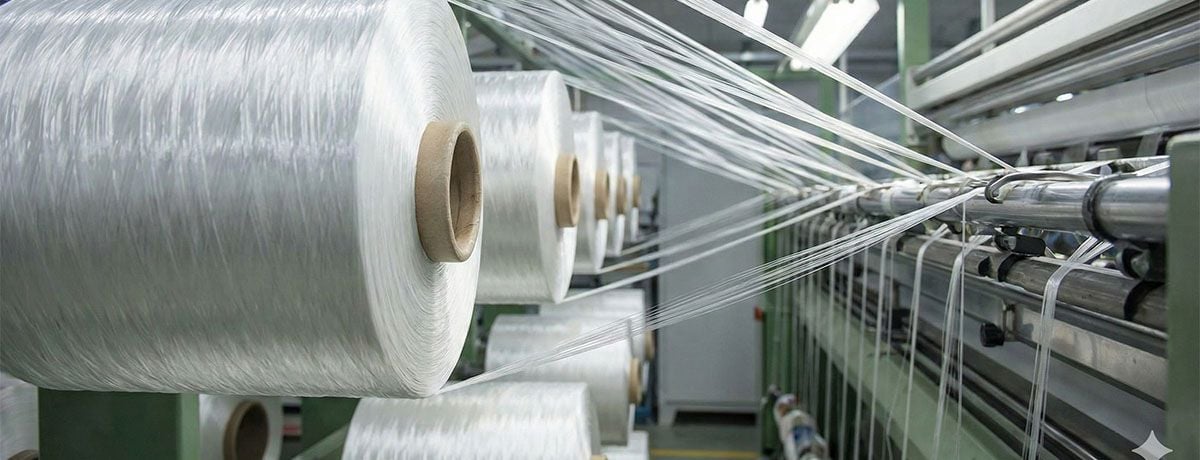
In today’s global textile industry, polyester filament stands as the cornerstone of synthetic fiber manufacturing, accounting for over 50% of worldwide fiber production. As commercial buyers and textile manufacturers navigate an increasingly competitive market, understanding the technical specifications, production processes, and applications of polyester filament becomes critical for strategic sourcing decisions.
At MH, our decades of experience in polyester fiber manufacturing have positioned us as a leading supplier to textile mills, yarn manufacturers, and global importers worldwide. This comprehensive guide provides the technical depth and commercial insights necessary for informed procurement decisions, covering everything from basic polyethylene terephthalate chemistry to advanced specification requirements for industrial applications.
Whether you’re sourcing fine denier filament for luxury apparel or high-tenacity variants for automotive industry applications, this guide delivers the essential knowledge needed to optimize your supply chain and product performance.
What is Polyester Filament
Polyester filament represents a continuous synthetic fiber manufactured from polyethylene terephthalate (PET), a thermoplastic polymer formed through the condensation reaction of terephthalic acid and ethylene glycol. Unlike staple fiber, which consists of short cut lengths typically ranging from 32mm to 76mm, polyester filament maintains continuous length throughout the production process, resulting in superior strength characteristics and enhanced processing efficiency.
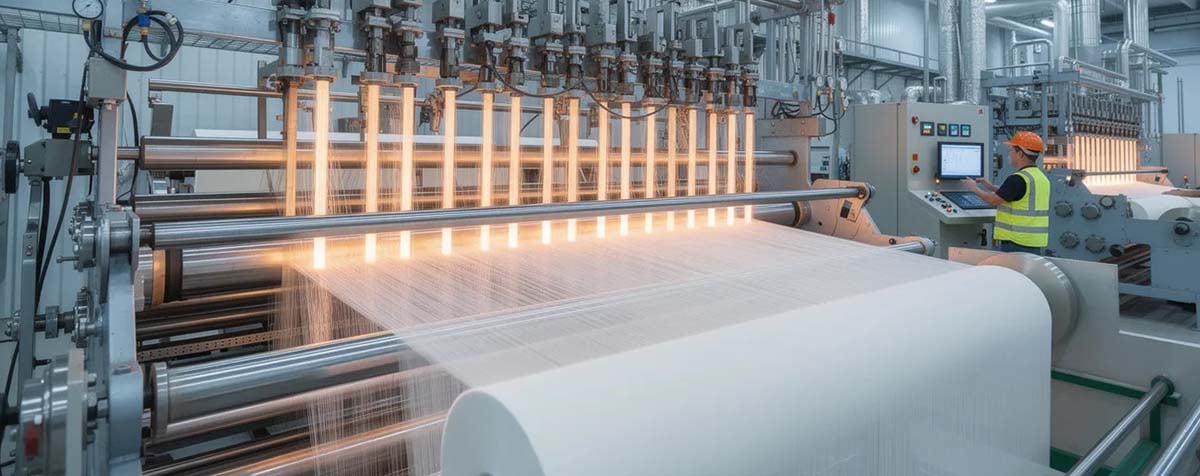
The fundamental distinction between filament and staple fiber impacts both processing requirements and end-product performance. Continuous filament yarns exhibit higher tensile strength, better abrasion resistance, and more consistent diameter control compared to spun yarns manufactured from staple fiber. This structural advantage makes polyester filament the ideal material for applications requiring high strength, dimensional stability, and consistent quality.
PET Polymer Chemistry and Molecular Structure
Polyethylene terephthalate (PET) polymer chains consist of repeating ester linkages formed through polycondensation reactions. The aromatic rings in the polymer backbone provide molecular rigidity, contributing to the exceptional mechanical properties and heat resistance characteristic of polyester fibers. This synthetic polymer exhibits excellent chemical resistance to acids, alkalis, and organic solvents, making it well suited for demanding industrial environments.
The molecular orientation achieved during the manufacturing process directly influences fiber properties. Highly oriented polyester filament demonstrates superior tensile strength and modulus, while lower orientation levels produce more elastic fibers suitable for textured yarn applications.
Comparison with Other Synthetic Filaments
When compared to nylon, polypropylene, and other synthetic materials, polyester filament offers distinct advantages in cost-performance ratios. While nylon provides higher strength and elasticity, polyester delivers superior chemical resistance and dimensional stability at significantly lower material costs. Polypropylene, though lighter in weight, lacks the thermal stability and dyeability characteristics essential for many textile applications.
Global Market Position and Production Volumes
Polyester filament production exceeds 45 million tonnes annually, representing approximately 52% of global synthetic fiber output. Asia-Pacific regions dominate production capacity, with China, India, and Southeast Asian countries accounting for over 75% of worldwide manufacturing. This concentrated production base offers commercial buyers significant sourcing opportunities while requiring careful supply chain risk management strategies.
Types of Polyester Filament
Understanding the technical classifications of polyester filament enables precise specification for targeted applications. Each variant offers distinct processing characteristics and performance attributes designed for specific end-use requirements.
Primary Production Types
POY (Pre-Oriented Yarn) POY represents the intermediate stage in polyester filament production, characterized by partial molecular orientation achieved during initial drawing processes. Available in denier ranges from 50 to 600, POY serves as raw material for subsequent texturing, drawing, or air textured yarn processes. The controlled orientation level (typically 0.05-0.15) provides optimal processing flexibility for downstream operations.
Commercial applications include:
-
Raw material for DTY production
-
Weaving and knitting operations requiring subsequent processing
-
Cost-effective solution for integrated textile operations
FDY (Fully Drawn Yarn) FDY polyester filament undergoes complete orientation during production, achieving maximum molecular alignment and optimal mechanical properties. Denier ranges span from 20 to 1000+, accommodating applications from fine apparel fabrics to heavy-duty industrial textiles. The high orientation level (>0.20) delivers superior strength and dimensional stability.
Key characteristics include:
-
Tensile strength: 4.5-6.0 g/d
-
Elongation at break: 15-25%
-
Shrinkage in boiling water: <5%
-
Excellent dye uptake properties
DTY (Draw Textured Yarn) DTY production involves simultaneous drawing and texturing processes, creating crimp structure that enhances fabric hand feel, bulk, and comfort properties. Available in denier ranges from 50 to 600, DTY finds extensive applications in apparel and home furnishings where fabric drape and comfort are paramount.
Texturing parameters affect final yarn characteristics:
-
Crimp contraction: 12-25%
-
Crimp stability: >85%
-
Intermingling level: 5-25 nodes/meter
High Tenacity Polyester Filament
High tenacity variants achieve tensile strengths exceeding 7.0 g/d through specialized polymer formulations and controlled orientation processes. These industrial-grade specifications target applications requiring exceptional strength-to-weight ratios and resistance to mechanical stress.
Applications include:
-
Tire cord reinforcement
-
Conveyor belting
-
Safety belts and restraints
-
Geotextile reinforcement
-
Marine rigging and ropes
Microfilament Varieties
Ultra-fine denier polyester filament below 1.0 dtex enables production of sophisticated fabric constructions with enhanced drape, softness, and moisture management properties. Manufacturing requires precision spinning equipment and controlled processing parameters to maintain filament integrity at reduced diameters.
Technical advantages:
-
Increased surface area for improved dye uptake
-
Enhanced fabric hand and drape characteristics
-
Superior moisture wicking properties
-
Reduced fabric weight without compromising durability
Specialty Variants
Modern manufacturing techniques enable incorporation of functional additives during polymerization, creating specialized polyester filament variants for niche applications.
Flame Retardant Grades Phosphorus-based flame retardant additives provide inherent fire resistance without compromising mechanical properties. These variants meet stringent safety standards for automotive interiors, protective clothing, and architectural textiles.
Antimicrobial Polyester Silver ion or zinc pyrithione additives deliver sustained antimicrobial efficacy for healthcare, hospitality, and sportswear applications. The additives integrate at molecular level, ensuring durability through multiple wash cycles.
UV-Resistant Formulations Titanium dioxide and specialized UV absorbers provide enhanced light fastness for outdoor applications including awnings, marine textiles, and architectural fabrics. UV protection levels can be customized based on specific exposure requirements.
Key Properties and Performance Characteristics
Understanding performance characteristics enables precise material selection for specific application requirements and quality specifications.
Mechanical Properties
Tensile Strength: 4.0-6.0 g/d for standard applications, with high-tenacity variants achieving 7.0+ g/d. The combination of aromatic polymer structure and molecular orientation provides exceptional strength-to-weight ratios compared to natural fibers and many other synthetic materials.
Elongation at Break: 20-35% for standard grades, providing balance between strength and processing flexibility. Higher elongation variants available for applications requiring enhanced elasticity and fabric stretch properties.
Modulus: Initial modulus values of 60-90 g/d indicate good resistance to deformation under load. Higher modulus variants provide superior dimensional stability for technical textile applications.
Abrasion Resistance: Excellent performance in Martindale and Taber abrasion testing demonstrates durability advantages over cotton and many other fibers. This characteristic contributes to extended service life in demanding applications.
Thermal Properties
Melting Point: 255-260°C provides excellent heat resistance for processing and end-use applications. The high melting point enables hot water washing, steam pressing, and exposure to elevated temperatures without fiber damage.
Glass Transition Temperature: 70-80°C represents the point where molecular mobility increases significantly. This characteristic influences dyeing behavior and heat setting effectiveness.
Continuous Service Temperature: 130°C represents maximum recommended temperature for continuous exposure without degradation. This property makes polyester suitable for automotive interiors, industrial applications, and other high-temperature environments.
Thermal Stability: Excellent resistance to thermal degradation ensures consistent properties throughout processing and extended service life.
Chemical Resistance
Polyester demonstrates exceptional good resistance to most chemicals commonly encountered in textile processing and end-use environments:
Acid Resistance: Excellent stability in acidic conditions, maintaining properties even in concentrated acid solutions. This characteristic enables acid dyeing processes and resistance to environmental acid exposure.
Alkali Resistance: Good resistance to mild alkalis, though susceptible to strong caustic solutions at elevated temperatures. Careful pH control required during alkaline processing operations.
Organic Solvent Resistance: Outstanding resistance to most organic solvents, oils, and hydrocarbons. This property makes polyester ideal for industrial applications involving chemical exposure.
Oxidizing Agent Resistance: Good resistance to bleaching agents and oxidizing chemicals used in textile processing and maintenance.
Moisture Management
Hydrophobic Nature: Polyester filament naturally repels moisture, resulting in rapid drying and excellent dimensional stability when wet. This characteristic proves advantageous for athletic wear, outdoor equipment, and marine applications.
Moisture Regain: 0.4% under standard conditions (21°C, 65% RH) compared to 8.5% for cotton. Low moisture absorption prevents bacterial growth and maintains consistent properties across humidity ranges.
Wicking Properties: Capillary action along fiber surfaces provides moisture transport for comfort in garments while maintaining overall hydrophobic characteristics.
UV Resistance and Light Fastness
Standard polyester provides moderate UV resistance, with specialized grades offering enhanced protection through additive incorporation. Light fastness ratings of 4-5 (ISO 105-B02) demonstrate good color retention under normal exposure conditions.
For outdoor applications, UV-stabilized grades provide extended service life and color retention:
-
Standard grade: 2-3 years outdoor exposure
-
UV-stabilized: 5-10 years depending on formulation
-
Marine grade: Enhanced resistance to saltwater and intense UV
Dimensional Stability and Low Creep
Excellent dimensional stability under load distinguishes polyester from many other synthetic fibers. Low creep characteristics ensure consistent fabric dimensions and appearance retention throughout garment life.
Key stability metrics:
-
Dimensional stability: <2% shrinkage after washing
-
Creep resistance: <1% elongation under 10% load
-
Recovery: >95% recovery from 5% elongation
Commercial Applications and End Uses
Polyester filament’s versatility enables applications across virtually every textile market segment, from luxury apparel to demanding industrial environments.
Apparel Applications
Sportswear and Athletic Wear Moisture-wicking properties, rapid drying, and dimensional stability make polyester filament ideal for high-performance athletic clothing. Microfilament variants provide enhanced comfort while maintaining durability for intensive use applications.
Key benefits include:
-
Moisture management and quick-dry properties
-
Wrinkle resistance for travel and active lifestyles
-
Shape retention through multiple wash cycles
-
Color retention and fade resistance
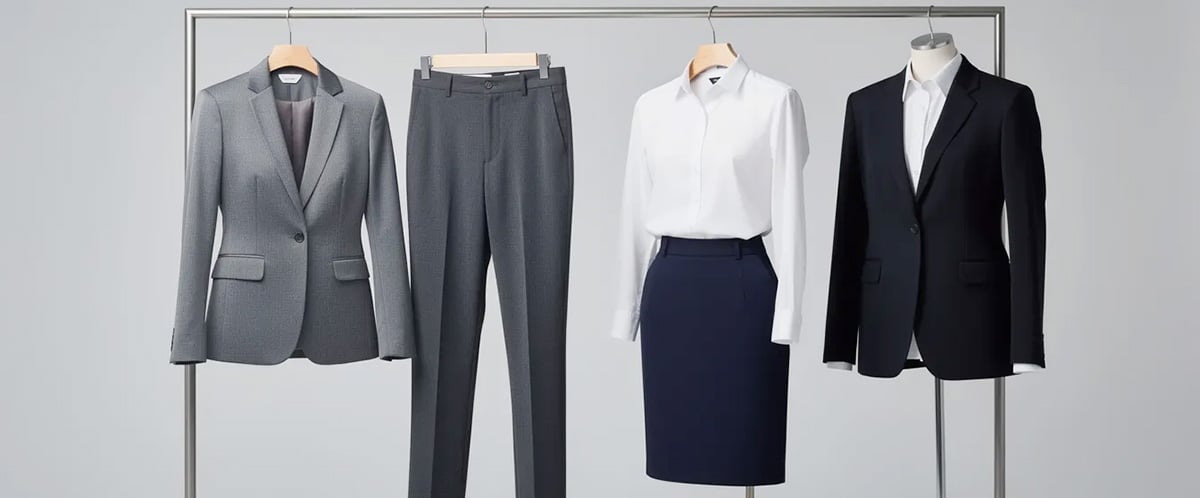
Formal Wear and Business Attire Fine denier polyester filament enables production of sophisticated fabrics that rival natural fibers in appearance and drape while offering superior care properties. Wrinkle resistance reduces maintenance requirements for business travelers and professional applications.
Workwear and Uniforms Durability, chemical resistance, and easy care properties make polyester filament excellent for industrial workwear, healthcare uniforms, and service industry clothing. High-tenacity variants provide enhanced tear resistance for demanding work environments.
Outdoor and Weather Protection Water repellency and wind resistance characteristics, combined with UV protection capabilities, create excellent performance for outdoor garments. Specialized coatings can enhance weather protection while maintaining fabric breathability.
Home Textiles and Furnishings
Bed Linens and Bedding Polyester filament bed sheets offer easy care benefits, durability, and consistent appearance retention. Microfilament varieties provide cotton-like softness while delivering superior dimensional stability and color retention.
Performance advantages:
-
Wrinkle-free appearance without ironing
-
Fade resistance for long-term color retention
-
Dust mite resistance for allergy-sensitive users
-
Machine washable with hot water sanitization
Curtains and Drapery Excellent drape characteristics, UV resistance, and dimensional stability make polyester filament ideal for window treatments. Flame-retardant variants meet safety requirements for commercial and institutional applications.
Upholstery Fabrics Abrasion resistance and stain resistance properties provide excellent performance for furniture upholstery. High-tenacity variants offer enhanced durability for high-traffic commercial applications.
Carpets and Floor Coverings Bulk continuous filament (BCF) polyester provides excellent resilience, stain resistance, and color retention for residential and commercial carpeting. Solution-dyed variants offer superior colorfastness and fade resistance.
Industrial Textile Applications
Tire Cord and Reinforcement High-tenacity polyester filament provides essential reinforcement for radial tire construction. Excellent fatigue resistance and dimensional stability under load make it ideal for automotive industry applications requiring long service life and safety performance.
Technical specifications:
-
Tensile strength: 7.0-8.5 g/d minimum
-
Elongation: 12-18% at break
-
Fatigue resistance: >2 million cycles
-
Adhesion to rubber: Optimized through chemical treatments
Conveyor Belting Industrial conveyor systems rely on polyester filament reinforcement for strength, dimensional stability, and resistance to environmental conditions. Chemical resistance enables use in harsh industrial environments with exposure to oils, acids, and alkalis.
Filtration Media Precise diameter control and chemical resistance make polyester filament excellent for liquid filtration applications. Monofilament constructions provide smooth surfaces that resist clogging while maintaining structural integrity.
Safety and Protective Equipment High-strength polyester filament enables production of safety belts, fall protection equipment, and emergency response gear. Consistent quality and reliable performance characteristics meet stringent safety standards and certification requirements.
Technical Textile Specialties
Geotextiles High-tenacity polyester filament provides soil stabilization, drainage, and reinforcement in civil engineering applications. UV-stabilized variants offer extended service life in outdoor infrastructure projects.
Applications include:
-
Road construction and stabilization
-
Erosion control and slope protection
-
Drainage systems and separation layers
-
Reinforcement for retaining walls
Automotive Interiors Flame-retardant polyester filament meets automotive safety standards while providing durability and aesthetic appeal for seat fabrics, door panels, and interior trim. Low-emission variants support air quality requirements in enclosed vehicle environments.
Marine Applications Chemical resistance and UV stability make polyester filament well suited for marine environments. Applications include sail cloth, rigging, deck coverings, and protective covers for boats and marine equipment.
Packaging Applications
Strapping and Reinforcement Tapes High-tenacity monofilament polyester provides excellent strength-to-weight ratios for packaging reinforcement. Superior elongation characteristics enable absorption of shock loads during shipping and handling.
Flexible Containers Woven polyester fabrics create durable, lightweight containers for bulk materials handling. Chemical resistance enables use with diverse products while maintaining structural integrity.
Composite Reinforcement
Construction Industry Polyester filament reinforcement in concrete and composite materials provides enhanced strength and crack resistance. Chemical resistance to alkaline concrete environments ensures long-term performance in structural applications.
Aerospace Applications Specialized polyester filament grades offer weight savings and performance benefits in non-critical aerospace components. Consistent quality and proven reliability make polyester suitable for interior components and secondary structures.
Partner with MH for Your Polyester Filament Supply Needs
As a leading global manufacturer and supplier of polyester fibers, MH brings three decades of expertise in synthetic polymer technology and textile manufacturing excellence to serve your polyester filament requirements. Our comprehensive capabilities span the complete range from fine denier luxury applications to high-tenacity industrial specifications.
MH Manufacturing Excellence and Certifications
Our state-of-the-art production facilities operate under the highest quality standards, maintaining ISO 9001:2015 quality management certification and OEKO-TEX Standard 100 compliance across all product lines. Advanced process control systems ensure consistent quality with statistical process control monitoring every critical parameter from polymerization through final packaging.
Production Capacity: 150,000 tonnes annual polyester filament capacity across multiple production lines Quality Certifications: ISO 9001:2015, OEKO-TEX Standard 100, GRS (Global Recycled Standard) Technical Capabilities: Complete denier range from 20D to 1000D+ with all major yarn types Geographic Coverage: Strategic production facilities serving global markets with local technical support
Contact MH Today for Your Polyester Filament Requirements
Ready to optimize your polyester filament supply chain with a partner committed to quality, innovation, and service excellence? Contact MH today to discuss your specific requirements and discover how our technical expertise and manufacturing capabilities can enhance your product performance and competitive position.
Next Steps:
-
Sample Request: Request samples of specific grades for evaluation and testing
-
Technical Consultation: Schedule consultation with our technical team to discuss application requirements
-
Custom Development: Explore custom specification development for specialized applications
-
Partnership Discussion: Discuss long-term partnership opportunities and volume programs
Contact Information:
-
Technical Sales Team: Available for immediate consultation on product specifications and applications
-
Global Account Management: Dedicated support for multinational customers and complex requirements
-
Customer Service: Comprehensive support for order management, logistics, and quality issues
-
Research & Development: Innovation partnerships and custom product development
Contact MH today to experience the difference that technical excellence, manufacturing expertise, and partnership commitment make in polyester filament sourcing. Let us demonstrate how our capabilities can optimize your product performance, reduce your total cost of ownership, and enhance your competitive advantage in the global textile marketplace.


Transform your polyester filament supply chain with MH - where innovation meets reliability, and quality drives performance.
