
Why Is Polyester Fleece Widely Used in Apparel Manufacturing?
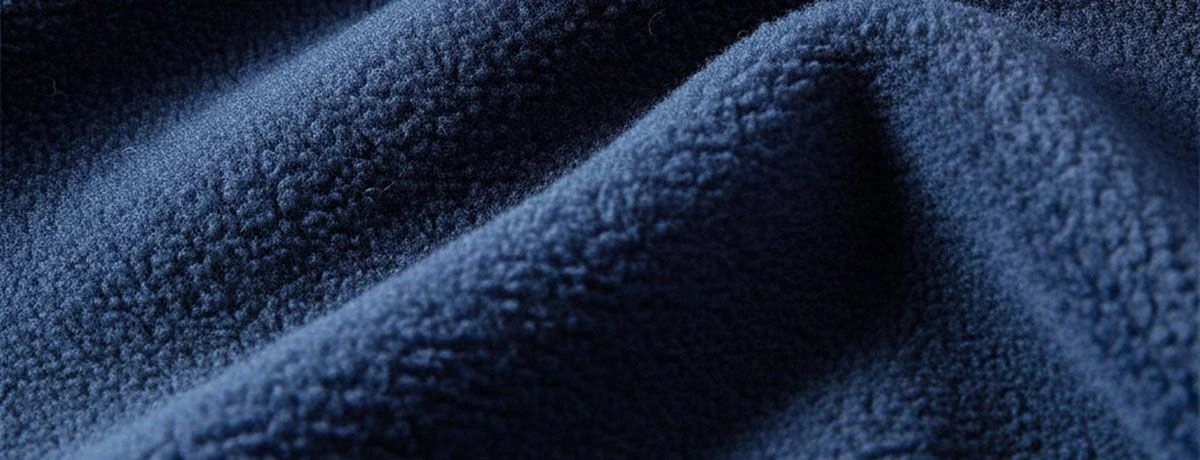
What Is Polyester Fleece?
Polyester fleece is a synthetic knit fabric engineered to deliver bulk and insulation comparable to wool while offering significant advantages in weight, moisture management, and ease of care. The fabric is constructed from polyester fibers—typically polyethylene terephthalate (PET)—that undergo specialized knitting and finishing processes to create a raised, textured pile surface. This surface traps air efficiently, providing thermal insulation without the weight penalty associated with natural fiber alternatives.
The material is usually produced from 100% polyester filament or staple fibers, though blends with cotton or spandex are sometimes specified for particular end uses such as static suppression or enhanced stretch. Polar fleece, as it is also known, emerged commercially at scale in the late 20th century when companies like Malden Mills developed Polartec fabrics that demonstrated fleece could serve as a lightweight, breathable alternative to traditional wool in outdoor and activewear applications. Since then, fleece fabrics have become established across apparel, home textiles, and industrial markets worldwide.
This page focuses on polyester fleece fabric from a B2B manufacturing and sourcing perspective—covering wholesale fabric, garment production, and industrial applications rather than retail consumer products. From a technical standpoint, polyester fleece is defined by its knit structure, which provides a stable base for pile formation; its pile surface, which may be brushed on one or both sides to create the characteristic soft, fluffy texture; and its bulk-to-weight ratio, which delivers warmth without excessive material mass. These core characteristics make polyester fleece fabric a practical choice for manufacturers seeking consistent, scalable insulation materials for volume production.

Fabric Weights and Key Specifications
GSM (grams per square meter) serves as the primary metric for specifying polyester fleece in bulk sourcing. Weight directly correlates with fabric thickness, insulation capacity, and end-use suitability, making it a foundational specification in any technical inquiry.
Micro fleece typically falls in the 140-180 gsm range, offering light insulation suitable for layering, base layers, and warm-weather applications where minimal bulk is desired. Standard apparel fleece for sweatshirts, hoodies, and mid-weight jackets generally ranges from 200-280 gsm, balancing warmth with processability in garment manufacturing. Heavier outerwear and blanket fleece runs approximately 300-380 gsm, providing substantial warmth and body for standalone insulating layers and home textile products. Specialized heavyweight fleece or high-loft constructions can reach up to 450 gsm for maximum insulation in cold-environment applications.
Beyond GSM, B2B buyers typically request additional specifications: fabric width (commonly 150-180 cm for apparel applications), knit gauge, composition (100% polyester or blends with cotton, spandex, or recycled content), pile height in millimeters, finished shrinkage rates after washing, and colorfastness levels to rubbing and washing. These details collectively define the fabric’s performance envelope.
Hand-feel, drape, and apparent thickness depend not only on GSM but also on yarn denier, knit density, and pile structure. A 250 gsm fleece with fine denier yarns and dense knitting will feel different from a 250 gsm fleece with coarser yarns and lofty pile. For this reason, GSM should be evaluated together with physical samples and complete technical specifications.
Common testing standards that buyers reference for polyester fleece include dimensional stability after washing (typically specifying maximum shrinkage percentages), pilling resistance (evaluated using Martindale or random tumble pilling methods, with ratings from 1-5), abrasion resistance, and tensile or tear strength. MH routinely works with customer tech packs and lab-dip requirements for mass production, ensuring that delivered fabric meets agreed specifications across these parameters.
Performance Characteristics for Mass Production
Polyester fleece is selected in manufacturing for its performance-to-cost ratio, processability, and predictable quality in large production runs. Understanding these characteristics helps buyers align material selection with end-product requirements and production constraints.
Thermal insulation in polyester fleece results from the raised pile structure trapping air within the nap. Air is a poor conductor of heat, so this trapped layer reduces heat transfer from the body to the environment. Pile depth and density directly affect insulation values—deeper, denser pile traps more air and provides warmer fabric at equivalent weight. This makes polyester fleece efficient for garments and blankets where warmth-to-weight ratio matters.
Moisture behavior distinguishes polyester fleece from natural fiber alternatives. Polyester fibers are hydrophobic with low moisture regain (typically under 0.5%), meaning the fabric absorbs minimal water. Fleece dries quickly after washing, maintains its bulk and insulation properties when damp, and resists the weight gain that affects wet wool or cotton. This characteristic is relevant for activewear, outdoor mid-layers, and any application where the fabric may encounter moisture during use.
Breathability and air permeability depend on knit density, pile structure, and any bonding or lamination applied to the fabric. Open knit constructions with lofty pile allow significant airflow, which supports comfort in activewear applications. Tighter constructions or bonded fleece limit airflow for wind resistance in outerwear. Buyers should specify breathability requirements based on garment type—performance fleece for athletic use versus warmer, less permeable constructions for cold-weather protection.
Mechanical durability covers resistance to abrasion, dimensional stability after repeated washing, and pilling tendency. Properly finished polyester fleece with continuous filament construction and controlled pilling treatment during manufacturing resists surface degradation over extended use cycles. This is relevant for multi-season uniforms, workwear, and institutional applications where garments must maintain appearance through many wash cycles. Shrinkage rates should be specified and tested, as excessive shrinkage creates fit problems in finished garments.
Processability in garment factories is a practical advantage. Polyester fleece cuts cleanly with limited fraying at cut edges, simplifying spreading and cutting operations. The fabric is compatible with standard polyester core-spun sewing threads—MH supplies threads specifically suited for knit fabrics—and requires ballpoint needles to avoid fiber damage during sewing. Automated spreading and cutting lines handle fleece efficiently, supporting high-volume production.
Colorfastness and shade consistency across bulk dye lots require attention in large-scale programs. Dope-dyed polyester fleece offers superior lot-to-lot consistency because pigment is embedded in the fiber during extrusion. Piece-dyed fleece depends on precise process control during finishing. For corporate uniform programs, branded apparel, and seasonal fashion collections, consistent shade is critical. MH focuses on quality control across yarn, knitting, and finishing stages, with quality systems aligned to ISO standards and Oeko-Tex Standard 100 compliance available when specified.
Industrial and Commercial Applications of Polyester Fleece
Polyester fleece serves a broad range of applications across apparel, home textiles, and technical markets. Its balance of insulation, cost-effectiveness, and processing efficiency makes it a practical choice for manufacturers in various sectors.
Garment applications represent the largest use category. Hoodies, sweatshirts, and tracksuits commonly feature single-sided brushed fleece with a smooth face and warm interior. Children’s apparel and school uniforms use fleece for its durability and easy care properties. Corporate uniforms and workwear mid-layers benefit from fleece’s consistent quality in bulk production and its suitability for embroidery and logo application. Lightweight jackets, vest linings, and outerwear use fleece as insulation or as a standalone shell in temperate conditions.
Home and hospitality textiles use heavier GSM fleece constructions. Blankets, throws, and bedspreads commonly specify 300-380 gsm double-sided fleece for substantial warmth and soft hand-feel. Pet bedding and cushion covers use fleece for its durability and washability. These applications typically require larger fabric widths and high lot-to-lot consistency across production runs supplying hotel chains or retail home goods programs.

Sportswear and outdoor-related products use micro fleece and grid fleece constructions for training tops, warm-up suits, and base or mid-layers in cold environments. Performance fleece with engineered breathability supports athletic applications where body heat regulation during activity is a requirement. These products often demand specific moisture management finishes and stretch properties.
Industrial and promotional uses include branded fleece jackets for corporate gifting and event merchandise. Safety and utility garments may specify high-visibility colors, reflective trims, or specialized finishes. Promotional items require consistent color matching to brand standards and reliable sizing across large production quantities.
B2B buyers frequently require customization across color, weight, width, and finishing to align with brand standards, uniform specifications, and regional regulations. MH collaborates with such buyers on bulk orders supporting repeat production programs across multiple seasons, ensuring specification consistency and supply reliability.
Polyester vs Recycled Polyester Fleece and Sustainability Considerations
Polyester fleece can be produced from virgin PET or from recycled PET (rPET), with recycled content increasingly specified by brands pursuing sustainability goals. Understanding the practical differences and documentation requirements helps sourcing managers align material selection with corporate sustainability frameworks.
Recycled polyester fleece made from post-consumer bottles or pre-consumer textile waste generally offers mechanical properties and hand-feel comparable to virgin polyester fleece. The recycled feedstock undergoes sorting, cleaning, and processing before entering the standard melt-spinning pathway. Spinners and knitters may adjust processing parameters to ensure consistent quality across large orders, but the finished fabric performs equivalently in most applications.
Buyers may specify recycled content levels—commonly 30%, 50%, or 100% rPET—depending on sustainability targets and product positioning. Documentation such as Global Recycled Standard (GRS) certification or similar chain-of-custody certifications may be requested from upstream partners to verify recycled content claims. These certifications trace the material from collection through processing to finished fabric.
Environmental considerations include potential energy and resource savings from using rPET compared to virgin polymer production. Known challenges include microfiber release during washing and drying—a concern that affects all synthetic fleece regardless of feedstock source. This issue is relevant for brands with ESG reporting obligations and consumers increasingly aware of microplastic pollution. Some manufacturers are exploring fiber coatings or fabric constructions intended to reduce microfiber shedding, though these remain developing technologies.
Dope-dyed or solution-dyed polyester fleece reduces water and chemical consumption during finishing by incorporating pigment at the fiber extrusion stage rather than in a separate dyeing bath. This approach also improves colorfastness and shade consistency. For buyers prioritizing both sustainability and color performance, dope-dyed recycled fleece represents a specification option worth evaluating.
MH can coordinate with partner mills to source polyester fleece meeting buyers’ sustainability frameworks, including specified recycled content percentages and relevant certifications. Clear specifications and minimum order quantities should be defined in advance to ensure production feasibility and cost alignment.


Key Sourcing Considerations for B2B Buyers
Successful polyester fleece sourcing depends on aligning fabric construction, quality standards, and supply chain factors with end-product requirements and market demands. A systematic approach to specification and supplier evaluation reduces risk and supports consistent production outcomes.
Fiber type represents the foundational decision. Virgin polyester provides reliable availability and established pricing. Recycled polyester supports sustainability positioning but requires verification of recycled content through certifications and supplier documentation. Blended compositions with cotton (for static suppression) or spandex (for stretch) address specific functional requirements but may affect pricing and minimum order thresholds.
GSM range must match the intended application—micro fleece in the 140-180 gsm range for light layers versus heavyweight fleece above 300 gsm for blankets and cold-weather outerwear. Buyers should request samples across the target GSM range to evaluate hand-feel and thickness alongside numerical specifications.
Knit structure and pile type affect stretch, stability, and surface appearance. Single-sided fleece suits garments requiring a smooth technical face. Double-sided fleece works for blankets and products where both surfaces contact the user. Pile height influences warmth and bulk, with deeper pile offering more insulation but potentially complicating sewing operations.
Finishing requirements should be specified explicitly: anti-pilling treatment is standard for quality fleece, while moisture management finishes may be added for activewear applications. Flame-retardant treatments are required for certain workwear or institutional applications and must be specified during production planning. Color system—piece-dyed versus dope-dyed—affects colorfastness, shade consistency, and environmental footprint.
Quality and compliance factors include consistent bulk shade across dye lots, shrinkage and pilling performance within agreed tolerances, and conformity with relevant standards. Oeko-Tex Standard 100 certification may be required for products contacting skin, particularly in children’s wear or intimate apparel. Regional chemical regulations (REACH, CPSIA, etc.) may impose additional compliance requirements.
Supply chain considerations include minimum order quantities, lead times for greige knitting and dyeing/finishing, capacity for repeat orders, and the ability to maintain consistent specifications across multiple seasons or production programs. Buyers running ongoing uniform programs or seasonal fashion collections should find suppliers demonstrating capacity for long-term partnership and specification consistency.
Integration with other garment materials simplifies production planning and quality coordination. Polyester fleece compatibility with sewing threads, zippers, interlinings, buttons, and trims—in terms of color matching, stretch behavior, and performance characteristics—supports smooth garment assembly and consistent finished product quality.
MH operates as a comprehensive supplier of garment materials and fabrics for importers, wholesalers, and garment manufacturers. This approach facilitates coordinated sourcing of polyester fleece alongside related accessories—threads, zippers, interlining, and trims—under long-term B2B cooperation arrangements designed for bulk production requirements and repeat program consistency.
