
Why Is Polyester Jersey Knit Fabric Popular for Sportswear and Casual Apparel?
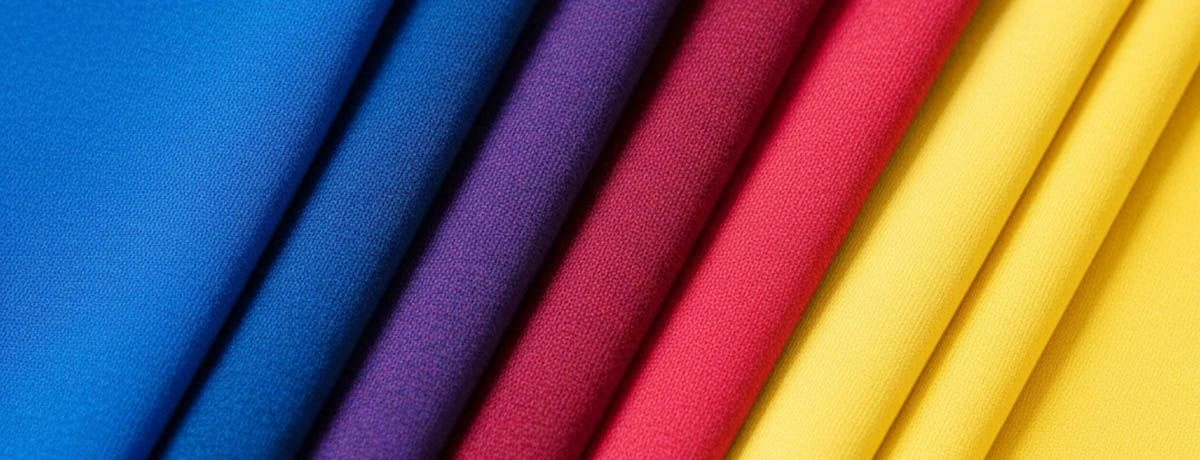
Selecting the right textile for large-scale garment manufacturing requires a deep understanding of fabric properties, technical specifications, and production efficiency. For professional B2B buyers and apparel factory owners, polyester jersey knit fabric remains a cornerstone material. It offers the durability, color retention, and cost-effectiveness needed to meet aggressive production schedules and strict quality standards.
Understanding the technical nuances of this material helps wholesalers and manufacturers optimize their product lines. Polyester jersey knit provides specific structural advantages that make it ideal for mass-producing everything from casual t-shirts to high-performance athletic wear. By matching the right fabric specifications to the intended garment application, factory managers can streamline sewing operations and deliver superior products to international markets.
MH operates as a leading B2B integrated manufacturing and trading textile company, specializing in Make-to-Order (MTO) production. We do not keep ready stock. Instead, we leverage our large-scale production capacity and global export expertise to supply custom fabric solutions tailored exactly to your manufacturing requirements. This guide explains the key properties, applications, and technical details of polyester jersey knit fabric to support your bulk procurement strategy.
What Is Polyester Jersey Knit Fabric?
Polyester jersey knit fabric features a single-knit construction characterized by visible knit-face loops and a flatter purl back. This standard jersey structure creates a fabric with distinct front and back textures, allowing manufacturers to choose the appropriate face for specific garment designs.
Synthetic polyester fibers give this fabric a remarkably high dye affinity. This chemical property results in brighter, longer-lasting colors compared to many natural fibers. For large-scale garment brands, this means better color consistency across massive production runs and superior resistance to fading over the product's lifespan.
Garment manufacturers must account for the natural behavior of the knit structure during production. Jersey knits tend to curl at the cut edges toward the knit face. Factory floors address this characteristic through specific handling procedures, specialized seam finishes, and precise hemming choices to ensure high-quality garment construction.
Types of Polyester Jersey Knit Fabric
Polyester jersey knit fabric is available in a wide range of types, each engineered to meet specific needs in garment production and textile projects. This versatility makes it a top choice for manufacturers and designers seeking both performance and style, especially when sourced from leading global providers of garment accessories and tailoring materials.
One of the most popular options is stretch polyester jersey knit. By blending polyester fibers with elastane, this knit fabric delivers exceptional stretch and recovery, making it ideal for t shirts, dresses, and activewear that demand flexibility and comfort. Similar performance characteristics are found in 93% polyester 7% spandex stretch woven fabric, which is often used for suits, trousers, and other structured garments. Whether you’re outfitting a sports team or creating everyday basics, the stretch ensures garments move with the wearer and retain their shape over time.
For those seeking a softer touch, brushed polyester jersey knit offers a cozy, warm feel thanks to its gently brushed surface. This type is perfect for loungewear, babies’ clothing, or any items where comfort is a priority. The plush texture adds an extra layer of appeal, especially in cooler climates or for products designed to be worn close to the skin.
If a more understated look is desired, matte polyester jersey knit provides a subtle, non-reflective finish. This fabric is favored for its ability to reduce shine in photography, making it a great choice for fashion shoots, influencer collections, or any project where a sophisticated, modern appearance is key, much like fluid chiffon fabric for dresses, shirts, and scarves. Its smooth hand and elegant drape make it suitable for dresses, tops, and even lightweight layering pieces.
For brands looking to make a statement, printed polyester jersey knit comes in a dazzling array of vibrant colors and patterns. From bold graphics to delicate florals, the superior dye uptake of polyester fibers ensures that prints remain crisp and colorful wash after wash. This makes printed jersey knit fabric a recommend product for custom t shirts, team uniforms, or unique home decor items.
When it comes to procurement, polyester jersey knit fabric is widely available by the yard through various online sites. Whether you need a small quantity for sampling or a large order for full-scale production, you can easily review available stock, add your desired items to the cart, and complete your purchase in just a few steps. Many suppliers offer flexible order quantities, allowing you to tailor your purchase to your project’s exact needs.
Proper care is essential to maintain the vibrant colors and stretch of your knit fabric. Always wash with similar colors, tumble dry on low, and iron on a gentle setting if needed. Following these guidelines will help your finished products look great and last through repeated use.
As an example, a manufacturer planning to launch a new line of vibrant, stretchy t shirts could order several yards of stretch polyester jersey knit, ensuring the fabric is washed and dried before cutting. This process guarantees a consistent, high-quality result that both customers and end-users will love.
In addition to its performance and style, polyester jersey knit fabric stands out for its affordability and durability. Whether you’re creating dresses, babies’ clothes, or custom items for your next collection, this knit fabric is a great choice for both beginners and experienced professionals. To ensure efficient production, many factories pair these fabrics with wholesale 100% spun polyester sewing threads that offer consistent strength and color. Its combination of vibrant colors, reliable stretch, and easy care makes it a product you’ll want to add to your regular stock and recommend to others in the industry.
Key Physical Properties of Polyester Jersey Knit
The mechanical and physical properties of polyester jersey dictate its performance in both the factory and the final garment.
Stretch and Recovery
Stretch is typically greater horizontally across the width of the fabric. To enhance recovery and prevent bagging in fitted garments, manufacturers frequently request polyester blended with spandex or elastane.
Weight Classifications
Typical fabric weights for apparel uses fall into two main categories, and buyers often compare them directly with polyester interlock knit fabric for sportswear to choose the right balance of drape, stability, and opacity for each product line:
-
Lightweight (120–180 GSM): Ideal for breathable layers, standard t-shirts, and undergarments.
-
Medium-weight (180–260 GSM): Better suited for casual tops, dresses, and leggings that require more opacity and structural support.
Drape and Care
Polyester jersey offers a moderate drape paired with a smooth hand feel. A major advantage for commercial apparel is its reduced wrinkling compared to standard cotton jerseys, lowering the need for post-production pressing.
Moisture Management
Moisture-wicking and quick-drying characteristics vary significantly depending on the specific fiber treatments and knit density applied during manufacturing. Specialized finishes can transform standard polyester into high-performance activewear material.
Uses: T Shirts and Apparel
Polyester jersey knit supports a massive segment of the global apparel industry. Factories utilize this versatile material across several distinct product categories.
Everyday t-shirts commonly use lightweight polyester jersey for its breathability and reliable color retention after repeated commercial and consumer washing. For the athletic sector, performance tees heavily favor polyester blends designed for aggressive moisture management and rapid drying times.
Womenswear categories, including dresses, leggings, and casual tops, rely on medium-weight polyester jersey to provide optimal drape and body-contouring stretch.
Furthermore, the fabric is exceptionally well-suited for industrial printing. Sublimation printing and digital prints achieve incredible vibrancy on polyester jersey due to the synthetic fibers' superior dye uptake, making it a favorite for graphic tees and custom team uniforms.
Construction and Technical Specs for Polyester Jersey Knit
When issuing purchase orders for bulk fabric, B2B buyers must specify precise technical details to match their factory's capabilities.
Single jersey (single-knit) remains the most common construction. However, interlock and ITY (Interlock Twist Yarn) variations alter the stretch profile and surface sheen for different end uses. Common finished widths for apparel-grade polyester jersey knit fabric range from 54 to 60 inches, allowing for efficient marker making and minimal cutting waste.
Blends often include 3–10% spandex or elastane to significantly improve stretch recovery and shape retention over time. The requested GSM (Grams per Square Meter) and knit gauge directly influence the fabric's opacity, thermal properties, and suitability for structured versus fluid garment designs.
Comparison: Polyester Jersey Knit vs Other Knit Fabric Types
Understanding how polyester jersey compares to other knits ensures correct sourcing for specific apparel lines.
-
Versus cotton jersey: Polyester resists shrinking and fades less over time. However, standard polyester's natural breathability typically lags behind 100% cotton unless treated with performance finishes.
-
Versus interlock: Interlock fabrics provide more stability and feature much less edge curl, making them easier to cut and sew. Single jersey, conversely, is lighter and offers a softer drape.
-
Versus rib knit collars: Specialized rib knit fabric polo shirt collars in 100% polyester deliver greater thickness and resilience at necklines and plackets, so they are typically reserved for trims rather than full garment bodies.
-
Versus rib knit: Rib knits provide superior crosswise stretch and recovery, making them the standard choice for functional cuffs, collars, and neckbands rather than main body panels.
-
Versus ponte and scuba: These double-knit fabrics are substantially thicker, more structured, and less drapey than standard jersey knit, serving entirely different garment categories like structured suits or heavy dresses.
Sewing and Handling Facts for Garment Manufacturing
Industrial garment factories must adjust their machinery and handling protocols when processing bulk polyester jersey.
Operators should utilize ballpoint or stretch needles to reduce skipped stitches and minimize loop damage in the knit structure. Because lightweight polyester jersey slides easily through high-speed industrial sewing machines, technicians often employ differential feed mechanisms or stabilized seams to reduce fabric distortion and puckering.
Overlock machines and narrow zigzag stitches are essential for maintaining seam elasticity while effectively limiting seam bulk on thinner jerseys, ensuring a comfortable and durable finished garment. Consistent results also depend on pairing the right machinery with 40/2 100% spun polyester sewing threads, which are engineered for high-speed industrial production.
Common Questions and Quick Answers
Will polyester jersey shrink?
Polyester itself inherently resists significant shrinkage during commercial laundering. However, if the fabric contains blended elastane content or has been subjected to high-heat processing, its behavior may change slightly. Proper heat-setting during textile finishing prevents dimension loss, and choosing heavy duty high tenacity polyester sewing thread with low shrinkage helps maintain seam stability under the same conditions.
Is polyester jersey good for summer t shirts?
Yes. Lightweight, moisture-wicking polyester jerseys are highly suitable for warm-weather activewear and summer apparel. Engineered knit densities and specialized chemical treatments allow the fabric to pull sweat away from the body efficiently.
Partner with MH for Bulk Fabric Procurement
Securing a reliable supply chain is critical for large-scale garment manufacturing. MH provides integrated manufacturing and trading solutions for professional B2B buyers requiring high-quality tailoring materials, including polyester and viscose embroidery thread options and 120D/2 polyester embroidery thread for detailed stitching. MH can also help you identify the best place to source or store your polyester jersey knit fabric inventory for efficient procurement.


We operate strictly as a Make-to-Order (MTO) supplier. By avoiding ready stock, we focus our vast production capacity on manufacturing fabrics engineered to your exact specifications. Our global export expertise ensures seamless delivery to major manufacturing hubs, with a particularly strong logistical footprint throughout Latin America.
Don't forget the key features of ITY Knit Jersey fabric, such as its vibrant colors and versatile uses, when considering your next bulk order.
We invite you to contact our commercial team to discuss your upcoming production requirements and secure a dependable source for industrial-grade polyester jersey knit fabric.
