
Which Types of Polyester Plaid Fabric Are Best for Apparel Manufacturing?
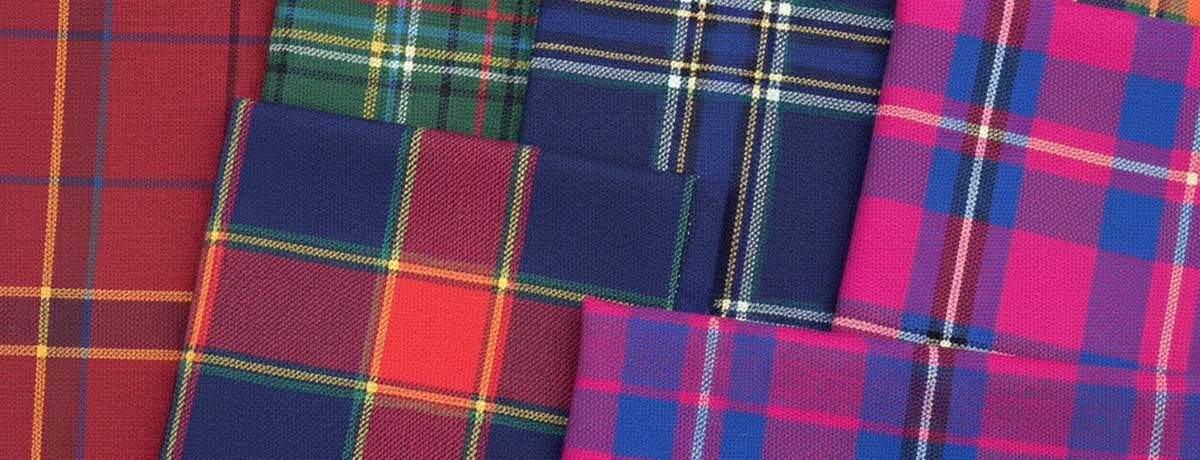
Polyester plaid fabric remains a cornerstone material in global textile manufacturing. Known for its exceptional durability and superior color retention, polyester plaid is often more cost-effective than natural fiber alternatives, enabling larger projects for less financial investment. Plaid fabric can be purchased by the yard, in increments such as 5 yards, or in bulk by the roll, accommodating orders of all sizes.
MH, a leading B2B integrated manufacturing and trading textile company and global provider of garment accessories and tailoring materials, specializes in producing high-quality polyester plaid textiles. Operating exclusively on a Make-to-Order (MTO) basis, MH provides customized manufacturing without the limitations of ready stock. Swatches of polyester plaid fabric can be ordered to check colors and quality before placing a larger order, often without shipping charges. This ensures supply chain reliability and large-scale production capacity, particularly for our extensive export networks across Latin America and the globe.


Types of Plaid Fabric and Constructions
Understanding fabric construction is vital for professional procurement. Plaid fabrics generally fall into specific woven constructions, primarily plain weaves and twill weaves. Twill creates a heavier, more durable fabric often required for commercial use, while plain weave offers a lighter, smoother finish.
Manufacturers must also choose between yarn-dyed and printed plaids. Yarn-dyed plaids weave pre-dyed threads together to create the pattern, resulting in a reversible fabric with high colorfastness.
Printed plaids apply the pattern directly onto the surface of a woven base, which can be more economical for certain high-volume runs. Standard industrial widths typically range from 58 to 60 inches, with weights varying from lightweight shirting (100-150 GSM) to heavier upholstery grades (250+ GSM).
Polyester Blend Plaid Variants
Pure polyester offers immense strength, but blending it with other fibers unlocks specific performance characteristics necessary for diverse product lines.
Polycotton Blends
Polyester-cotton (polycotton) is a highly common blend ratio, often structured at 65% polyester and 35% cotton. This combination merges the breathability and soft hand-feel of cotton with the wrinkle resistance and durability of polyester, making it ideal for institutional wear.
Polyester-Wool Blends
For colder climates or premium suiting, polyester-wool blends are the standard, alongside options like 93% polyester 7% spandex stretch woven fabric for applications that require additional elasticity and comfort. The polyester stabilizes the wool, reducing shrinkage and lowering raw material costs, while maintaining the structured drape required for formal apparel.
These blends directly alter the drape and longevity of the final product. Higher polyester content generally increases the fabric's abrasion resistance and lifespan under rigorous industrial washing.
Applications: Apparel, Home, and Commercial Uses
Polyester plaid fabric serves multiple sectors due to its structural versatility.
-
Apparel: Factory owners frequently source this fabric for school uniforms, pleated skirts, button-down shirts, and trousers, often pairing it with lighter materials such as wholesale chiffon fabric for dresses and linings. The crease resistance of polyester ensures garments maintain a pressed appearance.
-
Home Textiles: Heavyweight polyester plaids are utilized for durable upholstery, decorative pillows, and drapery that resists sun fading, while Oxford fabric for durable, water-resistant applications is commonly selected for bags and outdoor furnishings.
-
Commercial Use: The hospitality sector relies heavily on these fabrics for hotel uniforms, restaurant table linens, and event drapery due to their stain resistance and ability to withstand repeated commercial laundering, typically finished with custom zippers for professional garments and gear where closures are required.
Buying Guide: Selecting Polyester Plaid Fabric
Bulk procurement requires strict attention to material specifications. Always verify the exact fiber content and blend ratio on the manufacturer's specification sheet to ensure it meets your performance requirements.
For large-scale orders, requesting lab dips and physical swatches is mandatory before committing to bulk production. When planning procurement, garment factories must utilize accurate yield calculation methods, factoring in the pattern repeat size of the plaid, to avoid material shortages during the cut-and-sew phase, and should also specify compatible 40/2 100% spun polyester sewing threads for bulk production.
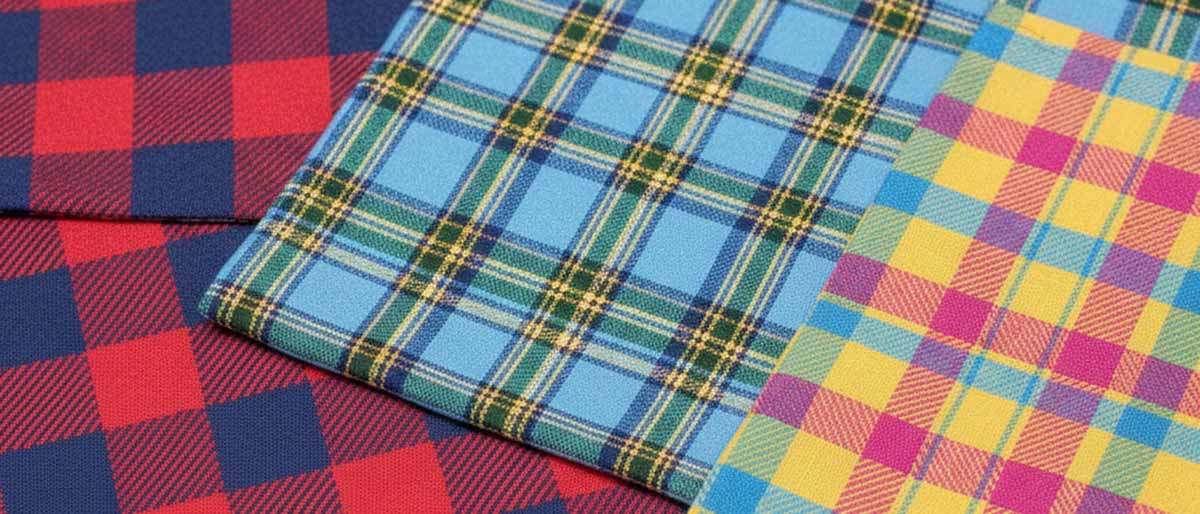
Where to Source Reliable Plaid Fabric
Wholesalers and factory owners should source textiles from specialist integrated mills and reputable B2B suppliers that can also provide performance fabrics such as 228T 100% polyester Taslon taffeta for outdoor garments. MH provides dedicated Make-to-Order manufacturing, ensuring your specific requirements for weight, construction, and color are met exactly.
When establishing a supply chain partnership, verify the supplier's production capacity and standard lead times. MH's extensive global export expertise guarantees secure, timely delivery for large-volume orders, including value-added products like high-quality polyester and viscose embroidery threads. Always request color-accurate swatches and strike-offs prior to authorizing bulk manufacturing, especially when coordinating fabrics with bag and luggage accessories for integrated product lines.
Frequently Asked Questions
Are polyester blends safe for commercial machine washing?
Yes. Polyester and polycotton blends are highly resilient and engineered to withstand the high temperatures and rigorous cycles of commercial machine washing without losing structural integrity or color.
Does polyester plaid offer enough breathability for summer apparel?
Pure polyester can trap heat, but specifying a lower-weight polycotton blend or utilizing a looser plain weave construction significantly improves air circulation, making it suitable for summer garments.
How can buyers verify the polyester content?
Professional buyers should request standardized fabric testing reports from the manufacturer. Additionally, global textile regulations require accurate fiber content percentages to be explicitly listed on all commercial shipping invoices and care labels.
Secure Your Textile Supply Chain with MH
Optimizing your procurement strategy requires a reliable, large-scale manufacturing partner. MH provides the industrial quality standards and Make-to-Order capacity required to keep your production lines running smoothly. Contact our B2B sales team today to request swatches, review our E-CATALOG, and discuss your upcoming bulk fabric requirements.
