
Which Types of Printed Fleece Fabric Are Best for Blankets, Apparel, and Home Textiles?
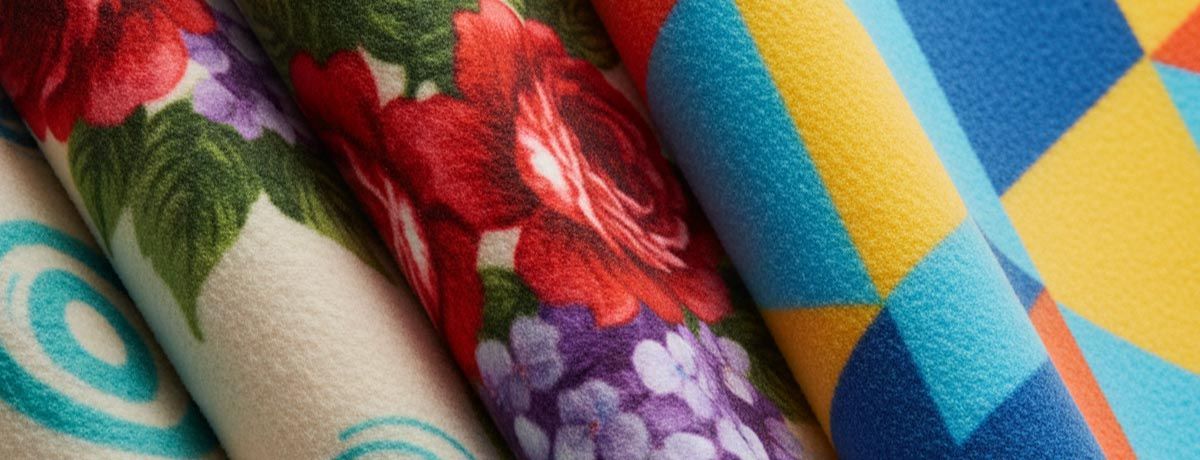
Polar fleece is one of the most consistent performers in textile sourcing. Warm, lightweight, fast-drying, and highly printable—it checks nearly every box for apparel manufacturers, home goods producers, and promotional goods suppliers. Buyers can choose from a variety of fun and seasonal prints, colors, and patterns for their projects, making printed fleece a versatile and enjoyable fabric to work with. Yet sourcing it at scale requires a solid understanding of fabric construction, weight classifications, print methods, and quality standards before placing a bulk order.
This guide covers everything procurement teams and production managers need to know about printed fleece: from how polar fleece is constructed to how graphics are applied, how it compares to alternative soft fabrics, and what to expect from a make-to-order production run. Printed fleece is especially popular for winter clothing and cozy wardrobe staples, offering both comfort and style for a range of clothing and accessory options.
What Is Printed Fleece?
Printed fleece is a knit, brushed polyester fabric with surface graphics applied through industrial printing processes. Fleece is manufactured primarily from polyester and is known for its soft texture and pleasant touch, making it comfortable to wear and handle. Printed fleece is commonly used for sportswear and clothing due to its comfort and performance. It combines the thermal and performance properties of polar fleece with custom visual design—making it a preferred choice for branded apparel, licensed products, decorative home goods, and team or promotional wear.
The base fabric, polar fleece, is a brushed pile polyester textile engineered for warmth, lightweight insulation, and fast-drying performance. Printed fleece is created by knitting fine fibers and brushing at least one side to create a fuzzy, raised surface (nap) for insulation. Its knit structure is mechanically brushed during finishing to raise a low-pile nap on the surface. This nap traps air, creating the thermal insulation the fabric is known for.
Printed fleece fabric features decorative patterns, graphics, or solid colors applied through various printing techniques. High-quality images and creative design ideas can be used to customize fleece items, allowing for vibrant, sharp results and unique personalization. Custom printing on fleece fabric allows for the creation of unique clothing items such as jackets, hoodies, and blankets, similar to how wholesale chiffon fabric supports a wide range of fashion applications.
Typical fiber content is 100% polyester, though polyester blends are available for applications requiring improved breathability or a specific hand feel. Most commercial-grade fleeces also include anti-pill finishes that reduce surface fuzzing over repeated industrial washing—an important consideration for garments and home textiles that will undergo frequent laundering.
Standard roll widths run from approximately 54 to 60 inches, aligning with common apparel cutting and home-sewing production requirements.
Fabric Weights and Construction: Choosing the Right GSM
When sourcing polar fleece, buyers need to choose the right GSM (grams per square meter) for their specific project. GSM determines warmth, drape, end-use suitability, and how well the surface receives print.
Lightweight fleece (150–200 GSM) is well-suited for linings, light hoodies, scarves, and layering panels. Lower pile height at this weight typically results in sharper print reproduction.
Midweight fleece (200–260 GSM) is the most versatile tier—balanced warmth and structure make it the standard choice for everyday jackets, blankets, and casual outerwear. It handles both print and construction demands reliably across large production runs.
Heavy fleece (260–400+ GSM) is reserved for thick throws, premium outerwear, and high-insulation garments. At this weight, the pile is deeper, which can slightly soften fine-line print detail. Buyers specifying heavy fleece for printed applications should factor this into their artwork development.
Selecting the appropriate weight ensures the printed fleece is suited to the intended project, whether it's apparel, home goods, or accessories, much like how poly cotton twill fabric is chosen for durable workwear and uniforms.
Knit structure and pile height also affect how the fabric drapes and stretches. For garment manufacturers, understanding these construction variables helps ensure the fabric performs correctly during cutting, sewing, and finishing.
Printing on Polar Fleece: Methods and Specifications
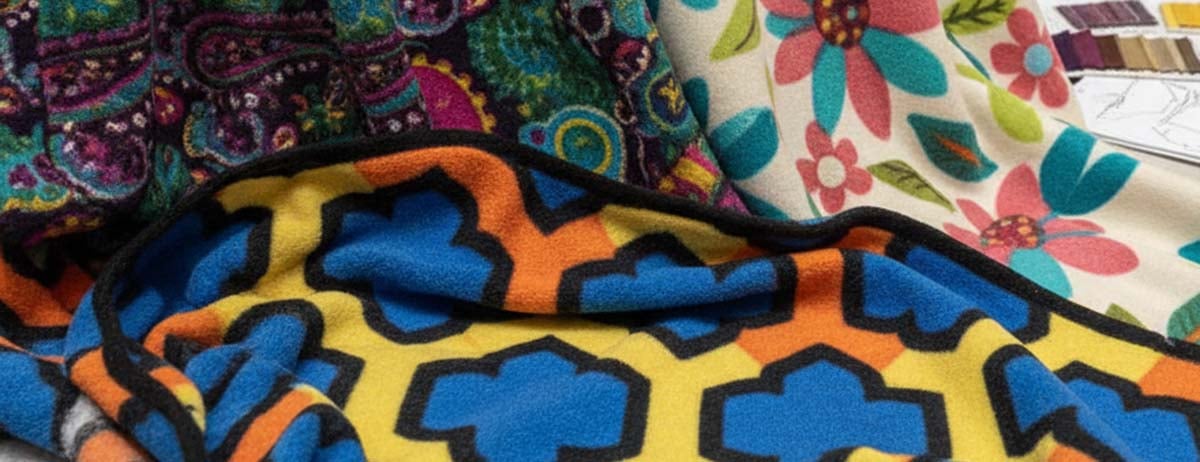
Dye-sublimation is the industry-standard method for printing on polyester fleece. The process involves transferring dye into the fiber under heat and pressure, producing vibrant, durable color that resists cracking, peeling, or fading. Because the dye bonds at the fiber level rather than sitting on the surface, printed polar fleece maintains good colorfastness through repeated washing cycles.
For consistent detail reproduction, artwork should be supplied at 200 DPI scaled to the final print size. Using images at a resolution of 200dpi is important for optimal print quality. The recommended color model for custom printing on fleece fabric is RGB, specifically using the sRGB image profile. Users can easily upload their images to the design interface, which helps ensure the uploaded design fits the chosen fabric dimensions correctly. This makes the process of preparing files and creating custom printed fleece easy and user-friendly. This is a critical specification for bulk orders—files that fall below this threshold often result in visible pixelation across large print areas.
A few additional technical points worth noting for procurement and design teams:
-
Fine linework should be avoided. The brushed nap reduces the crispness of very fine details. Bold graphics, block patterns, and medium-to-large text reproduce most reliably.
-
White-base fabric is standard for printed fleece, producing the brightest, most accurate color output.
-
Double-sided printing is generally not offered for pile fabrics—the nap and show-through prevent reliable two-sided results.
-
Expect slight color variation between production runs. Print profiling and run-to-run adjustments are inherent in large-scale production. Buyers requiring consistent color across multiple orders should document approved color references for quality benchmarking.
End-Use Applications for Printed Polar Fleece
At industrial production volumes, printed fleece serves a wide range of finished goods categories:
-
Apparel: hoodies, zip-front jackets, lining panels, scarves, hats, sportswear, and cold-weather leisurewear. Printed fleece is perfect for a variety of projects, including jackets and activewear, thanks to its comfort and insulation.
-
Home textiles: blankets, throws, pillows, pet beds, and decorative soft furnishings. Printed fleece is a favorite material for cozy home decor items, combining warmth and light weight with artistic visual designs for both functional and decorative uses, while outer shell fabrics like 180T pongee rainproof fabric can complement fleece in weather-resistant products.
-
Children’s products: sleepwear, comfort items, and stuffed animals where softness and warmth are primary performance requirements. Printed fleece is ideal for crafts and DIY projects, such as making no-sew blankets and creative handmade items, often finished with high-quality polyester sewing threads for durability and safety.
-
Promotional and team goods: bulk-printed garments and accessories for events, organizations, and branded merchandise programs
-
Crafts and DIY projects: no-sew tied fleece blankets, quilts, bedding, pet products, and other creative projects. Printed fleece is easy to work with and does not fray when cut, making it perfect for sewing, no-sew, and quick-sew projects.
Customers love the versatility and ease of working with printed fleece, especially for DIY and craft projects. Its combination of warmth, light weight, and vibrant designs makes it a top choice for a wide range of projects.
Each category has distinct weight, print, and construction requirements. Aligning fabric specification with end-use category early in the development process reduces sample revisions and production delays.
Polar Fleece vs. Other Soft Fabrics
Buyers comparing polar fleece to alternative soft fabrics should evaluate based on thermal performance, moisture behavior, weight, and print compatibility. Certain types of fleece include polar fleece, microfleece, anti-pill fleece, and sherpa fleece, each with specific properties that may vary depending on the intended use.
Polar fleece vs. terry toweling: Terry is absorbent and lower in weight for the pile it offers, making it suited for bath and kitchen textiles. Polar fleece is hydrophobic and insulating—the better choice where warmth and fast drying are required.
Polar fleece vs. brushed cotton: Brushed cotton has a natural hand and is breathable, but it retains moisture longer and loses loft more quickly after washing. Fleece outperforms cotton in durability and moisture management for most outerwear and blanket applications, while blended options like T/C 80/20 twill workwear fabric offer an alternative balance of comfort and resilience.
Polar fleece vs. felt: Felt is dense and dimensionally stable but less drapable and heavier for equivalent coverage. Fleece is lighter, more flexible, and far more suitable for garments and large-format home textiles.
When pile height, fabric weight, print clarity, and end-use warmth requirements are mapped together, polar fleece consistently offers the most versatile performance profile across the soft fabric category.
Source Printed Fleece with Confidence
Polar fleece is a high-demand fabric for good reason. Its thermal performance, print compatibility, and versatility across apparel, home goods, and promotional categories make it a reliable foundation for a wide range of finished products. For buyers operating at scale, getting the specification right—weight, print method, artwork resolution, and construction—is what separates consistent supply from costly revisions.
MH operates as a make-to-order supplier, producing printed fleece and a broad range of textile products against confirmed buyer specifications. With established export capabilities and production capacity suited to large-volume procurement, MH supports garment manufacturers, wholesalers, and sourcing teams across global markets as a leading global provider of garment accessories and tailoring materials. Partner with MH's design team to bring your ideas to life and ensure your brand message is effectively showcased on custom printed fleece products. Custom fleece printing can enhance the comfort and style of outdoor clothing by adding personalized designs that fit seamlessly into everyday life.
Contact MH directly to discuss your production requirements and request fabric samples.