
Why Do Shoe Factories Choose PU Material in Shoes for Mass Production?
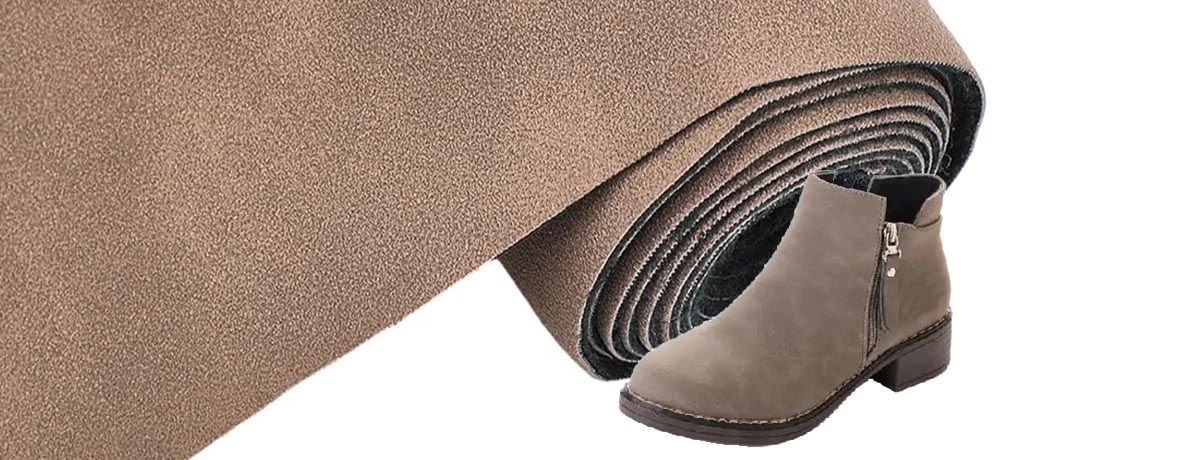
If you’re sourcing materials for mass footwear production, you’ve almost certainly encountered PU. Polyurethane has become the backbone of modern shoe manufacturing, from the uppers and linings to the midsoles and outsoles. It’s the material that allows factories to produce millions of pairs annually while maintaining consistent quality and competitive pricing.
This guide breaks down everything B2B buyers need to know about PU material in shoes—from technical specifications and manufacturing processes to practical sourcing strategies. Whether you’re running an OEM factory, managing procurement for a footwear brand, or distributing shoe materials across emerging markets, this is your roadmap to making informed purchasing decisions.
MH operates as a specialized wholesale supplier of PU shoe materials, serving footwear manufacturers, material distributors, and OEM factories rather than retail consumers or individual buyers. The focus here is on bulk purchasing, production efficiency, and long-term supply partnerships.
What Is Polyurethane Leather (PU Material) in Shoes?
PU, or polyurethane, is a synthetic material widely used throughout the footwear industry. In shoe manufacturing, it appears in two primary forms: as a synthetic leather coating for uppers and linings, and as foam or elastomer material for insoles, midsoles, and outsoles.
PU is a type of artificial leather, often referred to as PU leather, and is commonly compared in the context of leather vs other materials such as genuine leather, PVC leather, and fabrics like chiffon fabric.
When factory buyers discuss “PU shoe material,” they typically mean one of three things:
-
PU synthetic leather for uppers: Polyurethane coated onto a textile backing (woven, knitted, or non-woven fabric), then embossed to create leather-like textures
-
PU coated fabric: Thinner polyurethane coating applied to mesh, knit, or canvas for lightweight applications
-
PU foam/sole material: Polyurethane formulated as cushioning foam for midsoles or as denser elastomer for outsoles
Both PU and other types of artificial leather are used in footwear, but PU leather is a specific subset within the broader category of faux leather, often compared to other synthetic options.
Unlike genuine leather, which comes from animal hides with natural variations in thickness, grain, and surface quality, PU is engineered for uniformity. Genuine leather products and animal leather are valued for their authenticity, unique texture, and status as a natural product derived from animal hides, while PU leather is not considered pure leather or genuine leather PU because it is made from synthetic materials. Every roll delivers consistent thickness, color, and performance—critical factors when you’re producing 50,000 pairs of school shoes or filling a container of fashion sandals.
PU leather is essentially plastic, as its main component is polyurethane—a polymer compound created through a chemical reaction between a diisocyanate and a polyol. It is completely artificial, considered vegan, and does not contain any animal skin.
From a B2B wholesale perspective, this consistency translates directly into production efficiency. Factories can calculate material consumption per pair with precision, minimize cutting waste, and maintain quality standards across massive order quantities.
PU leather is made from petrochemicals, which are not environmentally friendly, and it is not biodegradable, meaning it can take hundreds of years to decompose in a landfill. The production of PU leather often involves toxic chemicals and solvents, contributing to air and water pollution, and some PU leather products may contain heavy metals such as lead and cadmium. The manufacturing process can release harmful toxins, including volatile organic compounds (VOCs) and dioxins, making some PU leather products potentially harmful to human health and the environment.
PU leather is often marketed as a more sustainable and eco-friendly alternative to animal leather, but this perception is challenged by its environmental impact. Some companies use the fact that PU leather is not made from animal products to greenwash their products and make them appear more environmentally friendly than they actually are.
Types of PU Materials Used in Shoes
The PU category encompasses several distinct material types, each suited to different footwear applications and price points. Understanding these distinctions helps sourcing managers match the right material to the right product.
Main PU categories used in footwear production:
-
PU synthetic leather for uppers (standard and premium grades)
-
Microfiber PU for higher-performance applications
-
PU coated textiles and laminated fabrics
-
PU foam for midsoles and insoles
-
PU elastomer for outsoles
In addition to PU, other synthetic leather alternatives are also used in footwear. PVC leather, made from polyvinyl chloride, is a durable and weather-resistant option often used for items requiring extra resilience. Bonded leather is a more affordable material created by bonding leather scraps or fibers with adhesives, while bicast leather combines a layer of real leather with a polyurethane coating, offering a hybrid between genuine and synthetic materials.
Each category serves specific shoe types—casual footwear, sports shoes, sandals, boots, and fashion collections all have different requirements. MH can supply multiple PU articles across these categories in consolidated shipments, supporting full collection development and multi-style production programs.
PU leather is also widely used in car interiors, such as seats and dashboards, due to its durability and ease of maintenance. The polyurethane coating in PU leather is a flexible polymer, which gives the material its softness and flexibility, making it feel more like real leather. Modern technology has enabled the use of eco-friendly, recycled, and bio-based polyurethane in some PU materials, supporting more sustainable footwear production. Polyvinyl chloride (PVC) is another common synthetic material used in artificial leather; compared to PU, PVC is generally stronger and more weather-resistant, but less soft and breathable.
PU Synthetic Leather for Shoe Uppers
PU synthetic leather, often referred to as PU coated leather, is the most common form of polyurethane leather used in footwear manufacturing. The production process involves applying a plastic coating of polyurethane onto a base fabric—typically polyester, cotton, or non-woven material—then applying heat and pressure through embossing rollers to create surface textures. This plastic coating provides a natural barrier against moisture and light rain, making PU shoes suitable for certain weather conditions.
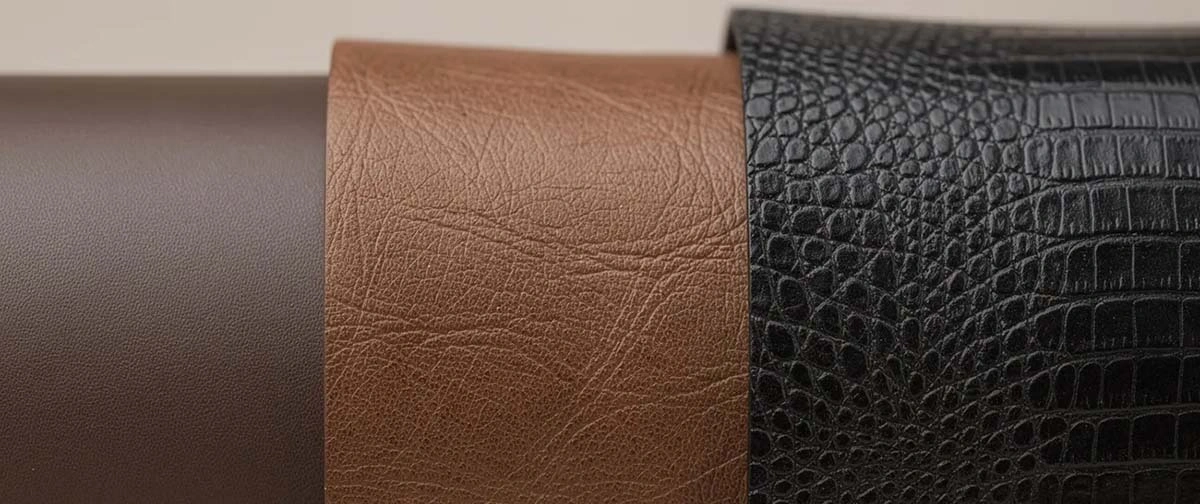
The result is a material that mimics the look of real leather, nubuck, or specialty grains like crocodile and snake patterns, but with the consistency and cost advantages that mass production demands. PU leather can be made in a wide range of colors and styles, making it versatile for various products. However, new PU leather can develop a plastic-like smell, which differs from the natural aroma of genuine leather.
When comparing PU shoes to leather shoes, PU shoes are generally more affordable and offer water resistance and a sleek appearance, but they may feel stiffer and are generally less durable than genuine leather shoes. While PU leather is generally considered to be a durable material that can withstand wear and tear, its durability depends on the quality and manufacturing process, and it is not as durable as genuine leather. The thickness of the polyurethane coating and the depth of embossing can provide more durability, making PU shoes more resistant to daily wear and tear, but genuine leather shoes still offer superior longevity and can develop a patina over time, which PU leather does not.
PU leather is water-resistant but not completely waterproof, and excessive water exposure can cause damage, so it should be dried thoroughly after cleaning. PU leather can last from a few months to several years depending on quality and care, but it does not age in the same way as genuine leather. Using a protective coating can help prevent scratches and scuffs, and it is important to avoid sharp objects that can puncture or scratch PU leather to maintain its integrity.
Typical thickness ranges:
-
0.6–0.8 mm: Lightweight fashion uppers, children’s shoes, complex pattern work
-
0.8–1.2 mm: General casual shoes, sneakers, dress shoes
-
1.2–1.6 mm: Boots, school shoes, safety-inspired footwear, structured applications
Common surface options:
-
Smooth nappa finish
-
Matte and semi-matte finishes
-
High-gloss patent look
-
Oil-wax and crazy-horse effects
-
Nubuck and suede-like textures
-
Printed or embossed patterns (geometric, reptile, carbon-fiber look)
This type of PU leather works well for school shoes, dress shoes, casual sneakers, fashion boots, and children’s footwear. It’s particularly popular in price-sensitive markets where the leather like appearance matters but actual leather costs are prohibitive.
MH maintains stock of stable bulk colors—black, dark brown, white, navy—while also supporting seasonal color development through customer lab dips and sample approval processes.
Microfiber PU for Higher-Performance Uppers
Microfiber PU represents a step up in both performance and price. Instead of standard woven or knitted backing material, it uses a dense microfiber non-woven substrate impregnated with polyurethane through a wet coagulation process.
This construction creates a material composition closer to the fiber structure of genuine grain leather, delivering:
-
Higher tear strength and durability
-
Better bending and flexing resistance
-
More comfortable hand-feel
-
Improved moisture management compared to standard PU
Microfiber PU is considered the highest quality among PU materials for footwear, offering superior craftsmanship and attention to detail. PU (Polyurethane) is a versatile polymer used in shoes for its durability, lightweight feel, comfort, and water resistance. It is highly resistant to abrasion, tears, and scratches, which contributes to a longer lifespan for shoes. PU also retains its shape and cushioning properties even after months of daily use due to its dimensional stability. Additionally, PU is significantly lighter than real leather, improving comfort in footwear.
Factories typically choose microfiber PU for sports shoes, premium casual footwear, and work-inspired boots where heavy wear and repeated flexing are expected. It’s also common in mid-range athleisure products targeting export markets.
Key specifications buyers should review:
-
Martindale abrasion cycles (typically 20,000–50,000+ depending on grade)
-
Flexing test results (50,000+ cycles without cracking)
-
Tear strength (N/mm or N/cm)
-
Colorfastness to dry and wet rubbing
MH can develop microfiber PU articles to match target reference samples from established brands, supporting OEM projects that require specific performance benchmarks.
PU Coated Fabrics and PU Laminated Textiles
For lightweight applications, PU coated textiles offer an alternative to full synthetic leather constructions. These materials feature thinner polyurethane coating applied to knitted, woven, or mesh backing fabrics. The term 'leather PU' is often used to describe these artificial or synthetic leather materials, which are popular for their lightweight, affordable, and versatile properties in footwear.
Typical applications include:
-
Fashion sports shoes and running-inspired styles
-
Athleisure footwear with textile aesthetics
-
Sandal straps requiring flexibility and stain resistance
-
Lightweight sneakers for hot climate markets
PU outsoles provide great slip resistance and grip, which improves safety in footwear.
The backing material significantly influences the final product’s properties. Tricot backing provides stretch and recovery, mesh allows airflow, and canvas offers structure and durability. Coating thickness, gloss level, and embossing pattern can all be customized.
This category of faux leather bridges the gap between pure textiles and full PU leather, offering improved cleanability and water resistance while maintaining a softer, more flexible feel.
MH can coordinate color and texture matching across multiple components—PU upper panels, laminated straps, and PU lining—ensuring collection consistency for brands managing seasonal programs.
PU Foam, Midsoles and Outsoles
Beyond upper materials, polyurethane plays a critical role in shoe cushioning and outsole construction. PU foam midsoles and insoles provide lightweight shock absorption that holds up better over time than some alternatives like EVA.
Key applications:
-
Work boots and safety-inspired footwear
-
Sandals and clogs
-
Comfort casual shoes
-
School shoes requiring all day wear cushioning
PU sole materials come in different formulations. Polyester-based PU (densities roughly 280–1100 g/L) offers excellent chemical and oil resistance—important for work environments. Polyether-based PU (typically 450–600 g/L) provides superior water resistance and is commonly used in sandals and street shoes.
Performance criteria buyers evaluate:
-
Density (affects weight and cushioning)
-
Rebound and energy return
-
Hardness (Shore A scale)
-
Hydrolysis resistance
-
Slip resistance (for outsole applications)
While MH focuses primarily on PU upper materials, the company can coordinate with PU sole factories when customers need integrated sourcing support for OEM programs.
Common Applications of PU Material in Footwear
Different shoe categories have different requirements for thickness, flexibility, finish, and durability. Matching the right PU article to the right application reduces production problems, customer returns, and quality complaints.
PU leather items require regular cleaning and proper care to maintain their appearance and durability. PU leather items is easier to clean and maintain than genuine leather, as it is not porous and can be wiped clean with a damp cloth. Regular cleaning of PU leather involves wiping it down with a damp cloth, and it is important to avoid using harsh chemicals, as they can cause damage. Conditioning PU leather occasionally can help prevent cracking, and PU leather items should be kept out of direct sunlight and stored in a cool, dry place to extend their lifespan.
MH has experience supplying PU shoe material to factories producing for Africa, the Middle East, Latin America, Southeast Asia, and Eastern Europe. Here’s how PU fits across major footwear categories.
Casual and Fashion Shoes
Men’s and women’s casual shoes, loafers, and lifestyle sneakers represent the largest volume application for PU synthetic leather in price-sensitive market segments. PU footwear offers affordability without sacrificing style, making it a popular choice for fashion-conscious consumers on a budget.
Recommended specifications:
-
Thickness: 1.0–1.4 mm for uppers
-
Finishes: Smooth nappa, nubuck-look, or patterned texture embossing
-
Softer PU for collars, tongues, and comfort-focused areas
Colorfastness to dry and wet rubbing is particularly important for dark casual shoes frequently worn without socks—perspiration transfer can cause staining complaints.
MH supports fast color changes for fashion collections targeting spring/summer and autumn/winter seasons, with development timelines that accommodate trend-responsive production.
Sports and Athleisure Footwear
In sports-inspired footwear, PU typically appears in combination with mesh, engineered knit, and TPU overlays rather than as the primary upper material.
Common PU applications:
-
Logo panels and branding areas
-
Eyestay reinforcements
-
Heel counters and toe caps
-
Decorative overlays for structure and style
For running-style and training shoes, microfiber PU or higher-flex grades are recommended to prevent early cracking at flex points. Standard PU can work for less dynamic lifestyle sneakers.
MH offers PU articles designed to bond well with common sports shoe adhesives and midsole materials, supporting both cemented and direct-attach construction methods.
Sandals and Slippers
Summer footwear for African, Middle Eastern, and Southeast Asian markets relies heavily on PU for straps, footbeds, and decorative uppers.
Application considerations:
-
Soft, comfortable PU for footbeds (often foam-backed)
-
Embossed or printed PU for fashion straps and slides
-
Thinner, more flexible PU for narrow straps requiring easy stitching
Sweat resistance, colorfastness, and adhesion quality matter—sandals experience frequent flexing at strap attachment points. Budget friendly alternative materials must still withstand daily wear in hot conditions.
MH offers thinner PU grades specifically suited for sandal production, balancing softness with adequate peel strength for strap applications.
Boots and School Shoes
PU synthetic leather excels in categories requiring clean appearance, easy maintenance, and durable material properties for extended use.
Typical requirements:
-
Thickness: 1.2–1.6 mm for enhanced durability
-
Good bending resistance for boots worn in variable conditions
-
High abrasion resistance for school shoes facing rough daily use
-
Strong adhesion for cemented constructions
Black PU with reliable adhesion properties remains highly popular in African and Latin American school shoe programs, where millions of pairs ship each season.
MH supplies PU that works well with cemented (adhesive) construction methods commonly used for school shoes, basic boots, and fashion boots targeting mid-market retail price points.


How to Choose PU Shoe Material for Your Factory or Brand
Selecting the right PU grade, thickness, and backing reduces production risk and improves customer satisfaction. When choosing PU material in shoes, consider that clean PU leather is easy to maintain due to its non-porous surface—regular cleaning helps preserve its appearance. However, PU leather is less durable than genuine leather and can crack or peel over time, especially with frequent use. It is also not as breathable as genuine leather, which can lead to discomfort in hot or humid conditions. To maintain the condition of PU leather, avoid exposing it to sharp objects that could cause punctures or scratches.
This section provides a practical checklist for purchasing teams, R&D engineers, and merchandisers.
MH can help match articles to buyer requirements—but the more clearly you define your needs, the faster and more accurate the recommendation.
Key Technical Specifications to Define
Before requesting quotations, purchasing teams should specify:
Core specifications:
-
Thickness (with tolerance, e.g., 1.2 mm ±0.1 mm)
-
Width (standard roll widths or custom requirements)
-
Backing type (woven, knitted, non-woven, microfiber)
-
Surface finish (matte, gloss, specific texture)
-
Color (Pantone reference or physical sample)
Performance requirements:
-
Abrasion resistance (Martindale or Taber cycles)
-
Flexing resistance (cycles to cracking, typically 50,000+)
-
Tear strength (N/mm or N/cm)
-
Peel strength / adhesion between layers
-
Hydrolysis resistance (hours or weeks at specified conditions)
-
Colorfastness to rubbing (dry/wet grades)
Clearly stating shoe type, expected usage conditions, and target product lifespan helps suppliers recommend appropriate materials rather than generic options.
MH provides basic technical data sheets and can arrange third-party test reports for main export articles upon request.
Balancing Cost, Performance, and Market Positioning
Material selection should align with final retail price and warranty expectations:
-
Promotional and low-cost fashion shoes: Simpler PU grades acceptable
-
School shoes and everyday casuals: Mid-grade PU with good flex and abrasion properties
-
Athleisure and branded products: Higher performance microfiber or premium-finish PU
-
Work-inspired boots: Hydrolysis-resistant and abrasion-resistant grades
Consider logistics factors when selecting hydrolysis grades. Materials stored for extended periods in hot, humid warehouses before retail sale need higher resistance levels than fast-moving fashion items.
MH can suggest tiered material options (good, better, best) so buyers can compare cost versus performance for their specific application—avoiding both overspending and under-specifying.
Sampling, Testing, and Pre-Production Approval
A typical B2B workflow for PU material selection:
-
Request swatch cards showing available embosses, finishes, and standard colors
-
Select candidate materials based on hand-feel, appearance, and preliminary specs
-
Receive A4 or meter samples for detailed evaluation
-
Produce trial shoes using factory equipment (cutting, stitching, lasting, bonding)
-
Conduct internal testing (flex testing, adhesion checks, wear trials)
-
Approve final specifications with documented article number, shade standard, and test results
Proper care during evaluation prevents surprises in bulk production. Testing bonding compatibility, stitchability, and flex performance on actual factory machines catches issues that swatch evaluation misses.
MH supports OEM customers with sample meterage and can adjust specifications based on initial trial feedback before bulk orders are placed.
MH as Your Wholesale PU Shoe Material Supplier
MH operates as a dedicated B2B supplier of PU materials for shoes, serving OEM factories, branded footwear companies, and material distributors across global markets.
The company does not sell small quantities to individuals or for DIY repair projects. The focus is on container-level wholesale orders and long-term supply partnerships with professional footwear industry buyers.
MOQ, Bulk Supply Capacity, and Lead Times
MH structures operations around realistic volume requirements for factory planning:
Minimum order quantities:
-
Standard colors and articles: Lower MOQs per color (typically 500–1000 meters minimum)
-
Custom colors and developments: Higher MOQs (typically 2000–5000 meters per specification)
-
Exact requirements vary by article type and complexity
Lead times:
-
Repeat orders for stock colors: 15–25 days
-
New color developments: Additional 7–14 days for lab dip approval
-
Custom embossing or special finishes: Case-by-case timeline discussion
MH can consolidate multiple PU articles and colors in single shipments, reducing freight costs for buyers managing diverse product ranges. Production capacity supports long-term programs for school shoes, basic casual footwear, and high-volume fashion items requiring stable supply across seasons.
Customization and OEM Support
MH provides comprehensive customization capabilities:
-
Thickness adjustment according to buyer specifications
-
Custom embossing patterns developed from samples or design files
-
Color matching to physical swatches or Pantone references
-
Backing fabric selection based on end-use requirements
For OEM projects, buyers can send physical reference samples and MH will develop close alternatives meeting the target specifications and price point.
The OEM cooperation process covers:
-
Initial design input and technical consultation
-
Sample development and approval
-
Bulk production with quality controls
-
Repeat seasonal adjustments based on market feedback
Documentation and packing can be branded according to OEM or distributor requirements when needed for specific market or customer situations.
Key Takeaways
-
PU synthetic leather is engineered for mass footwear production, offering consistency and cost advantages that genuine leather cannot match at scale
-
Different PU types serve different applications—standard PU for fashion, microfiber for performance, coated textiles for lightweight construction
-
Cost savings of 30–60% versus comparable leather, plus higher yields and more stable pricing
-
Material selection should match product category, target price point, and market conditions (especially humidity and expected lifespan)
-
Proper specification of thickness, backing, finish, and performance requirements prevents production problems
Whether you’re producing school shoes for African markets, fashion sandals for the Middle East, or casual footwear for Latin American consumers, the right PU material makes the difference between smooth production and costly problems.
Ready to explore PU material options for your next production run? Prepare your technical requirements, volume estimates, and reference samples, then reach out to MH for tailored recommendations and competitive wholesale pricing.
