
Rayon vs Cotton Fabric: Which Is Better for Your Application?
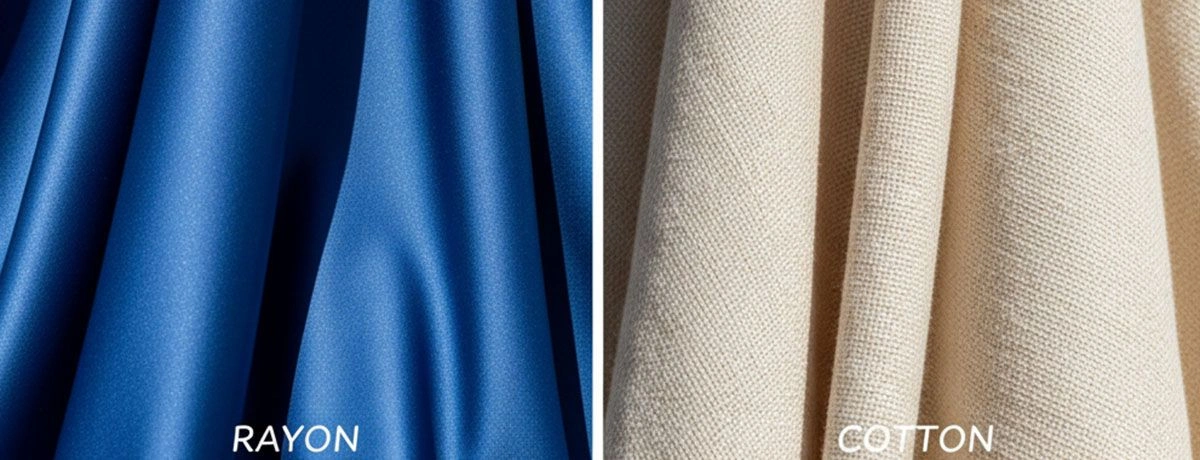
Rayon is a semi-synthetic fiber regenerated from cellulose (wood or bamboo pulp); cotton is a natural fiber grown from the cotton plant. That single difference drives everything a buyer cares about on a purchase order: rayon delivers a silk-like drape and cool hand at a lower price but loses strength when wet, while cotton is stronger, more durable through repeated washing, and easier to certify as natural or organic.
Key Takeaways
- Rayon = semi-synthetic regenerated cellulose (viscose, modal); cotton = 100% natural fiber.
- Rayon wins on drape, sheen, and cost; cotton wins on wet strength and wash durability.
- Rayon can lose roughly half its strength when wet, which is why laundered end-uses lean cotton or a blend.
- For bulk orders, specify fiber, blend ratio, GSM/denier, finish, MOQ, and lead time, not just “rayon” or “cotton”.
Rayon vs Cotton: Quick Comparison for Buyers
For a sourcing buyer, the decision rarely comes down to which fabric is "better," it comes down to which one matches the end use, the wash cycle, and the target price. In cotton vs rayon, that single difference drives everything: rayon is generally less expensive, but its more complex production process also brings environmental concerns, so the best fabric depends on cost, durability, and end use. Here is the at-a-glance spec view most likely to appear on a comparison sheet.
| Spec / property | Rayon (viscose) | Cotton |
|---|---|---|
| Fiber type | Semi-synthetic (regenerated cellulose) | Natural (cotton plant) |
| Typical hand & drape | Silky, fluid, high drape | Softer, structured, less flowing |
| Dry strength | Moderate | Strong |
| Wet strength | Drops sharply (weak when wet) | Holds well when wet |
| Wash durability | Lower, can lose shape | High, handles frequent washing |
| Breathability | High, cool in humid heat | High, absorbent |
| Wrinkle resistance | Low (wrinkles more) | Low–moderate |
| Relative cost | Lower | Higher |
| Common GSM range (apparel) | ~90–200 GSM | ~110–260 GSM |
What Is Rayon Fabric? (Semi-Synthetic Cellulose Explained)
Rayon, also called viscose rayon, is a semi synthetic fabric and semi synthetic material made from cellulose fibers derived from wood pulp, then regenerated into filament, so it belongs to the regenerated-cellulose family rather than to true synthetics or true naturals.
It starts from a natural raw material but undergoes heavy chemical processing and goes through a chemical conversion, which is why it behaves differently from the cotton plant it superficially resembles. In practice, rayon undergoes heavy chemical processing that relies on harmful chemicals, and while the fiber is biodegradable, the process can contribute to pollution, environmental degradation, and even deforestation concerns. For buyers, the practical signature is drape and sheen: rayon flows and reflects light like a low-cost alternative to silk, with a luxurious feel, silky texture, silky feel, and silky surface.
Key features of rayon fabric:
- Silky, smooth surface with excellent drape
- Lightweight and breathable; rayon comfortable for hot, humid weather because rayon breathe well, does not hold heat, and works well for people who sleep hot
- Highly absorbent; it can absorb moisture and wick moisture effectively
- Takes dye well for rich, saturated color, including vibrant colors and prints, and is often more cost-effective than many cotton options
- Weaker when wet and more prone to wrinkling
Unlike cotton and other fabrics, rayon becomes weak when wet and may need gentler care.
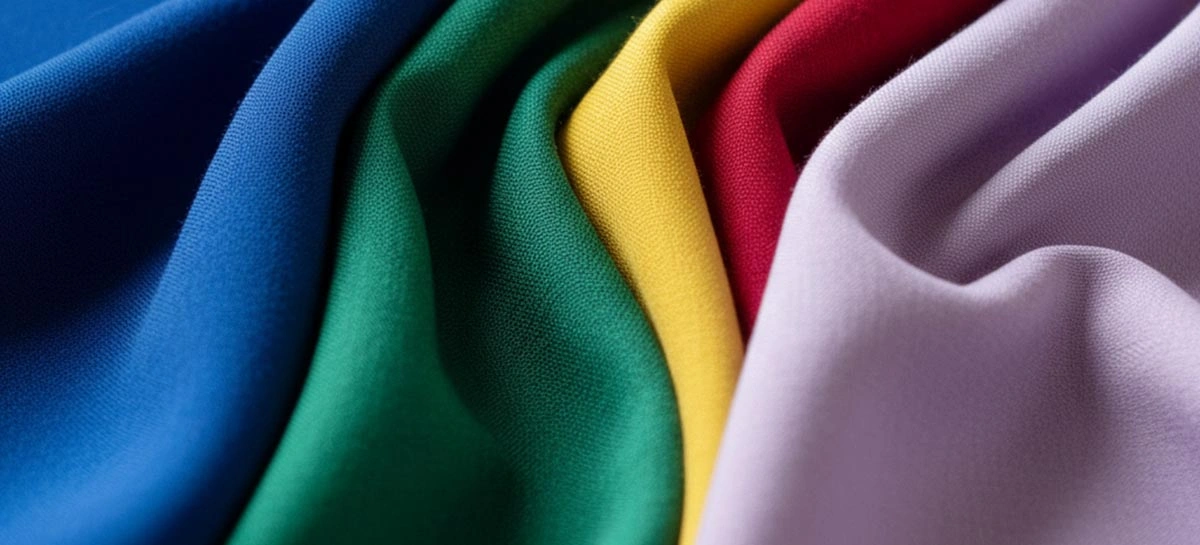
Common B2B uses: soft blouses and dresses, summer apparel, activewear such as running shorts and T-shirts, linings, rayon sheets and lightweight home textiles, and decorative applications paired with rayon embroidery thread, especially in the fashion industry where drape-driven garments matter.
What Is Cotton Fabric? (The Natural-Fiber Baseline)
Cotton is a 100% natural fiber spun from the boll of the cotton plant, and it remains the reference point buyers measure other apparel fabrics against because of its strength, absorbency, and wash tolerance. Unlike rayon, cotton is more breathable and durable, while rayon has a softer, silk-like hand that feels more like a luxurious fabric; unlike cotton, it does not keep as much strength when wet. Premium grades such as egyptian cotton command higher prices for longer staple fibers, a higher thread count, an ultra soft fabric feel, and premium positioning.
Cotton is a renewable resource, but conventional cotton is water-intensive and often grown with synthetic pesticides and fertilizers, while organic cotton is more eco friendly because it is grown without synthetic pesticides or fertilizers.
Key features of cotton fabric:
-
100% natural fiber, easy to position as natural or organic
-
Strong and durable, both dry and wet
-
Highly absorbent and skin-friendly for sensitive skin
-
Handles frequent washing and machine wash without losing shape
-
Wrinkles, but less than rayon
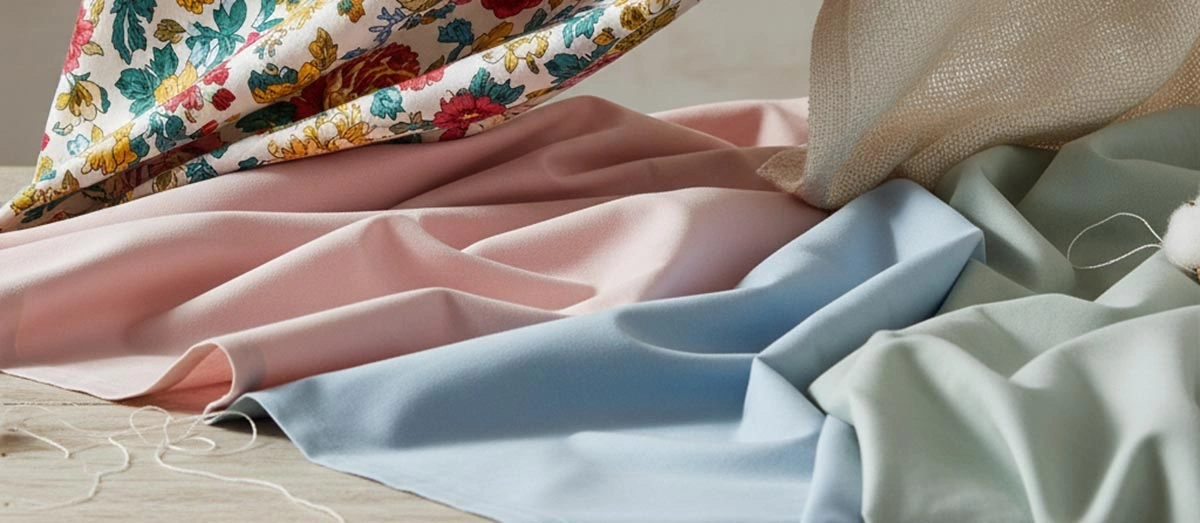
Common B2B uses: T-shirts and everyday wear, cotton sheets and bedding, workwear and uniforms including durable school-uniform fabric, and craft-focused products like milk cotton hand knitting yarn.
Rayon and Cotton in Different Applications
Because the two fabrics trade strengths, no single winner exists across categories, and when buyers compare both rayon and both cotton across applications, the best fabric depends on whether appearance, wash durability, or comfort matters most. Rayon leads where drape, a softer hand, and hot-weather comfort matter most; cotton leads where wash durability and everyday wear dominate. Use this application view to match base fabric to end use before you request a quote.
| Application | Rayon | Cotton |
|---|---|---|
| Fashion / drape-driven apparel and formal or stylish uniforms | ★★★★★ | ★★★ |
| T-shirts | ★★★ | ★★★★★ |
| Bed sheets | ★★★★ (rayon sheets) | ★★★★★ (cotton sheets) |
| Hot-weather clothing | ★★★★★ | ★★★★ |
| Everyday / frequent-wash wear and uniforms | ★★ | ★★★★★ |
Rayon is often more wrinkle resistant in wear, while cotton wrinkles more and may need ironing after washing.
Why Many Buyers Choose Rayon–Cotton Blends
For a lot of production programs, the smartest answer to "rayon or cotton" is "both": both cotton and rayon bring different strengths, with rayon adding drape and cotton adding structure, while blends and added fibers can improve durability or stretch. Blends also cut the wrinkle and wet-strength weaknesses that pure rayon carries. The right blend ratio is itself a spec line: a 60/40 versus 70/30 split changes hand, cost, and shrinkage.
Common blends and what they add: Buyers who want rayon’s drape but need higher durability and easier care often move into TR fabric (polyester-rayon suiting blends) for uniforms and tailored garments.
-
Rayon + polyester → adds durability and wrinkle resistance, holds shape better than pure rayon and is a common base for TTR 90/10 shiny suiting fabric in trousers and uniforms
-
Cotton + spandex → adds stretch and recovery for fitted apparel, and cotton has better natural elasticity than rayon, especially in knit constructions, while collars and trims may use polyester rib knit fabric for polo shirts
-
Cotton + polyester → wrinkle resistance and lower cost for workwear and uniforms, including options like T/C 80/20 twill workwear fabric; e.g. TC 65/35 polyester-cotton twill
-
Rayon + cotton + spandex / poly → balanced drape, comfort, and recovery, and rayon lacks elasticity unless blended with spandex, as in polyester-spandex stretch woven fabric
In sustainability terms, rayon sits between fully natural cotton and other synthetic fabrics: it is less eco-friendly than natural fabrics, but often better than many synthetic materials and synthetic fabrics. When you spec a blend, put the ratio, total GSM, and finish in writing so lots stay consistent across reorders.
Sourcing Rayon & Cotton from MH (Supplier Overview)
MH (Ningbo MH), established in 1999 with 25+ years in textiles, is a China-based fabric and garment-materials supplier serving buyers in over 150 countries, and rayon, cotton, and their blends are core to a catalog built for wholesale and production volume. That footprint lets a wholesaler consolidate fabric, thread, and trims under one source instead of managing a dozen.
For garment manufacturers, importers, and home-textile wholesalers, working with a supplier at this scale means:
-
Consistent lots — rayon, cotton, and blended fabrics woven to repeatable GSM, hand, and shade across reorders.
-
One-stop materials — pair the base fabric with matching 100% spun polyester sewing thread 40/2, broader wholesale sewing thread options for industrial production, polyester core spun sewing thread 50/2 for high-stress seams, spun polyester sewing thread, rayon embroidery thread, and related trims from one supplier.
-
Broad range — from natural cotton to viscose and modal rayon, blends, and adjacent bases like chiffon and polyester taslon for outdoor wear.
-
Custom specs — fiber, blend ratio, GSM/denier, width, and finish specified to your production needs, with MOQ discussed up front.
If you’re comparing rayon or cotton quotes, ask any supplier for fiber base, blend ratio, GSM/denier, finish, width, MOQ, and lead time in writing. MH’s team quotes against those same variables so you can compare like-for-like.
Browse the fabric range for a spec-based quote →


Frequently Asked Questions
Is rayon better than cotton?
Neither is universally better; in cotton vs rayon, it depends on the end use and often comes down to selecting the best fabric for bedding, uniforms, or apparel. Rayon offers a silky drape, cooler hot-weather feel, and lower cost, while cotton offers stronger wet performance and better wash durability. For drape-driven fashion, rayon usually wins; for frequently laundered apparel, bedding, and workwear, cotton or a blend is the safer spec among popular fabrics.
Is rayon a natural or synthetic fabric?
Rayon is semi-synthetic rather than one of the other fabrics or a fully synthetic material. It's regenerated from natural cellulose (wood or bamboo pulp) but the fiber is created through a chemical process, so it sits between natural fibers like cotton and true synthetics like polyester. This is why it's classed as a regenerated-cellulose fiber rather than a natural fabric.
Does rayon shrink or weaken more than cotton?
Yes. Rayon loses a significant share of its strength when wet and is more prone to shrinking and losing shape with repeated washing than cotton, which stays strong when damp. It can often be machine washed, but usually with more care than cotton depending on the finish or blend. For laundered products, buyers often choose cotton or a rayon blend (with polyester) to improve durability.
What should I specify when ordering rayon or cotton fabric?
Specify fiber type (viscose/modal rayon, cotton, or blend), blend ratio, GSM or denier, weave, finish, width, color, MOQ, and lead time. Providing these upfront lets a supplier like MH quote accurately and hold consistent lots across reorders.
