
How Are Resin Buttons Made in Industrial Manufacturing?
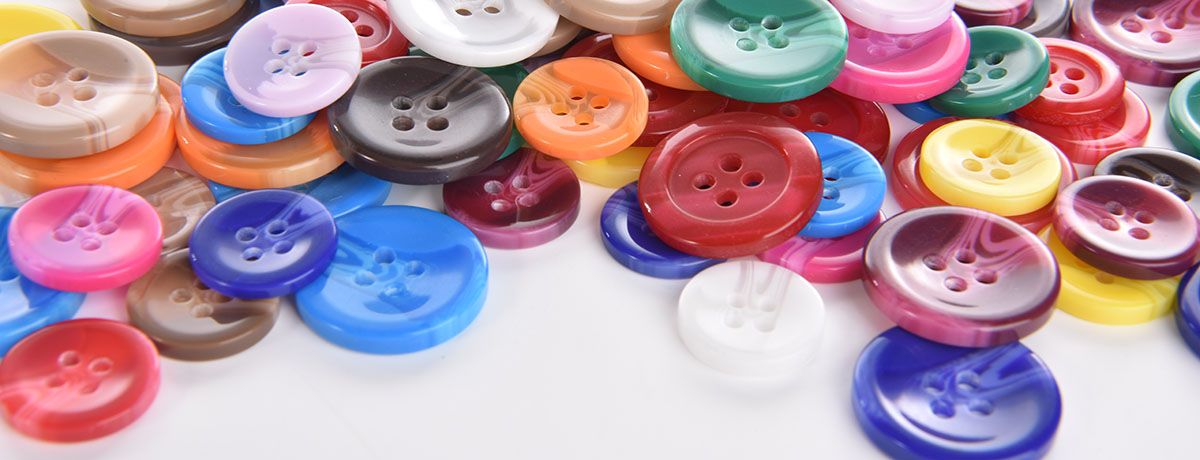
Resin buttons offer garment manufacturers a durable, customizable fastening solution suitable for large-scale production.
Polyester resin buttons are valued for their strong durability, consistency, and smooth surface finish. The material allows for precise shaping, clean edges, and uniform color, making each button visually consistent and dependable over time. Resin buttons are durable, lightweight, and versatile fasteners made from synthetic materials like unsaturated polyester, epoxy, or bioresin. Compared to standard plastic buttons, resin buttons are harder, more heat-resistant, and have a premium feel.
They can mimic the look of luxury materials such as shell, horn, or wood, but are more affordable and easier to produce. Resin buttons can be produced in any color, including pearlescent and transparent, and can be customized with various colors and embellishments to suit any design. They are resistant to cracking, scratching, fading, and high heat, ensuring long-lasting performance.
The flexibility of polyester resin allows it to take on a wide range of colors and finishes, such as matte or gloss, while maintaining a naturally polished appearance. Bioresin is a sustainable, plant-based option that is hypoallergenic, and some specialty resin buttons are made from biodegradable milk protein. Modern bio-based resins help reduce environmental impacts while maintaining strong durability and quality.
This guide outlines the technical process for creating resin buttons, from material selection through finishing, with emphasis on quality control and production efficiency.
Quick Overview
Before beginning production, manufacturers should establish clear specifications. Define the intended button size based on garment requirements and end-use applications. Choose the appropriate resin type—epoxy resin provides superior clarity and strength, while polyester resin offers faster cure times for high-volume operations. It is important to follow the manufacturer's instructions for mixing and curing, as accurate adherence to these instructions ensures optimal results and prevents issues during the resin button crafting process.
Essential Supplies
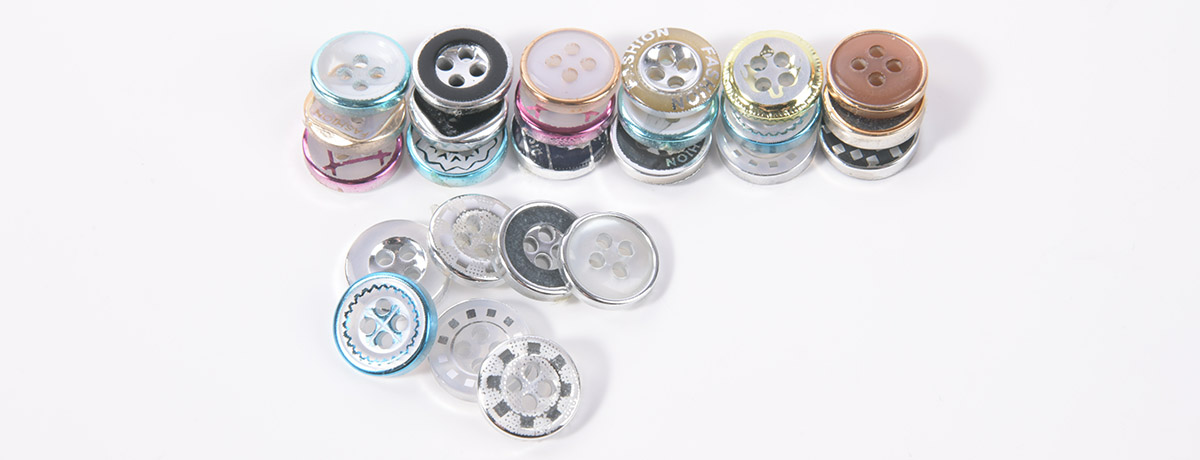
Successful resin button production requires specific materials and equipment. Purchase silicone button molds designed for commercial use, ensuring they include shank options for varied attachment methods. Acquire a quality resin kit that includes both resin and hardener in appropriate ratios for your production volume. To make DIY resin buttons, you will need a silicone button mold, resin, and various embellishments like glitter or charms. Select pigments—either mica powders or liquid colorants—based on desired aesthetic outcomes, and you can add glitter, charms, or other decorative elements to customize your buttons.
There are lots of different supplies and embellishments available for resin crafting, allowing for endless creative possibilities. In addition to button production, garment factories may also require specialized equipment like a snap button press machine to handle other fastening tasks efficiently. Stock disposable mixing cups, precision stir sticks, protective gloves, and batch identification labels to maintain production organization.
Curing and Demolding
Cover filled molds to prevent dust contamination during the curing process. After mixing your resin, pour it carefully into the molds to create the buttons. It is important to wait for the full curing time as specified in your resin kit instructions before attempting to remove the buttons—this ensures the resin becomes hard and durable. The curing process can be hard because it requires patience, but most resin buttons are ready in 24 hours. Once fully cured, you can pop the buttons out of the molds by gently flexing the silicone, taking care not to use excessive force that could damage either the button or the mold itself. Many crafters have found that waiting patiently during curing leads to better results and a smoother finish.
Cleanup and Paper Towels
Maintain clean work surfaces by wiping resin spills immediately with paper towels. We recommend using isopropyl alcohol and paper towels to clean up resin spills, as water should not be used for this purpose. Clean mixing tools and work surfaces with isopropyl alcohol while resin remains uncured. Dispose of used paper towels and contaminated materials according to local industrial waste regulations, as cured resin cannot be recycled through standard channels.
Costs and Additional Cost Considerations
Calculate total production costs accurately for informed pricing decisions. Initial tool purchases include molds, mixing equipment, and safety gear. Determine resin cost per button based on volume, cure time, and yield rates. Budget for replacement molds as silicone degrades with repeated use. Factor in material waste from testing, spillage, and rejected units when establishing production budgets.
Project Ideas and Small Batch Strategies
Manufacturers can create matching hand-crafted resin button sets for coordinated garment collections, ensuring color and finish consistency across product lines. Small resin buttons are often used on shirts and blouses, while larger ones are perfect for jackets and coats made from flowing materials such as wholesale chiffon fabric. Resin buttons are also popular for making unique jewelry items such as earrings, necklaces, and pendants, making the craft both fun and versatile. Use small batch production for color experimentation and custom client requests, allowing you to personalize buttons with embellishments or colors to achieve the exact look you wanted, before committing to large-scale runs. Crafters love the creative process and the lasting value—sometimes treasured forever—of handmade resin buttons. Package buttons in organized sets for efficient inventory management and client presentation.
MH: Your Partner for Bulk Fastening Solutions
MH operates as a Make-to-Order (MTO) B2B integrated manufacturing and trading textile company, serving professional buyers, wholesalers, and garment factory owners globally. While resin buttons represent one specialized product category, MH's comprehensive fastening solutions include custom B2B zipper solutions, wholesale sewing threads, high-quality embroidery threads, 150D/2 rayon embroidery thread, spun polyester sewing thread, 40/2 spun polyester options, polyester sewing thread lines, ribbons, lace, and bag and luggage accessories for wholesale orders manufactured to industrial quality standards.
Our supply chain reliability and large-scale production capacity support businesses requiring consistent, high-volume orders. With proven global export expertise—particularly throughout Latin America—MH delivers the materials manufacturers need to maintain production schedules and meet quality benchmarks. Contact MH to discuss your bulk procurement requirements and establish a long-term partnership built on dependable service and manufacturing excellence.