
How Do B2B Buyers Choose Ring For Curtain for Window Treatment Projects?
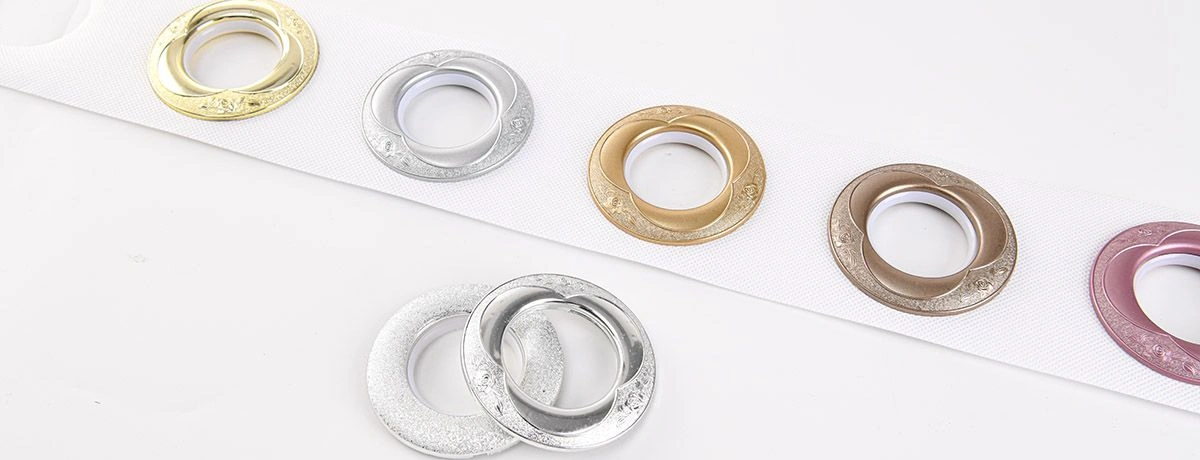
Curtain hardware plays a critical role in the textile and garment manufacturing industry. For wholesalers, distributors, and garment factory owners, sourcing the right components ensures the final product meets commercial quality standards. A ring for curtain applications is a fundamental accessory that directly impacts the functionality and durability of window treatments.
Understanding the specific mechanics, materials, and sizing of these rings allows bulk buyers to make informed procurement decisions. Sourcing the correct hardware prevents supply chain disruptions and ensures seamless integration with large-scale curtain manufacturing processes.
Many suppliers offer curtain hardware as a package, including rings, brackets, and rods, providing a convenient all-in-one solution for large-scale projects.
MH, a leading B2B integrated manufacturing and trading textile company, provides comprehensive solutions for garment factories and wholesalers and is recognized globally as a top provider of garment accessories and tailoring materials. This guide outlines everything professionals need to know about specifying, selecting, and ordering curtain rings for commercial distribution and industrial manufacturing.


Hanging Curtains Overview
Curtain rings serve a simple yet vital purpose in window treatment systems. They connect the curtain fabric to the rod, allowing the textile to slide open and closed with minimal friction. This hardware is essential for heavy drapery and commercial-grade window coverings.
Common hanging setups typically involve a horizontal rod mounted above a window frame. The curtain panels attach to the rod using rings, grommets, or track systems. Industrial buyers often select ring-based systems for their adaptability across various fabric weights and styles.
The main types of curtain rings include clip-on rings, curtain grommets and eyelet rings, C-rings, and roller rings.
The primary benefit of using a ring for curtain systems is the smooth, reliable movement it provides. Buyers can choose from a variety of ring types to suit their specific needs. Unlike rod-pocket curtains that can catch or drag, metal or high-grade plastic rings glide effortlessly along the rod. This reduces wear and tear on the fabric header, extending the lifespan of the commercial product.
What Is a Curtain Ring
A curtain ring is a circular piece of hardware designed to fit loosely around a curtain rod. Its basic function is to suspend the curtain fabric while maintaining mobility. The ring typically features a secondary attachment point, such as a small eyelet or clip, which secures the textile.
When procuring hardware for large-scale production, factory owners must specify the correct internal diameter. Common ring sizes range from 1 inch to 3 inches in diameter. The selected size must comfortably clear the intended rod thickness to guarantee smooth operation.
Manufacturers often prefer rings over grommets when dealing with pleated drapes or delicate fabrics that cannot withstand the punching process required for grommet installation. Rings also allow end-users to detach the fabric easily for commercial laundering.
Types of Curtain Ring
Clip Rings
Clip rings feature a spring-loaded tension clip attached to the base of the ring. Clip-on rings use a small alligator clip to grip the top of curtain fabric directly. Factory owners frequently procure these for lightweight to medium-weight fabrics. They offer a fast, sewing-free attachment method, making them popular for commercial environments that require frequent curtain changes.
To ensure product quality and reliability, buyers should review customer feedback or testimonials on clip rings before making a purchase.
Eyelet Rings
Eyelet rings possess a small, closed loop at the bottom. These require the curtain fabric to have sewn-in hooks or drapery pins. Garment factories use eyelet rings for heavy, tailored draperies, such as pinch-pleat designs found in hospitality settings, where structured polyester spandex stretch woven fabric may be specified for durability and drape.
Loop Rings
Loop rings operate similarly to eyelet rings but often feature a wider, more open secondary loop. They are typically used with specific commercial drapery hooks that require more clearance for articulation.
Decorative vs. Functional Rings
Plain, functional rings prioritize durability and smooth operation, often remaining hidden behind the fabric header. Decorative rings, conversely, are designed to be visible. They feature thicker profiles and ornate finishes to complement high-end interior hardware systems. Decorative rings can provide a nice finishing touch to upscale interiors. Metal rings are durable and ideal for modern styles, while wood rings add warmth and are suitable for traditional décors.
Curtain Ring Materials and Finishes
Wholesalers must select materials that align with their target market's durability expectations. Metal finishes, such as stainless steel, brass, and iron, offer superior strength and longevity. These materials easily support heavy commercial drapes without warping and integrate seamlessly with MH’s broader range of curtain fabrics, rods, rings, and accessories.
Plastic finishes provide significant cost benefits for large-scale procurement. High-density polymers offer lightweight performance and operate quietly on metal rods. Plastic rings are highly resistant to corrosion, making them highly suitable for specific environments.
For high-humidity rooms like hotel bathrooms or tropical resorts, suppliers should specify rust-resistant finishes. Stainless steel, coated aluminum, or heavy-duty plastic rings prevent oxidation and maintain their structural integrity over time.
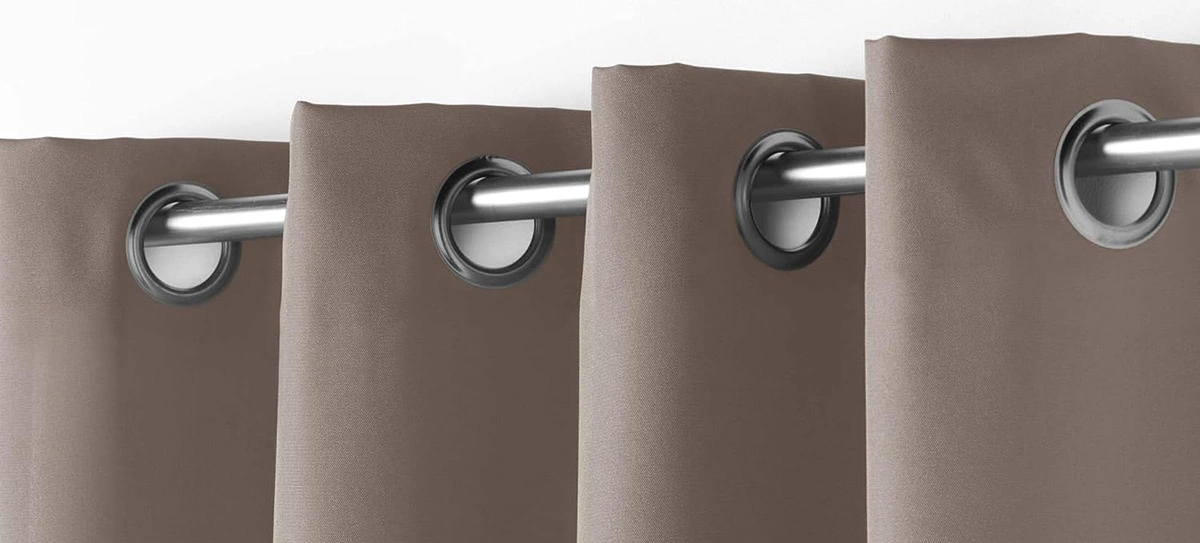
Installing Curtain Rod and Rings
Proper installation requires spacing the rings evenly along the rod to ensure uniform fabric folds. Installers slide all necessary rings onto the rod before mounting the final bracket to the wall. For a polished look, the last ring should be positioned outside the bracket to keep the curtain close to the end of the rod.
Once installed, testing the curtain movement is essential. The rings should pass smoothly over any rod splices or support brackets without catching. Curtains should fully cover the hardware, including rings and brackets, for a neat and professional appearance. For better support, especially with heavy curtains, it is recommended to attach curtain rods to wall studs, as modern homes may not always have sufficient structural integrity.
Using Curtain Clips
Curtain clips offer a versatile solution for temporary or highly adaptable commercial spaces. They are used when curtains lack pre-sewn pleats or hook tape, for example when lightweight wholesale chiffon fabric panels are installed quickly for events or seasonal décor.
To attach clips to the curtain fabric, the installer simply presses the spring mechanism and clamps it onto the top hem. For a professional appearance, wholesalers recommend spacing the clips evenly—typically every 4 to 6 inches—to create consistent pleats.
Testing the clip grip before full installation is crucial. Heavy commercial fabrics may slip if the clip tension is insufficient for the textile's weight, similar to how robust fasteners are essential for securing bag and luggage accessories in MH’s product range.
How To Hang Curtains
Garment factories prepare curtains for ring systems by hemming the top edge and adding stiffening tape or pleater hooks, using durable 100% spun polyester sewing thread to withstand repeated commercial laundering. This preparation ensures the header remains crisp and upright when suspended.
We suggest using 10-12 rings for heavy or blackout fabrics and 8-10 rings for lighter fabrics on a 50-inch panel to prevent sagging.
Workers or installers attach the rings or clips to the curtains before lifting the entire assembly, ensuring all seams are reinforced with 40/2 polyester sewing threads for commercial use. This method is safer and more efficient than attempting to attach heavy fabric to pre-hung hardware.
The installation team then lifts the rod into the mounted brackets with the curtains already attached. Final adjustments involve repositioning the rings to ensure the curtain length hangs perfectly parallel to the floor.
FAQ
How many rings per curtain panel should be used?
Industry standards recommend using one ring every 4 to 8 inches of panel width. A standard 50-inch commercial panel typically requires 7 to 10 rings to drape correctly without sagging.
Do rings work with all curtain fabrics?
Yes, rings are highly adaptable. However, the attachment method varies. Heavy fabrics require eyelet rings and sturdy metal hooks, while lightweight sheers can utilize simple clip rings.
How can hooks be converted to clip systems?
Facilities can easily transition by removing the existing drapery pins from the fabric header and clamping new clip rings directly onto the top hem of the curtain.
Partnering with a Reliable B2B Supplier
Procuring the correct hardware ensures the success of commercial window treatment projects. From selecting the proper ring diameter to choosing high-humidity finishes, understanding these technical details allows wholesalers and factory owners to optimize their inventory. MH invites buyers to test sample rings and hardware to verify quality before committing to bulk purchases. As promised, MH offers comprehensive solutions, including the option to add silencers to rings to reduce noise and prevent scratching of the curtain rod during operation.
MH is a Make-to-Order (MTO) supplier specializing in large-scale production capacity. We do not sell ready stock, but manufacture every order precisely to your commercial specifications. Buyers can shop a wide range of curtain hardware solutions, making it easy to find exactly what they need. For a cohesive look, you can pair rings with matching brackets and rods. MH's hardware is engineered to hold even the heaviest drapes securely, providing added security and stability for demanding commercial installations. Our customers love the quality and reliability of our products, and it is fine to choose non-traditional hardware options if they best suit your project. With extensive global export expertise, particularly across Latin America, MH provides unmatched supply chain reliability for your textile and hardware procurement needs.
