
What Are Rivets on Jeans and Why Are They Essential in Denim Manufacturing?
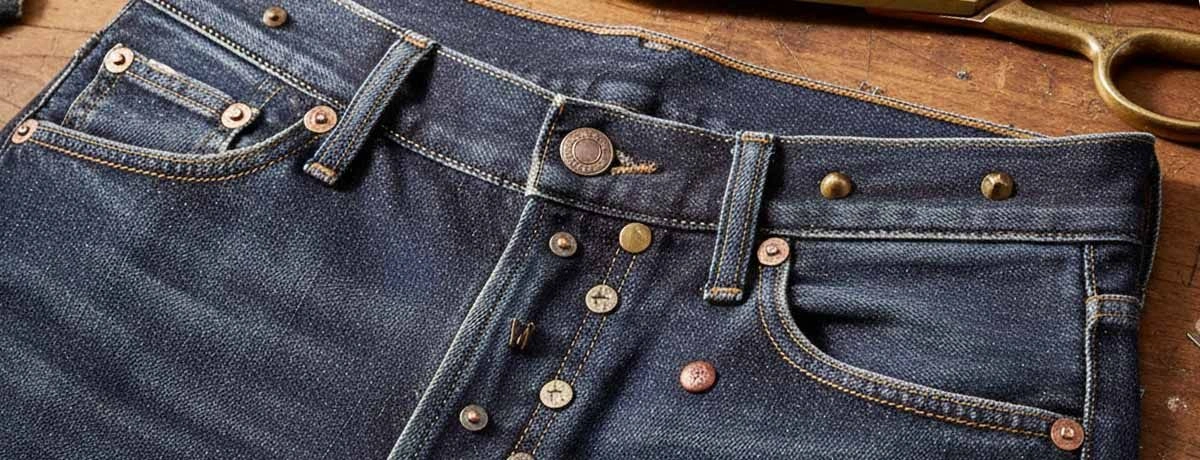
Rivets are fundamental components in denim manufacturing, providing essential structural integrity and brand identity to garments. The origin of rivets on jeans dates back to the early 1870s, when Jacob Davis, working in Reno, Nevada, invented and patented the use of copper rivets with Levi Strauss to reinforce stress points on work pants. This invention marked the beginning of blue jeans as we know them, establishing rivets as a key element in the history and identity of denim workwear. Iconic Levi’s jeans, along with other big American denim brands like Lee and Wrangler, are recognized as the 'Big 3' leaders in the industry, shaping the legacy of riveted blue jeans worldwide.
For garment factory owners and wholesalers sourcing materials for large-scale production, understanding rivet types, materials, and sustainable alternatives is crucial for optimizing assembly lines. Most rivets are round-shaped and have similar measurements, with the standard size for jeans rivets typically around 9.5mm in diameter. MH, a leading B2B integrated manufacturing and trading textile company, offers high-quality, make-to-order (MTO) tailoring materials to meet these exact industrial demands, drawing on its broad global network for garment accessories and tailoring materials.
Introduction to Denim Rivets
Denim rivets are small but essential metal fasteners used to reinforce key stress points on jeans, such as back pockets and access points. Originally introduced to strengthen denim fabric and prevent tearing at high-wear areas, rivets have become a defining feature of jeans and pants worldwide. The idea of using rivets in denim manufacturing dates back to the late 19th century, when Levi Strauss and Jacob Davis patented the use of copper rivets to improve the durability of work pants.
Today, rivets are found on a wide range of jeans, from iconic Levi’s jeans to unbranded jeans, and are available in various finishes, including antique brass and silver. These small components not only protect denim fabric from everyday wear and tear but also serve as a canvas for branding, allowing manufacturers to showcase their identity through unique designs and finishes. Over time, the evolution of rivets has led to the development of different types, such as flat rivets for a low-profile look and hidden rivets that are concealed beneath the denim fabric to minimize surface abrasion. Additionally, bar tacks—reinforced stitching at stress points—have emerged as an alternative to traditional rivets, offering manufacturers more options for reinforcing pockets and access points while maintaining the integrity and style of the garment.
The Function of Rivets in Denim Production
In garment construction, rivets serve three primary functions: structural reinforcement, pocket protection, and brand identification. The main reason for using rivets on jeans is to reinforce pockets and provide durability, especially in areas subject to frequent stress. Manufacturers typically place them at common stress points on standard five-pocket jeans, such as the corners of the front and coin pockets. The placement of rivets is strategic, typically positioned at the corners of front pockets and the base of the button fly to distribute mechanical stress evenly. These small metal fasteners prevent seams from tearing under heavy tension.
The choice of hardware directly influences both the durability and the recyclability of the final denim garment. As a result, selecting the correct rivet profile is a major strategic decision for bulk production runs. Rivets matter not only for their functional durability but also as defining elements of denim style, associated with both heritage workwear and contemporary fashion.
Exploring Rivet Shapes, Sizes, and Materials
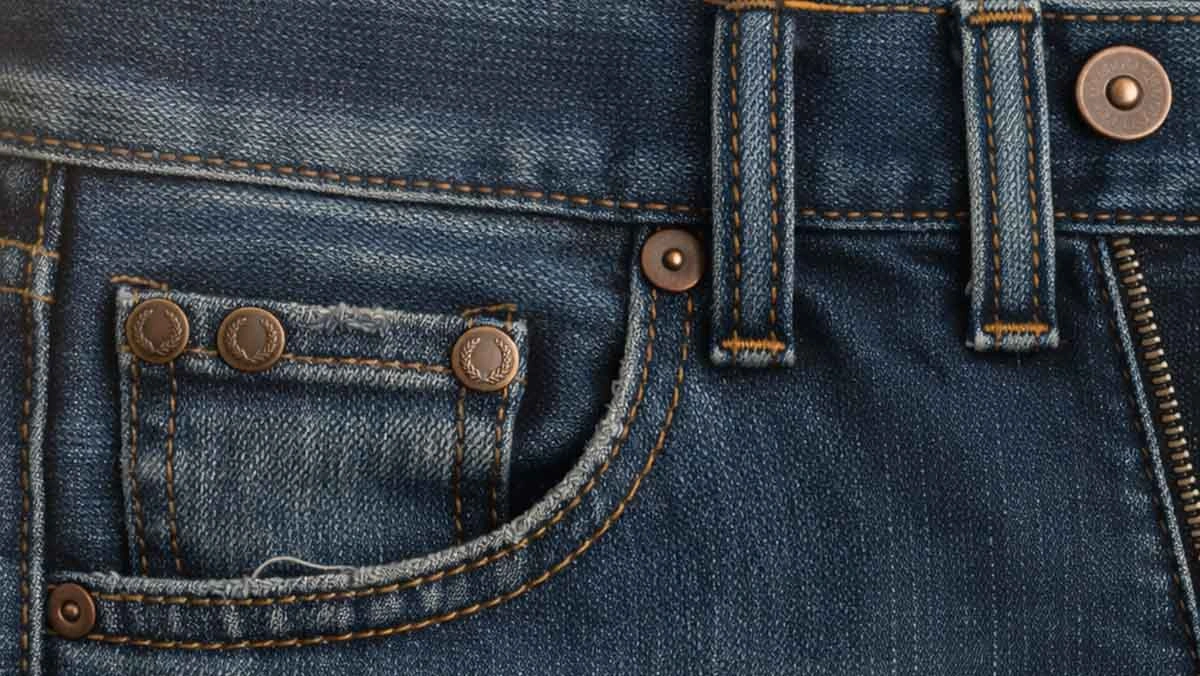
Garment factories utilize several different types of rivets depending on the design requirements of the specific apparel line, often pairing them with reliable polyester sewing threads for denim construction. Standard diameters usually cluster around 9.5 to 9.6 mm.
-
Dome (Cap) Rivets: This is the classic, raised style. Manufacturers often use dome rivets to showcase visible branding and provide substantial holding strength.
-
Flat Rivets: These sit low against the fabric. They offer a lower profile, which significantly reduces abrasion to external surfaces.
-
Specialty Rivets: Options like UFO, inverted-nipple, and "peek-a-boo" styles show fabric through the head, offering distinct design elements for fashion-forward denim.
-
Materials: Common industrial materials include copper, brass, and nickel-free alloys. MH sources premium materials to ensure unparalleled performance and durability for global export as part of its wider textile manufacturing and accessories operations.
Comparing Flat and Dome Rivets for Industrial Use
Choosing between flat and dome rivets involves balancing strength, appearance, and practical use cases. Flat rivets reduce surface scuffing on furniture and provide a sleeker aesthetic. Some modern manufacturers prefer flat rivets specifically for fashion-oriented or furniture-safe product lines.
Conversely, dome rivets traditionally offer a higher mechanical gripping force due to their thicker head profiles. However, actual holding strength often depends more on the tack length and the specific factory setting process, as well as compatible industrial embroidery and decorative threads, rather than the head shape alone. Proper machinery calibration during bulk assembly is essential.
The Role of Hidden Rivets
Hidden rivets are rivets on the back pockets of jeans that are covered by an extra layer of denim fabric to hide them from view and protect external surfaces, such as furniture and leather saddles, from scratching. The invention of hidden rivets was a direct response to complaints that exposed rivets would scratch furniture and leather horse tack. Levi's introduced hidden rivets in 1937 to address these issues. In contrast, Lee jeans do not use rivets on their back pockets to prevent scratching of furniture.
Over time, however, hidden rivets can eventually tear their way through the denim fabric due to repeated friction. In the mid-1960s, Levi's replaced hidden rivets on the back pockets of their jeans with bartacks to solve this problem. Replacing metal components with bartacks effectively addresses long-term fabric-tear concerns and streamlines production workflows.
Sustainability and Recycling in Denim Assembly
Many in the denim industry agree that the environmental impact of rivets is significant, and it is now allowed and even encouraged to explore alternatives like bar tacks to improve recyclability. Commenting on this shift, some manufacturers cut down on the number of rivets or send jeans without them to make recycling easier. Thought has also shifted toward rethinking the necessity of rivets, especially as many modern jeans use rivets as decorative elements due to improvements in thread strength that reduce the need for metal reinforcement. Rivets are typically made from metals such as copper, brass, or aluminum, which are allowed for their durability and corrosion resistance, with copper and brass rivets preferred for their durability in denim garments.
Metal rivets complicate whole-garment recycling. Facilities must remove metal components before fiber processing can begin. Because of this, industry guidance and brand commitments now recommend minimizing metal components in mass-market jeans.
Bartacks and stitch reinforcements are widely adopted, sustainable alternatives that ease recycling workflows. While heritage or premium denim lines often retain traditional metal rivets for authenticity, integrating sustainable fastening methods is highly beneficial for modern, high-volume apparel brands looking to meet eco-friendly standards, especially when combined with lighter-weight fabrics like wholesale chiffon fabric for complementary product lines.
Partnering with MH for Make-to-Order Denim Hardware
MH is dedicated to supporting professional B2B buyers with industrial quality standards and long-term partnership value. To ensure the highest quality and freshness, we operate on a Make-to-Order (MTO) basis and do not hold inventory. This approach allows us to tailor production entirely to your specific requirements, from custom denim hardware to B2B zipper solutions for apparel manufacturing, focusing on supply chain reliability and large-scale production capacity.
With deep expertise in global export—especially across Latin America—MH empowers you to optimize your operations and achieve your business goals, whether you are sourcing denim rivets or broader bag and luggage accessories for wholesale manufacturing. Contact our team to discuss your bulk procurement needs and secure reliable, high-quality hardware for your next production run.