
How Can B2B Buyers Source Satin Fabric Wholesale at Scale?
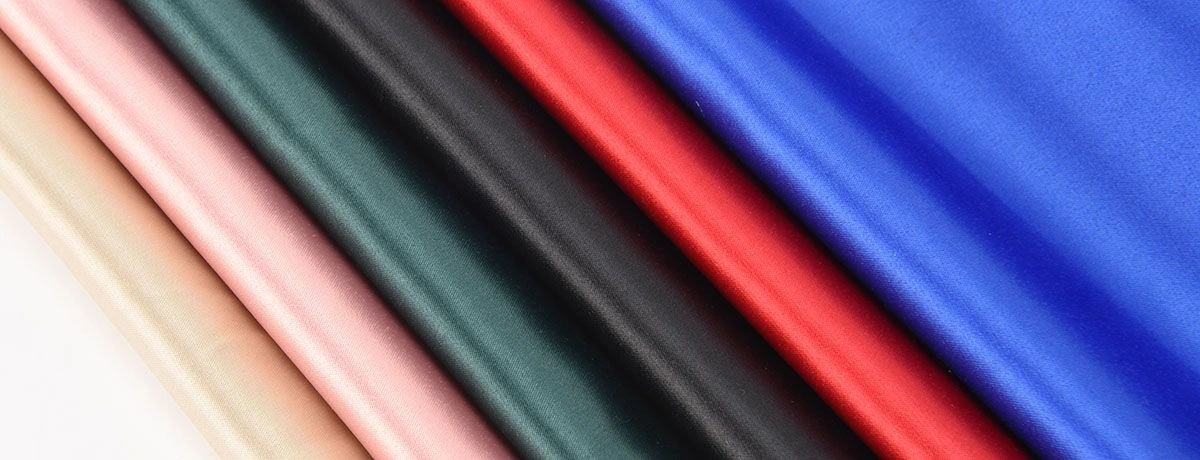
Satin is synonymous with luxury, elegance, and sophistication. Satin fabric is a luxurious and elegant type of fabric that is soft, shiny, and smooth. From the flowing gowns of a bridal party to the premium lining inside a luxury gift box, satin elevates the perceived value of any product.
However, for B2B buyers—whether you are a garment manufacturer, a fashion designer, or a packaging wholesaler—sourcing the right satin fabric can be complex. The term “satin” is often misunderstood, and choosing the wrong weight, weave, or material can lead to production issues like yarn slippage or poor drape. Satin is absolutely suitable for a wide range of applications, making it a versatile choice for DIY projects, event planning, home decor, clothing, and decorative uses.
In this comprehensive guide, we break down everything you need to know about wholesale satin fabric, helping you make informed purchasing decisions for your specific business needs.
What is Satin Fabric? Understanding the Weave
The most common misconception in the textile industry is that satin is a raw material. Satin is actually a weave, not a fiber.
The satin weave is characterized by four or more fill or weft yarns floating over a warp yarn, or vice versa (4 over, 1 under). These “floating” threads maximize the light reflection on the fabric’s surface, creating that signature high-gloss, smooth satin finish we all recognize.
While satin can be made from silk, nylon, or wool, Polyester Satin has become the industry standard for B2B wholesale. It offers the luxurious look of silk but with significantly higher durability, better color fastness, and a more competitive price point.
Satin fabric can range in weight, stretch, and luster, depending on the fiber and weave.
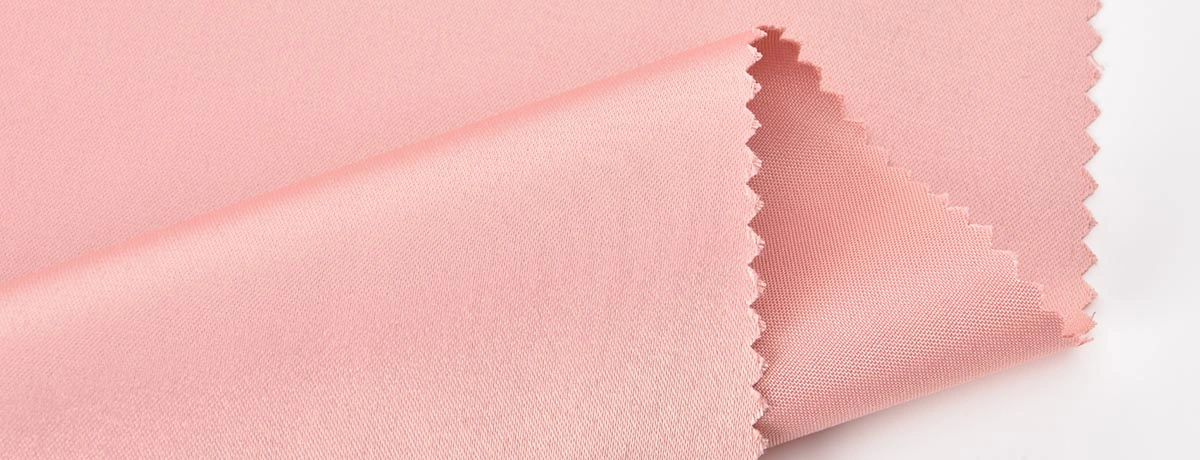
Popular Types of Satin Fabric for Wholesale
Not all satins are created equal. Depending on your end product, you will need to choose the specific type of weave and finish.
1. Bridal Satin (Duchess Satin)
Duchess satin is the heavy-hitter of the satin world. It is a high-thread-count, heavy fabric with a stiff finish. High-quality satin fabric should have a rich, even shine and a smooth, soft texture, while lower-quality synthetics may feel stiff or rough.
-
Best for: Wedding gowns, structured evening wear, and corsetry.
-
Why Buyers Choose It: It is well suited for structured evening wear and bridal gowns because it holds its shape incredibly well, allowing for voluminous skirts without the need for excessive petticoats.
2. Charmeuse Satin
If Duchess is about structure, Charmeuse is about flow. It is lightweight, extremely soft, and has a “liquid” drape. It usually has a very shiny front and a dull back.
-
Best for: Sleepwear, lingerie, bias-cut dresses, blouses, and scarves.
-
Why Buyers Choose It: It mimics the hand-feel of real silk at a fraction of the cost and is highly versatile for different garments and accessories.
3. Stretch Satin
By blending a small percentage of Spandex (usually 3% to 5%) with polyester, stretch satin offers flexibility.
-
Best for: Fitted evening gowns, bodycon dresses, dancewear, and event costumes.
-
Why Buyers Choose It: It provides comfort and ease of movement, which is crucial for modern fitted garments.
Lighter stretch satins are also popular for craft projects due to their flexibility and ease of use.
4. Polyester Lining Satin / Taffeta Satin
This is a lighter, more crisp version often used for functional purposes rather than the main garment body.
-
Best for: Suit linings, bag interiors, and gift box packaging.
-
Why Buyers Choose It: It is anti-static, durable, and highly cost-effective. When ordering lining satin for large-scale production or packaging, specifying the required quantity and fabric width is essential to ensure optimal pricing and efficient fulfillment.
Key Applications: Choosing the Right Satin for Your Project
Satin fabric is a key player in the fashion and textile industry due to its luxurious appeal and flexibility.
To ensure production quality, you must match the fabric specifications to the application.
Satin fabric is widely used in apparel such as evening gowns, bridal wear, lingerie, and blouses. In home décor, it is popular for bedding, cushion covers, and drapery, where its smooth surface and elegant sheen enhance the aesthetic appeal of curtains and other decorative window treatments. Satin is also used in accessories like ribbons and gift wraps.
For Bridal and Evening Wear
When sourcing for formal wear, GSM (Grams per Square Meter) is your most important metric. You typically need a heavier weight (150gsm+) to ensure the dress isn't see-through and hangs correctly.
-
Tip: Look for "Matte Satin" variants if you want a more modern, understated luxury look.
For Sleepwear and Lingerie
Here, skin-friendliness and breathability are paramount. High-quality polyester satin for sleepwear is often treated with softening agents to remove the “plastic” feel of cheap synthetic fabrics.
-
Critical Check: ensure the fabric has high color fastness (Grade 4+), especially for dark colors like red or black, to prevent staining onto skin or bedsheets.
For caring for satin fabric used in sleepwear and lingerie, gentle hand washing or using a delicate cycle with mild detergent is recommended to preserve the fabric’s quality.
For Gift Packaging and Decoration
For B2B packaging buyers, the visual impact is everything. You need a satin with High Lustre (High Shine), especially for event décor where presentation is key. The hand-feel is less important than the way it catches the light.
-
Recommendation: Use a slightly stiffer satin for box wrapping to ensure crisp corners, or a soft, fluid satin for interior bunching/lining. Satin fabric is also ideal for decorative uses at events, such as tablecloths, adding elegance to table settings. Additionally, satin fabric is suitable for home decor applications like curtains, cushion covers, and tablecloths.
Technical Specifications: How to Evaluate Quality
As a professional buyer, you should look beyond the photos. Wholesale buyers can access a wide selection of satin fabrics in various widths and specifications, allowing for tailored solutions to meet diverse project requirements. Here is a quick reference guide for evaluating satin specifications:
|
Application |
Recommended Weight (GSM) |
Key Feature to Check |
|---|---|---|
|
Lining / Packaging |
80gsm - 100gsm |
Anti-static finish, High Lustre |
|
Sleepwear / Blouses |
90gsm - 110gsm |
Soft hand-feel, Breathability |
|
Fashion Dresses |
120gsm - 160gsm |
Drape, Stretch (Spandex content) |
|
Bridal Gowns |
180gsm - 300gsm |
Stiffness, Structure, Opacity |
Note: The width of satin fabric (commonly 58 inches or 147 cm) is crucial for project planning, fabric coverage, and cutting flexibility, especially for applications like event draping, table décor, and garment production.
When sourcing satin fabric wholesale, quality assurance is essential. Check for colorfastness using ISO 105 or AATCC standards, ensuring a minimum grade 4+ on the Grey Scale to prevent fading. Look for OEKO-TEX Standard 100 certification to confirm the fabric is free from harmful chemicals, and the Global Recycled Standard to verify recycled content for sustainable options.
A Note on "Yarn Slippage"
Because satin has long floating threads, low-quality satin is prone to "yarn slippage" (where seams pull apart and show gaps).
Pro Tip: Always ask your supplier about the density of the fabric. Higher density construction prevents slippage and ensures the garment lasts longer.
Wholesale Pricing Considerations: What B2B Buyers Need to Know
When sourcing satin fabric at wholesale prices, B2B buyers must look beyond the initial cost per yard to ensure true value for their business. The quality of the satin fabric is paramount—luxurious sheen, smooth texture, and consistent color are essential for creating standout bridal gowns, evening wear, and high-end garments. Whether you’re seeking the elegance of silk satin, the practicality of polyester, or the softness of cotton, each fiber brings unique benefits to your collection.
Fiber content is another key consideration. Silk satin is prized for its luxurious feel and natural elegance, making it ideal for premium apparel and accessories. Polyester satin, on the other hand, is valued for its wrinkle resistance, easy care, and competitive pricing—perfect for large-scale production of garments, cushion covers, curtains, and upholstery. Cotton-based satins offer a soft, breathable option for lightweight blouses and pajamas.
Manufacturing & Customization Capabilities
At MH, we understand that off-the-shelf solutions don’t always fit specific brand needs.
-
Custom Dyeing: We can match any Pantone color. While we stock popular colors (Black, White, Champagne, Red), we offer Lab Dips for custom seasonal collections. Some custom or limited-run fabrics may be sold out quickly due to high demand, so buyers should act fast if interested.
-
Digital Printing: Want a floral pattern on satin for a summer collection? Our digital printing services offer vibrant, sharp results on polyester satin.
-
Finishing: We offer specialized finishes including water-repellency, anti-static treatments, and flame retardancy for specific market regulations. Buying satin by the bolt (typically 50–100 yards) enhances supply chain stability and reduces the risk of running out of material during production. Learn more about our customization options for polyester sewing thread to complement your fabrics.
To find reliable wholesale satin suppliers, consider searching online marketplaces such as Alibaba and Global Sources, attending textile trade shows like Texworld, or consulting manufacturer directories.
Frequently Asked Questions (FAQ)
Q: Is polyester satin breathable?
A: While not as breathable as natural silk, modern high-quality polyester satin weaves are designed to be lighter and airier than in the past. For sleepwear, we recommend specific lower-density weaves that allow for better airflow.
Q: What is the difference between Satin and Sateen?
A: It’s all about the fiber. “Satin” is the weave made with filament fibers (like silk, nylon, or polyester). “Sateen” is the same weave structure but made with staple fibers (like cotton). Sateen is less shiny and commonly used for bedding.
Q: What is your minimum order quantity (MOQ) for wholesale satin fabric?
A: Our minimum order quantity (MOQ) for wholesale satin fabric at least 3,000 yards depending on the product and supplier. Please specify the quantity you need when inquiring, as bulk pricing and discounts are based on the total quantity ordered. Orders can be continuous or combined up to full roll lengths.
Q: Can I request a physical fabric sample before placing a large order?
A: Yes, we highly recommend requesting physical fabric samples before placing large or bulk orders. This allows you to test color accuracy and the 'hand feel' of the satin fabric to ensure it meets your requirements.
Q: What are the cleaning instructions for satin fabric?
A: For cleaning satin fabric, dry cleaning is generally recommended to maintain its sheen and texture. If washing at home, always test a small area first. Use gentle detergents, cold water, and avoid wringing or twisting. Improper cleaning methods can damage the fabric, so follow care instructions closely.
Q: What are the benefits of wholesale ordering satin fabric?
A: Wholesale ordering offers significant cost savings, ensures color and quality consistency across your order, and provides a stable supply chain—essential for large-scale projects and ongoing production needs.
Q: Is satin fabric always sold at wholesale prices?
A: Yes, our satin fabric is always sold at wholesale prices, whether you purchase by the yard or in bulk by the roll. This ensures you receive the best value regardless of the quantity ordered.
Conclusion
Sourcing the right satin fabric is a balance between aesthetics, weight, width, and budget. Satin fabric typically comes in wide rolls, providing excellent coverage for event draping, table décor, and DIY projects. The width is especially important for these applications, as it affects coverage, cutting flexibility, and overall project planning. Whether you need the structured elegance of Duchess Satin for a bridal line or the cost-effective shine of packaging satin, understanding these technical details will save you time and money.
Ready to feel the quality?
We offer free sample swatches to B2B buyers so you can test the drape, shine, and color fastness before you commit to a bulk order.