
What Are Satin Labels and How Are They Used in Clothing Branding?
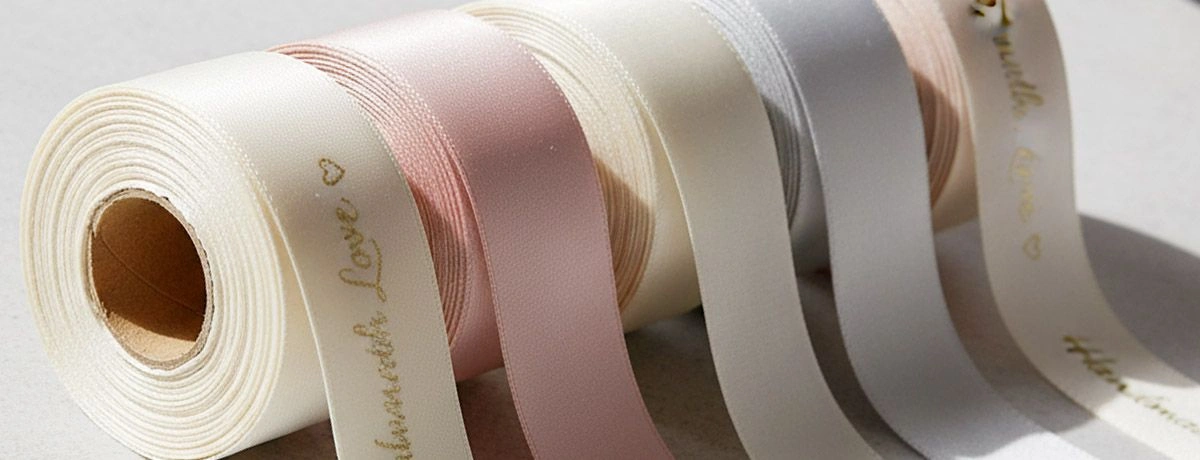
Selecting the right clothing labels is a critical step for garment manufacturers and apparel wholesalers. Labels communicate essential brand information, care instructions, and material content. Among the various options available in the textile industry, the satin label stands out due to its premium feel and versatility.
MH, a leading B2B integrated manufacturing and trading textile company, is a maker of custom satin labels, known for producing high-quality, personalized labels tailored to your brand’s needs. We provide global export expertise, with a strong focus on supplying large-scale production facilities across Latin America and beyond. This guide explores the specifications of satin labels. Woven and printed satin labels are often compared, with differences in appearance and construction that impact their suitability for different applications. Woven satin labels are thicker compared to other label types, offering a premium feel and enhanced durability. This information will help professional buyers make informed procurement decisions.


Overview Of Satin Labels
Satin labels are manufactured using a specific weaving technique that produces a smooth, lustrous surface. The distinctive sheen of satin labels gives them a glossy, elegant appearance, making them a popular choice for luxury and high-end fashion products. This structural design results in exceptional softness, making them highly desirable for garments that come into direct contact with the skin.
Common applications in the apparel industry include infant wear, lingerie, bridal gowns, and premium activewear. The choice of fabric for satin labels plays a crucial role in determining their durability and suitability for various garment types. Because MH operates exclusively on a make-to-order basis without ready stock, buyers can specify exact dimensions, colors, and finishes to meet the precise requirements of their production lines.
Woven Satin Labels Vs Printed Satin Labels
Understanding the distinction between woven and printed formats is necessary for optimizing your supply chain and production budget.
Printed satin involves transferring ink directly onto a smooth satin ribbon.
-
Advantages of printed satin: It accommodates intricate logos, fine text, and rapid turnaround times for large volume orders. It is highly cost-effective for extensive care labels.
-
Advantages of woven satin labels: These are created by weaving threads together on a loom to form the text and background simultaneously. They offer superior durability and a high-end aesthetic that resists fading over time.
-
Selection criteria: Choose printed satin for detailed care instructions and fast production cycles. Select woven satin for primary brand labels where longevity and brand prestige are priorities. Some brands may prefer one type of label over another based on their desired look and feel. The choice between woven and printed satin labels can also help express the personality of a brand or designer.
Woven Satin: Woven Labels Explained
Woven satin construction utilizes polyester threads woven tightly to create a glossy background with matte text, or vice versa. This construction method yields a label that is both pliable and highly resilient to industrial washing processes.
Garment factory owners should choose woven labels when producing luxury apparel, formal wear, or tailored suits. Industries that heavily favor woven satin include boutique fashion brands, bridal wear manufacturers, and high-end menswear producers who require materials that align with a premium brand image.
For every woven satin label order, a dedicated team member is assigned to manage your project, providing personalized support and ensuring quality throughout the production process.
Satin Labels For Clothing Labels
Integrating a satin label into apparel requires strategic placement to maximize comfort and visibility.
-
Label placements: Standard placements include the inside back neck of shirts, the side seams of dresses, and the interior waistbands of trousers. Satin labels are available in various formats, including Satin Sew-On Labels and Satin Iron-On Labels, to suit different attachment preferences. 'Sew on' is a common method for attaching satin labels.
-
Skin-friendly choices: Because satin features a smooth edge (especially when ultrasonic cut), it eliminates the scratching associated with standard taffeta, making it the premier skin-friendly label choice. Satin printed labels are soft and silky, making them especially suitable for t-shirts, infant clothing, or lingerie. Satin labels are soft, silky, and comfortable against the skin, making them ideal for garments like t-shirts and lingerie.
-
Compatible fabrics: Satin pairs exceptionally well with silk, lightweight cotton, spandex blends, and fine knits. Satin labels are also used in premium bedding and home decor items, such as quilts and pillows, to maintain an upscale brand image, where durable, wrinkle-resistant polyester mini matt fabric is often used for supporting textile components.
-
Care and content text: The smooth surface of printed satin makes it highly suitable for displaying legible, multi-lingual care and content text required for global export. When combined with high-quality rayon embroidery thread, satin labels can be washed repeatedly without fading, ensuring long-lasting quality and vivid logo details.
FAQs: Satin Label And Woven Label Questions
Do satin labels irritate the skin? No. The inherent smoothness of the satin weave minimizes friction, making it the preferred choice for sensitive skin applications like intimates and baby clothing. With their soft, silky texture and ability to retain their shape, satin printed labels are an excellent choice for t-shirts, infant clothing, and lingerie.
How does the durability of satin compare to standard woven labels? Woven satin is highly durable and retains its structural integrity through repeated industrial washing. Printed satin may experience slight ink fading over years of heavy washing, but holds up well under standard care conditions. Satin printed labels can be washed repeatedly without fading, making them practical for various clothing items. Woven labels are ideal for garments that require a more professional and permanent branding solution due to their durability, and woven satin labels have a classic look and heavier construction, making them suitable for high-end garments like bridal wear and suits.
Are there printing detail limits on satin? While printed satin accommodates fine details much better than woven formats, extremely micro-sized text may experience slight ink bleed. Working with an experienced large-scale manufacturer like MH ensures crisp, industrial-grade printing. The printed method allows for much more detail than the woven one, making satin printed labels ideal for complex designs. Satin labels can be printed with high-resolution screen printing or flexographic printing for detailed designs, and can be printed with high-resolution designs, making them suitable for detailed care instructions and logos.
Can I see a sample photo or digital proof before production? Yes. After you send your artwork or design files, our team will send a sample photo digital proof for your approval. This digital proof & sample photo allows you to review and confirm the design accuracy and quality before we proceed to full order production. Our sample photo standard typically provides a digital proof within 1-2 business days, ensuring you have time to approve or request changes before production begins.
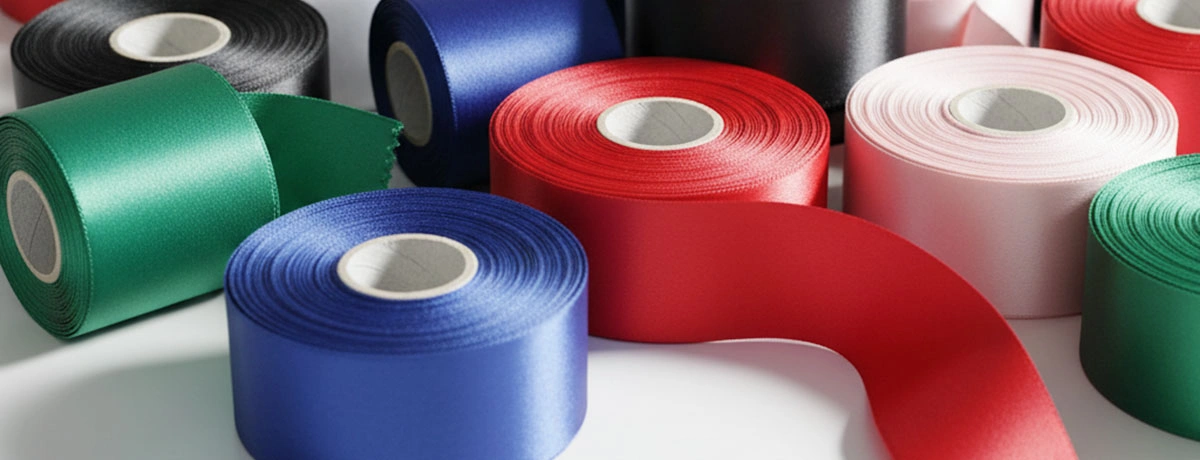
Can satin labels be customized? Absolutely. Printed satin labels can be customized with up to four colors printed onto black or white satin material. Satin labels can be personalized with graphics and text, offering a variety of design options. Custom dyeing of satin material is available for an additional fee, allowing for more color options. Satin labels can be personalized, allowing for bold and bright or subtle and sophisticated designs.
Partnering For Large-Scale Textile Procurement
Optimizing your garment manufacturing process requires reliable tailoring materials and a dependable supply chain partner. By selecting the appropriate satin label format, factory owners can elevate garment quality while maintaining cost efficiency. MH leverages vast production capacity and specialized make-to-order manufacturing to supply global markets, ensuring your bulk textile requirements are met with precision and industrial-grade quality. Contact our B2B sales team to discuss your specific labeling specifications and production volumes.
