
How Do B2B Buyers Choose the Right Satin Lining Fabric for Apparel Production?
Key Takeaways
-
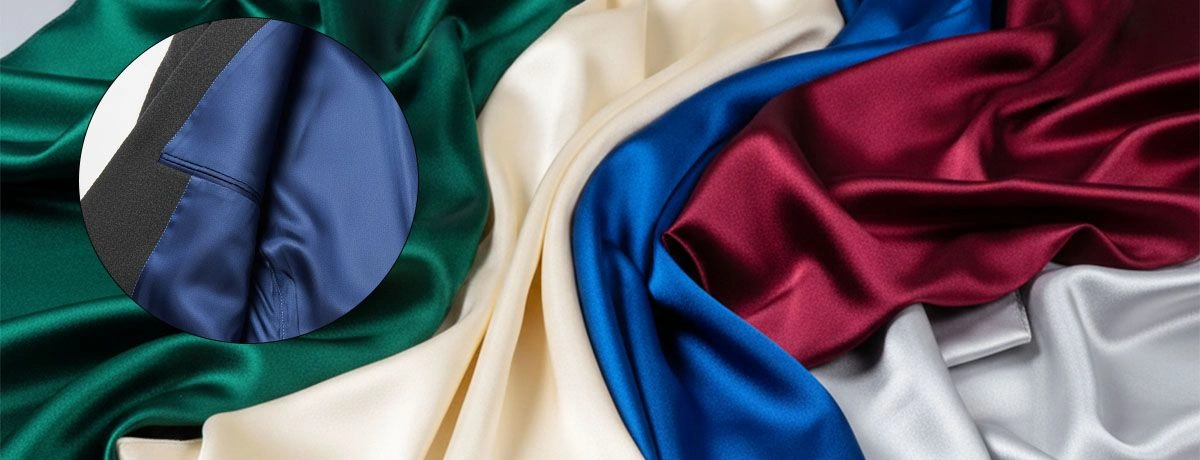
Satin lining fabric is a smooth, glossy inner garment textile made using a satin weave structure, predominantly manufactured in polyester for bulk garment production
-
Buyers should evaluate fiber content, GSM range (approximately 45–120 g/m²), and finishing options (anti-static, anti-fray, dyed or printed) based on end-use requirements
-
Primary applications include linings for suits, jackets, coats, uniforms, dresses, and formalwear, plus bag and accessory interiors
-
Consistent shade matching, stable width, and reliable bulk supply are critical factors for garment manufacturers and textile importers
What Is Satin Lining Fabric?
Satin lining fabric is a smooth, lustrous woven textile designed as the inner layer in garments for manufacturing applications. The term “satin” refers to the weave structure—floating yarns creating a glossy face and dull reverse—not the fiber type itself.
For lining purposes, satin fabric is typically constructed from synthetic or semi-synthetic fibers, especially polyester satin fabric, optimized for durability and cost efficiency in bulk production. This lightweight to medium-weight construction remains stable under high-speed sewing machines, allowing outer fabrics to glide smoothly during wear.
In large-scale clothing production, satin lining helps garments maintain shape, improves wearing comfort against the skin, and conceals internal construction details including seams, padding, and fusing.
Construction and Technical Characteristics
Understanding technical specifications helps buyers compare options for sourcing decisions.
The satin weave structure uses a higher float ratio (typically 4/1 or 5/1), where warp yarns float over multiple weft yarns, producing a smooth, lustrous surface with a relatively dull back. Common polyester satin linings use 50D–100D filament yarns, with textured yarns occasionally specified for a soft handfeel.
|
Application |
Weight Range |
Typical Use |
|---|---|---|
|
Lightweight |
45–70 g/m² |
Dresses, summer jackets |
|
Standard |
70–90 g/m² |
Suits, blazers |
|
Heavy |
90–120 g/m² |
Coats, winter outerwear |
Standard fabric widths of 57–60 inches (145–152 cm) optimize marker efficiency and reduce consumption in computerized cutting, while compatible spun polyester sewing thread for bulk production helps maintain seam integrity at industrial speeds. Satin linings are generally piece-dyed or yarn-dyed, with calendering applied to enhance sheen. For industrial use, stability under fusing temperatures and seam slippage resistance are essential parameters.
Common Fiber Compositions for Satin Lining Fabric
Fiber composition directly influences cost, performance, and care instructions for bulk orders. Main fiber groups include polyester, acetate, viscose, nylon, and blended constructions such as polyester-viscose or cotton blends.
For high-volume apparel production, polyester dominates due to superior colorfastness, dimensional stability, and predictable behavior in garment care, making dedicated 100% polyester satin fabric for women’s wear and underwear a common specification.
Polyester Satin Lining
Polyester is the dominant choice for industrial-scale satin lining, offering high tensile strength, abrasion resistance, and crease recovery. Machine-washable and compatible with commercial laundering, polyester satin is ideal for suits, jackets, skirts, uniforms, and corporate wear, especially when matched with polyester uniform fabrics for school and medical wear. Anti-static and moisture management finishes can be engineered per buyer requirements.
Polyester satin lining is the most commonly used type, known for being affordable, wrinkle-resistant, and durable, making it suitable for everyday clothing like jackets and skirts.
Acetate and Acetate Blends
Acetate provides attractive drape and luxurious sheen but lower abrasion resistance than polyester. Often specified for tailored garments where visual appearance matters, acetate-cotton blends offer warmth for outerwear. Care requirements typically include dry cleaning, and pre-production testing for color migration is recommended.
Acetate satin lining is known for its beautiful drape and sheen, but it is less durable than polyester, making it suitable for vintage or tailored suits where appearance is prioritized.
Viscose/Rayon and Viscose Blends
Viscose satin linings offer a breathable, natural feel with better moisture absorption—beneficial for premium tailored garments. Though prone to creasing and dimensional instability, viscose-polyester blends balance comfort with improved strength. These compositions suit higher-end fashion applications including blouses and dresses, while workwear categories may instead pair linings with durable T/C 65/35 twill fabric for outer shells.
Viscose or rayon satin lining is appreciated for its natural feel and breathability, making it a good choice for garments that require a balance between comfort and shine.
Nylon and Specialty Blends
Nylon satin serves niche applications requiring exceptional tear strength, such as bags, luggage, or technical outerwear, where pairing with rainproof 180T Pongee Geena shell fabric can create durable, weather-resistant constructions. Heat sensitivity requires careful ironing and fusing protocols—confirm specifications during sampling.
Finishing Methods and Performance Properties
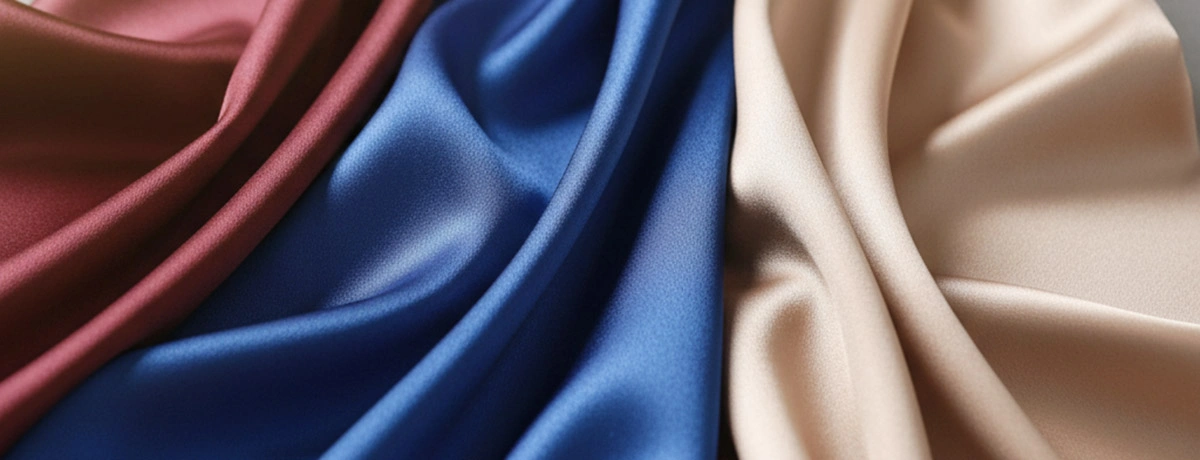
Finishing processes significantly influence handfeel, appearance, and sewing performance. Common methods include:
-
Calendering for enhanced sheen
-
Softening finishes for improved handfeel
-
Anti-static treatments to reduce clinging
-
Resin finishes to minimize fraying at cut edges
-
Anti-pilling treatments for extended service life
Buyers should verify colorfastness to washing, perspiration, and dry cleaning. Key performance criteria include seam slippage resistance, tear strength, and dimensional stability. Smoothness and glide are especially important for curtains of layered wear in dry climates.
Applications of Satin Lining Fabric in Garment Production
Satin lining serves diverse B2B applications across garment categories.
Suit, Jacket, and Blazer Linings
Suiting represents the largest market segment, typically specifying stable, mid-weight polyester satins paired with shiny polyester-viscose suiting fabric for trousers and uniforms. Color coordination, consistent dye lots across size ranges, and seam slippage resistance are critical concerns. Navy and classic tones remain standard.
Coat and Outerwear Linings
Heavier satin constructions line wool coats and leather jackets, facilitating wear over knitwear. These linings may combine with insulation layers, requiring the fabric to maintain stability when quilted.
Dresses, Skirts, and Formalwear
Lighter-weight satins support drape without adding bulk. Formalwear may require quieter linings with soft handfeel—silk satin or finer denier constructions serve this segment. Stretch options with elastane match fitted silhouettes and coordinate well with polyester-spandex stretch woven outer fabrics for suits, coats, and trousers.
Satin is commonly used in wedding dresses, evening gowns, and cocktail dresses to enhance comfort and drape, especially when paired with premium polyester-spandex paradise satin for bridal and evening wear.
Bags
Satin lining is often used in handbags, clutches, and wallets to enhance the interior quality and provide a luxurious feel.
Key Considerations for B2B Buyers and Sourcing
Define specifications clearly: fiber composition, weight, width, finish type, and care requirements. Align lining weight with outer fabric—lighter linings for silk shells, heavier for wool. Request lab dips and bulk shade approvals, checking metamerism under different lighting. Test trial yardage on production lines before confirming orders. Verify compliance with colorfastness standards and azo-dye restrictions for export markets.
Email suppliers early to confirm MOQs, lead times, and customization options—for example, workwear programs using T/C 80/20 twill fabric for uniforms require clear planning—when you need to find the right satin lining fabric, carefully evaluate material characteristics and supplier reliability to ensure consistent repeat production.


FAQ
What GSM of satin lining is most suitable for men’s suiting?
Standard men’s suits typically use approximately 65–85 g/m², balancing coverage and breathability. Lighter weights suit summer styles; heavier options work for structured or winter garments.
Can the same satin lining be used for both jackets and trousers?
While possible, many manufacturers prefer more durable linings for trousers due to higher abrasion in seat areas. Check abrasion resistance if standardizing across garment types.
How should satin lining be stored before production?
Store rolls in cool, dry conditions away from direct sunlight. Keep rolls horizontally supported, properly wrapped, and labeled by lot number to avoid creasing and shade-mixing during cutting—this is the ideal making process for quality control.
Is anti-static finishing necessary for polyester satin lining?
Anti-static finishing is recommended for dry climates or layered outfits. Specify requirements early and confirm performance via test reports.
What pre-production tests are recommended before placing a large order?
Key tests include shrinkage, colorfastness, seam slippage, tear strength, and fusing compatibility. Sew a pilot batch to observe needle marks and handling behavior—take time to validate before bulk commitment. Fabric sold without proper testing creates production risks.
