
Sequin Bulk: Technical Guide for Large-Volume Sourcing
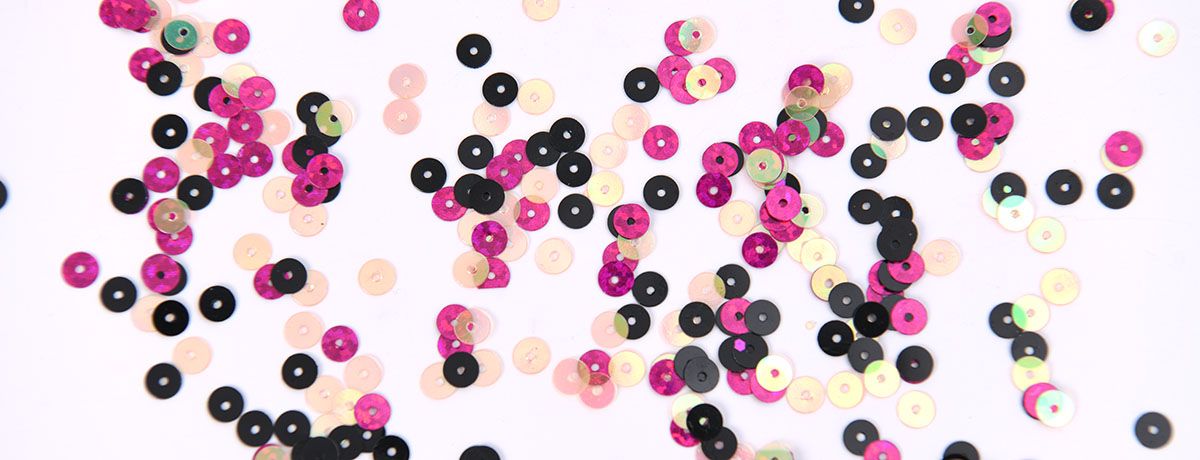
When garment manufacturers and embroidery factories need to source sequins at scale, understanding the technical specifications, production processes, and quality requirements becomes essential for successful procurement. This guide provides a comprehensive overview of bulk sequins from a manufacturing and sourcing perspective, covering everything from material selection to supplier evaluation.
Whether you’re planning production runs for evening gowns, performance costumes, or seasonal apparel collections, this article will help you understand the key factors that determine sequin quality, performance, and suitability for industrial applications.
Overview of Bulk Sequins for Industrial Use
Sequin bulk refers to large-volume supply of sequins packaged and specified for industrial manufacturing environments. Unlike retail-oriented products sold by the yard or in small craft quantities, bulk sequins are supplied in standardized formats designed for integration into automated production lines and high-volume embroidery operations.
MH serves garment manufacturers, embroidery factories, fabric wholesalers, and trading companies requiring consistent quality across large orders. This content focuses on wholesale supply considerations rather than consumer applications or diy projects.
Key bulk format categories include:
-
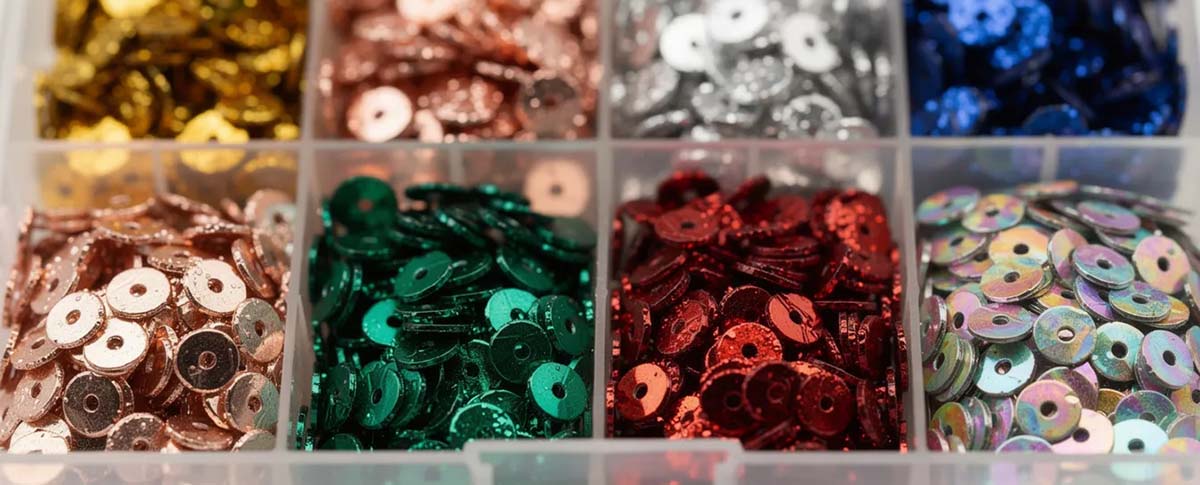
Loose sequins packaged in kilograms or cartons, typically 0.5–25 kg per unit, for manual application and custom embroidery designs
-
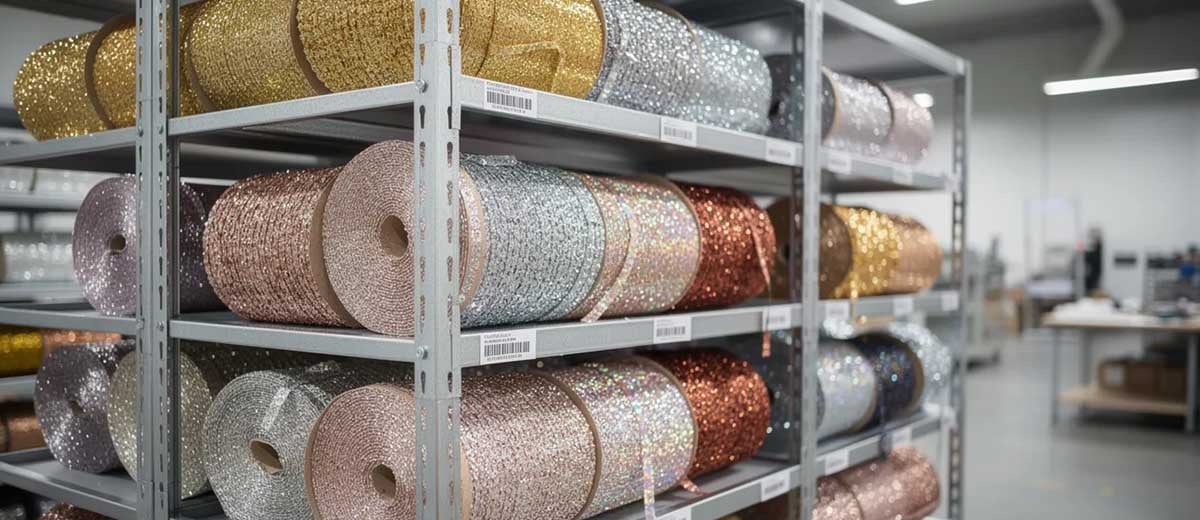
Pre-strung sequin tapes wound on spools, typically 100–200 meters per spool, for automated trimming machines
-
Pre-embroidered sequin fabrics with sequins already attached to mesh or tulle base materials for dress manufacturers and wholesalers
Typical order scales range from 50–500 kg per color and size for apparel production, with lead times of 15–35 days depending on customization requirements. Standard items in stock may ship faster, while custom colors or shapes require additional production time.
What Sequins Are and How They Are Manufactured
Sequins are small, flat, punched components—typically plastic or metal discs—used as surface embellishments on garments, home textiles, and accessories. In bulk supply, these components must meet precise dimensional and finish specifications to ensure compatibility with high-speed embroidery equipment and consistent visual results across production runs.
Base Film Production:
-
Thermoplastic polymers such as PET (polyethylene terephthalate), PVC, or PVC-free alternatives are extruded or cast into thin films
-
Film thickness typically ranges from 50–200 microns depending on the desired flexibility and weight
-
Color coating is applied through pigment masterbatches or surface dyeing, followed by protective lacquer application for scratch resistance
Punching and Forming Process:
-
High-speed die-cutting machines punch sequins from continuous film reels at rates up to 10,000 pieces per minute
-
Standard shapes include round discs from 3–8 mm diameter, with center or off-center holes for attachment
-
Tooling precision determines dimensional accuracy, with tolerances of ±0.1 mm required to prevent jamming in embroidery feed systems
-
Edges are tumbled or polished to remove burrs that could snag threads during application
Finishing Stages:
-
Metallic vacuum plating (PVD process) creates gold, silver, and bronze effects with up to 90% reflectivity
-
Holographic embossing applies laser patterns through specialized film layers
-
Iridescent lamination uses multilayer interference coatings at 5–10 microns thickness for color-shift effects
Quality Control Points:
-
Film thickness tolerance verification
-
Hole placement accuracy measurement
-
Flatness inspection to ensure sequins lie correctly during embroidery
-
Scratch and abrasion resistance testing for handling durability
Bulk Formats: Loose Sequins, Sequin Tapes, and Sequin Fabrics
Different bulk formats serve different production setups, from manual embellishment to automated trimming lines. Understanding format characteristics helps buyers choose the right product form for their manufacturing processes.
Loose Sequins
Packing Options:
-
Small bags of 0.5–1 kg for sampling and small production runs
-
Standard cartons of 20–25 kg per color and size
-
Anti-static linings to prevent nesting and static buildup
Applications:
-
Manual sewing and hand embellishment
-
Custom embroidery designs on multi-head machines
-
Repair and replacement work
-
DIY and craft supply chains (though MH focuses on industrial volumes)
Quality Considerations:
-
Low defect rate critical—off-hole or mis-punched pieces cause machine jams
-
Consistent hole position ensures smooth feeding
-
Clean edges prevent thread snagging
Pre-Strung Sequin Tapes
Construction:
-
Sequins stitched or chain-linked on monofilament or thread
-
Typically 3–6 mm round sequins at consistent spacing
-
Available in various colors and finishes
Put-Up and Handling:
-
Standard spool lengths of 100–200 meters for spun polyester sewing thread
-
Compatible with trimming machines, coverstitch equipment, and sergers
-
Easy to integrate into automated production lines
Primary Applications:
-
Elastic trim applications
-
Ready-to-attach decorations for lingerie and dancewear
-
Children’s wear embellishments
-
Quick-turn production where machine feeding efficiency matters
Sequin Fabrics (Allover Sequin on Base)
Base Material Options:
-
Polyester mesh and tulle for lightweight, transparent effects
-
Chiffon and organza for formal wear applications
-
Woven bases for heavier décor and upholstery uses
Specifications:
-
Bolt widths typically 130–150 cm
-
Roll lengths of 25–50 meters
-
Sequin density specified per square meter
-
Weight control critical for pattern making and drape calculations
Applications:
-
Stage costumes requiring full coverage
-
Fabric wholesalers and dress manufacturers
-
Home textile applications including cushions and curtains
The range of available formats allows manufacturers to choose options that optimize throughput and minimize handling in their specific production environments.
Typical Applications in Garment and Textile Production
This section provides an overview of where bulk sequins integrate into industrial product lines, focusing on production volumes and manufacturing considerations rather than consumer styling.
Major Garment Categories
Women’s Occasion Wear:
-
Evening dresses and formal wear produced in runs of 500–10,000 pieces
-
Accounts for approximately 40% of bulk sequin usage in apparel
-
Requires consistent color and finish across entire production lots
-
Allover embroidery on mesh creates high-impact visual effects
Performance and Stage Wear:
-
Dance and performance costumes requiring consistent visual impact under stage light
-
Stretch-compatible sequins under 4 mm to avoid restricting fabric movement
-
Holographic and iridescent finishes for maximum reflectivity
-
Often uses pre-strung tapes for efficient application to elastic materials
Children’s and Casual Apparel:
-
T-shirts and sweatshirts with sequin motifs and patches
-
Reversible (flip) sequins for interactive designs
-
Higher durability requirements for frequent washing
-
Motif panels and branding badges
Accessories:
-
Bags, pouches, and caps with decorative elements
-
Logo patterns for promotional items
-
Small production runs to large volume orders depending on brand programs
Non-Apparel Applications
-
Upholstery fabric for sofa accessories, including:
-
Cushion covers and decorative pillows
-
Curtains and table runners for seasonal collections
-
Higher weight tolerances compared to apparel applications
-
Promotional and Gift Items:
-
Custom patterns for corporate gifting
-
Event-specific decorations
Integration into Embroidery Programs
Bulk sequins are commonly integrated into:
-
Motif panels produced in volume for later attachment
-
Allover embroidery on mesh or fabric bases
-
Branding patches and logo badges
-
Multi-site production requiring identical specifications
Production planning for Spring/Summer 2025 and Fall/Winter 2025 collections should account for lead times and color approval cycles to ensure sequin availability aligns with manufacturing schedules.
Customization Options
MH can support OEM/ODM specifications within industrial constraints, prioritizing repeatability and scale over one-off novelty items. Understanding customization parameters helps buyers prepare accurate specifications and realistic order expectations.
Available Customization Options
Custom Colors:
-
Matching to Pantone references or physical swatches
-
Lab dip approval process before bulk production
-
Wide selection of standard colors available from stock
Custom Sizes and Shapes:
-
Non-standard sizes within manufacturing capabilities
-
Custom shape production with new punching dies
-
Tooling fees apply for new die development
-
Higher MOQs required (typically 50–100 kg per color/shape)
Special Finishes:
-
Matte, ultra-gloss, or textured surface effects
-
Custom holographic patterns
-
Specialty iridescent and pearlized options
-
Brand-specific finish development for collection consistency
Considerations for Selecting a Bulk Sequin Supplier
This section provides a decision-support framework for sourcing and supply chain managers evaluating potential bulk sequin suppliers. The goal is to identify partners capable of supporting large-scale production with consistent quality.
Evaluation Criteria
Manufacturing Capability:
-
Production capacity to support campaign volumes (e.g., 50,000+ pieces per season)
-
Equipment for consistent quality across large runs
-
Ability to maintain specifications over repeat orders
-
Experience with garment and embroidery factory requirements
Quality Systems:
-
Established QC protocols and documentation
-
Understanding of multi-head embroidery machine requirements
-
Defect rates below 0.5% for production-ready materials
-
Traceability systems for raw materials and finished goods
Compliance and Documentation:
-
Current regulatory certifications (REACH, CPSIA, OEKO-TEX)
-
Updated test reports for 2024–2025 requirements
-
Transparency on material sources and composition
-
Willingness to provide great documentation for buyer audits
Logistical Capabilities
Export Experience:
-
Familiarity with requirements for EU, USA, Latin America, and Middle East markets
-
Understanding of documentation needs for customs clearance
-
Experience with various shipping methods and terms
Packaging and Handling:
-
Standard packing optimized for container loading
-
Clear labeling systems for warehouse management
-
Support for consolidated shipments with other accessories
Inventory and Flexibility:
-
Stock programs for fast-moving items
-
Ability to sort and add items to existing orders
-
Responsive communication on order status and cart management
Reference Verification
Request from potential suppliers:
-
Case examples of ongoing supply relationships
-
References from similar industry buyers
-
Production capacity documentation
-
Sample orders for quality evaluation before committing to large volumes
Discover suppliers who demonstrate reliability through documented track records rather than promotional claims.
Long-Term Cooperation and Supply Stability
Planning multi-season programs with stable specifications reduces re-approval costs and minimizes lab workload for both buyer and supplier.
Safety Stock Strategies:
-
Maintain buffer inventory for fast-moving sizes (3–5 mm metallic, clear, blue, red, green)
-
Coordinate stock levels at supplier or local warehouse
-
Plan for seasonal demand fluctuations
Communication Practices:
-
Share demand forecasts on quarterly basis
-
Establish annual contracts with volume commitments where feasible
-
Align production schedules ahead of peak seasons (e.g., Q3 orders for holiday programs)
-
Regular review meetings to address quality or delivery issues
Program Benefits:
-
Price advantages for committed volumes
-
Priority production scheduling
-
Dedicated quality standards and inspection protocols
-
Simplified reorder processes
Long-term partnerships create mutual benefits through reduced transaction costs, improved quality consistency, and supply chain stability. Buyers who invest in supplier relationships typically achieve better outcomes than those pursuing purely transactional sourcing.
Key Takeaways
-
Bulk sequins are supplied in standardized formats (loose, tape, fabric) designed for industrial manufacturing with typical MOQs of 50–100 kg per color/size
-
PET-based sequins dominate bulk markets due to their balance of performance, cost, and regulatory compliance
-
Quality factors including attachment stability, colorfastness, and mechanical durability directly impact production efficiency and finished product quality
-
Customization options are available within industrial constraints, with tooling fees and higher minimums for non-standard specifications
-
Supplier selection should prioritize manufacturing capacity, quality systems, compliance documentation, and long-term cooperation potential
Understanding these technical and commercial factors helps sourcing professionals make informed decisions when evaluating sequin suppliers for large-scale garment and textile production. By standardizing specifications and building stable supply partnerships, buyers can ensure consistent quality across production seasons while optimizing cost and lead time performance.
For buyers preparing to buy sequins in bulk quantities, the ideal approach combines thorough specification development, supplier qualification based on documented capabilities, and commitment to long-term cooperation that benefits both parties.